Revolutionizing Electronics: How Assembly Companies are Shaping the Future of PCB Manufacturing
Key Takeaways
The landscape of PCB assembly is rapidly evolving, driven by the increasing complexity of electronic devices and the demand for more compact and efficient solutions. Assembly companies are not just peripheral players; they are central to the advancement of printed circuit board assembly (PCBA) processes, ensuring that the integration of components meets the high standards required for modern technology. As these companies adopt advanced manufacturing techniques, including automation and precision tooling, they enable significant enhancements in both efficiency and accuracy during production. Furthermore, collaboration between design engineers and assembly experts is pivotal, as it fosters innovative design solutions that accommodate the latest technologies while addressing cost-effectiveness. This synergy is crucial for overcoming challenges such as maintaining high quality in mass production and navigating supply chain complexities. With an eye towards sustainability, many assembly firms are also incorporating eco-friendly materials and methods in their PCBA processes, signaling a shift towards responsible manufacturing practices. These significant developments not only highlight the indispensable role of assembly companies in PCB operations but also illustrate their impact on how consumers engage with technology on a daily basis. As we look ahead, it is clear that these advancements will fundamentally reshape our interactions with electronic devices, driving further innovation across various sectors.
The Evolution of PCB Manufacturing: A Historical Perspective
The journey of printed circuit board (PCB) manufacturing is a remarkable tale that reflects the pace of technological advancement from the mid-20th century to the present day. Initially, PCBs were simple in design, primarily intended to connect electronic components within radios and other basic devices. Over time, as consumer demand for more complex and reliable electronics grew, so too did the pcb assembly processes employed by manufacturers. The integration of advanced technologies propelled the evolution of PCBA processes, enabling the production of multilayer boards designed to support an increasing number of functions. Notably, innovations in materials and manufacturing techniques have improved not only efficiency but also reliability in the final products. As assembly methodologies evolved, companies swiftly transitioned from manual assembly to automated processes that further enhanced precision and reduced production times. This historical progression underscores the significance of assembly companies in shaping not only PCB manufacturing but also the overall technology landscape where electronic devices are ubiquitous in everyday life. The ongoing adaptation to emerging technologies continues to be pivotal in redefining how consumers interact with their devices, laying a solid foundation for future advancements within this dynamic industry.
The Role of Assembly Companies in Modern Electronics
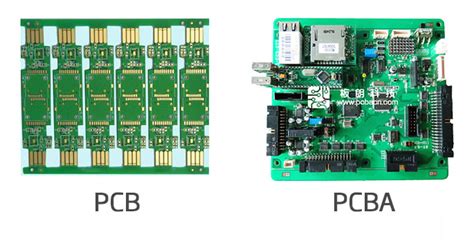
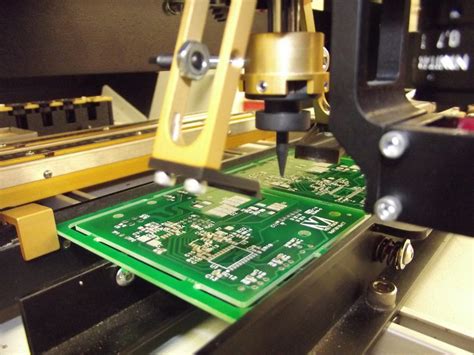
Assembly companies are crucial players in the pcb assembly process, acting as the bridge between innovative designs and functional electronic products. These organizations not only focus on the physical assembly of printed circuit boards (PCBs) but also ensure that the entire production process is streamlined and efficient. With advancements in technology, they have integrated automated systems and smart manufacturing techniques that significantly enhance the precision of pcba (printed circuit board assembly). This combination of technology and skilled labor allows them to meet increasing demands for higher quality components at a rapid pace.
Moreover, assembly companies are constantly adapting to industry shifts, including the push for more sustainable manufacturing practices. They are exploring eco-friendly materials and processes that minimize waste, reflecting a growing emphasis on environmental responsibility in electronics manufacturing. As competition intensifies, these companies face challenges such as supply chain disruptions and the need for continuous innovation. Collaborating closely with design engineers enables them to tackle these hurdles effectively, ensuring that both aesthetics and functionality are meet.
“Emphasizing communication between engineers and assembly firms is essential for creating efficient designs that are viable for mass production.”
Collectively, these efforts demonstrate how assembly companies are not just part of a supply chain but pivotal to the futuristic vision of smart electronics, driving transformative changes in how consumers engage with technology every day. Their contribution to developing cutting-edge pcba solutions will undoubtedly shape the next generation of electronic devices, making technology more accessible and integrated into our daily lives than ever before.
Innovations in PCB Design and Assembly Techniques
The landscape of PCB manufacturing is undergoing rapid transformation, largely driven by groundbreaking innovations in both design and assembly techniques. At the core of this evolution is pcb assembly, where modern methods significantly enhance the performance and reliability of electronic components. For instance, the adoption of advanced materials and precision engineering has led to lighter, thinner, and more efficient boards that can meet the demands of increasingly compact electronic devices. One of the most notable advancements is in surface mount technology (SMT), which enables components to be mounted directly onto the surface of printed circuit boards, reducing space and improving electrical performance. Additionally, techniques like automated optical inspection (AOI) are revolutionizing quality control in pcba, ensuring that defects are caught early in the production process. Furthermore, innovations such as 3D printing are beginning to find their way into PCB design, allowing for more complex geometries that were previously impossible with traditional manufacturing methods. These advancements not only streamline production but also enhance adaptability to changing consumer needs, ultimately influencing how we interact with technology daily. As assembly companies continue to refine their processes and embrace novel solutions, we can expect further enhancements within the realm of pcb assembly, propelling the industry into a promising future where technology integration becomes seamless and fundamental to modern life.
Sustainable Practices in PCB Manufacturing
The importance of sustainable practices in PCB manufacturing cannot be overstated, as the industry seeks to balance technological advancement with environmental responsibility. Assembly companies are increasingly adopting methods that not only reduce waste but also promote energy efficiency throughout the pcb assembly process. By focusing on eco-friendly materials and implementing waste recycling initiatives, these companies are significantly lowering their carbon footprint.
Moreover, the integration of lead-free soldering methods has become a standard approach, reducing hazardous materials that can pose risks to both health and the environment. The use of advanced technologies such as automated assembly processes further enhances precision while minimizing errors and material waste during production.
Table: Key Sustainable Practices in PCB Manufacturing
| Sustainable Practice | Description |
|---|---|
| Lead-Free Soldering | Reduces use of toxic substances in manufacturing |
| Energy-Efficient Equipment | Lowers energy consumption during production |
| Waste Recycling Programs | Promotes re-utilization of materials and reduces landfill |
| Eco-Friendly Material Selection | Focuses on sourcing recyclable and biodegradable components |
As the demand for greener technology continues to rise, assembly companies are investing in research to innovate and create processes that prioritize sustainability without compromising on quality. This shift not only benefits the environment but also enhances brand reputation, making it a critical focus for firms within the pcba landscape. Through these combined efforts, pcb assembly can progress toward a more sustainable future that aligns with global efforts aiming at responsible production and consumption practices.
Challenges Facing Assembly Companies in a Competitive Market
The landscape of pcb assembly is increasingly competitive, presenting significant challenges for assembly companies striving to maintain their edge. As technological advancements accelerate, these firms face pressure to deliver higher volumes of PCBs while ensuring top-notch quality and adherence to tight deadlines. One major hurdle is the rising cost of raw materials and components, which can impact profit margins. Furthermore, evolving customer demands for more intricate designs and faster turnaround times require assembly companies to adopt innovative manufacturing processes and invest in state-of-the-art equipment.
In addition, the global nature of the supply chain introduces complications such as logistical delays, fluctuating tariffs, and geopolitical factors that can disrupt operations. As firms endeavor to streamline their production and reduce lead times, ensuring a skilled workforce becomes essential; however, there is a notable skills gap in the industry that complicates recruitment efforts. Collaboration between design engineers and PCBA manufacturing units is crucial to devise solutions that address these challenges effectively and support sustained growth within the market. The need for adaptability is paramount as assembly companies navigate these complexities while seeking to innovate continuously in a highly competitive environment.
Future Trends: The Next Generation of Electronics and PCBs
As we look ahead, the landscape of electronics is poised for significant transformation, driven by advancements in pcb assembly techniques and technologies. These changes are ushering in a new era for printed circuit board assembly (PCBA), where efficiency and miniaturization play critical roles. With the rise of the Internet of Things (IoT), wearable technology, and smart devices, there is an increasing demand for high-density interconnects and flexible PCB designs. Assembly companies are responding by incorporating cutting-edge methodologies such as automation and artificial intelligence in their processes, which enhances accuracy while reducing manufacturing time. Moreover, as sustainability becomes a focal point for many industries, eco-friendly materials and waste reduction strategies are being implemented in pcb assembly practices. This holistic approach not only streamlines production but also aligns with global efforts towards environmental responsibility. Ultimately, as collaborative efforts grow between design engineers and assembly firms, we will likely witness groundbreaking innovations that fundamentally redefine how we interact with technology through enhanced functionalities in next-generation electronics.
Collaborating for Success: Engineers and Assembly Firms United
The synergy between engineers and assembly companies is increasingly critical in the realm of PCB assembly and development. As engineers focus on innovative designs, their collaboration with assembly firms ensures that these concepts can be effectively realized through advanced pcba techniques. This partnership facilitates the integration of sophisticated functionalities into electronic devices while addressing the ever-growing demand for higher efficiency and smaller footprints. By combining the creative vision of design engineers with the practical expertise of assembly professionals, this collaboration not only accelerates the development process but also significantly enhances the performance capabilities of final products. Additionally, as sustainability becomes a crucial consideration in electronics manufacturing, this united approach enables both parties to implement eco-friendly practices that minimize waste and reduce environmental impact. Ultimately, the enduring partnership between engineers and assembly companies fosters a landscape ripe for innovation, driving us towards a future where cutting-edge technology is more accessible and efficient than ever before.
Impact on Daily Life: How PCBs Transform Technology Interaction
The integration of printed circuit boards (PCBs) into modern devices has dramatically altered how individuals interact with technology in their everyday lives. With the advancing capabilities of pcb assembly, electronic components have become smaller, more powerful, and increasingly efficient. This shift is particularly noticeable in consumer electronics such as smartphones, laptops, and smart home devices, where the compact design and functionality are pivotal. The role of pcba—the process of assembling these complex circuits—has allowed for unprecedented innovations in these products. As assembly companies adopt cutting-edge techniques and materials, users benefit from enhanced performance, reliability, and sustainability. Furthermore, the collaborative efforts between design engineers and assembly firms are fostering an environment where not only can new features be developed swiftly but can also be done with greater attention to environmental impact. As a result, people now enjoy products that not only meet their daily needs but also minimize their ecological footprint, representing a harmonious blend between technology and sustainability. The relationship between human interaction and pcb assembly goes beyond mere convenience; it is about creating an interconnected experience that actively engages users while enhancing their technological lifestyle.
Conclusion
In conclusion, the evolving landscape of pcb assembly is not just about producing electronic components; it reflects a broader shift in how technology and innovation intersect. Assembly companies today are leveraging cutting-edge techniques and processes that redefine what is possible in printed circuit board assembly (PCBA). Their role extends beyond mere fabrication to encompass a collaborative effort with design engineers, fostering an environment where creativity meets precision. As the demand for smarter and more efficient electronic devices grows, these companies are positioning themselves to tackle future challenges while adhering to sustainable practices that benefit both the industry and the environment. The synergy between design, assembly, and sustainability is paramount as we look ahead, ensuring that our daily interactions with technology are not only enhanced but also responsible. The advancements in PCB manufacturing and assembly techniques offer a glimpse into a future where technology seamlessly enriches everyday life, making the significance of these assembly firms truly undeniable.
FAQs
As curiosity grows around the processes involved in PCB assembly and the intricacies of printed circuit board production, many inquiries surface. One common question is, What constitutes a successful PCBA design? A successful design prioritizes manufacturability while ensuring that the layout accommodates efficient assembly. This involves selecting appropriate components, optimizing trace routing, and ensuring adequate spacing to prevent electrical interference. Another frequently asked question is regarding the sustainability of PCB manufacturing processes. Are assembly companies taking steps towards eco-friendly practices? Indeed, many assembly companies are integrating sustainable techniques into their operations, such as reducing waste and utilizing recyclable materials in both PCBA and packaging. Additionally, How does collaboration enhance the assembly process? The partnership between design engineers and assembly firms is crucial; it fosters a shared understanding of requirements and facilitates innovations that improve both speed and quality in production. These answers shed light on the dynamic nature of the PCB assembly industry and highlight how industry players are adapting to meet modern challenges while paving the way for future advancements in electronic technologies.
Interested in Learning More?
Please click here to dive deeper into the fascinating world of PCB assembly!