Revolutionizing Electronics: The Future of Advanced PCB Assembly
Key Takeaways
The realm of advanced PCB assembly (*pcba*) is witnessing a transformative shift, largely driven by innovative technologies and novel processes. Understanding these concepts and the accompanying innovations is critical, as they lay the foundation for efficiency gains and quality improvements in manufacturing. Notably, automation plays a pivotal role in modern pcb assembly operations, streamlining processes to not only reduce production times but also enhance precision in component placement. Beyond efficiency, there is an increasing emphasis on sustainability within the industry. Manufacturers are adopting eco-friendly practices that minimize waste and energy consumption during the pcb assembly process. However, this transition comes with unique challenges that necessitate strategic solutions to maintain performance standards while accommodating new methodologies. As we look ahead, the future of advanced pcb assembly suggests an industry poised for growth—one that will incorporate even more sophisticated technologies to meet the rising demands of miniaturization and connectivity in electronic devices. Ultimately, understanding these trends will be essential for stakeholders navigating this dynamic landscape.
Understanding Advanced PCB Assembly: Concepts and Innovations
The realm of pcb assembly has witnessed significant transformation through the adoption of advanced technologies. At its core, advanced PCB assembly involves a series of sophisticated techniques that enhance the production efficiency and reliability of pcba processes. Innovations such as surface-mount technology (SMT) and automated optical inspection (AOI) are now commonplace, drastically improving the precision with which components are placed on circuit boards. These methodologies not only increase the speed of assembly but also minimize defects, ensuring higher-quality products reach consumers. Moreover, by integrating smart manufacturing techniques such as Internet of Things (IoT) capabilities, manufacturers can gather real-time data to optimize their operations further. This level of interconnectivity enables a proactive approach to production challenges and drives efficiencies at every stage of the pcb assembly process. As we delve into the future, these innovations promise to redefine not only how we assemble PCBs but also how we conceptualize electronic devices themselves, ushering in an era marked by enhanced performance and sustainability in the electronics landscape.
Key Technologies Shaping the Future of PCB Assembly
The landscape of PCB assembly is being fundamentally transformed by several innovative technologies that enhance both productivity and quality. One of the most significant advancements is Surface Mount Technology (SMT), which allows for the placement of components directly onto the surface of the printed circuit board (PCB). This method not only increases the density of circuits but also reduces assembly times, leading to more compact and efficient designs. Furthermore, we have witnessed the rise of 3D printing, which offers unprecedented design flexibility and rapid prototyping capabilities.
In addition to these methods, automated optical inspection (AOI) systems play a crucial role in ensuring accuracy in the PCB assembly process. By utilizing high-resolution cameras and advanced algorithms, these systems can quickly identify defects that might be missed by human inspectors. As a result, they help in achieving higher quality standards and reducing waste.
“Incorporating advanced technologies in PCB assembly not only streamlines production but also significantly improves the end product’s reliability.”
Another critical aspect is Internet of Things (IoT) integration within manufacturing processes. By leveraging IoT technology, manufacturers can monitor equipment performance in real-time, leading to proactive maintenance and reduced downtime. This interconnected approach is driving further efficiencies within PCBA practices.
The combination of these technologies not only fosters innovation but also prepares companies for future challenges by making them leaner and more adaptive to market demands. As manufacturers embrace these changes, we can expect a significant evolution in how advanced assembly PCB operations are conducted worldwide, paving the way for smarter and more reliable electronic devices.
Efficiency Boosts: The Role of Automation in Advanced Assembly
The integration of automation technologies into the pcb assembly process is proving to be a game-changer, enhancing productivity and consistency. In recent years, the push towards automating pcba has led to significant advancements in manufacturing capabilities. Robotics and machine learning systems are now capable of performing tasks with high precision, reducing human error while increasing speed. This automation trend not only optimizes the assembly line but also enables manufacturers to scale operations with greater ease. The utilization of smart technologies, such as AI-driven analytics, allows for real-time monitoring and quick adjustments to the production process, ensuring that bottlenecks are minimized and operational efficiency is maximized. Furthermore, sophisticated software tools facilitate the smooth flow of information throughout the pcb assembly lifecycle, enabling better decision-making and resource allocation. As these automation trends continue to evolve, they promise a more streamlined and efficient future for pcba, driving innovation and competitiveness in the electronics sector. With ongoing developments at the intersection of technology and manufacturing, it is clear that automation will play a pivotal role in shaping the future landscape of advanced assembly processes.
Sustainable Practices in PCB Manufacturing and Assembly
In the realm of PCB assembly, sustainability has emerged as a critical focal point, driven by the increasing awareness of environmental implications tied to manufacturing processes. Advanced techniques in PCBA not only aim to enhance performance and efficiency but also prioritize eco-friendly practices that reduce waste and energy consumption. For instance, the incorporation of lead-free soldering techniques has become a standard in sustainable PCB assembly, eliminating harmful materials from the production line. Moreover, manufacturers are exploring innovative methods for recycling electronic waste, thus minimizing landfill contributions. By utilizing modular designs, companies can also facilitate easier repairs and upgrades, extending the lifespan of electronic products. This approach not only reduces environmental impact but also aligns with consumer demand for more sustainable technology solutions. Investing in renewable energy sources for manufacturing operations further enhances sustainability efforts within the advanced assembly PCB landscape. As companies continue to adopt these practices, they set a precedent for responsible growth and environmental stewardship within the electronics sector.
Overcoming Challenges in Advanced PCB Assembly Processes
The journey toward optimizing advanced PCB assembly processes is fraught with various challenges that require innovative solutions. One significant issue is the complexity of modern designs, which often demand advanced techniques such as multi-layer assemblies and surface mount technology (SMT). These complexities necessitate a thorough understanding of PCB assembly to ensure that components are placed accurately and reliably. Additionally, ensuring high-quality connections and minimizing defects during the PCBA process can be complicated by factors such as thermal management and the materials used in production.
Automation has emerged as a vital strategy to overcome many of these challenges. By integrating automated assembly solutions, manufacturers can enhance precision and efficiency while reducing human error. These systems often employ sophisticated algorithms and machine learning to improve overall productivity, ensuring rapid adaptation to changing production needs. Moreover, collaboration between design engineers and manufacturing teams is essential; fostering a strong partnership aids in early identification of potential design flaws that could complicate the assembly process.
Finally, as sustainability becomes increasingly critical in manufacturing practices, advanced PCB assembly techniques must also focus on reducing waste and utilizing eco-friendly materials. Addressing these challenges head-on not only strengthens industry competitiveness but also lays the groundwork for future advancements in the electronic landscape, ensuring that the evolution of PCBA continues with resilience and innovation at its core.
Future Trends: What to Expect in the PCB Assembly Landscape
As the electronics industry continues to evolve at a rapid pace, the pcb assembly landscape is set to undergo significant transformations. One notable trend is the increasing adoption of advanced assembly techniques, which leverage state-of-the-art technologies to enhance production efficiency and product quality. For instance, the integration of machine learning and artificial intelligence in the design and manufacturing processes of printed circuit board assembly (PCBA) will facilitate more accurate forecasting and defect detection, thus minimizing waste and reducing lead times.
Moreover, there is a growing emphasis on flexibility within production systems. Manufacturers are realigning their processes to enable low-volume production alongside high-volume runs, catering to diverse customer needs while optimizing resources. This adaptability will likely be supported by modular assembly lines and flexible robotic systems that can be swiftly reconfigured.
In addition to technological advancements, sustainability is becoming a priority. The implementation of eco-friendly materials and processes aimed at minimizing environmental impact will not only improve industry standards but also attract environmentally-conscious consumers.
To illustrate these trends, consider the following table highlighting key future advancements in pcb assembly:
| Trend | Description | Impact |
|---|---|---|
| Automation | Use of robots and AI for precision in manufacturing | Increases production speed and accuracy |
| Smart Manufacturing | Integration of IoT devices for real-time monitoring | Enhances operational efficiency |
| Eco-friendly Materials | Adoption of sustainable materials | Reduces carbon footprint |
| Customization | Low-volume runs with quick turnaround times | Meets diverse consumer demands |
In conclusion, as we look ahead to the future of PCB assembly, it is clear that ongoing advancements in technology coupled with a focus on sustainability will play a crucial role in shaping the industry’s landscape. Stakeholders are encouraged to adapt and embrace these trends to remain competitive and responsive to market needs.
Case Studies: Successful Implementations of Advanced Assembly Techniques
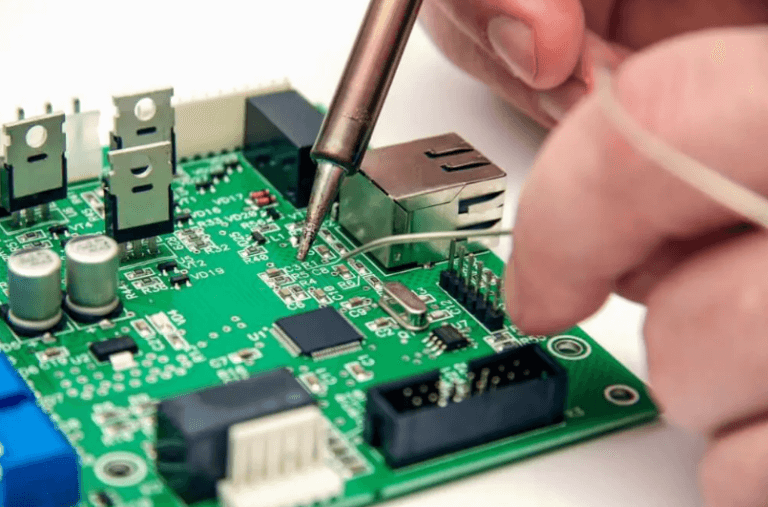
In recent years, the integration of advanced assembly PCB techniques has led to remarkable transformations within the electronics sector. Numerous companies have successfully deployed these innovative methods, showcasing real-world applications that underline the potential of pcba technologies. For instance, a leading telecommunications firm implemented an advanced PCB assembly approach that streamlined their production processes, resulting in a significant reduction in cycle times while enhancing product reliability. By employing automated soldering techniques alongside cutting-edge pcba design software, they not only minimized human error but also achieved precise placements for components on intricate circuit boards.
Another notable case involves a medical device manufacturer that adopted advanced assembly techniques to meet stringent regulatory requirements while promoting sustainability. Their use of eco-friendly materials and energy-efficient processes within their pcb assembly lines not only reduced waste but also improved operational efficiency. This commitment to innovation facilitated faster time-to-market for critical healthcare solutions, demonstrating that combining advanced technology with sustainability can yield impressive results.
These examples illustrate how organizations are leveraging advanced assembly PCB methodologies to drive productivity and maintain competitiveness in a rapidly evolving industry. As businesses continue to embrace these cutting-edge practices, they contribute significantly to shaping the future landscape of electronics manufacturing through increased agility and improved quality control in the production of complex electronic systems.
The Global Impact of Advanced PCB Assembly on Electronics Industry
The advancement of PCB assembly techniques is dramatically reshaping the electronics industry, making processes more efficient and allowing for the miniaturization of components without sacrificing performance. As consumer demand for high-quality and compact electronic devices escalates, manufacturers are increasingly turning to advanced assembly PCB solutions to meet these expectations. The integration of automation into PCBA processes has resulted in unprecedented speed and precision, reducing errors and production times significantly. Furthermore, these innovations are fostering a more sustainable approach to electronics manufacturing, with techniques that minimize waste and energy consumption becoming more prevalent. A global perspective reveals that regions investing in advanced PCB assembly technologies are likely to lead the market in both product innovation and environmental sustainability. This transformation not only enhances competitive advantage but also significantly impacts global supply chains, facilitating more responsive and agile manufacturing environments. Ultimately, as organizations adapt to these changes, the implications for the electronics industry are profound, suggesting a future where adaptability and efficiency will be paramount in shaping successful business strategies.
Conclusion
As we reflect on the transformative journey of advanced PCB assembly technologies, it’s evident that the electronics landscape is undergoing a remarkable revolution. The integration of innovative techniques in pcba enhances productivity while addressing the growing demand for complex electronic devices. The adoption of automation is vital in this evolution, propelling efficiency to new heights and enabling manufacturers to streamline their processes. Furthermore, the focus on sustainable practices ensures that while we advance technologically, environmental considerations remain paramount. The challenges faced in pcb assembly processes are increasingly being mitigated through these advancements, allowing for more robust and flexible manufacturing solutions. With ongoing research and developments, the future holds promising prospects for advanced PCB assembly, paving the way for smarter electronics that will reshape consumer experiences across various industries. As we move forward, it is crucial to remain vigilant about emerging trends and technologies that will further enhance the capabilities of pcba, ensuring a ready response to the ever-evolving market demands.
FAQs
What is advanced PCB assembly?
Advanced PCB assembly refers to the highly specialized processes and techniques used in the manufacture of printed circuit boards (PCBs). These processes enhance the integration of components, enable complex designs, and support the production of reliable electronic devices.
How does automation improve PCB assembly?
Automation significantly increases efficiency and accuracy in pcba processes. By employing robotic systems and advanced machinery, manufacturers can reduce human error, lower production costs, and speed up assembly timelines.
What role do sustainability practices play in PCB manufacturing?
Sustainable practices in PCB manufacturing aim to minimize environmental impact. This includes using eco-friendly materials, optimizing energy consumption, and implementing recycling programs. Such practices not only benefit the environment but also appeal to consumers who prioritize sustainability.
What are common challenges faced in advanced PCB assembly?
Challenges in pcba include managing increasing complexity of designs, ensuring quality control, and adapting to evolving technology. These challenges require innovative solutions and continuous improvement to maintain competitive advantage.
What future trends should we expect in PCB assembly?
The future of PCB assembly is likely to be shaped by advancements in smart manufacturing technologies, continued growth in automation, and increased demand for multifunctional devices. Emphasis will also be placed on miniaturization and improved thermal management solutions.
For more insights on this topic or to explore advanced options for your own projects, please click here.