Revolutionizing Electronics: The Future of Automated Circuit Board Assembly
Key Takeaways
The integration of automated circuit board assembly has transformed the dynamics of the electronics manufacturing industry, signaling a shift towards more efficient and reliable processes. As manufacturers increasingly adopt automation, the advantages of pcb assembly become evident. First, automation reduces manual intervention, leading to a decrease in human error, which is crucial for maintaining high-quality standards in pcba processes. Furthermore, this automation facilitates better scaling in production levels, allowing companies to adapt to fluctuating market demands without compromising on quality or speed. Technologies such as robotics and sophisticated assembly techniques contribute significantly to this transformation. By implementing these advancements, manufacturers can not only achieve cost reductions but can also explore new possibilities for enhancing design complexity while ensuring precision during the assembly of components. As we examine these developments, it becomes clear that the future of automated circuit board assembly is poised to redefine how electronics are produced, aligning with the rapid evolution of technology and consumer expectations.
Introduction to Automated Circuit Board Assembly
As technology continues to advance, the relevance of automated circuit board assembly (often referred to as PCB assembly or PCBA) becomes increasingly apparent in the electronics manufacturing landscape. This innovative approach utilizes advanced machinery and software to significantly streamline the process of assembling complex circuit boards. By minimizing human intervention, automated systems are designed to enhance productivity while simultaneously ensuring heightened accuracy and consistency. In practical terms, this means that companies can produce high-quality circuit boards at a much faster pace, which is essential in an era marked by rapid technological change and demanding consumer expectations. Moreover, the integration of robotics into PCB assembly not only accelerates production times but also allows for the execution of intricate designs that would be challenging and time-consuming to achieve manually. As manufacturers seek ways to remain competitive, embracing automation in circuit board assembly has proven to be a pivotal strategy, enabling the realization of just-in-time production methodologies that effectively respond to market dynamics. The growing trend towards automation highlights a broader shift within the industry, where optimizing efficiency and quality through innovative practices is becoming the norm rather than the exception.
The Role of Robotics in Modern Manufacturing
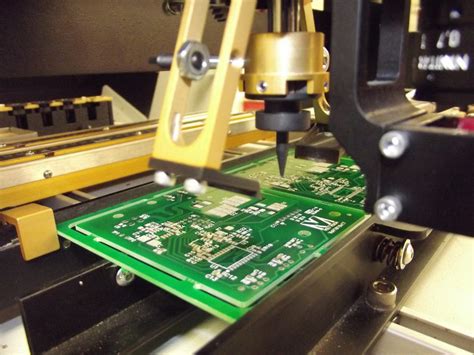
The integration of robotics in manufacturing processes, particularly in pcb assembly or pcba, has become pivotal in enhancing overall productivity and effectiveness. Intelligent automated solutions have revolutionized production lines by minimizing human intervention, which often leads to inconsistencies and errors. Robots are equipped with advanced sensors and vision systems that allow them to execute intricate tasks with exceptional precision. This shift not only streamlines the circuit board assembly process but also accelerates the pace of manufacturing, enabling companies to keep up with the burgeoning demand for electronic products.
A significant benefit of incorporating robotics is their ability to work collaboratively alongside human workers. This synergy allows for enhanced flexibility on the production floor, as robots can take over repetitive or hazardous tasks while humans focus on more complex problem-solving duties. The result is a safer work environment that maximizes human potential and minimizes risks.
Moreover, data collected from robotic systems can feed into broader manufacturing analytics tools, offering insights that could drive continuous improvement initiatives. For example, real-time monitoring can alert operators to discrepancies during the pcba process, allowing immediate corrective actions without halting production.
“Embracing robotics doesn’t just enhance productivity; it fundamentally alters how we think about manufacturing and what’s possible,” noted an industry expert at a recent symposium on automation in electronics.
As we observe the ongoing trends towards Industry 4.0, robotics will play an even more critical role in creating smarter manufacturing ecosystems. The shift towards automation is not merely a trend but a necessary evolution for companies aiming to remain competitive in the fast-paced electronics landscape. Companies that strategically invest in these technologies are well-positioned to lead the charge into a more automated future while ensuring their products meet rigorous quality standards.
| Benefit | Description |
|---|---|
| Efficiency | Automates repetitive tasks ensuring consistent output |
| Precision | Enhanced accuracy reduces error rates significantly |
| Flexibility | Collaborates with human workers to optimize workflows |
| Data Analytics | Provides real-time insights for process improvement |
In conclusion, as automation takes center stage in circuit board assembly operations, it is essential for manufacturers to continuously evolve and adapt their processes. The role of robotics will be fundamental in shaping an innovative future for electronics production across various sectors.
Advancements in Artificial Intelligence for Assembly Processes
The integration of artificial intelligence (AI) in pcb assembly processes marks a pivotal shift within the electronics manufacturing landscape. AI technologies enable adaptive learning and intelligent decision-making capabilities, optimizing each stage of the pcba workflow. For example, machine learning algorithms can analyze production data from previous assembly runs to identify patterns and predict potential failures before they occur. This proactive approach significantly minimizes downtime and enhances the reliability of pcb assembly operations. Furthermore, AI-assisted vision systems enhance quality control by swiftly identifying defects or misalignments on circuit boards that a human inspector might overlook. These advancements not only streamline the production process but also elevate precision, ensuring that each board meets rigorous quality standards. With the ongoing development of deep learning techniques, manufacturers can expect even greater improvements in automation accuracy and efficiency in pcba tasks. As technology evolves, the incorporation of AI into assembly processes presents an opportunity to reshape industry norms—transforming how electronic devices are produced and contributing to a sustainable future in electronics manufacturing.
Cost Reduction Strategies through Automation
In today’s ever-evolving electronics sector, cost reduction is a critical focus for manufacturers aiming to remain competitive. One of the most effective approaches to achieving this is through the implementation of automated circuit board assembly (PCBA). By leveraging state-of-the-art technology, companies can significantly streamline their pcb assembly processes, resulting in decreased labor costs and reduced material waste. Automation minimizes the potential for human error, ensuring that each step in the assembly process adheres to precise specifications. This not only enhances efficiency but also leads to consistent high-quality products that meet stringent industry standards. Furthermore, the integration of robotics and sophisticated machinery allows for rapid scaling of production, enabling manufacturers to respond promptly to market demands without incurring excessive additional expenses. With ongoing advancements in artificial intelligence, predictive maintenance becomes viable, thereby reducing downtime and prolonging equipment life. Ultimately, these strategies collectively foster an environment where savings are maximized without sacrificing quality or innovation in pcba manufacturing.
Enhancing Product Quality with Precision Technologies
The integration of precision technologies in pcb assembly processes has remarkably elevated standards for product quality in electronics manufacturing. By harnessing state-of-the-art tools and methods, manufacturers are capable of achieving unparalleled accuracy in placement and soldering, reducing the likelihood of defects that can compromise the overall functionality of electronic devices. Technologies such as automated optical inspection (AOI) and X-ray inspection offer comprehensive solutions to identify potential errors during the pcba process, allowing for immediate rectification before products reach the marketplace. The shift towards more sophisticated robotics further enhances this capability, as modern assembly lines employ smart machines that not only follow intricate patterns but also adapt in real time to variations in materials or component specifications. This adaptability is crucial for addressing the increasing complexity of today’s electronic designs, ensuring that even the tiniest components are placed with remarkable precision. Additionally, the implementation of big data analytics facilitates predictive maintenance and quality control throughout production stages, providing insights that enable manufacturers to refine their processes further. As industry standards continue to elevate, embracing these precision technologies will be vital for maintaining high quality and reliability in electronic products, ultimately contributing to customer satisfaction and brand loyalty.
Emerging Trends in Circuit Board Assembly
The landscape of pcb assembly is evolving rapidly, fostered by unprecedented advancements in technology and innovation. One significant trend transforming the industry is the integration of smart manufacturing concepts, where machine-to-machine communication and data analytics drive efficiency in the pcba processes. With real-time monitoring systems, manufacturers can optimize production flows, drastically reducing downtime and enhancing operational effectiveness. Additionally, the rise of flexible manufacturing systems allows for versatile assembly lines that can quickly adapt to varying product specifications, a crucial capability as consumer demands shift. Furthermore, advancements in robotics are enabling more collaborative environments where cobots (collaborative robots) work alongside human operators to achieve unprecedented precision and speed in assembly tasks. Adding to this mix are additive manufacturing techniques, which simplify the prototyping phase of circuits and allow for more complex designs that were previously difficult or impossible to produce using traditional methods. As these trends converge, they herald a new era for pcb assembly, where the focus shifts towards agility, responsiveness and customer-centric solutions that ensure high-quality outcomes while keeping pace with ever-growing market needs.
Case Studies: Success Stories in Automated Manufacturing
Throughout the electronic manufacturing landscape, numerous success stories illustrate the effectiveness of automated circuit board assembly (pcb assembly). Companies have adopted innovative practices that showcase how automation can streamline workflows and enhance productivity. For instance, a leading electronics manufacturer implemented advanced robotics in their pcba lines, resulting in a significant reduction in assembly time and labor costs while increasing output. This shift not only optimized their production processes but also allowed for greater scalability, enabling them to quickly adapt to fluctuations in market demand. Another notable case involved a small startup that integrated artificial intelligence into their inspection systems for pcb assembly. By leveraging machine learning algorithms, they improved defect detection rates and reduced waste during production. These examples highlight how businesses of all sizes are reaping the benefits of automation, fostering an environment where quality control and operational efficiency are seamlessly interconnected. As these case studies reveal, investing in automation technologies is not merely a trend but a roadmap to future-proofing manufacturing capabilities against an evolving market landscape.
Future Prospects: The Next Generation of Electronics Production
The future of pcb assembly is marked by a profound shift towards automation, which promises to revolutionize how electronic components are manufactured. As we embrace the next generation of electronics production, the integration of sophisticated robotics and artificial intelligence will play a pivotal role in enhancing the efficiency and speed of the pcba process. Not only will these advancements streamline workflows, but they will also facilitate a higher degree of precision, reducing human errors that often plague traditional manufacturing methods. Furthermore, as companies invest in smart factories equipped with cutting-edge technology, we can anticipate a significant reduction in production costs while simultaneously elevating product quality to new heights. Emerging technologies such as machine learning and predictive analytics will empower manufacturers to anticipate market demands, allowing them to better align their supply chains with customer needs. In this rapidly evolving landscape, pcb assembly will not just be about meeting current demands but also pioneer new possibilities in design and functionality, ensuring that manufacturers remain competitive in an era defined by innovation and rapid change. The synergistic relationship between technology and manufacturing processes signifies an exciting future where the potential for growth and advancement is virtually limitless.
Conclusion
As we conclude our exploration into the realm of automated circuit board assembly, it is clear that the evolution of pcb assembly processes heralds a new era for electronics manufacturing. The integration of robotics and advanced technologies, including artificial intelligence, has fundamentally shifted how pcba is approached in modern production environments. These innovations not only streamline operations but also drastically enhance both efficiency and precision, allowing manufacturers to produce high-quality products while significantly reducing costs. The changes we have discussed are not merely incremental; they represent a profound transformation that will influence the industry for years to come. Furthermore, as emerging trends continue to shape the landscape, businesses that adapt to these advancements will likely maintain a competitive edge in an ever-evolving market. Embracing these technologies will be crucial as companies look to meet rising consumer demands and navigate the complexities of this digital age, ensuring that their pcb assembly operations remain at the forefront of innovation and productivity.
Frequently Asked Questions
In the realm of pcb assembly, questions often arise regarding the efficiency, costs, and technologies involved in the process. Many seek to understand how pcba can enhance productivity while maintaining high standards for quality. One common inquiry is about the role of robotics in modern manufacturing; these machines not only increase speed but also accuracy, significantly reducing human error. Additionally, businesses frequently ask how artificial intelligence contributes to pcb assembly; AI systems can analyze vast amounts of data, optimizing production workflows and anticipating potential issues before they arise. Furthermore, the concern over costs is prevalent. Many manufacturers are keen to learn how transitioning to automated processes can lead to substantial savings in production costs without sacrificing quality. As automation continues to evolve, these inquiries illuminate the benefits and challenges that accompany the shift towards more sophisticated pcba solutions. For those interested in a deeper exploration of this topic and its implications for manufacturing, please click here: Andwin PCB Assembly.