Revolutionizing Electronics: The Rise of Automated PCB Manufacturing
Key Takeaways
The rise of automated PCB manufacturing is significantly transforming the electronics industry by driving advancements in efficiency, precision, and scalability. Through technological innovations such as automated PCB assembly and PCBA, production processes are becoming more streamlined, yielding significant cost reductions and enhancing design capabilities. These improvements are not only reducing production times but also ensuring higher quality and consistency in the final products. By embracing automation, manufacturers can achieve larger-scale production with greater ease, setting new standards for the industry. This evolution is crucial as it enables companies to meet the growing demand for sophisticated electronic devices while maintaining competitive advantages.
Introduction to Automated PCB Manufacturing
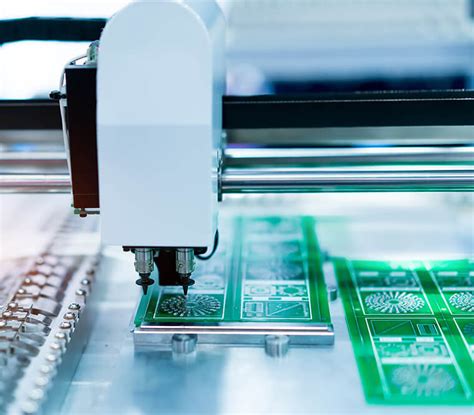
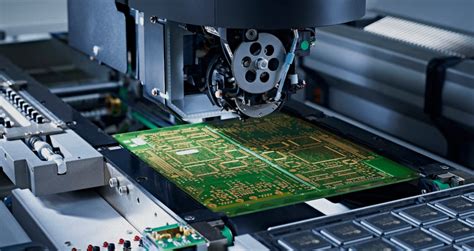
In recent years, the field of automated PCB manufacturing has experienced significant growth, transforming the way printed circuit boards (PCBs) are produced. This evolution stems from integrating advanced technologies such as robotics and machine learning, which have drastically improved both efficiency and accuracy in PCB assembly. As a result, manufacturers can now produce PCBAs with higher precision, reduced error rates, and faster turnaround times.
Efficiency is at the heart of these advancements, allowing for streamlined production processes that minimize human intervention and maximize output. Moreover, automation has enabled more complex designs to be realized with ease, paving the way for innovative electronic devices. Tables summarizing these benefits highlight how automation impacts various aspects of manufacturing:
| Benefit | Impact |
|---|---|
| Increased Precision | Minimizes production errors and defects |
| Enhanced Efficiency | Speeds up assembly processes through automation |
| Cost Reduction | Lowers labor costs and reduces material wastage |
| Scalability | Facilitates large-scale production to meet market demands |
| Advanced Design Capabilities | Supports the creation of more intricate and high-performance PCBAs |
With the ongoing advancements in automation technology, it is evident that the electronics industry is on the cusp of unprecedented growth. Manufacturers who adopt these technologies are well-positioned to set new standards in quality and performance within the electronic device market.
Technological Advancements in PCB Automation
The integration of automated PCB manufacturing has brought forth a wave of technological advancements that are reshaping the pcb assembly landscape. Modern PCBA processes benefit from cutting-edge innovations such as robotic arms, advanced sensors, and artificial intelligence. These technologies enable unprecedented levels of efficiency and precision, allowing for the production of complex printed circuit boards with minimal human intervention. High-resolution imaging and real-time data analytics further enhance the quality control measures, ensuring each board meets stringent specifications. Additionally, machine learning algorithms are being employed to optimize the design and layout stages, reducing the likelihood of errors and speeding up time-to-market. The implementation of these advancements is not only boosting productivity but also setting new benchmarks for what is achievable in electronic device manufacturing.
Efficiency and Precision in Modern PCB Production
The integration of automated PCB manufacturing systems has significantly elevated both efficiency and precision in the production of printed circuit boards. With automation, the intricate process of PCB assembly—which includes placing components, soldering, and testing—has been streamlined, leading to remarkable improvements in manufacturing workflows. These automated systems utilize advanced robotics and PCBA technologies to handle complex tasks with an unprecedented level of accuracy.
“Automation in PCB production not only reduces human error but also ensures consistent quality across large quantities of boards.”
Moreover, automated equipment allows for continuous production cycles, drastically reducing downtime and accelerating overall throughput. This continuity is pivotal for meeting the stringent demands of modern electronics manufacturing, where time-to-market is a critical factor. The precision afforded by automation ensures that every board produced adheres to exact specifications, thus minimizing rejection rates and waste.
Additionally, advanced sensors and software algorithms enable real-time monitoring and adjustments during the PCB assembly process. This capability ensures that any deviations from the desired parameters are immediately corrected, thereby maintaining high standards of quality.
In conclusion, the rise of automated PCB manufacturing represents a significant technological leap forward. By enhancing efficiency and precision through state-of-the-art PCBA systems, manufacturers can achieve greater productivity while maintaining superior quality standards—ultimately setting new benchmarks in the electronics industry.
Cost Reduction through Automation
The integration of automated PCB manufacturing has significantly lowered production costs by streamlining the entire process. By implementing sophisticated machinery and robotic systems, PCB assembly (PCBA) can be completed with minimal human intervention, thereby reducing labor costs. These automated systems enhance precision and speed up production cycles, resulting in higher throughput and lower per-unit costs. Additionally, automation minimizes errors and defects, which decreases the need for costly reworks and waste management. The efficiencies gained from automated PCB manufacturing also extend to inventory management, as real-time data allows for better forecasting and more efficient use of materials. Overall, the transition to automated systems in PCB production not only slashes operational expenses but also boosts overall productivity.
Enhanced Design Capabilities with Automated Systems
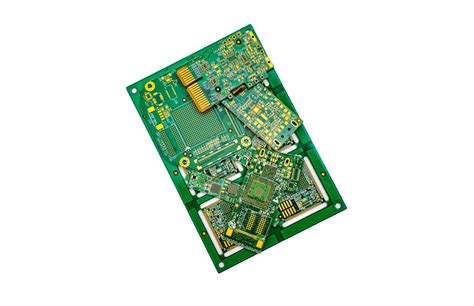
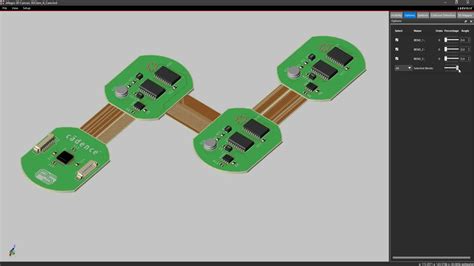
The integration of automated systems in pcb assembly has resulted in remarkable advancements in design capabilities. Automated PCB manufacturing enables engineers to push the boundaries of what is possible, allowing the creation of more intricate and complex designs with greater ease and accuracy. One significant benefit is the ability to perform iterative design changes swiftly without disrupting the production process, thus enhancing the overall flexibility in pcba projects. These automated systems also integrate sophisticated software tools that assist in layout optimization, ensuring that each component is placed with utmost precision. This leads to improved signal integrity and minimized interference, which are crucial for high-performance electronic devices. By leveraging advanced algorithms and real-time feedback systems, automated designs consistently meet or exceed stringent quality standards. Furthermore, automation supports the efficient handling of multi-layered PCBs, which are increasingly common in modern electronics, thereby setting new benchmarks in electronic device innovation.
Scalability and Large-Scale Production
The transition to automated PCB manufacturing has markedly transformed how large-scale production is approached in the electronics industry. By leveraging advanced robotics and precision technology, manufacturers can achieve unparalleled levels of accuracy and repeatability in the pcb assembly process. This automation facilitates high-volume production runs without sacrificing quality, ensuring consistent output. Moreover, the flexibility of automated systems allows for rapid reconfiguration, accommodating different design requirements and production schedules with ease. As a result, the capability to scale operations efficiently becomes a significant competitive advantage, reducing time-to-market for new products and enabling companies to meet increasing global demand. The incorporation of pcba technology further streamlines processes by integrating component placement and soldering into a seamless workflow. This not only enhances overall productivity but also reduces the likelihood of errors associated with manual intervention, setting new benchmarks for quality assurance in electronic manufacturing.
Setting New Standards in Electronics Manufacturing
The integration of automated PCB manufacturing is redefining the standards within the electronics industry. This transformation is driven by innovative technologies that offer unprecedented levels of efficiency, precision, and scalability in printed circuit board production. Automated systems have enabled significant advancements in PCB assembly (PCBA), allowing for more intricate designs and reducing human error. By minimizing manual intervention, manufacturers can achieve consistent quality and reliability, which is critical for modern electronic devices. Furthermore, the use of state-of-the-art automation tools reduces production costs while maintaining high standards of performance, making advanced electronics more accessible and affordable. This shift towards automation is setting a new benchmark for excellence, driving the industry forward with enhanced design capabilities and faster production cycles. As a result, automated PCB manufacturing is not just a trend but a pivotal revolution that is shaping the future of electronics manufacturing.
Future Trends and Innovations in PCB Automation
The future of PCB automation holds immense potential, driven by continuous technological advancements. One major trend is the integration of artificial intelligence (AI) and machine learning, which are enhancing the efficiency and precision of PCB assembly processes. These technologies enable automated systems to self-optimize, predict maintenance needs, and reduce human error. Another innovation is the use of 3D printing in PCBA manufacturing, which allows for rapid prototyping and customization of circuit boards. Additionally, the development of advanced materials and electronic components is paving the way for more robust and flexible designs. The shift towards greener manufacturing processes is also noteworthy, as companies adopt eco-friendly materials and energy-efficient methods to meet sustainability goals. Furthermore, advancements in connectivity technologies such as the Internet of Things (IoT) are driving new standards for communication between automated machines on the production floor. These trends not only improve scalability but also set new benchmarks for cost reduction and enhanced design capabilities in PCB production.
Conclusion
The integration of automated PCB manufacturing systems has undeniably revolutionized the electronics industry. By embracing automation, manufacturers are achieving remarkable strides in efficiency, precision, and scalability. This transformation is not limited to production processes alone but extends to design capabilities, offering a more refined approach in creating intricate and reliable PCBs. The adoption of PCB assembly (PCBA) techniques further underscores the synergy brought by automation, drastically reducing production costs while enhancing output quality. As the industry continues to evolve, it’s evident that automated PCB manufacturing is setting new benchmarks, paving the way for a future where electronic device production is more streamlined and innovative than ever before.
FAQs
Q: What is automated PCB manufacturing?
A: Automated PCB manufacturing refers to the use of advanced machinery and technology to produce printed circuit boards with minimal human intervention. This process enhances precision, efficiency, and scalability in PCB production.
Q: How does automation improve PCB design capabilities?
A: Automation allows for more complex and innovative designs by leveraging computer-aided design (CAD) tools, which can handle intricate pcb assembly. This results in reduced errors and faster development cycles, ultimately leading to superior product quality.
Q: What cost benefits can companies expect from automated PCBA systems?
A: Companies can significantly lower production costs through automated PCBA systems due to reduced labor expenses, minimized material wastage, and optimized resource allocation. These savings enable more competitive pricing and higher profit margins.
Q: How does automation ensure scalability in PCB manufacturing?
A: Automated systems can rapidly adjust to different production volumes without compromising on quality. This scalability is crucial for meeting the demands of large-scale operations and flexible manufacturing environments.
Q: What are the future trends in automated PCB manufacturing?
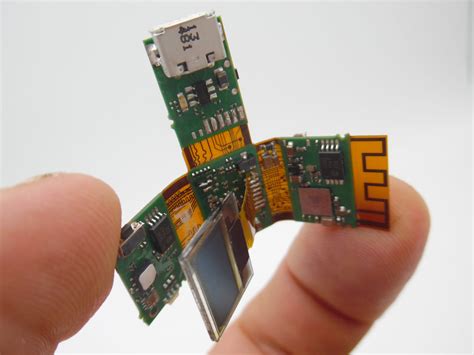
A: Future trends include integration of artificial intelligence (AI) for even greater optimization, adoption of flexible PCBs, and advancements in materials that enable more robust and versatile electronics. These innovations will further revolutionize the industry.
Explore our advanced PCBA solutions
For more information on how automated PCB assembly can benefit your business, please click here: AndwinPCB Assembly.