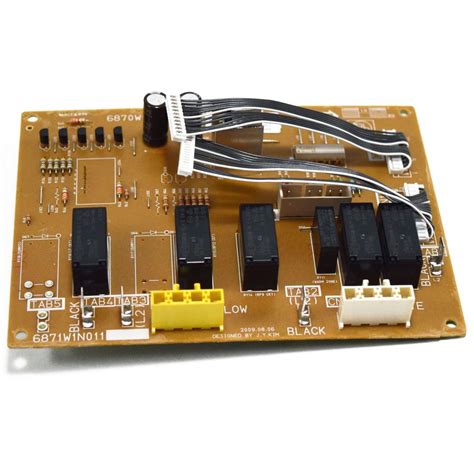
Revolutionizing Manufacturing: The Future of Automated Circuit Board Assembly
Key Takeaways
The landscape of pcb assembly is undergoing a profound transformation driven by various advancements in technology. Automated circuit board assembly (ACBA) is becoming increasingly prominent, showcasing its potential to enhance efficiency, precision, and scalability in manufacturing processes. By integrating sophisticated machinery and software, manufacturers can achieve more consistent production quality while significantly lowering the likelihood of human error. Furthermore, the transition to automation in pcba leads to notable cost reductions, as companies can minimize labor costs and allocate resources more effectively. This shift also paves the way for faster production cycles, enabling businesses to meet market demands with agility. Moreover, emerging trends, such as the integration of artificial intelligence and machine learning into manufacturing systems, are poised to further revolutionize automated assembly techniques. These innovations not only improve workflow but also provide valuable data insights, helping businesses adapt to changing needs. As the industry continues to evolve, staying informed about these developments will be crucial for manufacturers looking to maintain a competitive edge in the global electronics market.
The Evolution of Automated Circuit Board Assembly
The journey of automated circuit board assembly (PCBA) has been marked by significant technological advancements that continuously enhance the efficiency and precision of production processes. Initially, PCB assembly relied heavily on manual labor, making it both time-consuming and prone to errors. However, as manufacturing needs evolved, so too did the methods employed in assembling circuit boards. Over the past few decades, innovations such as surface mount technology (SMT) have played a pivotal role in increasing component density and optimizing space on circuit boards.
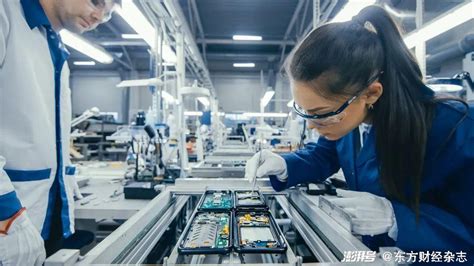
Moreover, the introduction of robotics in the pcba process has transformed how manufacturers approach assembly lines. These robotic systems not only streamline production but also contribute to consistent quality by reducing human error—ensuring that every component is placed with remarkable accuracy. The integration of automated visual inspection systems further enhances reliability by providing real-time feedback during the manufacturing process.
To illustrate this evolution more clearly, consider the following comparison table that outlines key advancements over the years:
| Year | Technology | Impact on PCBA |
|---|---|---|
| 1980s | Manual assembly | High labor costs, inefficiency |
| 1990s | Introduction of SMT | Increased density, faster production |
| 2000s | Use of robotics | Higher accuracy, lower error rates |
| 2010s | Automated inspection | Consistent quality assurance |
| 2020s | AI integration in manufacturing | Predictive maintenance & optimization |
This evolution is not just about technology; it reflects a broader shift towards intelligent manufacturing practices where response times are shortened and production scales seamlessly with demand. As we look ahead, it’s clear that automated processes in pcb assembly will continue to redefine industry standards and pave the way for an even more sophisticated electronic manufacturing landscape.
Key Technologies Driving Automation in Manufacturing
The shift towards automated circuit board assembly (PCBA) is revolutionizing the landscape of manufacturing, primarily through the integration of innovative technologies. One of the most significant advancements is the use of robotics, which enhances speed and accuracy in PCBA processes. These robots are designed to handle complex tasks, such as soldering and placement of electronic components, with incredible precision, minimizing both human error and labor costs. Additionally, machine vision systems have become instrumental in ensuring quality control during the manufacturing process. By utilizing high-resolution cameras and advanced algorithms, these systems can detect defects that would otherwise go unnoticed by human inspectors.
Furthermore, the implementation of Artificial Intelligence (AI) is driving efficiencies in production lines. AI algorithms analyze data from previous assembly processes to optimize workflows continuously and predict potential failures before they occur. This results in increased uptime and ultimately contributes to a more streamlined production cycle. Another crucial technology fueling this transformation is Internet of Things (IoT) connectivity. IoT-enabled devices facilitate real-time monitoring and control over manufacturing equipment, allowing for swift adjustments to be made as needed.
The combined effect of these technologies not only reduces cycle times but also enhances the scalability of pcb assembly operations. As manufacturers adopt these advanced solutions, they position themselves for future growth while meeting the increasing demand for high-quality electronic products. Embracing such innovations paves the way for a more efficient and reliable production environment that can adapt to changing market needs swiftly.
Benefits of Automated Assembly: Efficiency and Precision
The integration of automated systems in pcb assembly processes has significantly transformed the landscape of manufacturing within the electronics sector. One of the primary advantages of automation is the enhanced efficiency it brings to production lines. Automated machines operate at a higher speed compared to manual assembly, allowing for increased output in shorter timeframes. This rapid pace not only boosts production rates but also contributes to greater consistency in quality. In terms of precision, automated circuit board assembly utilizes advanced technologies that guarantee accuracy in component placement and soldering, which ultimately reduces the likelihood of defects that can arise from human error. The use of pcba technology also facilitates better alignment and measurement capabilities, ensuring that each circuit board meets strict quality standards. As factories adopt these automated solutions, they experience reduced labor costs and a minimized loss due to inaccuracies, leading to a more streamlined and economically viable manufacturing process. The convergence of efficiency and precision through automation not only plays a crucial role in enhancing output but also sets the foundation for innovation and growth within the electronics industry.
Cost Reduction and Error Minimization in Circuit Board Production
In the realm of pcb assembly, the integration of advanced automation technologies has brought significant cost reduction and enhanced accuracy to production processes. Traditional methods often involved labor-intensive tasks that not only increased operational expenses but also introduced a higher likelihood of human error. By adopting automated circuit board assembly (PCBA) systems, manufacturers can streamline workflows, ensuring that components are placed with precision and consistency. The automation of repetitive tasks minimizes the chances of mistakes that can lead to costly reworks or product failures. Moreover, integrated inspection systems can identify defects in real-time, allowing for immediate corrections before products reach the market. As a result, companies not only save on labor costs but also improve their overall productivity and product reliability. This dual benefit underscores the growing trend towards automated assembly in electronics manufacturing, positioning businesses to remain competitive in an ever-evolving market landscape. Ultimately, these advancements not only bolster profit margins but also enhance customer satisfaction by delivering high-quality pcba solutions efficiently.
Emerging Trends Shaping the Future of PCB Assembly
The landscape of PCB assembly is rapidly evolving, influenced by a myriad of technological advancements and changing market demands. One notable trend is the integration of artificial intelligence (AI) and machine learning into automated circuit board assembly processes. These technologies are enhancing the ability to predict and identify defects in real-time, thus improving overall quality control in PCBA operations. Additionally, the rise of Industry 4.0 is pushing manufacturers towards a more interconnected production environment, where data analytics can drive efficiency and optimize workflows.
Another significant trend is the increasing emphasis on sustainability within manufacturing. As eco-conscious practices gain traction, companies are adopting greener technologies and materials that reduce waste throughout the circuit board production process. This shift not only meets regulatory requirements but also appeals to consumers who prioritize sustainable products.
Moreover, as consumer demand for smaller, more complex electronic devices rises, the industry is adapting through advancements in miniaturization techniques. This development leads to enhanced capabilities within PCB assembly, allowing manufacturers to produce more compact designs without compromising functionality.
“Embracing these emerging trends will ultimately empower manufacturers to stay competitive in an ever-evolving market,” suggests an industry expert. By harnessing innovative technologies while focusing on sustainability and adaptability, companies can redefine their manufacturing processes for a brighter future in electronics.
In conclusion, recognizing these trends will be crucial for businesses looking to thrive in a landscape where efficiency, quality, and environmental responsibility are paramount. As such, organizations must remain vigilant and proactive in their approach to adopting new practices that will shape the future of automated circuit board assembly.
Expert Insights: What the Future Holds for Manufacturing
As the landscape of manufacturing continues to evolve, automated circuit board assembly (PCB assembly) is poised to play a pivotal role in shaping the future of production processes. Experts in the field suggest that the integration of advanced technologies will not only enhance the efficiency of production lines but also significantly increase the precision of assemblies. This transformation is largely driven by innovations such as robotics, artificial intelligence, and machine learning, which facilitate greater flexibility in pcba operations. As these technologies mature, we can anticipate a shift towards more streamlined workflows that minimize manual intervention, allowing for faster response times and adaptability to varying market demands. Furthermore, with sustainability becoming an increasingly vital aspect of manufacturing, automated assembly processes are expected to embrace eco-friendly practices and materials, reducing waste and energy consumption. This evolution will not only redefine manufacturing standards but also place a premium on quality assurance and customer satisfaction. In summary, as we look ahead, automated pcb assembly will be at the forefront of modern manufacturing strategies, heralding a new era where speed meets sustainability without compromising on excellence.
Case Studies: Successful Implementations of Automated Assembly
The world of pcb assembly has seen remarkable transformations through the successful integration of automated assembly techniques. One notable case study is that of a prominent electronics manufacturer that implemented a state-of-the-art automated circuit board assembly line, significantly enhancing their production capacity. This facility incorporated advanced robotics and AI-driven systems that not only optimized the pcba process but also ensured unparalleled precision in component placement. As a result, the company reported a reduction in production time by over 30%, showcasing the ability of automation to accelerate time-to-market while maintaining high standards of quality.
In another instance, a mid-sized firm specializing in consumer electronics adopted flexible automation solutions for their pcb assembly operations. This shift allowed them to easily reconfigure production lines for different product models without extensive downtime, demonstrating how automation can cater to varying market demands efficiently. Their investment in automated assembly technologies yielded significant savings in labor costs and reduced error rates, which are commonplace in manual processes.
These case studies underscore how automated assembly not only streamlines operations but also sets new benchmarks for efficiency and productivity in the industry, paving the way for future innovations in pcba manufacturing processes.
The Impact of Automation on the Electronics Industry
The rise of automated circuit board assembly (PCB assembly) has profoundly impacted the electronics industry, ushering in a new era characterized by increased efficiency and precision. As manufacturers integrate automation technologies into their production lines, the scalability of pcba processes has significantly improved, allowing for consistent and rapid output. This shift not only enhances operational productivity but also contributes to substantial reductions in labor costs. Furthermore, the integration of advanced robotics and smart manufacturing systems minimizes human error, ensuring that products meet stringent quality standards. The ability to quickly adapt to design changes and customize production runs is another crucial advantage offered by automation, making it easier for companies to respond to evolving market demands. As the industry continues to embrace these innovations, it is clear that the impact of automation on PCB assembly will redefine traditional manufacturing practices and set new benchmarks for excellence in the electronics sector.
Conclusion
In summary, the world of automated circuit board assembly (PCBA) is undergoing a significant transformation, driven by innovative technologies and strategic advancements. As manufacturers increasingly embrace automation, the focus has shifted towards enhancing efficiency and precision within the production environment. The ability to reduce labor costs while minimizing human error is revolutionizing how PCB assembly lines are operated. Moreover, emerging trends indicate a strong inclination towards integrating smart technologies, such as artificial intelligence and machine learning, into the PCB manufacturing process. These developments not only streamline production but also facilitate customization and adaptability in an ever-evolving market. As case studies reveal successful implementations of automated systems across various facilities, it’s clear that the future of the electronics industry is poised for remarkable improvements in both productivity and quality through automated solutions in circuit board assembly. In essence, the continuous evolution of PCBA marks a critical turning point for manufacturers striving to maintain competitiveness in an increasingly complex landscape.
FAQs
As the landscape of pcb assembly evolves, many individuals and organizations have questions regarding the implications and practical applications of automated circuit board assembly (PCBA). One common inquiry is about the specific technologies that facilitate automation in this field. Recent advancements include technologies such as robotic arms, vision systems for inspection, and software tools for process optimization. Additionally, potential users are often concerned about the cost-effectiveness of implementing automated systems. While the initial investment may seem significant, the long-term savings associated with reducing labor costs and minimizing production errors can lead to substantial financial benefits.
Another frequent question pertains to the scalability of automated assembly solutions. Companies looking to expand their operations can utilize automation to streamline production processes without compromising quality, catering to increased demand effectively. Many also wonder about the sustainability aspect of automation; by improving precision and efficiency in pcb assembly, automation can contribute to a reduction in material waste and energy consumption.
For those looking for detailed information on implementing pcba processes in modern manufacturing environments, experts from various sectors have shared their insights on future trends that indicate a growing reliance on automation and smart technologies. Overall, understanding these facets is essential for businesses aiming to adopt automated solutions in their operations effectively.