Revolutionizing Modern Manufacturing: The Rise of SMT Assembly Techniques
Key Takeaways
Revolutionizing the manufacturing landscape, Surface Mount Technology (SMT) has introduced a new era of efficiency and precision. One of the most significant benefits of SMT is its capability to enhance pcb assembly processes, thereby optimizing production lines. The incorporation of automation in SMT assembly not only reduces manual labor but also ensures consistency and reliability, resulting in fewer defects and improved product quality. Miniaturization is another critical aspect that has driven the popularity of SMT, enabling the production of more compact and multifunctional devices. Furthermore, the overall reduction in production costs makes pcba an economically viable option for manufacturers. As industries increasingly adopt SMT techniques, they witness a substantial increase in efficiency and product reliability. This transformative approach continues to shape the future of electronics manufacturing.
Introduction to Surface Mount Technology (SMT)
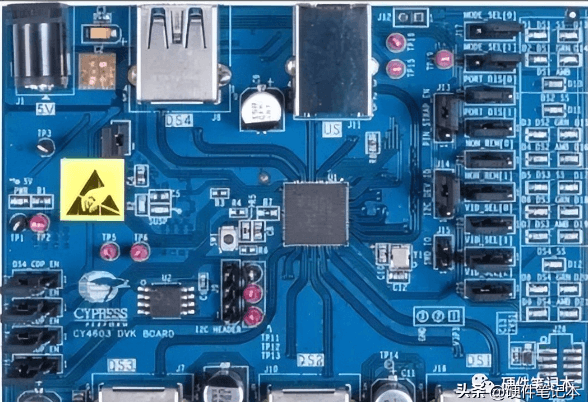
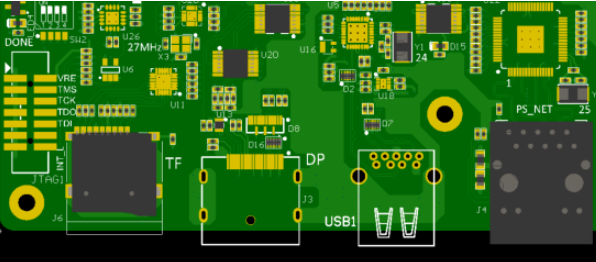
Surface Mount Technology (SMT) has brought a revolutionary shift in electronics manufacturing by enabling compact, complex circuit designs. Unlike traditional through-hole technology, which requires extensive drilling and manual placement, SMT allows components to be directly mounted onto the surface of printed circuit boards (PCBs). This technique significantly enhances the pcb assembly process, offering several advantages such as increased automation, improved reliability, and reduced production costs.
The essence of SMT lies in its ability to support miniaturization while maintaining high performance and durability. This is particularly vital in today’s market, where devices are becoming smaller yet more powerful. Furthermore, SMT facilitates higher component density on a PCB, enabling more sophisticated designs within limited space. The automation capabilities of SMT lead to faster production cycles and consistent quality, which are crucial for meeting the high demands of modern electronics markets.
The integration of advanced pcba techniques has also led to significant improvements in manufacturing flexibility. Customization options have expanded, allowing for tailored solutions that meet specific requirements across various industries. Additionally, the streamlined processes associated with SMT significantly reduce the likelihood of human errors during assembly, further enhancing product reliability.
By looking at the broader picture, it’s evident that the rise of SMT is not just a trend but a transformative approach that redefines how electronic products are conceived and built. As we delve deeper into this technology’s aspects in this article, it becomes clear why SMT stands at the forefront of modern manufacturing innovations.
Evolution of SMT Assembly Processes
The ## Evolution of SMT Assembly Processes has marked a significant shift in pcb assembly techniques, transitioning from traditional through-hole methods to more advanced Surface Mount Technology (SMT). This change has been driven by the need for more compact and lightweight electronic devices, paving the way for innovations that have revolutionized electronics manufacturing. Initially, the industry faced challenges in adopting SMT due to the requirements for new equipment and redesigning circuits, but its benefits have far outweighed these initial hurdles. With improvements in precision machinery and automation, SMT has drastically reduced manual interventions, resulting in higher consistency and reliability in pcba production. Additionally, the increased precision has facilitated greater component density on circuit boards, supporting the trend toward miniaturized electronics without compromising performance. Consequently, this evolution has not only enhanced manufacturing efficiency but also significantly lowered production costs and improved product reliability. Today, SMT is a cornerstone in modern electronics production, continuously evolving to meet the demands of an ever-changing technological landscape.
Advantages of SMT in Modern Manufacturing
Surface Mount Technology (SMT) has revolutionized modern manufacturing by offering a multitude of benefits that enhance efficiency and cut costs. With the capabilities of pcb assembly and pcba processes, SMT has become a preferred choice for many manufacturers. One significant advantage is the reduction in production time; SMT allows for quicker assembly due to its automated process, enabling high-speed production lines.
Moreover, SMT’s ability to handle smaller and more intricate components leads to higher precision and less human error, which ultimately improves product reliability. These systems also support miniaturization, allowing electronics to become more compact without compromising performance. This is particularly important in industries such as consumer electronics and aerospace, where space-saving designs are crucial.
“The integration of advanced automation technologies in SMT has drastically reduced manual labor costs,” says an industry expert. “This not only drives down production expenses but also ensures consistent quality across batches.”
Another benefit is the increased flexibility in design and manufacturing processes. SMT equipment can be easily reconfigured to cater to different types of products or design requirements, making it highly adaptable to market changes or custom orders.
In summary, Surface Mount Technology transforms the landscape of electronics manufacturing by enhancing speed, precision, reliability, and adaptability while significantly reducing production costs. This makes it a pivotal technology in today’s fast-paced manufacturing environment.
Key Technological Advancements in SMT Automation
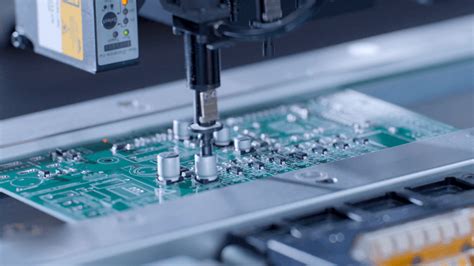
Surface Mount Technology (SMT) has undergone significant transformations, particularly with the integration of automation. Key advancements in SMT automation have propelled pcb assembly processes to new heights, enhancing productivity and precision. Automated machines, such as Solder Paste Printers and Pick-and-Place systems, streamline the assembly of pcba by accurately placing components on printed circuit boards (PCBs). The introduction of Automated Optical Inspection (AOI) systems ensures high quality by detecting defects in real-time. Furthermore, advancements in robotics have led to higher speeds and greater flexibility in handling various component sizes and shapes. These technological innovations not only reduce manual labor but also minimize errors, thus boosting overall efficiency and reliability in electronics manufacturing.
The Role of Miniaturization in SMT
Miniaturization has become a pivotal aspect of Surface Mount Technology (SMT), fundamentally transforming how electronic components are designed and manufactured. With the ongoing demand for more compact and efficient electronic devices, the industry has embraced SMT assembly techniques that allow for smaller components to be placed on pcbs (Printed Circuit Boards) with greater precision. This progression not only optimizes space utilization but also enhances the performance and functionality of electronic products. The trend towards miniaturization facilitates lighter, more portable devices without compromising on power or capability. Moreover, these advancements have led to significant improvements in pcba (Printed Circuit Board Assembly) processes, ensuring higher reliability and durability of end-products. The drive for miniaturization in SMT is further propelled by sophisticated automation technologies, which ensure high-speed, accurate placements that were previously unattainable with traditional through-hole methods. Thus, the integration of miniaturized components via SMT is integral to the continued innovation and evolution within modern electronics manufacturing.
Cost Efficiency and Product Reliability Improvements with SMT
Implementing Surface Mount Technology (SMT) in pcb assembly has brought significant cost efficiency and enhanced product reliability in modern electronics manufacturing. The streamlined processes inherent to SMT allow for faster production times, reducing labor costs and minimizing material wastage. This efficiency is further bolstered by the automation of assembly lines, which ensures consistent quality and reduces the risk of human error in pcba processes. Furthermore, SMT‘s ability to handle smaller components enables the production of more compact, reliable, and higher-performing devices. This aspect of miniaturization not only saves on space but also enhances the overall durability of the electronics produced. As a result, manufacturers are able to offer high-quality products at competitive prices, fostering a robust market presence while simultaneously meeting consumer demands for reliable and affordable electronics.
Case Studies: Successful Implementation of SMT in Electronics Production
Examining pcb assembly across various industries, notable companies have harnessed the advantages of Surface Mount Technology (SMT) to streamline their production lines. For instance, in the telecommunications sector, a leading manufacturer dramatically improved its output efficiency by integrating automated SMT processes, thereby significantly cutting down on manual labor and human error. In a different case, an automotive electronics firm enhanced its pcba quality and reliability by adopting SMT to handle high-frequency components with improved precision. Similarly, consumer electronics giants have utilized SMT to achieve unprecedented levels of device miniaturization and complexity while maintaining cost efficiency. These successes underscore how the strategic implementation of SMT assembly not only boosts productivity but also aligns with modern manufacturing demands for quality and innovation.
Future Trends and the Continued Impact of SMT on Manufacturing
As we look to the future, the evolution of Surface Mount Technology (SMT) assembly techniques continues to promise significant advancements in modern manufacturing. One of the most notable trends is the increased integration of artificial intelligence and machine learning into SMT automation processes, enhancing precision and reducing error rates. Additionally, there is a growing demand for even further miniaturization of components, making them ideal for the ever-shrinking devices consumers favor today. This trend particularly appeals to sectors such as medical devices and wearable technology, where compactness is crucial.
With environmental sustainability becoming a pressing concern, manufacturers are also exploring eco-friendly PCB assembly methods and materials to minimize waste and energy consumption. This endeavor not only aligns with global sustainability goals but also often results in cost savings over time due to more efficient production processes.
Another key development is the design flexibility enabled by advancements in PCBA techniques. Engineers can now design more complex circuits with a higher component density without sacrificing reliability or performance. This flexibility allows for innovative product designs and functions that were previously unattainable.
Lastly, as global supply chains adapt to ever-changing demands, SMT assembly techniques are continuously evolving to provide rapid scalability and adaptability. This means that manufacturers can quickly pivot production lines in response to market demands without significant downtime or retooling costs.
Overall, the continued impact of SMT on manufacturing is profound, offering enhanced efficiency, cost-effectiveness, and new possibilities in product design that are instrumental in shaping the future of electronics production.
Conclusion
The widespread adoption of Surface Mount Technology (SMT) has undeniably revolutionized modern manufacturing, particularly within the pcb assembly sector. By leveraging SMT assembly techniques, manufacturers have markedly boosted efficiency, reduced costs, and significantly enhanced product reliability. The drive toward miniaturization and the incorporation of advanced automation technologies have further solidified SMT’s pivotal role in the electronics industry. As we move forward, continued advancements in SMT will likely steer the future of pcba, ensuring the ongoing evolution and success of electronics production. Through these transformative processes, manufacturing not only meets the present demands but is also well-prepared to tackle future challenges with innovative precision and robust efficiency.
FAQs
Q: What is Surface Mount Technology (SMT)?
A: Surface Mount Technology (SMT) is a method used in the production of electronic circuits where the components are mounted directly onto the surface of printed circuit boards (PCBs). SMT assembly allows for higher component density and more efficient use of space compared to traditional through-hole methods.
Q: How does SMT improve production efficiency in electronics manufacturing?
A: SMT assembly enhances production efficiency through automation, allowing high-speed placement of components. This reduces the likelihood of human error, speeds up manufacturing times, and increases overall throughput.
Q: Are there any cost-saving benefits associated with SMT assembly?
A: Yes, integrating SMT into your manufacturing process can significantly reduce costs. The automation involved in Surface Mount Technology lowers labor costs and minimizes material waste. Additionally, the compact nature of SMT components reduces shipping and storage expenses.
Q: What advancements have been made in SMT automation?
A: Recent advancements have focused on improving robotic systems for precise component placement and soldering. Enhanced vision systems ensure accuracy and quality control, while innovative software solutions streamline the entire PCB assembly (PCBA) process.
Q: Can SMT improve product reliability?
A: Absolutely. With better connections and fewer mechanical stresses on components, products assembled with SMT demonstrate higher reliability and longer lifespans. This technology minimizes issues related to connection failures that are more common in traditional methods.
Q: Why is miniaturization important in modern electronics manufacturing?
A: Miniaturization allows for the creation of smaller, more powerful electronic devices. Through SMT, manufacturers can incorporate more functionality into compact designs, meeting consumer demand for portable and wearable technology.
Learn More About PCB Assembly
For those interested in exploring how PCB assembly can benefit your production line further, please click here to gain additional insights into state-of-the-art PCBA processes.