Revolutionizing PCB Production with Additive Manufacturing Techniques
Key Takeaways
In the evolving landscape of PCB manufacturing, you may find yourself intrigued by how additive manufacturing is not just a trend but a transformative force in the industry. The integration of 3D printing techniques into PCB manufacturing processes dramatically enhances your ability to create complex circuit designs that were previously unattainable with traditional methods. This transformation allows you to experiment with more innovative designs, meeting the demands of shrinking dimensions and increasing functionality in electronic devices. Furthermore, the speed of production is notably enhanced; you can reduce turnaround times significantly, which is crucial for maintaining competitiveness among PCB manufacturing companies. The cost implications are equally compelling; by employing these advanced techniques, you stand to lower your overall PCB manufacturing cost, which can have a positive ripple effect on your PCB manufacturing business. These advancements also improve flexibility in prototyping and design alterations, allowing for faster iterations that align closely with customer requirements. Embracing these changes positions you at the forefront of innovation in PCB production—an essential step toward sustainability and efficiency in an ever-demanding market.
Introduction to Additive Manufacturing in PCB Production
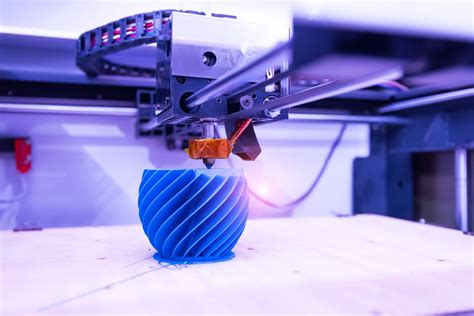
Additive manufacturing is dramatically reshaping the landscape of PCB manufacturing. Traditionally, this industry has relied on various subtractive techniques, which often come with limitations regarding design complexity and production timelines. With additive manufacturing, particularly 3D printing, you can explore intricate designs that were previously considered impossible or too costly to produce. This innovative approach allows PCB manufacturing companies to create customized solutions that cater specifically to your needs, enhancing the overall effectiveness of circuit board design.
As you delve into these techniques, consider the significant impact on pcb manufacturing cost. By transitioning to additive processes, you may find that materials are used more efficiently, which in turn reduces waste and minimizes production costs. Moreover, with shorter lead times and the ability to easily adjust designs, your pcb manufacturing business can become more agile in responding to market demands.
“Embracing additive techniques is not just about staying current; it’s a strategic move toward sustainable innovation in PCB production.”
In essence, adopting these modern methods not only streamlines your operations but also provides a competitive edge in a rapidly evolving technological landscape.
Benefits of 3D Printing for Complex Circuit Designs
You may find that the integration of additive manufacturing techniques in PCB manufacturing offers transformative advantages, particularly when it comes to handling complex circuit designs. The ability to utilize 3D printing allows for the creation of intricate layouts that traditional methods struggle to achieve. This capability can significantly enhance PCB manufacturing companies‘ productivity, enabling them to produce unique features and tailored solutions in much shorter turnaround times. Furthermore, innovative techniques in this realm contribute to a significant reduction in overall PCB manufacturing costs, as they decrease the need for numerous prototyping iterations. With 3D printing, you gain an unprecedented flexibility, making it easier to pivot designs quickly based on specific project requirements or client needs. As a result, your PCB manufacturing business can respond more effectively to market demands while maintaining high reliability and performance in your circuit designs. Embracing these advancements not only positions your operations for greater efficiency but also empowers you to offer more competitive services within the evolving landscape of electronics production.
For more insights on PCB manufacturing, visit Andwin PCB.
Speeding Up PCB Manufacturing Processes
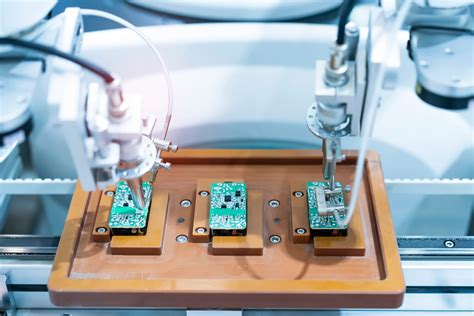
One of the most significant advantages of additive manufacturing techniques in PCB manufacturing is the remarkable acceleration of production timelines. Traditional methods often involve lengthy setup times and multiple stages, which can delay the overall process. However, with the advent of 3D printing, you can streamline these stages, allowing for rapid iteration and prototyping. This efficiency is particularly beneficial for PCB manufacturing companies looking to stay competitive in a fast-paced market. By leveraging additive techniques, you can reduce lead times substantially, enabling quicker responses to client demands and market shifts. Moreover, the reduced downtime associated with fewer mechanical setups not only hastens production but also lowers your overall pcb manufacturing cost. By employing these innovative methods, your pcb manufacturing business will not only meet urgent orders but also enhance its capacity for customized solutions, thus positioning itself as a leader in an evolving industry landscape.
Cost Savings through Additive Manufacturing Techniques
One of the most significant advantages of utilizing additive manufacturing in pcb manufacturing is the potential for substantial cost savings. Traditional methods often involve extensive tooling and setup costs, particularly for complex designs. In contrast, with additive manufacturing techniques, you can significantly minimize these initial investments. This flexibility enables smaller pcb manufacturing companies to compete with larger entities, leveling the playing field. The reduction in material wastage further contributes to lowering pcb manufacturing costs; since you are building layers precisely as needed, only the necessary materials are consumed. Moreover, quicker production timelines translate into faster turnaround for your projects, allowing your pcb manufacturing business to respond rapidly to market demands and changes. This agility not only enhances your competitiveness but also improves customer satisfaction by delivering high-quality prototypes and products more efficiently. In this evolving landscape, incorporating additive techniques can be a game changer for those in the PCB sector looking to optimize their operational expenditures while maintaining high standards of quality and innovation.
Enhancing Flexibility in Circuit Board Design and Prototyping
One of the most significant advantages of additive manufacturing in PCB production is its ability to enhance flexibility during the design and prototyping phases. Traditional PCB manufacturing processes often come with limitations, such as fixed designs and long lead times, making it challenging for PCB manufacturing companies to adapt to rapidly changing requirements. With 3D printing techniques, you can create complex geometries that were previously difficult or impossible to achieve using conventional methods. This capability allows for rapid iteration on designs, so you have the freedom to experiment with layout variations without incurring exorbitant PCB manufacturing costs. Additionally, the ease of prototyping enables you to quickly produce functional prototypes, paving the way for timely adjustments and refinements. As a result, your PCB manufacturing business can respond quickly to market demands and technological advances while maintaining high-quality standards and minimizing waste. This newfound agility not only streamlines your workflow but also positions you ahead of competitors who may still rely on outdated production techniques. Therefore, embracing these innovative manufacturing strategies is crucial for thriving in an increasingly dynamic industry.
Case Studies: Successful Implementations of 3D-Printed PCBs
As you explore the realm of pcb manufacturing, you’ll find that multiple companies have successfully integrated additive manufacturing into their processes, leading to remarkable innovations. For instance, one pcb manufacturing company implemented 3D printing to create complex circuit designs that traditional methods struggled to achieve. This approach not only enhanced their design capabilities but also significantly reduced the pcb manufacturing cost, allowing for more efficient use of resources. Another case involved a startup that utilized 3D printing to prototype custom circuit boards rapidly. The shift not only expedited their development timeline but also offered unparalleled flexibility in design adjustments. Such implementations illustrate how additive manufacturing is revolutionizing the pcb manufacturing business, enabling companies to respond swiftly to evolving market demands while maintaining cost-effectiveness. By leveraging these technologies, you can see the profound impact on operational efficiency and innovation in circuit board production, setting new benchmarks for pcb manufacturing practices worldwide.
Future Trends in Additive Manufacturing for PCBs
As you look towards the horizon of pcb manufacturing, the integration of additive manufacturing techniques is poised to redefine industry standards. One significant trend is the increasing adoption of hybrid manufacturing approaches, which combine traditional methods with 3D printing technologies. This fusion allows pcb manufacturing companies to produce highly complex designs that were previously unattainable, providing a competitive edge. Furthermore, advancements in materials science are leading to the development of new, innovative substrates that enhance the electrical performance and thermal management of circuit boards. With a focus on sustainability, many pcb manufacturing businesses are exploring eco-friendly materials that reduce waste and lower the pcb manufacturing cost, aligning with global initiatives for greener practices. As these trends continue to evolve, they promise not only to improve efficiency but also to expand the creative capabilities in circuit design and prototyping, ultimately paving the way for cutting-edge electronic solutions.
Conclusion: Embracing Innovation in PCB Production
In an era where speed, cost efficiency, and design complexity are paramount, embracing additive manufacturing in your PCB manufacturing processes can redefine your approach to circuit boards. By leveraging 3D printing techniques, you can unlock the potential of creating intricate designs that traditional methods struggle to achieve. This innovation not only enhances your capacity to respond rapidly to market demands but also significantly reduces the PCB manufacturing cost associated with prototyping and production. For those operating in the competitive landscape of PCB manufacturing companies, adopting these techniques positions you as a forward-thinking leader, ready to tackle the evolving needs of your clients. Ultimately, incorporating additive manufacturing into your PCB manufacturing business will not only enhance operational efficiency but also set a foundation for sustainable growth and innovation in a fast-paced industry.
Conclusion: Embracing Innovation in PCB Production
As you explore the realm of additive manufacturing and its impact on PCB production, it becomes evident that this technology is reshaping the landscape for PCB manufacturing companies. The evolution in techniques not only enhances the capabilities of circuit board design but also streamlines the processes associated with PCB manufacturing. You may find that by integrating 3D printing technologies, your PCB manufacturing business can achieve remarkable efficiency, leading to reduced lead times and increased responsiveness to market demands. Furthermore, the potential for significant reductions in PCB manufacturing costs opens doors to greater profitability and competitive advantage. By embracing these innovations, you can ensure that your operations remain at the forefront of the industry, allowing you to tackle increasingly complex projects with confidence and creativity. The future of PCB production lies in this harmonious blend of technology and design flexibility, setting you on a path to success in a rapidly evolving market.
FAQs
What are the advantages of using additive manufacturing for PCB production?
Additive manufacturing offers several advantages in PCB manufacturing, including the ability to create complex designs that would be difficult or impossible with traditional methods. This flexibility allows for innovative circuit board layouts that enhance overall performance.
How does 3D printing improve the speed of PCB manufacturing?
By using additive techniques, you can significantly reduce lead times in PCB manufacturing. Traditional processes often involve multiple steps and weeks of waiting, whereas 3D printing can streamline production, allowing you to produce prototypes quickly and iterate designs efficiently.
Can additive manufacturing help reduce the cost of PCB production?
Absolutely. The PCB manufacturing cost often decreases with additive techniques because they minimize waste and reduce the number of components required. This efficiency helps your PCB manufacturing business maintain profitability while offering competitive pricing.
What types of companies are adopting additive manufacturing in their PCB processes?
Various PCB manufacturing companies, ranging from startups to established enterprises, are recognizing the benefits of additive techniques. Industries such as consumer electronics, automotive, and medical devices are particularly keen on incorporating these innovative methods into their production lines.
How does 3D printing enhance flexibility in circuit board design?
Additive manufacturing allows for rapid revisions and modifications to your designs without extensive retooling costs. This adaptability enables you to experiment with new configurations or rapidly respond to market demands, ensuring that your PCB manufacturing stays ahead of the curve.
For more information about improving your PCB production methods through innovative techniques, please click here: Andwin PCB