Revolutionizing Tech: The Evolution of Assembled Printed Circuit Boards
Key Takeaways
The evolution of assembled printed circuit boards (PCBs) has significantly transformed the landscape of modern technology. The journey began as a response to the need for more efficient and reliable electronic connections, leading to the widespread adoption of pcb assembly techniques. These advancements allow for complex circuits to be manufactured in a compact form, driving innovations across various industries. The method of pcba enables manufacturers to integrate multiple electronic components seamlessly, which is crucial for developing cutting-edge devices in sectors such as telecommunications, automotive, and consumer electronics.
As technology progresses, the collaboration between engineers and manufacturers is paramount to overcoming challenges associated with PCB assembly. Issues such as miniaturization of components and thermal management are addressed through innovative design and materials, enhancing performance while reducing costs. Moreover, the commitment to sustainability is becoming increasingly important; many companies are now focusing on environmentally friendly practices in pcb assembly processes. As we look to the future, the continual evolution of pcba methods will likely open new avenues in electronics, reinforcing their vital role in shaping a technologically advanced society.
The Historical Development of Printed Circuit Boards
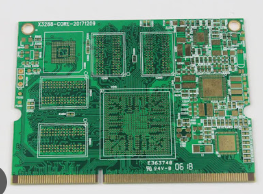
The evolution of printed circuit boards (PCBs) can be traced back to the early 20th century, when electrical components were first connected using simple metal strips. However, it wasn’t until the 1940s that significant advancements were made, leading to the creation of what we now know as PCB assembly. The invention of the first printed circuit board is credited to Paul Eisler, who developed it during World War II for use in radio equipment. This groundbreaking innovation laid the foundation for further developments in pcba technology.
By the 1950s and 1960s, pcba had gained momentum and transitioned into a mainstream manufacturing practice, particularly with the rise of consumer electronics. The growing demand for compact and efficient devices highlighted the necessity for effective circuit layouts, which assembled printed circuit boards adeptly provided. During this time, advancements such as automated soldering processes and surface-mount technology revolutionized PCB assembly by significantly improving production efficiency and reducing costs.
The 1980s and 1990s witnessed further innovations, including multifaceted designs that allowed for more complex circuits embedded within a single board. This advancement resulted in smaller devices that offered greater functionality without compromising performance. As technology continued to evolve into the 21st century, companies began utilizing advanced materials and manufacturing techniques that enhanced durability and thermal management in assembled printed circuit boards.
Today, the journey of printed circuit boards is a testament to human innovation and resilience in adapting to ever-changing technological landscapes. With ongoing developments in flexible PCBs, high-density interconnect (HDI) PCBs, and other cutting-edge designs, it is evident that pcb assembly will remain a crucial component in shaping the future of electronics across numerous industries.
Key Innovations in PCB Manufacturing Techniques
The landscape of pcb assembly has undergone tremendous transformation due to several key innovations in manufacturing techniques. Historically, printed circuit boards (PCBs) relied heavily on manual assembly processes, which often resulted in inconsistencies and inefficiencies. The introduction of automated processes marked a significant turning point. Automation technologies, such as pick-and-place machines, have revolutionized pcba by enhancing speed and precision in component placement.
Moreover, advancements in soldering techniques, including surface mount technology (SMT) and reflow soldering, have allowed for more compact designs and improved reliability of connections. These methods facilitate the assembly of densely packed components while minimizing the risk of heat damage, which can be detrimental to sensitive electronics.
Another notable innovation is the development of advanced materials used in substrate design. Improved materials contribute to better thermal management and electrical performance, leading to longer-lasting products that are vital for modern technological applications.
| Innovation | Description | Impact on PCB Assembly |
|---|---|---|
| Automation | Use of machines for component placement | Increases accuracy and production speed |
| Surface Mount Technology (SMT) | Directly mounts components on the surface | Allows for higher density and compact designs |
| Advanced Materials | Enhanced substrates for better performance | Improves thermal management and longevity |
“In today’s fast-paced tech environment, innovative manufacturing techniques are not just beneficial but essential for competitive advantage.”
These innovations not only optimize the production process but also reduce overall costs while improving product quality—an invaluable aspect as industries continue to demand greater efficiency from their electronic components. The synergy between technological advancement and smart manufacturing practices sets the stage for a future where assembled printed circuit boards can meet rapidly evolving consumer demands more effectively.
The Role of Assembled PCBs in Modern Electronics
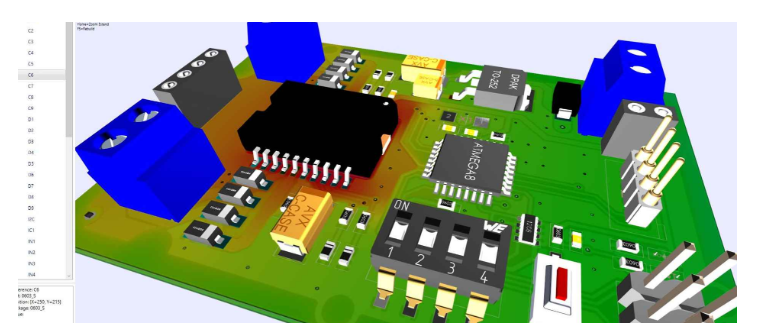
Assembled printed circuit boards (PCBs) are central to the functionality of modern electronics, bridging the gap between raw technology and user interaction. The process of pcb assembly involves integrating various electronic components onto a PCB, creating a complete and functional circuit. This integration enables devices to perform complex functions efficiently, making pcba a critical aspect of electronic design. From smartphones to computers, and from home appliances to industrial machinery, the prevalence of assembled PCBs underscores their versatility and essential role in diverse applications.
Innovations in pcb assembly techniques have significantly enhanced the reliability and performance of electronic devices. Automation in manufacturing processes has allowed for greater precision and consistency, reducing the likelihood of defects associated with manual assembly. Additionally, advancements such as surface mount technology (SMT) have led to more compact designs while enabling higher component densities on boards. This not only contributes to smaller device form factors but also improves overall performance and energy efficiency.
The evolution of assembled PCBs is also indicative of the broader trends in electronics toward miniaturization and complexity. As devices become more sophisticated, the role of pcba evolves to meet increasing demands for higher efficiency, faster processing speeds, and enhanced functionality. Thus, understanding the significance of assembled printed circuit boards is vital for anyone interested in grasping how modern technology continues to advance rapidly while shaping everyday life across multiple industries.
Industry Applications of Assembled Printed Circuit Boards
Assembled printed circuit boards (PCBs) have become integral to a vast array of industries, serving as the backbone of modern electronic devices. In the telecommunications sector, PCB assembly is crucial for developing reliable and efficient equipment, enabling seamless communication through advanced circuit designs. In the automotive industry, PCBA has facilitated the integration of smart technologies in vehicles, enhancing features like navigation, safety systems, and infotainment. Additionally, consumer electronics rely heavily on assembled PCBs to power everything from smartphones to home appliances, where miniaturization and performance are paramount. The medical field also benefits significantly; medical devices and diagnostic equipment incorporate PCB assembly to ensure precision and dependability in life-saving applications. As industries continue to innovate, the role of assembled printed circuit boards is expected to expand further, making them essential components in shaping future technological landscapes while driving efficiency and accuracy across multiple sectors.
Challenges and Solutions in PCB Assembly
The process of pcb assembly is integral to the production of electronic devices, but it is not without its challenges. One of the primary issues faced in pcba is the increasing complexity of designs, which often demands tighter tolerances and more advanced materials. As technology continues to evolve, manufacturers must adapt their processes to accommodate multilayer boards and high-density interconnects. This necessitates sophisticated machinery and a skilled workforce, leading to a gap in expertise in some regions. Moreover, supply chain disruptions can significantly impact the availability of essential components, further complicating the pcb assembly process.
To address these challenges, companies are investing heavily in automation and machine learning technologies that streamline assembly processes, reduce human error, and enhance production speed. By implementing smart manufacturing techniques, such as real-time monitoring and predictive analytics, manufacturers can ensure high-quality output while minimizing waste. Additionally, fostering partnerships with component suppliers can create a more resilient supply chain and ensure consistent access to the necessary materials for pcba.
Continuous training programs for employees are essential to bridge the skills gap presented by new technologies and complex designs. Furthermore, adopting flexible production methods allows companies to pivot swiftly according to market demands while maintaining efficiency in their pcb assembly operations. By addressing these challenges head-on with innovative solutions, the industry can continue to advance and support the ever-growing field of electronics.
Future Trends in Printed Circuit Board Technology
The future of printed circuit boards (PCBs) is poised for significant transformation as technological demands evolve alongside innovations in manufacturing. The rise of automated pcb assembly processes is set to enhance production efficiency, enabling manufacturers to achieve higher precision and faster turnaround times. Furthermore, advancements in materials science are leading to the development of more robust and flexible PCBA solutions that can better withstand the challenges of modern electronics, such as miniaturization and increased thermal performance. The integration of artificial intelligence and machine learning into the pcb assembly process will also play a crucial role in quality control, allowing for real-time monitoring and optimization of manufacturing workflows. Moreover, the growing emphasis on sustainability is likely to drive research into eco-friendly materials and recycling methods for assembled printed circuit boards, reflecting a broader industry shift toward environmentally responsible practices. As these trends unfold, we can anticipate a landscape where PCBA technologies are not only critical to innovation but also align closely with the imperatives of sustainability and efficiency in various sectors.
Environmental Considerations in PCB Production
The production of printed circuit boards (PCBs), particularly in the context of pcb assembly, raises significant environmental concerns that must be addressed to promote sustainability within the industry. As the demand for assembled printed circuit boards (PCBA) continues to grow, manufacturers are increasingly aware of their environmental footprint. Traditional PCB manufacturing processes are often resource-intensive and produce substantial waste, which can harm local ecosystems. This has prompted many companies to explore innovative techniques that prioritize environmental responsibility. One approach involves using green materials and processes in PCB fabrication, such as lead-free solder and organic substrates, which reduce toxic emissions and lessen harmful waste. Furthermore, manufacturers are implementing more efficient manufacturing processes that minimize energy consumption and recycle materials from discarded or unused boards. These steps not only mitigate adverse environmental impacts but also align businesses with regulatory standards and growing consumer preferences for sustainable products. By prioritizing environmental considerations throughout the PCB production lifecycle, industries can significantly contribute to a more sustainable future while still meeting the technological demands of modern electronics.
Case Studies: Impact of PCBs on Technological Advancements
The evolution of assembled printed circuit boards (PCBs) has significantly influenced technological advancements across a variety of sectors. For instance, in the telecommunications industry, the streamlined processes involved in pcb assembly have facilitated the creation of compact and efficient devices. This evolution has enabled networks to support faster data transmission, thus transforming how information is communicated globally. Similarly, in the automotive sector, the integration of PCBs into electric vehicles showcases the critical role that pcba plays in enhancing functionality and safety features. By optimizing designs through advanced PCB assembly techniques, manufacturers are able to produce sophisticated systems that monitor vehicle performance and enhance driver experiences. Furthermore, in medical technology, the miniaturization capabilities of assembled PCBs have revolutionized healthcare devices, allowing for portable and highly effective diagnostic tools that improve patient outcomes. Each case study highlights not just the technical prowess involved in PCB manufacturing but also underscores their essential impact across industries striving for innovation and efficiency.
Conclusion
As we reflect on the evolution of assembled printed circuit boards (PCBs), it is clear that their journey has been marked by significant advancements that have revolutionized modern electronics. The intricate nature of pcb assembly has grown to meet the demands of various industries, from consumer electronics to automotive and medical technology. Innovations in pcba processes have not only led to enhanced performance but have also facilitated miniaturization, allowing for more compact and efficient designs. Furthermore, the integration of smart technologies within PCBs has opened up new avenues for functionality, including greater connectivity and energy efficiency. While challenges such as environmental impact and sourcing of materials persist, the industry continues to seek sustainable solutions that promote the responsible production of assembled PCBs. Looking ahead, advancements in automation and artificial intelligence are set to further transform pcb assembly, ensuring that these essential components remain at the forefront of cutting-edge technology. The impact of these developments on our daily lives cannot be understated, as they shape a future where electronics are more efficient, reliable, and integral to our way of life.
FAQs
What is PCB assembly (PCBA)?
PCB assembly, often abbreviated as PCBA, refers to the process of soldering electronic components onto a printed circuit board (PCB) to create a functional electronic circuit. This process is crucial in the production of various electronic devices.
What are the main components involved in PCBA?
The primary components involved in pcb assembly include resistors, capacitors, integrated circuits, and connectors. Each of these elements plays a critical role in ensuring that the electronic device works as intended.
How has PCB assembly evolved over the years?
The evolution of pcb assembly has seen significant advancements in manufacturing techniques, such as automated soldering and surface mount technology (SMT). These innovations have increased efficiency, reduced costs, and improved the reliability of assembled circuit boards.
What industries benefit from PCBA?
Many industries benefit from PCBA, including consumer electronics, automotive, telecommunications, and medical devices. The versatility of assembled printed circuit boards makes them integral to many modern applications.
What are common challenges faced during PCB assembly?
Challenges during pcb assembly can include component placement accuracy, thermal management during soldering processes, and ensuring quality control to avoid defects. Each of these factors can affect the reliability and performance of the final electronic product.