Revving Up Innovation: The Future of Automotive PCB Assembly
Key Takeaways
The landscape of automotive PCB assembly has seen remarkable changes that reflect broader technological advancements within the automotive sector. PCB assembly plays a pivotal role in ensuring the reliability and functionality of essential components in vehicles. As automotive designs evolve, particularly with the rise of electric vehicles and autonomous systems, the sophistication of PCBA processes becomes increasingly critical. Innovative materials and enhanced manufacturing processes are not only improving performance but are also addressing the unique challenges posed by these next-generation vehicles. For instance, designs must accommodate tighter spaces, higher temperatures, and increased functionality without compromising safety standards. The integration of smart electronics into vehicles leverages advanced PCB assembly techniques to create systems that are not only efficient but also capable of supporting complex functionalities such as driver assistance systems and in-car connectivity. Moreover, as sustainability becomes a priority in manufacturing practices, attention is being drawn to materials that not only meet performance specifications but also minimize environmental impact. In summary, understanding these key takeaways emphasizes the fundamental importance of automotive PCB assembly in driving innovation and adapting to the rapidly advancing automotive technologies.
The Evolution of Automotive PCB Assembly: A Historical Perspective
The journey of automotive PCB assembly has significantly evolved over the decades, paralleling the innovations in automotive technology. In the early days, the focus was primarily on rudimentary circuit boards that facilitated basic electrical functions within vehicles. These early printed circuit boards (PCBs) were relatively simple and paved the way for more complex designs. As vehicles began incorporating more electronics to meet increasing consumer demands for comfort and safety, integrating advanced technologies became essential.
By the late 20th century, technological advancements fueled dramatic changes in PCB assembly techniques. The introduction of surface mount technology (SMT) allowed for more compact designs and improved performance by increasing the density of components on a board. This shift catalyzed a ripple effect in automotive design, leading to enhanced functionality and reliability in vehicle systems. Notably, as we transitioned into the 21st century, the rise of electric vehicles (EVs) and autonomous driving technologies placed even greater emphasis on sophisticated pcba processes.
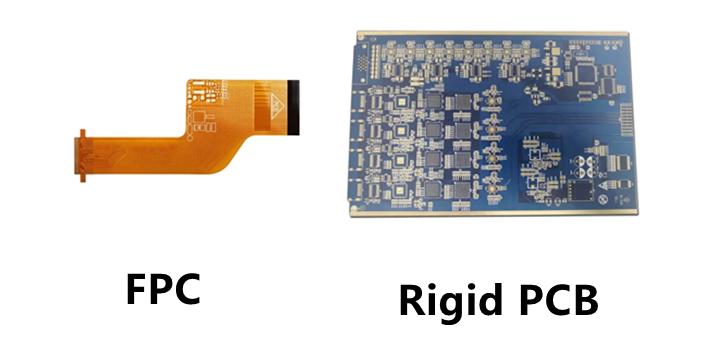
Today, automotive PCB assembly is at the forefront of innovation, directly impacting critical areas such as infotainment systems and advanced driver assistance systems (ADAS). With advancements in materials like high-frequency laminates and flexible circuits, manufacturers can design PCBs that are lighter yet more durable—qualities essential for modern vehicles.
“Innovation in automotive PCB technology not only improves performance but also supports sustainable practices within the industry.”
As we look towards future challenges, whether it’s enhancing autonomous capabilities or improving energy efficiency in electric vehicles, it’s clear that ongoing advancements in pcba will continue to play a pivotal role. Understanding this historical context enables industry stakeholders to appreciate the ongoing developments and their implications for upcoming innovations.
| Year | Key Development |
|---|---|
| 1960s | Introduction of basic circuit boards |
| Late 20th Century | Adoption of surface mount technology (SMT) |
| Early 21st Century | Growth of electric and connected vehicles |
With this foundation established, it is critical to consider how these historical advancements will inform future trends in automotive PCB assembly, laying the groundwork for what lies ahead.
Key Technologies Driving Automotive PCB Innovation
The landscape of automotive PCB assembly (PCBA) is witnessing rapid advancements, significantly influenced by several key technologies. Among these, miniaturization plays a pivotal role, allowing manufacturers to create smaller yet more powerful circuit boards that fit seamlessly into modern vehicles. The advent of high-density interconnects (HDI) has enhanced the functionality of PCBs by enabling more components to be packed into limited space without sacrificing performance. Additionally, the integration of advanced materials such as flexible circuit boards and metal core PCBs is transforming how heat management and electrical performance are approached in the automotive industry. These innovations are especially critical in supporting the functionalities demanded by electric vehicles and autonomous systems, where efficient energy management and reliability are paramount. Moreover, automated manufacturing techniques, including surface mount technology (SMT) and automated optical inspection (AOI), ensure that pcb assembly processes achieve higher accuracy and efficiency, reducing costs while improving quality control. This convergence of technology not only enhances the performance and durability of automotive electronics but also sets a foundation for future innovations that promise to redefine mobility.
The Role of PCBs in Electric Vehicle Development
As the automotive industry pivots towards more sustainable solutions, the role of pcb assembly in electric vehicle (EV) development becomes increasingly pivotal. The intricate nature of modern EVs necessitates the integration of advanced printed circuit boards (PCBs) that support various functions, from energy management to control systems. PCBA, or PCB assembly, is essential in ensuring that these complex electronic systems work harmoniously. For instance, the shift towards electric drives demands higher performance and efficiency from components like power converters and battery management systems, both reliant on robust pcba processes. Moreover, innovations in materials and design methodologies have enhanced the thermal and electrical properties of these PCBs, enabling more efficient energy consumption and improved vehicle range. The adaptability of pcb assembly techniques means that manufacturers can rapidly prototype and iterate on designs, critical for keeping pace with evolving automotive technologies. As we engage with a future dominated by electric mobility, understanding the vital role of PCBs—through their design, manufacturing processes, and integration into vehicles—will be crucial for driving innovation and achieving sustainability goals within the industry.
Enhancing Autonomous Systems Through Advanced PCB Solutions
The integration of printed circuit board assembly (PCB assembly) into the development of autonomous systems is revolutionizing the automotive industry. As vehicles become increasingly reliant on sophisticated technologies, PCBA emerges as a crucial component in facilitating seamless communication between various subsystems. Advanced PCB solutions allow for the miniaturization of complex circuits, enabling manufacturers to produce lightweight yet powerful boards that are essential for functions such as sensor integration, data processing, and vehicle-to-vehicle communication. Innovative materials and designs are enhancing the thermal management of these PCBs, contributing to improved reliability and longevity under challenging operating conditions. Furthermore, developments in flexible and multilayer PCBs provide unprecedented versatility, enabling automotive engineers to create more intricate layouts necessary for autonomous functionalities. As we continue to explore the potential of automotive PCB assembly, it becomes clear that these advancements not only optimize performance but also significantly contribute to the safety and efficiency of emerging autonomous vehicles.
Smart Electronics: Integration and Challenges in Automotive Applications
As the automotive industry integrates smart electronics into its vehicles, the significance of pcb assembly in this transformation cannot be overstated. Modern automobiles are increasingly equipped with sophisticated technologies that require compact and efficient printed circuit boards (PCBs). These PCBA solutions facilitate seamless communication between various electronic components, essential for functions like navigation, safety systems, and infotainment. However, the integration of such advanced electronics presents several challenges. From ensuring robustness against environmental conditions to maintaining high reliability under varying operational demands, automotive pcb assembly must constantly evolve. Moreover, as vehicles become more connected and autonomous, manufacturers face increased pressure to innovate. This necessitates advanced techniques in pcb assembly, including miniaturization and the use of novel materials that enhance performance while reducing weight. In navigating these complexities, the industry is forging ahead to achieve a harmonious blend of technology and performance, thereby paving the way for a new era of intelligent automotive solutions.
Future Materials: Paving the Way for High-Performance PCBs
The landscape of automotive PCB assembly is undergoing significant changes, largely driven by the introduction of innovative materials that enhance performance and durability. As the demand for more efficient and powerful electric vehicles grows, so too does the necessity for high-performance PCB solutions. Advanced materials such as flexible substrates, ceramics, and high-frequency laminates are becoming paramount in the design of PCBs, allowing engineers to create more compact and efficient layouts that meet the stringent requirements of modern automobiles. Furthermore, these materials exhibit improved thermal conductivity and mechanical strength, which are essential for the reliability of systems like electric drivetrains and autonomous driving technologies.
Additionally, innovations in manufacturing processes—such as additive manufacturing—are revolutionizing traditional methods of pcba creation. This shift not only leads to reduced production times but also enables greater customization and complexity in circuit designs. As we venture deeper into this age of smart electronics, understanding these material advancements becomes imperative; they are vital in addressing challenges related to signal integrity, electromagnetic interference, and overall system robustness. Integrating these future materials into automotive PCB assembly will ultimately drive forward not just vehicle performance but the very nature of automotive technology itself.
Navigating Challenges in Automotive PCB Manufacturing
The landscape of automotive PCB assembly is fraught with challenges that must be addressed to meet the escalating demands of the modern automotive industry. One significant challenge is the integration of increasingly complex electronic systems that demand precise and reliable PCB assembly processes. As vehicles evolve into sophisticated machines equipped with advanced features, manufacturers face pressure to ensure that all components work harmoniously. The manufacturing process is not merely about assembling parts but entails thorough testing and quality assurance to prevent failures in critical areas such as safety and performance.
Moreover, the fast-paced development of electric vehicles (EVs) and autonomous technologies necessitates the use of cutting-edge materials and innovative design techniques. This transformation requires a skilled workforce adept at utilizing advanced manufacturing techniques, such as surface-mount technology (SMT) and automated optical inspection (AOI). At the same time, ensuring supply chain resilience has become a pressing concern, further complicating pcba operations. Manufacturers must establish robust relationships with suppliers while innovating to mitigate disruptions.
Furthermore, environmental considerations play a crucial role as regulatory bodies increasingly impose stricter standards regarding waste management and material safety. This compels manufacturers to adopt more sustainable practices within their pcb assembly processes without compromising on quality or efficiency. In transitioning towards greener technologies, companies need to remain vigilant about balancing innovation with adherence to environmental policies, positioning themselves favorably in a competitive market.
In summary, navigating these multifaceted challenges in automotive pcb assembly is imperative for companies aiming to thrive in an ever-evolving industry targeted towards sustainability and technological prowess. The ongoing advancements present not only hurdles but also rich opportunities for innovation that may redefine the very future of automotive electronics.
The Road Ahead: Trends Shaping the Future of Automotive PCB Assembly
As the automotive industry accelerates towards a more technologically advanced future, automotive PCB assembly stands at the forefront of this transformation. One of the most significant trends is the shift towards electric vehicles (EVs), which demand increasingly sophisticated PCB assembly solutions to support their complex electronic systems. The integration of advanced printed circuit boards (PCBs) is essential for optimizing energy efficiency and performance in EVs. Furthermore, with the rise of autonomous driving technologies, PCBA plays a crucial role in ensuring the reliability and safety of various sensors and control units. The incorporation of smart electronics into vehicles not only enhances user experience but also enables features such as real-time diagnostics and over-the-air updates, which rely heavily on reliable automotive PCB assembly processes. Additionally, we are witnessing a growing trend towards using flexible and lightweight materials that can be incorporated into a vehicle’s design without compromising strength or performance. As the industry faces challenges such as supply chain disruptions and the need for sustainable manufacturing practices, innovations in pcb assembly techniques will be pivotal in addressing these hurdles while ensuring that new vehicle models meet consumer expectations for technology integration and efficiency.
Conclusion
In summary, the landscape of automotive PCB assembly is undergoing a notable transformation driven by advances in technology and innovation. As the automotive industry shifts towards electric vehicles and intelligent systems, PCB assembly emerges as a critical component in ensuring the functionality and reliability of these modern vehicles. The integration of pcba solutions into design processes allows manufacturers to respond effectively to user demands for enhanced performance, safety, and connectivity. Furthermore, with emerging materials such as flexible printed circuit boards and the adoption of automated manufacturing processes, the industry’s ability to produce high-quality pcba is significantly augmented. The continued exploration of demand-driven innovations in this field not only promises to resolve existing challenges but also paves the way for future breakthroughs in automotive technology. As we look ahead, it is essential for stakeholders to stay attuned to industry trends—embracing collaboration and knowledge-sharing will be paramount in driving forward the evolution of automotive PCB assembly solutions.
FAQs
When discussing pcb assembly in the automotive industry, a common inquiry revolves around its essential role in modern vehicle design and functionality. PCBA, or printed circuit board assembly, serves as a foundation for integrating complex electronic systems within vehicles. Many are curious about how automotive PCB technology differs from other industries. The primary distinction lies in the rigorous standards and requirements specific to automotive applications, where reliability and performance are paramount.
Additionally, potential users often question which pcb assembly technologies are at the forefront of innovation. This includes advancements in materials that enhance heat resistance and durability while maintaining lightweight properties essential for fuel efficiency and electric vehicles. As the push for autonomous driving accelerates, manufacturers increasingly rely on cutting-edge pcba solutions to ensure that electronic systems can endure demanding environments while delivering exceptional performance.
Another frequent query involves the challenges faced during the manufacturing of automotive PCBs. These can include issues related to complex designs that may arise from integrating various smart technologies into a single cohesive unit, as well as maintaining cost-effectiveness without compromising quality. Understanding these intricacies is vital for stakeholders aiming to optimize their production processes effectively.
For those eager to dive deeper into automotive PCB innovations and get answers to their specific questions, you’re encouraged to explore more resources related to this topic.