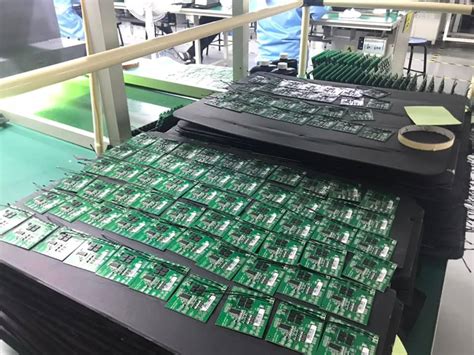
Rf pool pcb
Designing Efficient RF Pool PCB Layouts
Designing efficient RF pool PCB layouts is a critical task that demands meticulous attention to detail and a deep understanding of both electrical and mechanical principles. The primary objective is to ensure optimal performance while minimizing interference and signal loss. To achieve this, several key factors must be considered throughout the design process.
Firstly, the choice of materials plays a pivotal role in the performance of RF pool PCBs.
High-frequency signals are particularly sensitive to the dielectric properties of the substrate material. Therefore, selecting a substrate with low dielectric constant and low loss tangent is essential. Materials such as Rogers or Teflon are often preferred due to their superior electrical properties, which help maintain signal integrity and reduce attenuation.
Transitioning to the layout design, the placement of components is another crucial aspect.
Components should be strategically positioned to minimize the length of signal paths and reduce the potential for interference. Placing sensitive components, such as amplifiers and oscillators, away from noisy power supplies and digital circuits can significantly enhance performance. Additionally, maintaining a consistent ground plane is vital for providing a low-impedance return path for signals, thereby reducing electromagnetic interference (EMI).
Moreover, the routing of traces requires careful consideration.
High-frequency signals are prone to reflections and crosstalk, which can degrade signal quality. To mitigate these issues, it is advisable to use controlled impedance traces and maintain consistent trace widths and spacing. Microstrip and stripline techniques are commonly employed to achieve controlled impedance, ensuring that the characteristic impedance of the traces matches the source and load impedance. This practice helps minimize signal reflections and maintain signal integrity.
In addition to trace routing, the use of vias must be judiciously managed.
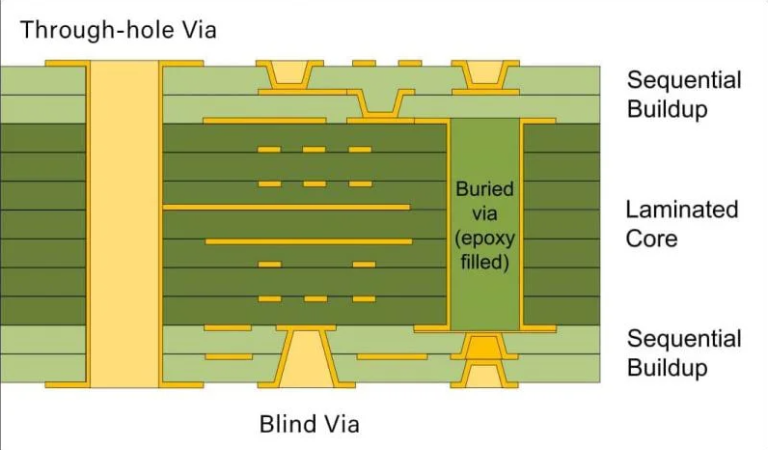
Vias introduce inductance and capacitance, which can adversely affect high-frequency signals. Minimizing the number of vias and using via stitching around critical signal paths can help reduce these parasitic effects. Furthermore, ensuring that vias are properly plated and have a low resistance connection to the ground plane is essential for maintaining signal integrity.
Thermal management is another critical consideration in RF pool PCB design.
High-frequency components often generate significant heat, which can impact performance and reliability. Effective thermal management strategies, such as the use of thermal vias, heat sinks, and proper airflow, are necessary to dissipate heat and maintain optimal operating temperatures. Additionally, thermal simulations can be conducted during the design phase to identify potential hotspots and optimize the thermal performance of the PCB.
Furthermore, electromagnetic compatibility (EMC) must be addressed to ensure that the RF pool PCB does not interfere with other electronic devices and complies with regulatory standards. Shielding techniques, such as the use of ground planes, metal enclosures, and EMI gaskets, can help contain electromagnetic emissions and protect sensitive components from external interference. Conducting EMC testing during the design and prototyping stages can identify potential issues and allow for necessary adjustments.
Finally, collaboration with experienced PCB manufacturers is essential to ensure that the design is manufacturable and meets the required specifications.
Manufacturers can provide valuable insights into material selection, fabrication processes, and quality control measures. Engaging with them early in the design process can help avoid potential pitfalls and ensure a smooth transition from design to production.
In conclusion, designing efficient RF pool PCB layouts requires a comprehensive understanding of material properties, component placement, trace routing, thermal management, and electromagnetic compatibility. By carefully considering these factors and leveraging the expertise of experienced manufacturers, designers can create high-performance RF pool PCBs that meet the stringent demands of modern electronic applications.
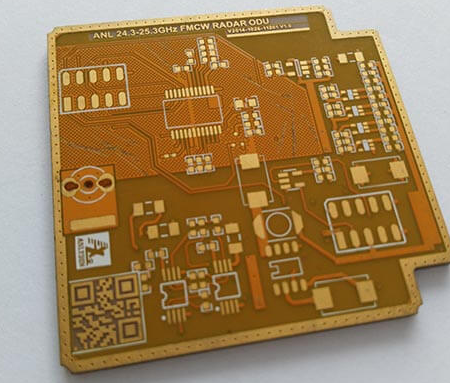
Top Materials for RF Pool PCB Manufacturing
In the realm of RF (Radio Frequency) pool PCB (Printed Circuit Board) manufacturing, the selection of materials is paramount to ensure optimal performance, reliability, and longevity of the final product. The unique demands of RF applications necessitate materials that can handle high frequencies, maintain signal integrity, and exhibit excellent thermal and mechanical properties. Consequently, understanding the top materials used in RF pool PCB manufacturing is essential for engineers and designers aiming to achieve superior results.
One of the most widely used materials in RF PCB manufacturing is Rogers RO4000 series.
This material is renowned for its low dielectric constant and low loss tangent, which are critical for maintaining signal integrity at high frequencies. The RO4000 series also offers excellent thermal stability and mechanical robustness, making it suitable for a wide range of RF applications. Additionally, its ease of processing and compatibility with standard PCB fabrication techniques further enhance its appeal.
Another prominent material in RF PCB manufacturing is the PTFE (Polytetrafluoroethylene) laminate, often referred to by its trade name, Teflon. PTFE laminates are highly valued for their exceptional electrical properties, including a very low dielectric constant and minimal signal loss. These characteristics make PTFE an ideal choice for high-frequency applications where signal integrity is paramount. However, PTFE laminates can be challenging to process due to their softness and tendency to deform under pressure, necessitating specialized fabrication techniques.
In addition to Rogers and PTFE, ceramic-filled laminates such as the Rogers RT/duroid series are also frequently employed in RF PCB manufacturing.
These materials combine the low dielectric constant and low loss tangent of PTFE with the mechanical stability of ceramics. The result is a material that offers excellent electrical performance while being easier to handle during the manufacturing process. The RT/duroid series is particularly well-suited for applications requiring high power handling and thermal management capabilities.
Moreover, the use of FR-4 material, a common choice in general PCB manufacturing, extends into RF applications with certain modifications.
Standard FR-4 is not typically suitable for high-frequency applications due to its higher dielectric constant and loss tangent. However, high-frequency variants of FR-4, often referred to as high-speed or low-loss FR-4, have been developed to address these issues. These modified FR-4 materials offer a balance between cost and performance, making them an attractive option for certain RF applications where budget constraints are a consideration.
Furthermore, the choice of copper cladding is another critical factor in RF PCB manufacturing.
High-frequency signals are particularly sensitive to the quality of the copper used. Electrodeposited copper, known for its smooth surface and fine grain structure, is often preferred over rolled copper for RF applications. The smoother surface reduces signal loss and improves overall performance, making it a crucial consideration in the material selection process.
In conclusion, the selection of materials for RF pool PCB manufacturing is a complex process that requires careful consideration of electrical, thermal, and mechanical properties. Rogers RO4000 series, PTFE laminates, ceramic-filled laminates like Rogers RT/duroid, and high-frequency variants of FR-4 are among the top materials used in this specialized field. Each material offers unique advantages and challenges, necessitating a thorough understanding of their properties and processing requirements. By making informed choices, engineers and designers can ensure the development of high-performance RF PCBs that meet the stringent demands of modern RF applications.

Common Challenges in RF Pool PCB Development
Developing RF pool PCBs (Printed Circuit Boards) presents a unique set of challenges that can significantly impact the performance and reliability of the final product. One of the primary difficulties lies in managing signal integrity. RF signals are highly susceptible to interference and loss, which can degrade the performance of the PCB. To mitigate these issues, designers must carefully consider the layout and routing of the PCB. This involves optimizing trace lengths, minimizing the number of vias, and ensuring proper impedance matching. Additionally, the use of high-quality materials with low dielectric loss is crucial to maintaining signal integrity.
Another significant challenge in RF pool PCB development is thermal management.
RF components often generate substantial amounts of heat, which can affect the performance and longevity of the PCB. Effective thermal management strategies, such as the use of thermal vias, heat sinks, and proper component placement, are essential to dissipate heat efficiently. Moreover, designers must also consider the thermal expansion properties of the materials used, as mismatched coefficients of thermal expansion can lead to mechanical stress and potential failure of the PCB.
Electromagnetic compatibility (EMC) is another critical aspect that must be addressed during the development of RF pool PCBs.
Ensuring that the PCB does not emit or receive unwanted electromagnetic interference (EMI) requires careful design and shielding techniques. This includes the use of ground planes, proper grounding techniques, and the implementation of shielding enclosures. Additionally, designers must be aware of the regulatory requirements for EMC compliance, which can vary depending on the application and geographic location.
Component selection is also a crucial factor in RF pool PCB development.
The performance of the PCB is highly dependent on the quality and characteristics of the components used. Designers must select components that can operate at the desired frequency range and have the necessary power handling capabilities. Furthermore, the availability and lead times of components can impact the overall development timeline. It is essential to work closely with suppliers to ensure that the required components are available when needed.
Manufacturing tolerances and variations can also pose challenges in RF pool PCB development.
Even small deviations in the manufacturing process can affect the performance of the PCB. Therefore, it is important to work with experienced manufacturers who have the capability to produce high-precision PCBs. Additionally, thorough testing and validation are necessary to ensure that the PCB meets the required specifications and performs as expected in real-world conditions.
Finally, cost considerations play a significant role in the development of RF pool PCBs.
High-performance materials and components, as well as advanced manufacturing techniques, can increase the overall cost of the PCB. Designers must balance the need for performance with budget constraints, often requiring trade-offs between different design aspects. Cost-effective solutions, such as the use of standard components and materials, can help manage expenses without compromising the performance of the PCB.
In conclusion, the development of RF pool PCBs involves addressing a range of challenges, from signal integrity and thermal management to EMC, component selection, manufacturing tolerances, and cost considerations. By carefully considering these factors and employing best practices in design and manufacturing, it is possible to develop high-performance RF pool PCBs that meet the required specifications and deliver reliable performance in their intended applications.
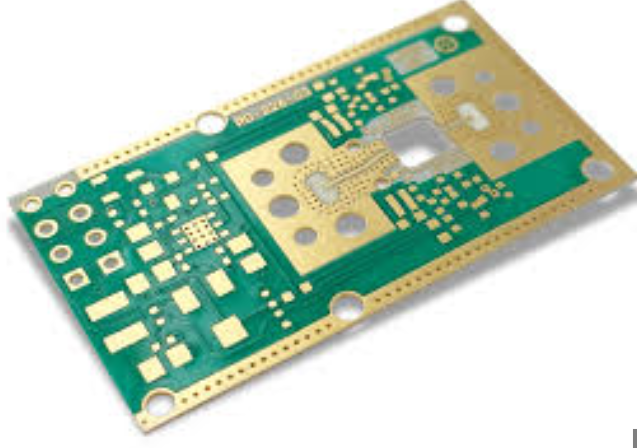
Innovative Applications of RF Pool PCBs in Modern Technology
The realm of modern technology is continually evolving, with innovations emerging at a rapid pace. One such advancement that has garnered significant attention is the development and application of RF (Radio Frequency) Pool PCBs (Printed Circuit Boards). These specialized PCBs are designed to handle high-frequency signals, making them indispensable in various high-tech applications. The innovative use of RF Pool PCBs is transforming industries by enhancing performance, reliability, and efficiency in numerous electronic devices.
To begin with, RF Pool PCBs are integral to the telecommunications industry.
As the demand for faster and more reliable communication networks grows, the need for advanced hardware becomes paramount. RF Pool PCBs are employed in the construction of antennas, transceivers, and other critical components of communication systems. Their ability to manage high-frequency signals with minimal loss and interference ensures that data transmission is both swift and accurate. This capability is particularly crucial in the deployment of 5G networks, where the efficiency and reliability of RF Pool PCBs directly impact the overall performance of the network.
Moreover, the aerospace and defense sectors have also benefited significantly from the adoption of RF Pool PCBs.
In these industries, the precision and reliability of electronic components are of utmost importance. RF Pool PCBs are used in radar systems, satellite communications, and various other high-frequency applications. Their robust design and ability to withstand harsh environmental conditions make them ideal for use in aerospace and defense technologies. The enhanced signal integrity provided by RF Pool PCBs ensures that critical information is transmitted without degradation, which is vital for the success of missions and operations.
Transitioning to the consumer electronics market, RF Pool PCBs have found their place in a wide array of devices.
smartphones, tablets, and wearable technology all rely on RF Pool PCBs to function effectively. These devices require compact and efficient circuit boards to manage the high-frequency signals necessary for wireless communication. The miniaturization of RF Pool PCBs has enabled manufacturers to produce smaller, more powerful devices that meet the ever-increasing demands of consumers. Additionally, the improved performance and reliability of these PCBs contribute to the overall user experience, making them a cornerstone of modern consumer electronics.
Furthermore, the automotive industry is another sector where RF Pool PCBs are making a significant impact.
With the advent of autonomous vehicles and advanced driver-assistance systems (ADAS), the need for reliable high-frequency communication within vehicles has become critical. RF Pool PCBs are used in various automotive applications, including radar sensors, vehicle-to-everything (V2X) communication systems, and infotainment systems. These PCBs ensure that the high-frequency signals required for these advanced technologies are transmitted accurately and efficiently, thereby enhancing the safety and functionality of modern vehicles.
In addition to these applications, RF Pool PCBs are also being utilized in the medical field.
Medical devices such as MRI machines, wireless patient monitoring systems, and telemedicine equipment rely on RF Pool PCBs to operate effectively. The precision and reliability of these PCBs are crucial in medical applications, where accurate data transmission can be a matter of life and death. The use of RF Pool PCBs in medical technology not only improves the performance of these devices but also contributes to better patient outcomes.
In conclusion, the innovative applications of RF Pool PCBs in modern technology are vast and varied. From telecommunications and aerospace to consumer electronics, automotive, and medical fields, these specialized PCBs are enhancing the performance, reliability, and efficiency of numerous high-tech devices. As technology continues to advance, the role of RF Pool PCBs in shaping the future of various industries will undoubtedly become even more significant.