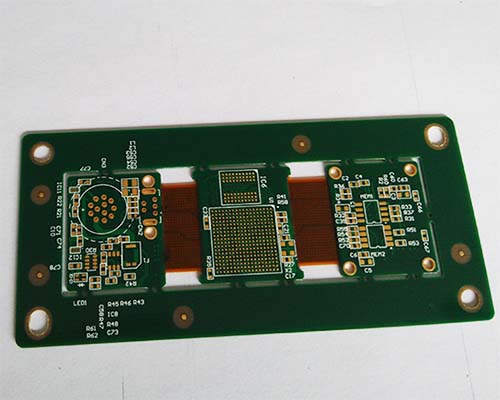
Rigid flex pcb connector
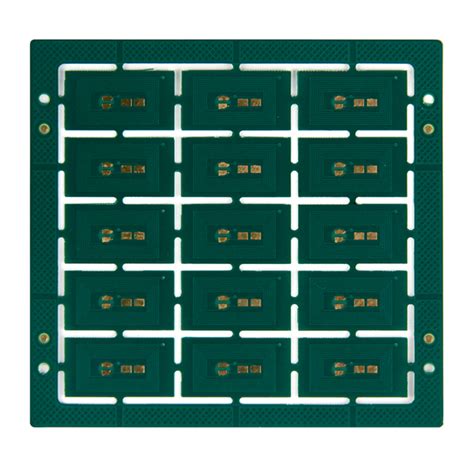
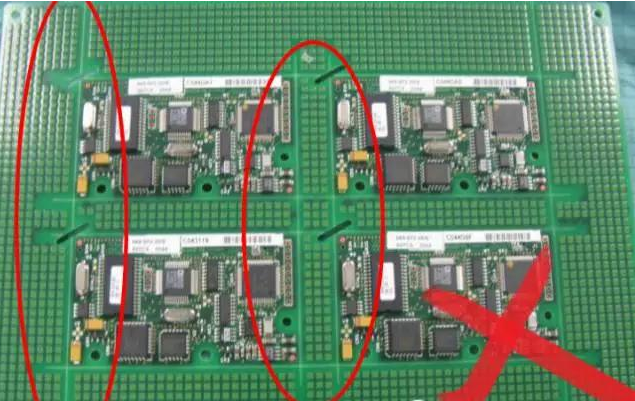
A rigid-flex PCB connector is a type of connector that is designed to connect rigid and flexible printed circuit boards (PCBs) together.
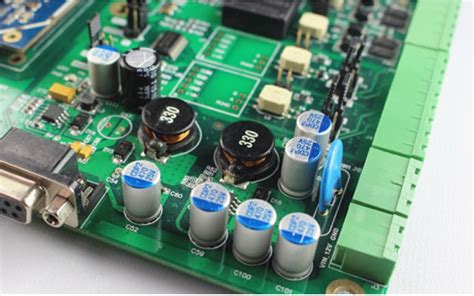
These connectors are typically used in electronic devices that require both rigid and flexible PCBs, such as smartphones, tablets, and wearable devices.
Rigid-flex PCB connectors come in a variety of shapes and sizes, and can be designed to accommodate different types of PCBs and connection requirements. They are typically made from materials such as copper, gold, or nickel, and may feature a range of contact options, including surface mount, through-hole, and press-fit.
One of the main advantages of using a rigid-flex PCB connector is that it allows for a more compact and streamlined design,
as it eliminates the need for separate connectors for the rigid and flexible PCBs.
Additionally, these connectors can help to improve the reliability and durability of the device,
as they provide a secure and stable connection between the two types of PCBs.

the role of rigid flex pcb connector
The role of a rigid-flex PCB connector is to provide a reliable and secure connection between rigid and flexible printed circuit boards (PCBs) in electronic devices.
These connectors are designed to accommodate the unique requirements of both types of PCBs,
and allow for a more compact and streamlined design by eliminating the need for separate connectors.
Rigid-flex PCB connectors can play a critical role in the performance and reliability of electronic devices.
They provide a stable and secure connection between the rigid and flexible PCBs,
which can help to prevent issues such as signal interference, mechanical stress, and component failure.
Additionally, these connectors can help to reduce the overall size and weight of the device,
as they eliminate the need for additional connectors and wiring.
Overall, the role of a rigid-flex PCB connector is to enable the seamless integration of rigid and flexible PCBs in electronic devices,
while ensuring optimal performance, reliability, and durability.
quick turn rigid flex pcb
A quick turn rigid flex PCB refers to a printed circuit board that combines both rigid and flexible materials in a single design.
This type of PCB is commonly used in applications where space is limited or where the board needs to bend or flex during use.
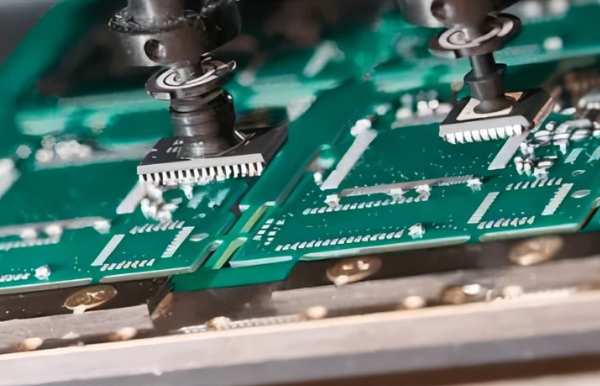
A quick turn rigid flex PCB is produced on a fast turnaround time to meet the urgent needs of the customer.
This type of PCB is typically manufactured using advanced technologies such as laser drilling and automated assembly to ensure high quality and reliability. Quick turn rigid flex PCBs are widely used in industries such as aerospace, medical, and military, where high performance and reliability are critical.
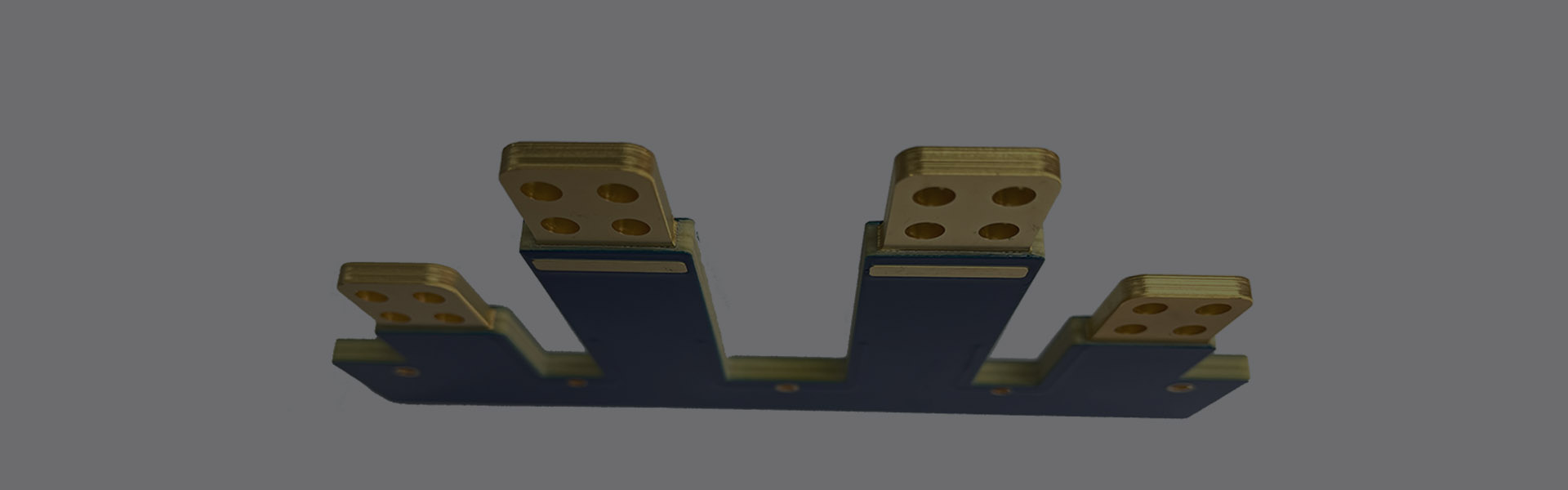
the role of quick turn rigid flex pcb
The role of quick turn rigid flex PCBs is to provide a flexible and reliable solution for electronic devices that require a combination of rigid and flexible materials in a single design.
These PCBs are designed to withstand bending, twisting, and flexing without breaking or losing their electrical connections.
They are used in a wide range of applications, including aerospace, medical, military, and consumer electronics.
Quick turn rigid flex PCBs are essential in applications where space is limited and where traditional rigid PCBs cannot be used due to their inflexibility.
They allow for more compact designs and can reduce the weight of the overall system.
Additionally, they can reduce the number of interconnects required, which can improve the reliability of the system.
Quick turn rigid flex PCBs are also critical in applications where time is of the essence.
They are manufactured on a fast turnaround time to meet the urgent needs of customers.
This is particularly important in industries such as aerospace and military,
where quick turnaround times can mean the difference between success and failure.
Overall, the role of quick turn rigid flex PCBs is to provide a flexible and reliable solution for electronic devices that require a combination of rigid and flexible materials in a single design,
while also meeting the urgent needs of customers in a fast-paced industry.