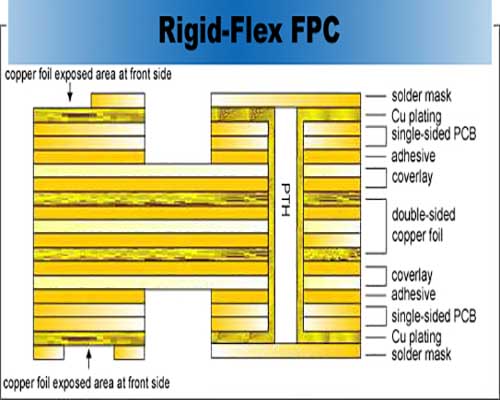
Rigid-flex pcb fabrication

Rigid-flex PCB fabrication is the process of manufacturing printed circuit boards (PCBs) that combine both rigid and flexible materials.
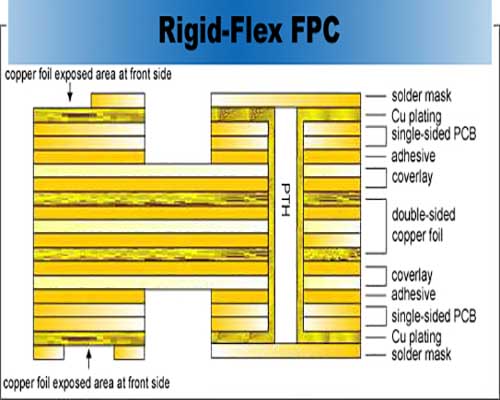
rigid flex pcb stack up

Rigid-flex PCBs are used in applications where space is limited and where the board needs to bend or flex during use. The fabrication process involves several steps, including:

1. Design: The first step in the fabrication process is to design the PCB using computer-aided design (CAD) software.

2. Material selection: The next step is to select the materials for the PCB. Rigid-flex PCBs typically use a combination of rigid and flexible materials, such as FR-4 and polyimide.

3. Layer stacking: The layers of the PCB are stacked together, with the rigid layers on the outside and the flexible layers in the middle.

4. Drilling: Holes are drilled in the PCB to allow for the insertion of components.

5. Plating: The holes are plated with copper to create electrical connections between the layers.

6. Etching: The excess copper is etched away to create the desired circuit pattern.

7. Lamination: The layers of the PCB are laminated together using heat and pressure.

8. Routing: The PCB is routed to create the final shape and size.

9. Surface finish: The PCB is finished with a surface treatment, such as gold plating, to protect the copper traces and pads.

10. Testing: The final step is to test the PCB to ensure that it functions correctly.
GET IN TOUCH!

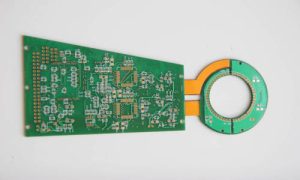
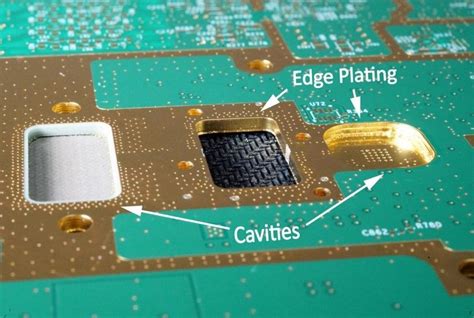
rigid flex pcb

Overall, rigid-flex PCB fabrication is a complex process that requires specialized equipment and expertise.

The resulting PCBs are highly durable and reliable, making them ideal for use in a wide range of applications.

GET IN TOUCH!

Similar Posts

  • |

    Aluminum pcb thickness

    Generally, the thickness of an aluminum PCB ranges from 0.5mm to 3.2mm. However, the most common thicknesses are 1.0mm, 1.5mm, and 2.0mm. The thickness of the aluminum core is usually between 0.5mm to 2.0mm, while the copper layer thickness can range from 0.5oz to 6oz. The thickness of the PCB is an important factor in determining the…

  • |

    Rogers pcb thermal conductivity

    The thermal conductivity of Rogers PCBs varies depending on the specific type of Rogers material used. Generally, Rogers PCBs have a higher thermal conductivity than standard FR4 PCBs, which makes them suitable for high-frequency and high-power applications. For example, the thermal conductivity of Rogers 4003C PCB material is approximately 0.70 W/mK, while the thermal conductivity…

  • metal core pcb reflow profile

    Metal core PCBs, also known as MCPCBs, are becoming increasingly popular in the electronicsindustry due to their superior thermal management capabilities. These boards are designedwith a metal core layer, typically made of aluminum or copper, which helps to dissipateheat more efficiently than traditional FR4 PCBs. However, the use of metal core PCBsrequires a different reflow…

  • |

    Aluminum base material pcb

    There are several types of aluminum base material PCBs, including: 1. Single-layer aluminum PCB: This type of PCB has a single layer of aluminum base material and is suitable for simple electronic circuits. 2. Double-layer aluminum PCB: This type of PCB has two layers of aluminum base material and is suitable for more complex electronic circuits. 3….

  • XtremeSpeed™ RO1200™ Series Circuit Materials

    XtremeSpeed™ RO1200™ extremely low loss digital circuit materials are ceramic-filledlaminates reinforced with woven fiberglass. These materials are engineered to offerexceptional electrical performance and mechanical stability for the most demanding highspeed applications. XtremeSpeed RO1200 series laminates combine the surface smoothness of a non-wovenPTFE laminate, for finer line etching tolerances, with the rigidity of a woven-glass PTFElaminate….

  • |

    Rigid flex pcb layers

    where is the rigid flex pcb layers used? Rigid-flex PCBs are used in a variety of applications where space is limited, and flexibility is required. Some common applications include: 1. Aerospace and Defense: Rigid-flex PCBs are used in aerospace and defense applications where reliability and durability are critical. 2. Medical Devices: Rigid-flex PCBs are used…