Rigid Flex PCB Market:A Growing Trend in Electronics
In today’s fast-paced world, the demand for smaller, lighter, and more efficient electronic devices is ever-increasing.
To meet these demands, manufacturers are constantly seeking innovative solutions that can provide flexibility without compromising on performance.
This is where the rigid flex PCB (Printed Circuit Board) market comes into play.
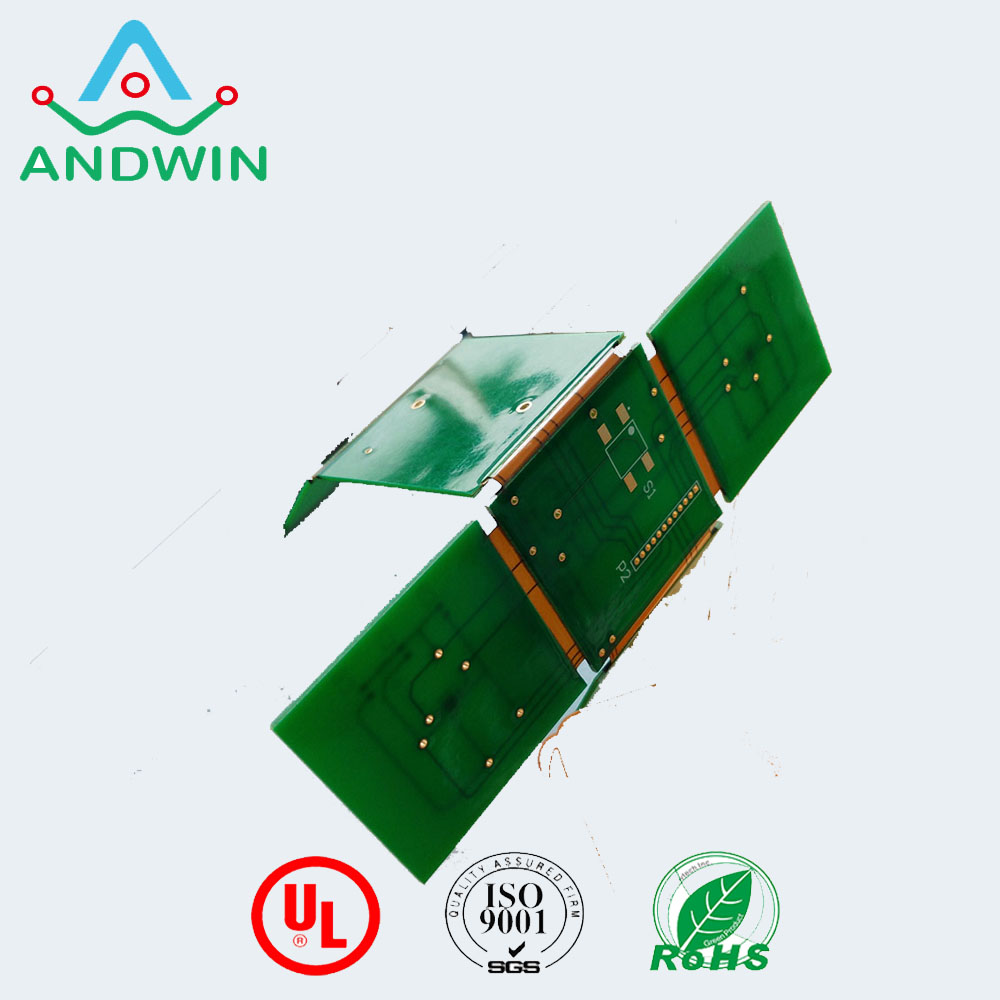
Rigid flex PCBs are a hybrid of traditional rigid PCBs and flexible PCBs, offering the best of both worlds.
They consist of multiple layers of flexible circuitry interconnected by rigid sections, providing the necessary support and stability while allowing for bending and folding.
This unique combination makes them ideal for applications where space is limited, and reliability is crucial.
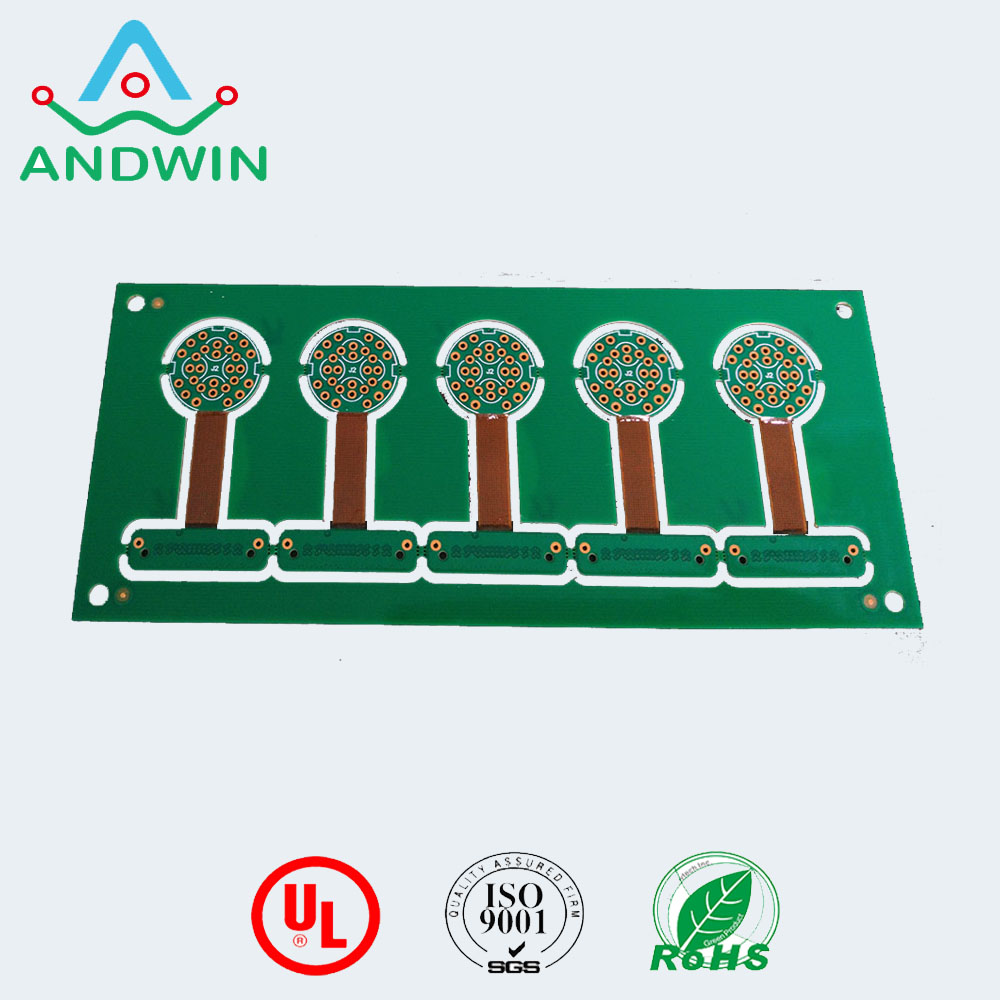
One of the key drivers behind the growth of the rigid flex PCB market is the miniaturization trend. As electronic devices become smaller and more complex, traditional rigid PCBs often struggle to fit within the limited space available.
Rigid flex PCBs, on the other hand, can be designed to conform to the available space, enabling manufacturers to create compact devices without compromising functionality.
The automotive industry is one sector that has embraced rigid flex PCBs with open arms. With the rise of electric and autonomous vehicles, there is a growing need for advanced electronic systems that can withstand the harsh conditions of the automotive environment.
Rigid flex PCBs offer the required durability and flexibility, making them an ideal choice for applications such as engine control units, infotainment systems, and advanced driver-assistance systems.
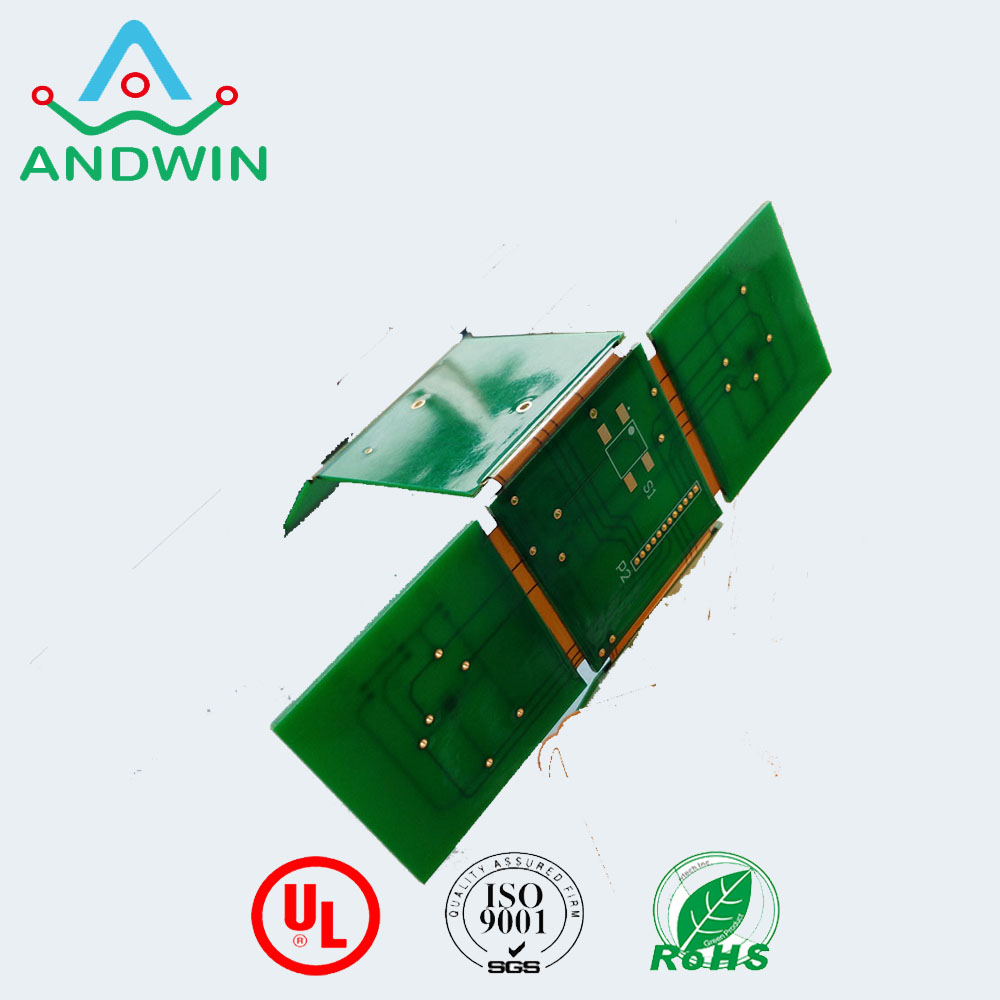
Another industry that is driving the demand for rigid flex PCBs is the medical sector. Medical devices, such as implantable devices, diagnostic equipment, and wearable health trackers, require flexible circuitry to conform to the human body.
Rigid flex PCBs provide the necessary flexibility while ensuring the reliability and performance required in critical medical applications.
The aerospace and defense sectors are also significant contributors to the growth of the rigid flex PCB market. In aerospace, where weight reduction is paramount, rigid flex PCBs offer a lightweight solution without compromising on functionality.
They are used in applications such as avionics, satellite systems, and unmanned aerial vehicles. Similarly, in defense applications, rigid flex PCBs are employed in military communication systems, radar systems, and missile guidance systems.
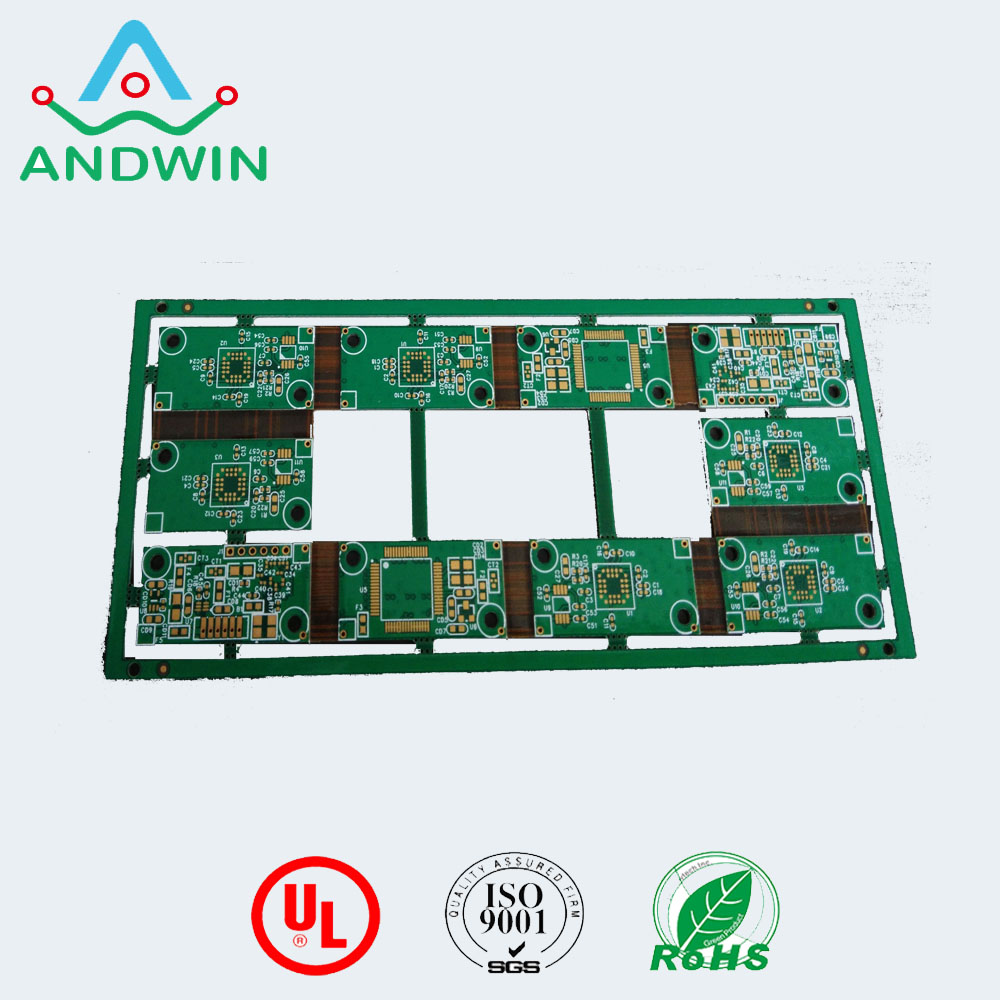
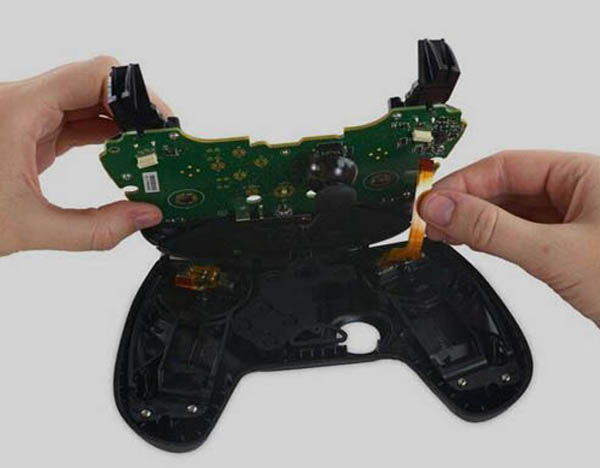
The consumer electronics industry is yet another sector that benefits from the advantages offered by rigid flex PCBs. Smartphones, tablets, and wearable devices are becoming increasingly compact, requiring flexible circuitry to fit within the limited space available.
Rigid flex PCBs enable manufacturers to design sleek and slim devices while maintaining the necessary connectivity and functionality.
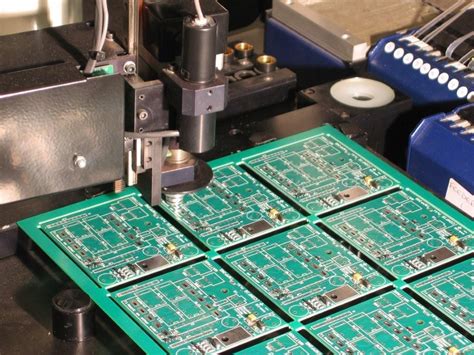
As the demand for rigid flex PCBs continues to grow, so does the need for advanced manufacturing techniques and materials. Manufacturers are investing in state-of-the-art equipment and technologies to ensure the production of high-quality rigid flex PCBs.
Advanced materials, such as polyimide and liquid crystal polymer, are being used to enhance the flexibility and durability of these PCBs.
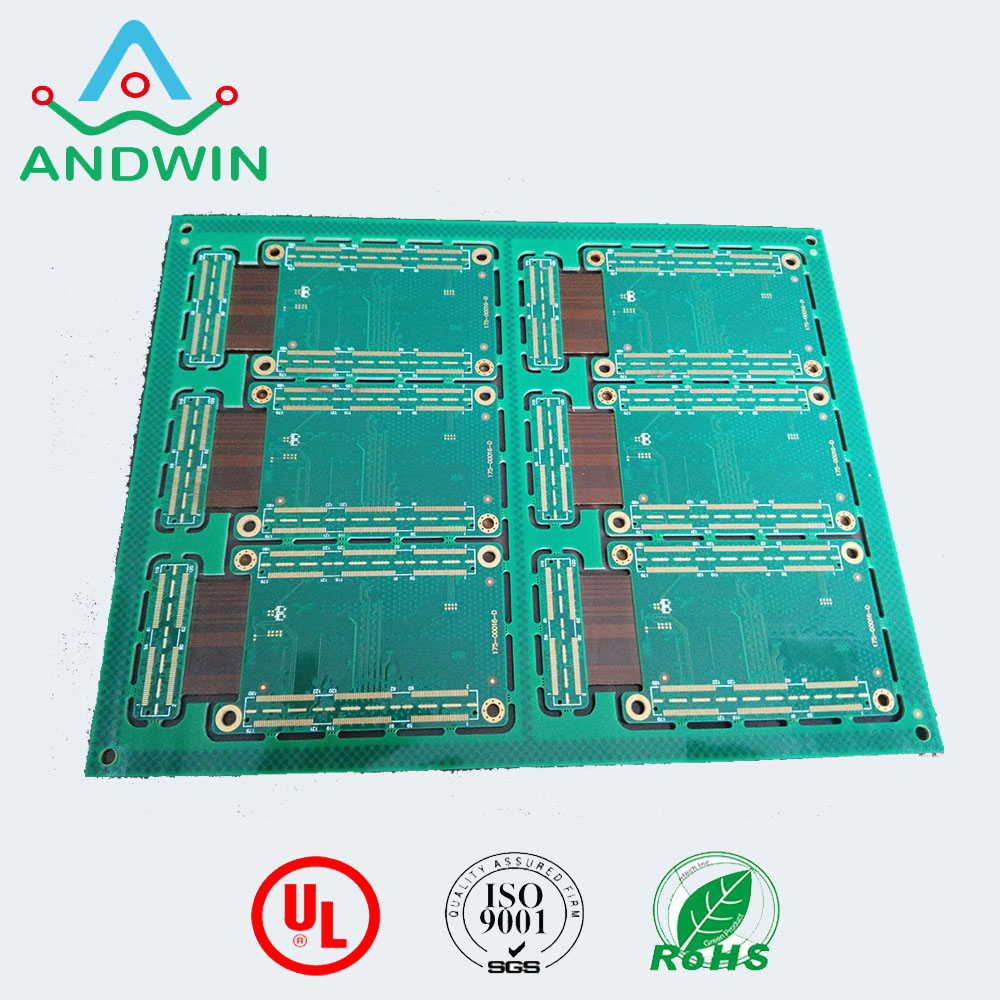
In conclusion, the rigid flex PCB market is witnessing significant growth due to the increasing demand for smaller, lighter, and more efficient electronic devices. Industries such as automotive, medical, aerospace, defense, and consumer electronics are driving this demand, as they seek innovative solutions that can provide flexibility without compromising on performance.
With advancements in manufacturing techniques and materials, the future of the rigid flex PCB market looks promising, offering endless possibilities for the electronics industry.