Rigid flex pcb thickness
Understanding The Importance Of Rigid Flex PCB Thickness In Modern Electronics
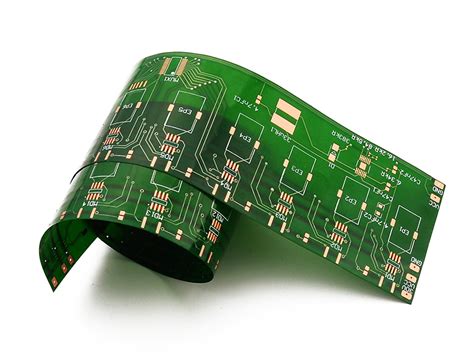
Rigid flex printed circuit boards (PCBs) have become a cornerstone in modern electronics, offering a unique combination of the benefits of both rigid and flexible circuits. As electronic devices continue to shrink in size while increasing in functionality, the importance of understanding the various aspects of rigid flex PCB design cannot be overstated.
One critical factor that significantly impacts the performance, reliability, and manufacturability of these PCBs is their thickness.
To begin with, the thickness of a rigid flex PCB plays a pivotal role in determining its mechanical properties. Thicker boards tend to be more robust and can withstand greater mechanical stress, which is particularly important in applications where the PCB will be subjected to frequent bending or flexing. Conversely, thinner boards are more flexible and can be used in applications where space constraints are a primary concern. Therefore, selecting the appropriate thickness is a balancing act that requires careful consideration of the specific requirements of the application.
Moreover, the electrical performance of a rigid flex PCB is also influenced by its thickness.
Thicker boards can accommodate wider traces and larger vias, which can reduce electrical resistance and improve signal integrity. This is especially crucial in high-frequency applications where signal loss and electromagnetic interference can be significant issues. On the other hand, thinner boards may introduce higher resistance and potential signal degradation, necessitating the use of advanced materials and design techniques to mitigate these effects.
In addition to mechanical and electrical considerations, the thermal management of a rigid flex PCB is another aspect that is closely tied to its thickness.
Thicker boards generally have better heat dissipation capabilities, which can be beneficial in high-power applications where excessive heat generation is a concern. Effective thermal management is essential to ensure the longevity and reliability of electronic components, as excessive heat can lead to premature failure. Therefore, designers must carefully evaluate the thermal requirements of their application when determining the appropriate PCB thickness.
Furthermore, the manufacturability of rigid flex PCBs is also affected by their thickness.
Thicker boards can be more challenging to fabricate, as they may require more complex drilling and plating processes. This can increase production costs and lead times, which are important considerations for manufacturers. Conversely, thinner boards are generally easier to produce but may require additional support during assembly to prevent damage. Therefore, striking the right balance between thickness and manufacturability is crucial to achieving cost-effective and reliable production.
It is also worth noting that the choice of materials used in the construction of rigid flex PCBs can influence their thickness.
Advanced materials such as polyimide and liquid crystal polymer (LCP) offer excellent electrical and thermal properties while allowing for thinner constructions. These materials can be particularly advantageous in applications where space and weight are critical factors, such as in aerospace and medical devices.
In conclusion, the thickness of a rigid flex PCB is a multifaceted parameter that impacts its mechanical, electrical, and thermal performance, as well as its manufacturability. Designers must carefully consider the specific requirements of their application and strike a balance between these various factors to achieve optimal performance and reliability. As technology continues to evolve, the importance of understanding and optimizing rigid flex PCB thickness will only grow, making it a critical area of focus for engineers and manufacturers alike.
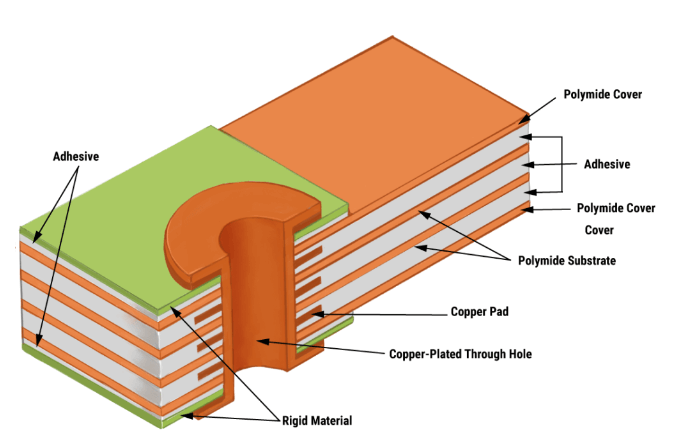
Factors Influencing The Thickness Of Rigid Flex PCBs
Rigid flex printed circuit boards (PCBs) are a hybrid of rigid and flexible circuits, designed to meet the demands of complex electronic applications. The thickness of these PCBs is a critical factor that influences their performance, reliability, and manufacturability. Several factors contribute to the overall thickness of rigid flex PCBs, each playing a significant role in determining the final product’s characteristics.
One of the primary factors influencing the thickness of rigid flex PCBs is the number of layers.
Rigid flex PCBs can range from simple single-layer designs to complex multi-layer configurations. Each additional layer increases the overall thickness, as it requires more material and additional bonding processes. The complexity of the circuit design often dictates the number of layers needed, with more intricate designs necessitating more layers to accommodate the required connections and components.
Another crucial factor is the type of materials used in the construction of the PCB.
Rigid flex PCBs are typically composed of a combination of rigid materials, such as FR4, and flexible materials, like polyimide. The thickness of these materials can vary, and the choice of material impacts the overall thickness of the PCB. For instance, thicker layers of polyimide can provide greater flexibility but also contribute to increased thickness. Conversely, thinner materials may reduce the overall thickness but might compromise the board’s mechanical strength and durability.
The copper weight, or the thickness of the copper layers used in the PCB, also plays a significant role.
Copper is used to create the conductive pathways on the PCB, and its thickness can vary depending on the current-carrying requirements of the circuit. Thicker copper layers are often necessary for high-current applications, which in turn increases the overall thickness of the PCB. However, designers must balance the need for thicker copper with the desire to keep the PCB as thin as possible to meet space and weight constraints.
Additionally, the adhesive materials used to bond the rigid and flexible layers together can influence the thickness of the PCB.
These adhesives must provide a strong bond while maintaining flexibility and thermal stability. The thickness of the adhesive layer can add to the overall thickness of the PCB, and selecting the appropriate adhesive is crucial to achieving the desired balance between thickness and performance.
Manufacturing processes and tolerances also affect the final thickness of rigid flex PCBs.
Variations in the lamination process, for example, can lead to differences in the thickness of the finished product. Manufacturers must carefully control these processes to ensure consistent thickness across production runs. Moreover, the precision of the equipment used in the manufacturing process can impact the thickness, with more advanced machinery typically offering tighter tolerances and more consistent results.
Finally, the specific application and environmental conditions in which the rigid flex PCB will be used can dictate the required thickness.
For example, PCBs used in aerospace or medical devices may need to meet stringent thickness requirements to ensure reliability and performance under extreme conditions. Designers must consider these application-specific requirements when determining the appropriate thickness for the PCB.
In conclusion, the thickness of rigid flex PCBs is influenced by a multitude of factors, including the number of layers, material selection, copper weight, adhesive materials, manufacturing processes, and application-specific requirements. Each of these factors must be carefully considered and balanced to achieve the desired performance, reliability, and manufacturability of the final product. Understanding these influences allows designers and manufacturers to optimize the thickness of rigid flex PCBs to meet the demands of increasingly complex electronic applications.
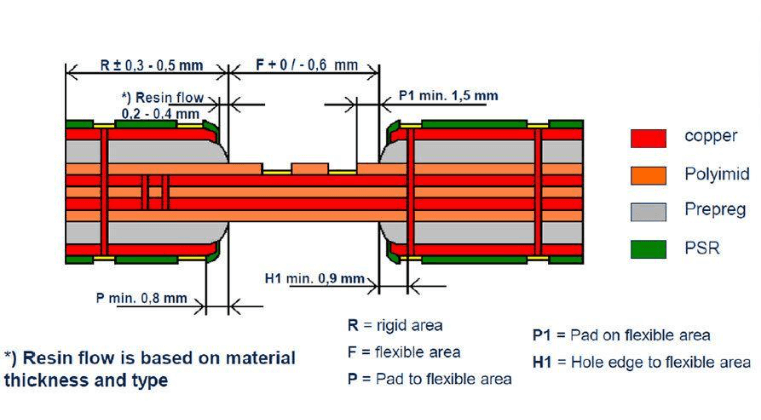
How To Choose The Right Thickness For Your Rigid Flex PCB Design
When designing a rigid-flex PCB, selecting the appropriate thickness is a critical decision that can significantly impact the performance, reliability, and manufacturability of the final product. The process of choosing the right thickness involves a careful consideration of several factors, including the application’s requirements, mechanical constraints, electrical performance, and manufacturing capabilities. Understanding these factors and how they interplay is essential for making an informed decision.
To begin with, the application’s requirements are paramount.
The intended use of the rigid-flex PCB will dictate many of its design parameters, including thickness. For instance, in applications where space is at a premium, such as in medical devices or wearable technology, a thinner PCB may be necessary to meet the compact form factor. Conversely, applications that demand higher mechanical strength, such as automotive or industrial equipment, may benefit from a thicker PCB to withstand harsh conditions and mechanical stress.
Mechanical constraints also play a significant role in determining the appropriate thickness.
he flexibility of the flex sections and the rigidity of the rigid sections must be balanced to ensure the PCB can withstand bending and flexing without compromising its structural integrity. A thinner flex section can provide greater flexibility, which is advantageous in dynamic applications where the PCB must bend frequently. However, if the flex section is too thin, it may be prone to damage or failure. On the other hand, the rigid sections must be thick enough to provide the necessary support and stability for components and connectors.
Electrical performance is another crucial consideration.
The thickness of the PCB can affect signal integrity, impedance control, and thermal management. Thicker PCBs can offer better heat dissipation, which is beneficial for high-power applications. However, they may also introduce challenges in maintaining signal integrity, especially for high-frequency signals. Thinner PCBs can provide better impedance control, which is essential for high-speed digital circuits. Therefore, it is important to strike a balance between mechanical and electrical requirements to ensure optimal performance.
Manufacturing capabilities and limitations must also be taken into account.
Not all manufacturers can produce rigid-flex PCBs with the same range of thicknesses. It is essential to consult with your PCB manufacturer early in the design process to understand their capabilities and any potential constraints. This collaboration can help avoid design iterations and ensure that the final product can be manufactured reliably and cost-effectively. Additionally, the choice of materials and the number of layers in the PCB stack-up will influence the overall thickness. Different materials have varying thicknesses and properties, which can affect the flexibility, durability, and performance of the PCB.
In conclusion, choosing the right thickness for your rigid-flex PCB design requires a comprehensive evaluation of the application’s requirements, mechanical constraints, electrical performance, and manufacturing capabilities. By carefully considering these factors and working closely with your PCB manufacturer, you can ensure that your design meets the necessary specifications and performs reliably in its intended application. This thoughtful approach will ultimately lead to a successful and robust rigid-flex PCB design that meets the demands of modern electronic devices.

The Impact Of Rigid Flex PCB Thickness On Performance And Durability
Rigid flex printed circuit boards (PCBs) have become increasingly popular in various industries due to their unique combination of flexibility and rigidity, which allows for more complex and compact electronic designs. One critical aspect that significantly influences the performance and durability of rigid flex PCBs is their thickness. Understanding the impact of rigid flex PCB thickness on these two crucial factors is essential for engineers and designers aiming to optimize their electronic products.
To begin with, the thickness of a rigid flex PCB directly affects its mechanical strength and flexibility.
Thicker PCBs tend to be more robust and can withstand greater mechanical stress, making them suitable for applications where durability is paramount. For instance, in aerospace and military applications, where electronic components are subjected to harsh environmental conditions and mechanical vibrations, thicker rigid flex PCBs provide the necessary resilience. Conversely, thinner PCBs offer greater flexibility, which is advantageous in applications requiring intricate folding or bending, such as in wearable technology and medical devices. Therefore, selecting the appropriate thickness involves a trade-off between mechanical strength and flexibility, depending on the specific requirements of the application.
Moreover, the electrical performance of rigid flex PCBs is also influenced by their thickness.
Thicker PCBs generally have lower electrical resistance, which can enhance signal integrity and reduce power loss. This is particularly important in high-frequency applications, where signal degradation can significantly impact the overall performance of the electronic device. Additionally, thicker PCBs can accommodate wider and thicker copper traces, which further improves current-carrying capacity and reduces the risk of overheating. However, it is essential to balance these benefits with the potential drawbacks, such as increased weight and reduced flexibility, which may not be suitable for all applications.
In addition to mechanical and electrical considerations, thermal management is another critical factor affected by the thickness of rigid flex PCBs.
Thicker PCBs have better heat dissipation properties, which can help prevent overheating and extend the lifespan of electronic components. This is particularly crucial in high-power applications, such as power supplies and LED lighting, where efficient thermal management is essential to maintain optimal performance and prevent premature failure. On the other hand, thinner PCBs may require additional thermal management solutions, such as heat sinks or thermal vias, to ensure adequate heat dissipation.
Furthermore, the manufacturing process and cost implications of rigid flex PCB thickness should not be overlooked. Thicker PCBs typically require more materials and longer processing times, which can increase production costs. Additionally, the complexity of the manufacturing process may also rise with increased thickness, as it can be more challenging to achieve precise layer alignment and maintain consistent quality. Therefore, it is crucial to carefully consider the cost-performance trade-offs when selecting the appropriate thickness for a specific application.
In conclusion, the thickness of rigid flex PCBs plays a vital role in determining their performance and durability. By carefully balancing mechanical strength, flexibility, electrical performance, thermal management, and manufacturing considerations, engineers and designers can optimize their electronic products to meet the specific demands of their applications. As technology continues to advance and the demand for more compact and reliable electronic devices grows, the importance of selecting the appropriate rigid flex PCB thickness will only become more pronounced.