Rigid-Flex PCB Thickness: A Crucial Consideration in Electronic Design
In the world of electronic design, there are numerous factors to consider when selecting the right materials and components for a printed circuit board (PCB). One crucial aspect that often goes unnoticed is the thickness of the PCB, particularly in the case of rigid-flex PCBs.
The thickness of a rigid-flex PCB plays a significant role in determining its overall performance, reliability, and functionality. In this article, we will explore the importance of rigid-flex PCB thickness and its impact on electronic design.
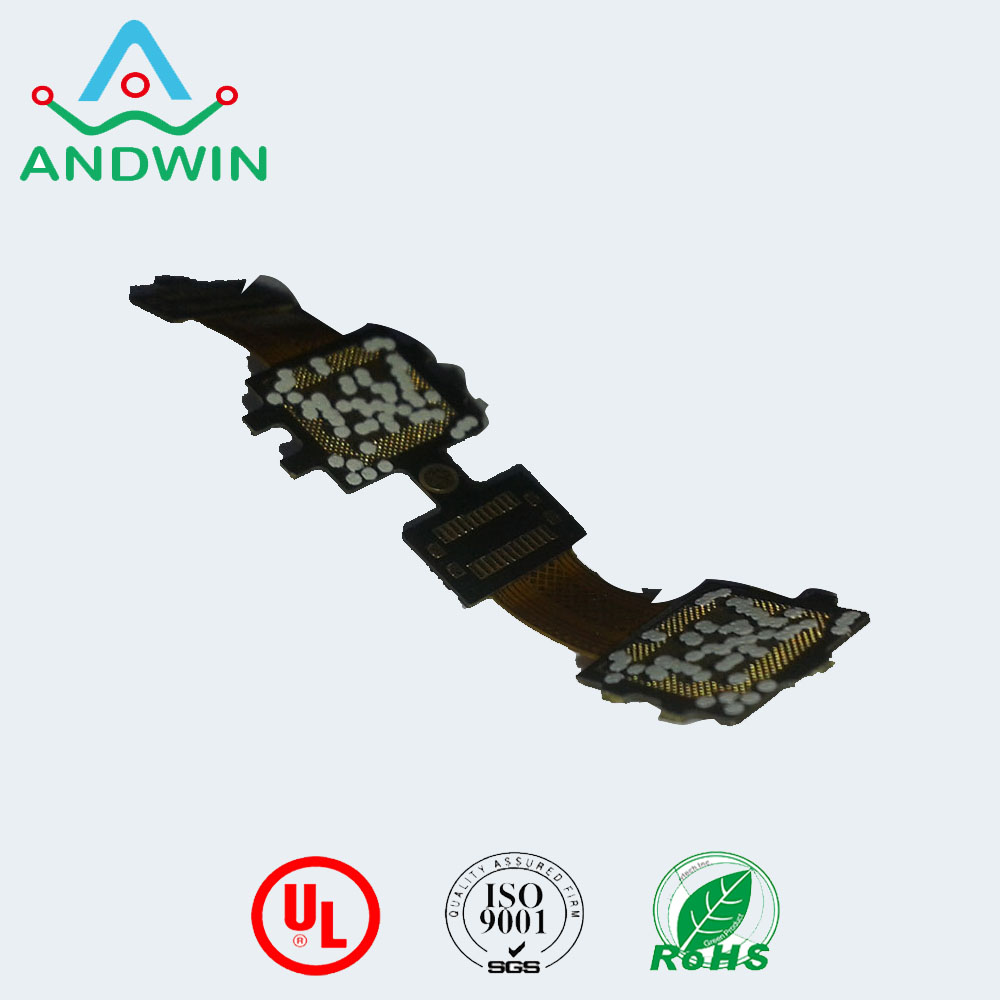
Rigid-flex PCBs are a hybrid of traditional rigid PCBs and flexible PCBs, offering the benefits of both. They consist of multiple layers of rigid and flexible substrates interconnected through plated through-holes (PTHs) or flexible connectors.
This unique construction allows for three-dimensional flexibility, making them ideal for applications where space is limited or where the PCB needs to be bent or folded to fit into a specific enclosure.
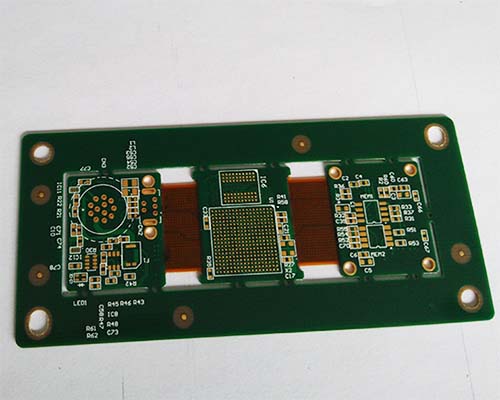
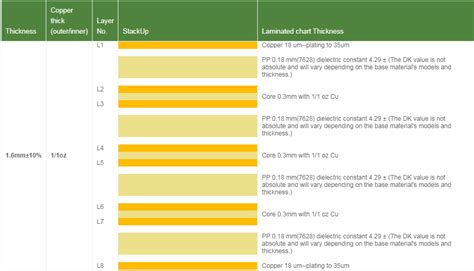
The thickness of a rigid-flex PCB is crucial as it affects various aspects of its performance. Firstly, it determines the overall mechanical strength and durability of the board. A thicker PCB is generally sturdier and less prone to bending or breaking under stress.
This is particularly important in applications where the board will be subjected to vibrations, shocks, or repeated flexing.
Secondly, the thickness of the rigid-flex PCB affects its flexibility. A thinner board offers greater flexibility, allowing it to bend and conform to the desired shape more easily.
This is advantageous in applications where the PCB needs to be folded, twisted, or bent to fit into tight spaces or irregular shapes. On the other hand, a thicker board may limit the degree of flexibility, making it less suitable for certain applications.
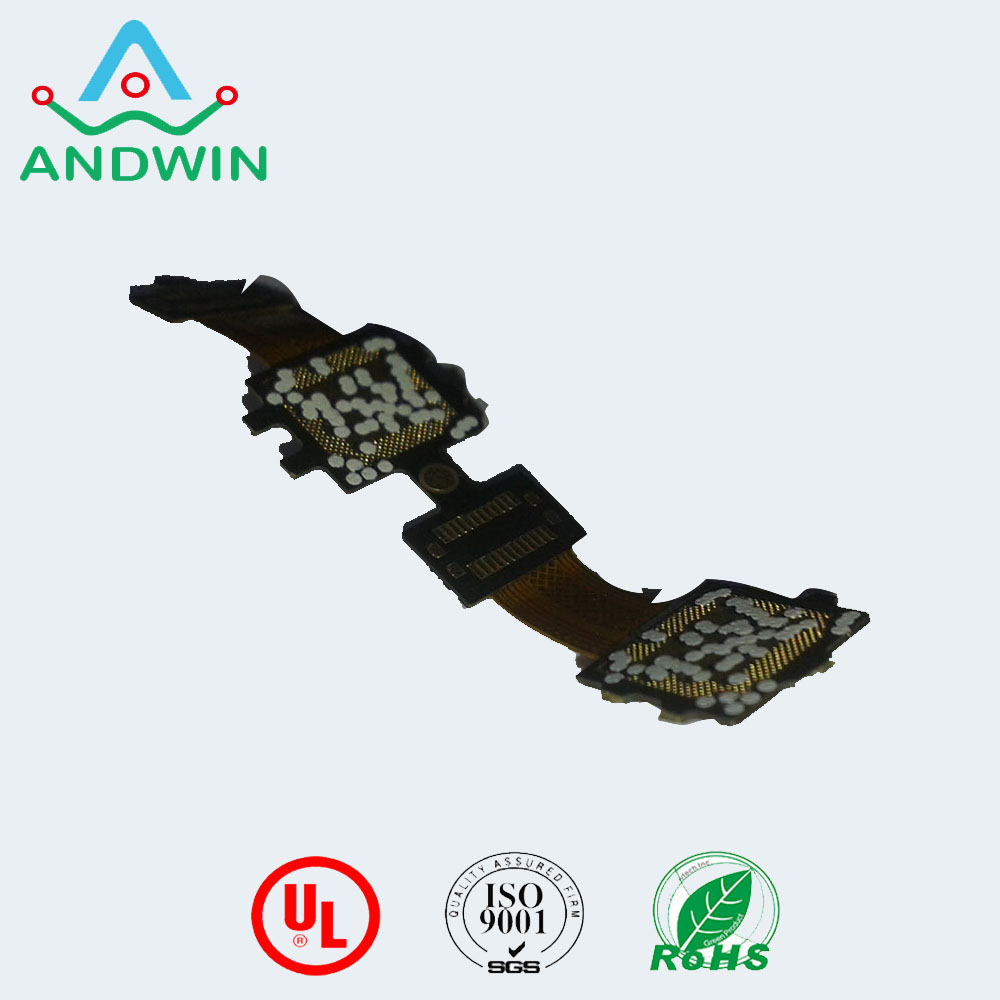
Furthermore, the thickness of the rigid-flex PCB also impacts its electrical performance. A thicker board generally has lower impedance and better signal integrity due to reduced parasitic capacitance and inductance.
This is particularly important in high-speed applications where signal integrity is critical, such as in data communication or high-frequency circuits. However, it is essential to strike a balance as an excessively thick board may lead to signal reflections or impedance mismatches.
The choice of rigid-flex PCB thickness also depends on the specific requirements of the application. For instance, in aerospace or military applications, where reliability and ruggedness are paramount, a thicker board may be preferred to withstand harsh environments.
Conversely, in miniaturized consumer electronics or wearable devices, a thinner and more flexible board may be necessary to meet size and weight constraints.

When designing a rigid-flex PCB, it is crucial to work closely with the manufacturer to determine the optimal thickness for the specific application.
The manufacturer’s expertise and experience in rigid-flex PCB fabrication and assembly can provide valuable insights into the appropriate thickness based on the design requirements, materials used, and manufacturing capabilities.
In conclusion, the thickness of a rigid-flex PCB is a critical consideration in electronic design. It impacts the mechanical strength, flexibility, and electrical performance of the board.
Choosing the right thickness requires a careful balance between durability, flexibility, and electrical characteristics to ensure optimal performance and reliability. By understanding the importance of rigid-flex PCB thickness and collaborating with experienced manufacturers, designers can create robust and efficient electronic systems that meet the demands of modern applications.