Rigid Flex vs Flex PCB
Rigid-flex and flex PCBs are two types of printed circuit boards that are used in various electronic applications. While both types offer flexibility, they differ in terms of design, construction, and application. In this article, we will explore the differences between rigid-flex and flex PCBs in detail.
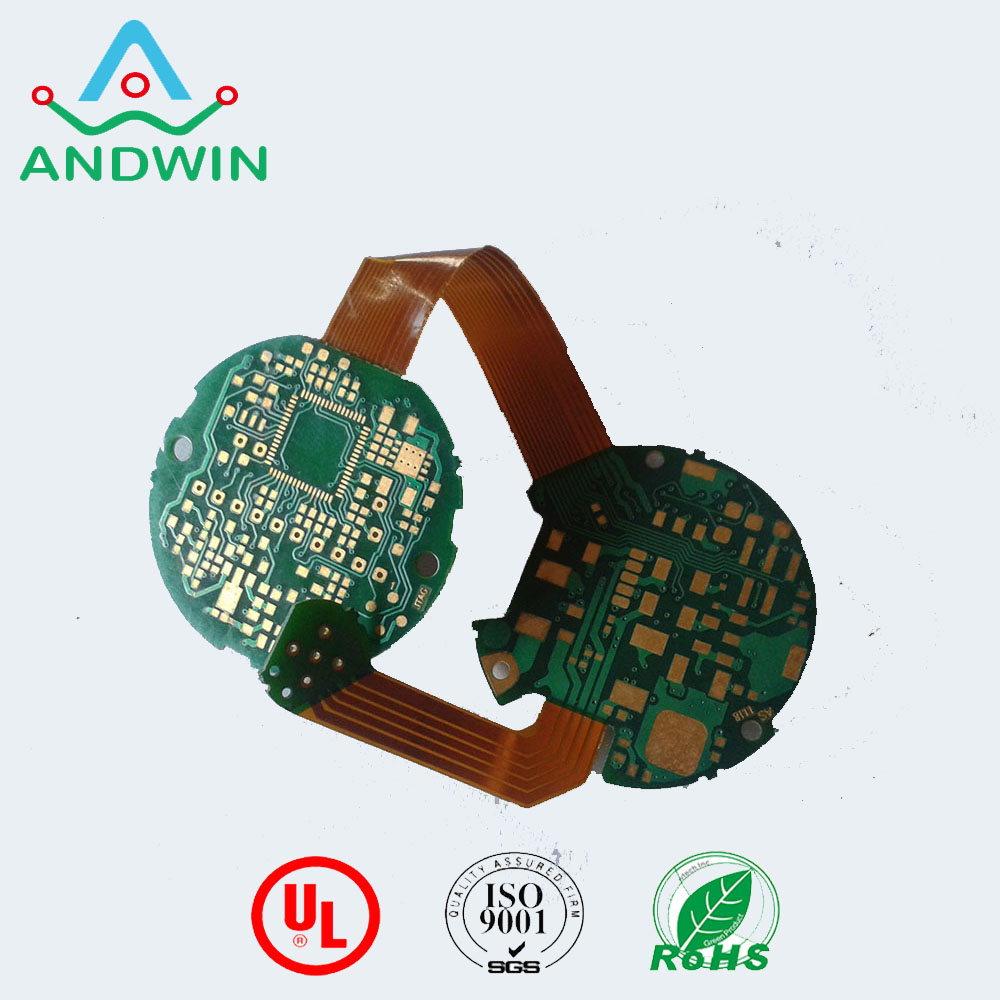
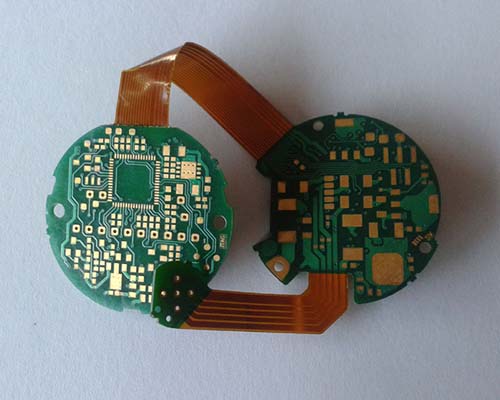
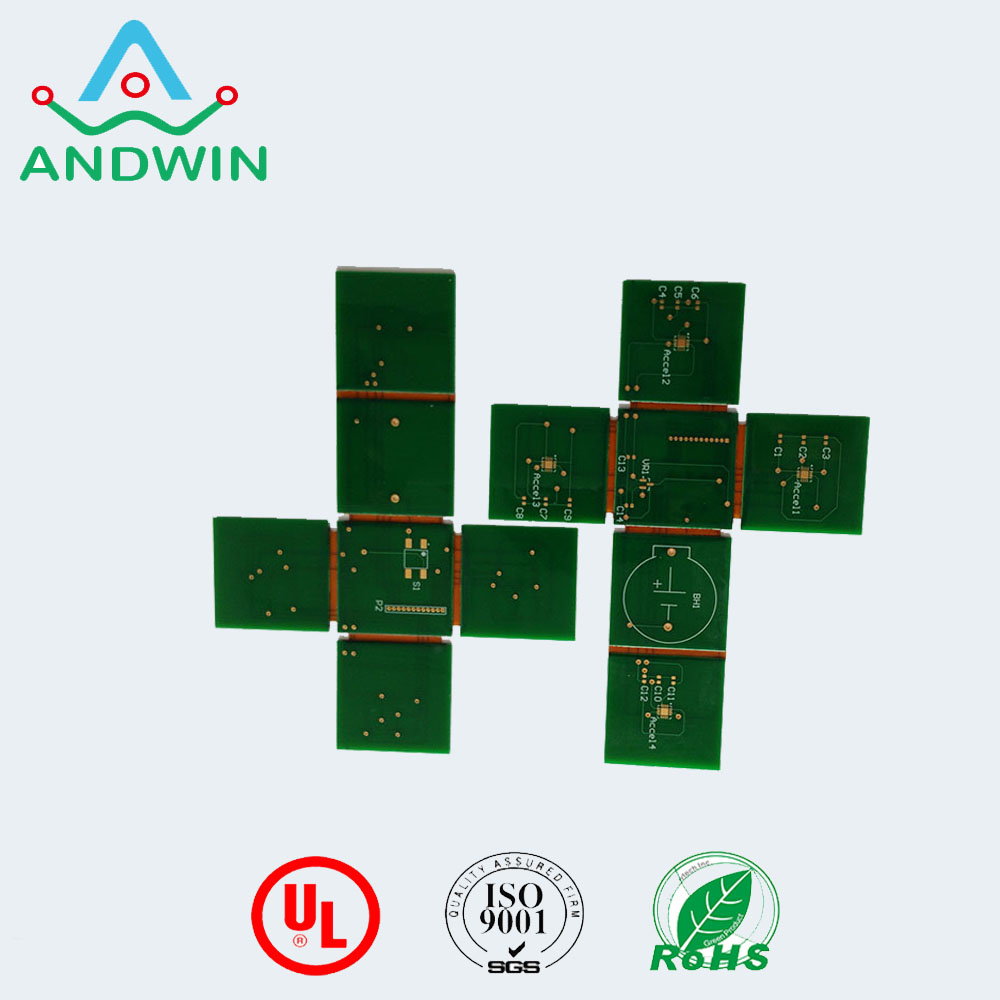
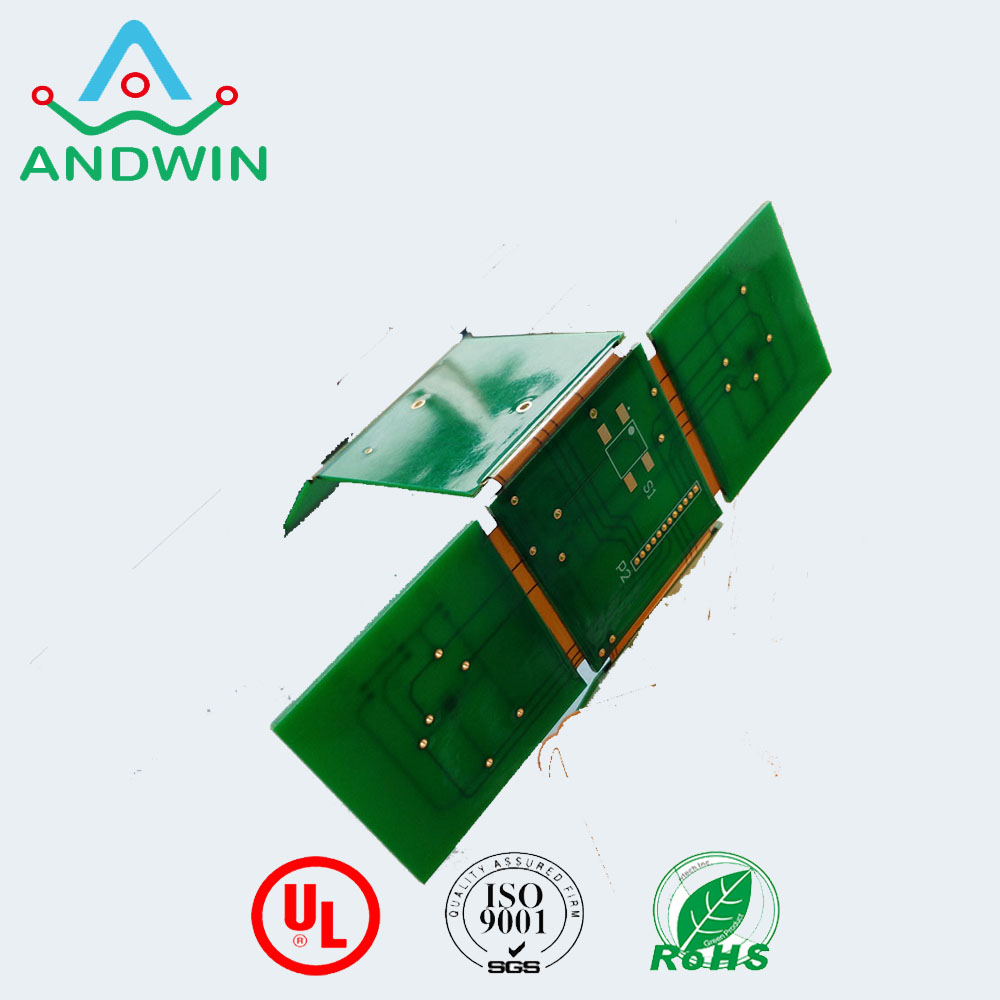
Rigid-flex PCBs are a hybrid of rigid and flexible PCBs, combining the benefits of both types into a single board. They consist of multiple layers of flexible circuit materials that are laminated together with layers of rigid materials. This construction allows the board to have both rigid and flexible areas, enabling it to bend and fold without compromising its structural integrity.
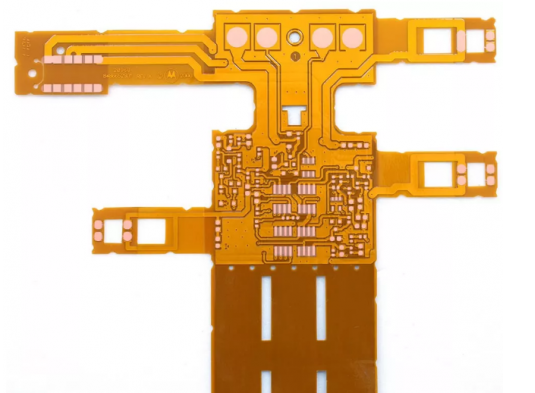
Flex PCBs, on the other hand, are made entirely of flexible materials, typically polyimide or polyester films. These materials have excellent flexibility and can be bent or twisted to fit into tight spaces or conform to irregular shapes. Flex PCBs are commonly used in applications where space is limited or where the board needs to be bent or folded during installation.
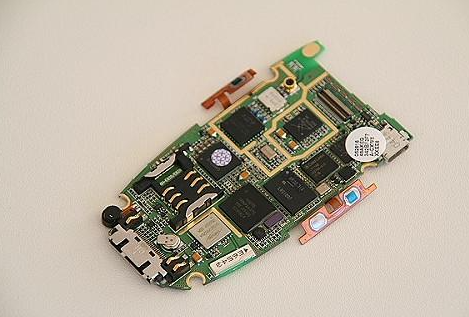
One of the main advantages of rigid-flex PCBs is their ability to reduce the overall size and weight of electronic devices. By eliminating the need for connectors and cables, rigid-flex PCBs can be designed to fit into smaller and more compact spaces. This makes them ideal for applications such as smartphones, tablets, and wearable devices, where size and weight are critical factors.
Flex PCBs, on the other hand, are more suitable for applications that require a high degree of flexibility or where the board needs to be bent or twisted during operation. They are commonly used in industries such as aerospace, automotive, and medical, where the boards need to withstand harsh environments or repetitive motion.
In terms of design flexibility, rigid-flex PCBs offer more options compared to flex PCBs. With rigid-flex PCBs, designers have the freedom to create complex three-dimensional shapes, allowing for more efficient use of space and improved functionality. Flex PCBs, on the other hand, are limited to two-dimensional designs and are typically used in simpler applications.
When it comes to manufacturing, rigid-flex PCBs are more complex and require specialized equipment and processes. The lamination process used to bond the rigid and flexible layers together requires precise control of temperature, pressure, and time. Flex PCBs, on the other hand, are relatively simpler to manufacture and can be produced using standard PCB manufacturing techniques.
In terms of cost, rigid-flex PCBs are generally more expensive compared to flex PCBs. The additional complexity in design and manufacturing processes contributes to the higher cost of rigid-flex PCBs. However, the cost difference may vary depending on the specific requirements of the application and the volume of production.
In conclusion, both rigid-flex and flex PCBs offer unique advantages and are suitable for different applications. Rigid-flex PCBs are ideal for compact and lightweight devices, where space and weight are critical factors. Flex PCBs, on the other hand, are more suitable for applications that require a high degree of flexibility or where the board needs to be bent or twisted during operation. Ultimately, the choice between rigid-flex and flex PCBs depends on the specific requirements of the application and the trade-offs between cost, design flexibility, and manufacturing complexity.