Rogers 3000 pcb
Rogers 3000 is a family of high-performance laminates and prepregs used in the manufacturing of printed circuit boards (PCBs).
These materials are designed to offer excellent electrical, thermal, and mechanical properties,
making them ideal for high-frequency and high-speed applications.
Rogers 3000 laminates are made of woven glass reinforced hydrocarbon/ceramic materials,
which provide low dielectric constant and loss, high thermal conductivity, and excellent dimensional stability.
Rogers 3000 prepregs are made of the same materials as the laminates and are used to bond the layers of the PCB together.
Rogers 3000 PCBs are commonly used in applications such as wireless communication, aerospace, and defense,
where high reliability and performance are critical.
The use of Rogers 3000 materials in PCB manufacturing ensures that the PCBs are of high quality and meet the stringent requirements of these industries.
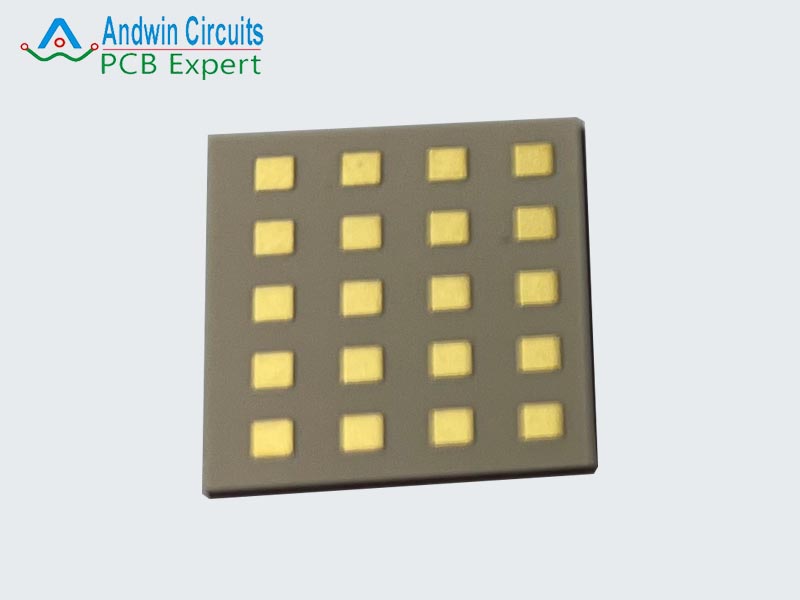
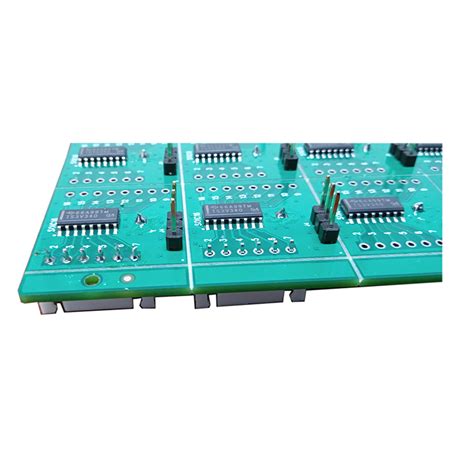
Assortment of Rogers 3000 circuit boards
An assortment of Rogers 3000 circuit boards may include:
1. RF and microwave circuit boards: These circuit boards are used in high-frequency applications such as radar systems,
satellite communication, and wireless networks.
2. Antenna circuit boards: These circuit boards are used in the design and manufacturing of antennas for various applications such as cellular, GPS, and satellite communication.
3. Power amplifier circuit boards: These circuit boards are used in the design and manufacturing of power amplifiers for applications such as wireless communication, defense, and aerospace.
4. High-speed digital circuit boards: These circuit boards are used in the design and manufacturing of high-speed digital systems such as computer motherboards, servers, and data centers.
5. Automotive circuit boards: These circuit boards are used in the design and manufacturing of automotive electronics such as engine control units, infotainment systems, and safety systems.
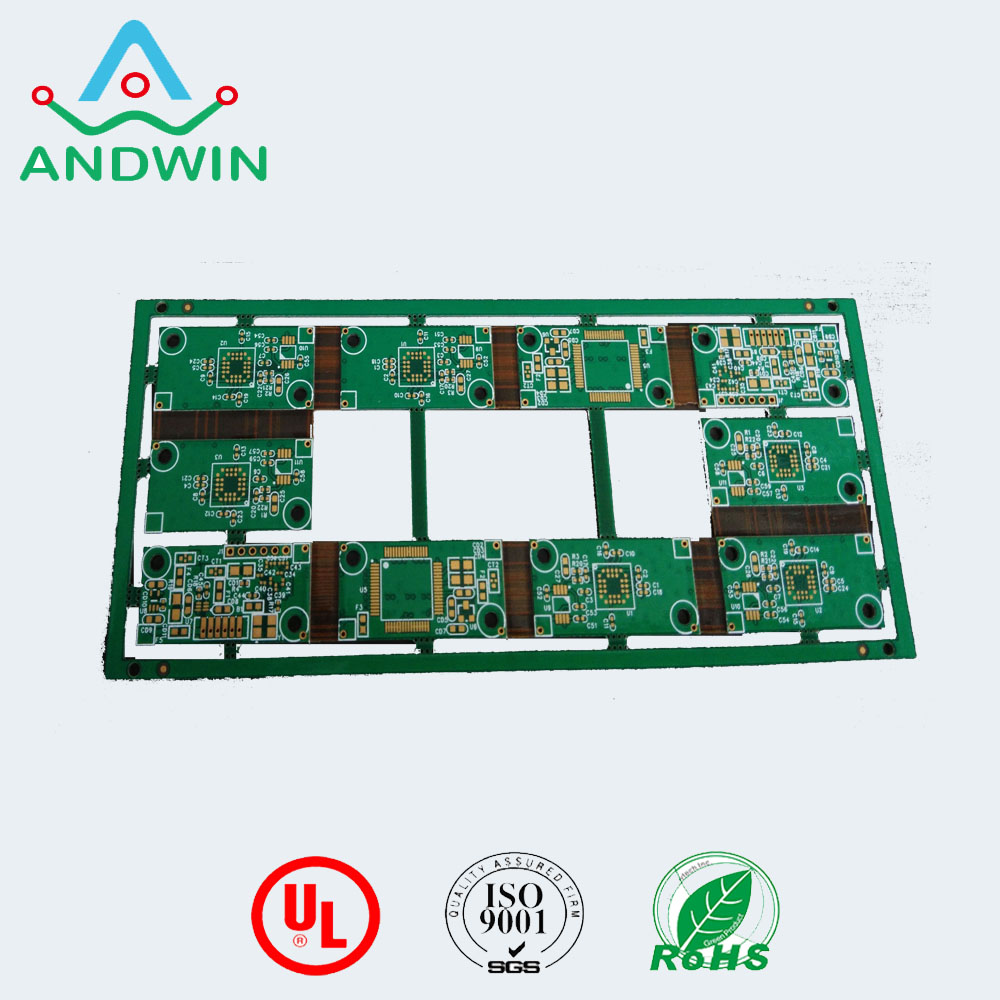
6. Medical device circuit boards: These circuit boards are used in the design and manufacturing of medical devices such as ultrasound machines, MRI scanners, and patient monitoring systems.
An assortment of Rogers 3000 circuit boards can be customized to meet the specific requirements of various industries and applications.
Rogers 3000 circuit board fabrication process
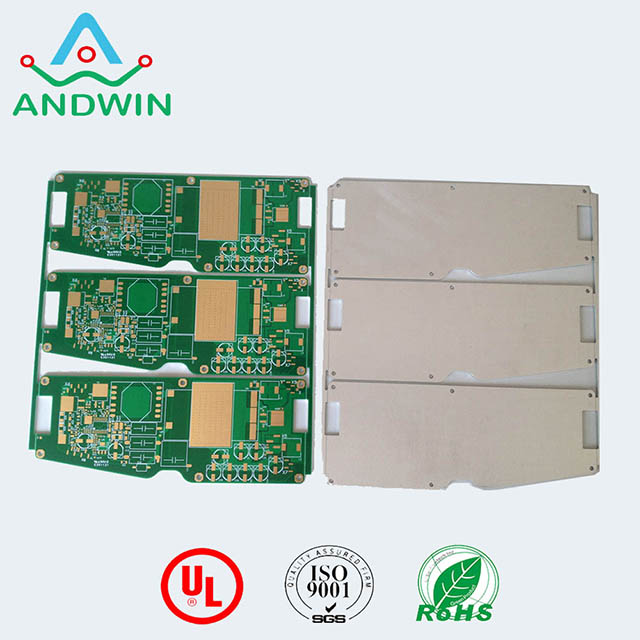
The fabrication process for Rogers 3000 circuit boards typically involves the following steps:
1. Design: The circuit board design is created using computer-aided design (CAD) software.
2. Material selection: The appropriate Rogers 3000 material is selected based on the requirements of the circuit board design.
3. Cutting: The Rogers 3000 material is cut to the required size using a CNC machine.
4. Drilling: Holes are drilled into the circuit board using a CNC machine.
5. Lamination: The layers of the circuit board are laminated together using heat and pressure.
6. Etching: The copper traces and pads are etched onto the circuit board using a chemical process.
7. Plating: The copper traces and pads are plated with a layer of tin or gold to protect them from oxidation.
8. Solder mask application: A layer of solder mask is applied to the circuit board to protect the copper traces and pads from soldering.
9. Silkscreen printing: The component labels and other markings are printed onto the circuit board using a silkscreen printing process.
10. Testing: The circuit board is tested to ensure that it meets the required specifications.
11. Assembly: The components are assembled onto the circuit board using automated or manual processes.
12. Final testing: The assembled circuit board is tested again to ensure that it functions correctly.