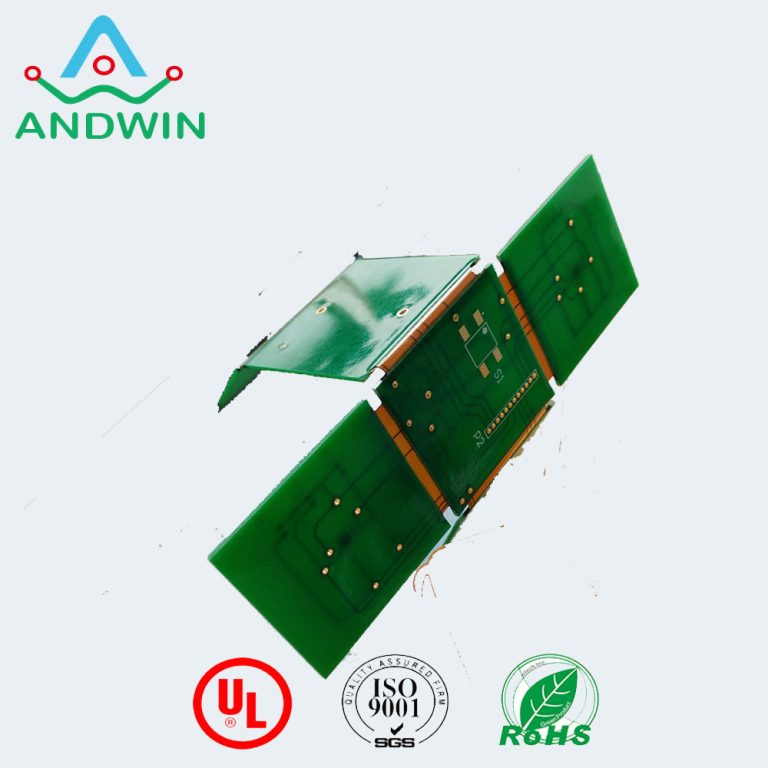
Rogers 5g pcb
1. Choose the right material: Rogers offers a range of materials for 5G circuit boards, each with different properties. Choose the material that best suits your application based on factors such as frequency, signal loss, thermal management, and cost.
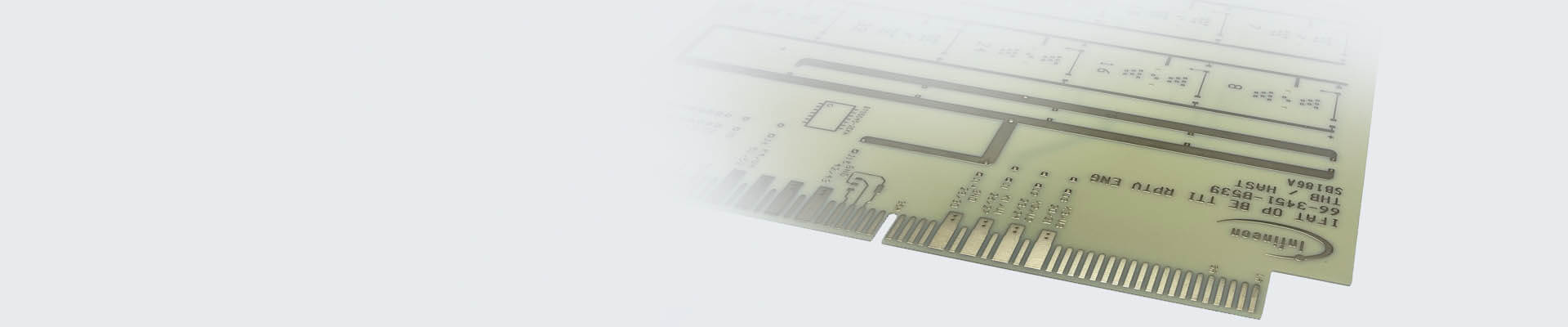
2. Design the circuit board: Design the circuit board using standard PCB design software.
Make sure to follow best practices for RF design, such as minimizing trace lengths and avoiding sharp corners.
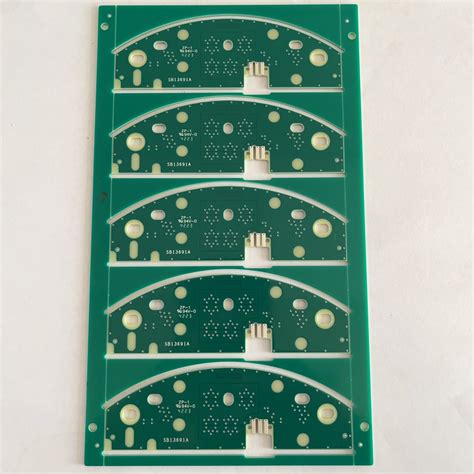
3. Fabricate the board: Once the design is complete, send the files to a PCB manufacturer for fabrication.
Make sure to choose a manufacturer that has experience working with Rogers materials.
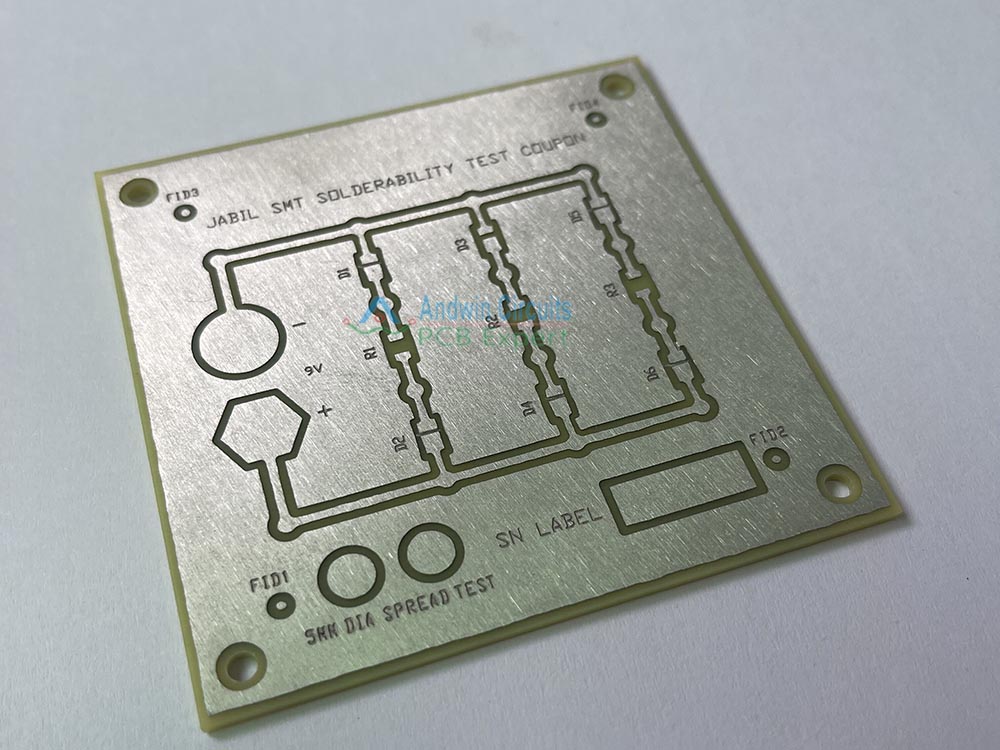
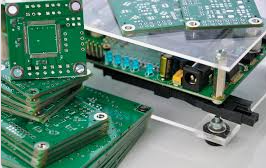
4. Assemble the board: Once the board is fabricated, assemble it with the necessary components.
Follow standard assembly procedures, taking care to avoid damaging the board or components.
5. Test the board: Test the board to ensure that it meets the required specifications.
Use standard RF testing equipment to measure parameters such as insertion loss, return loss, and impedance.
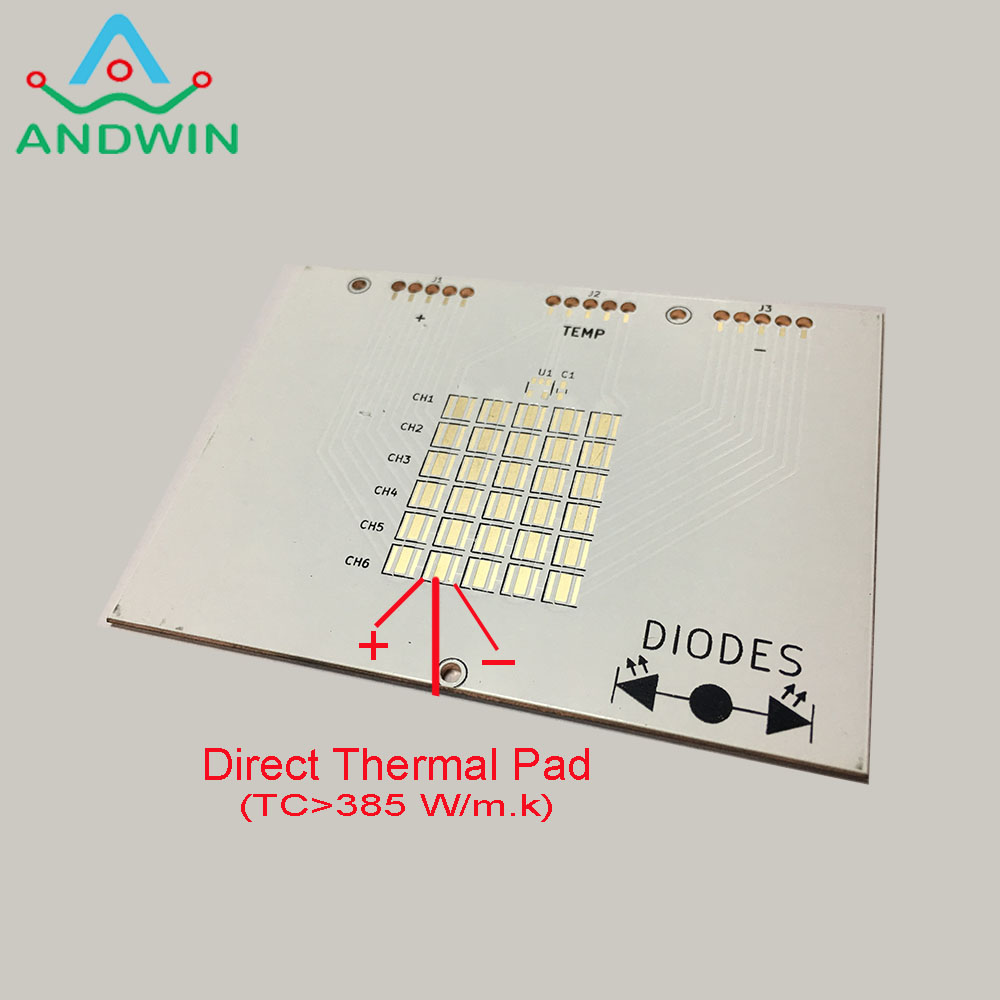
Overall, using a Rogers 5G circuit board requires careful attention to RF design principles and material selection.
With the right approach, however, these boards can provide excellent performance in 5G applications.