Rogers board pcb
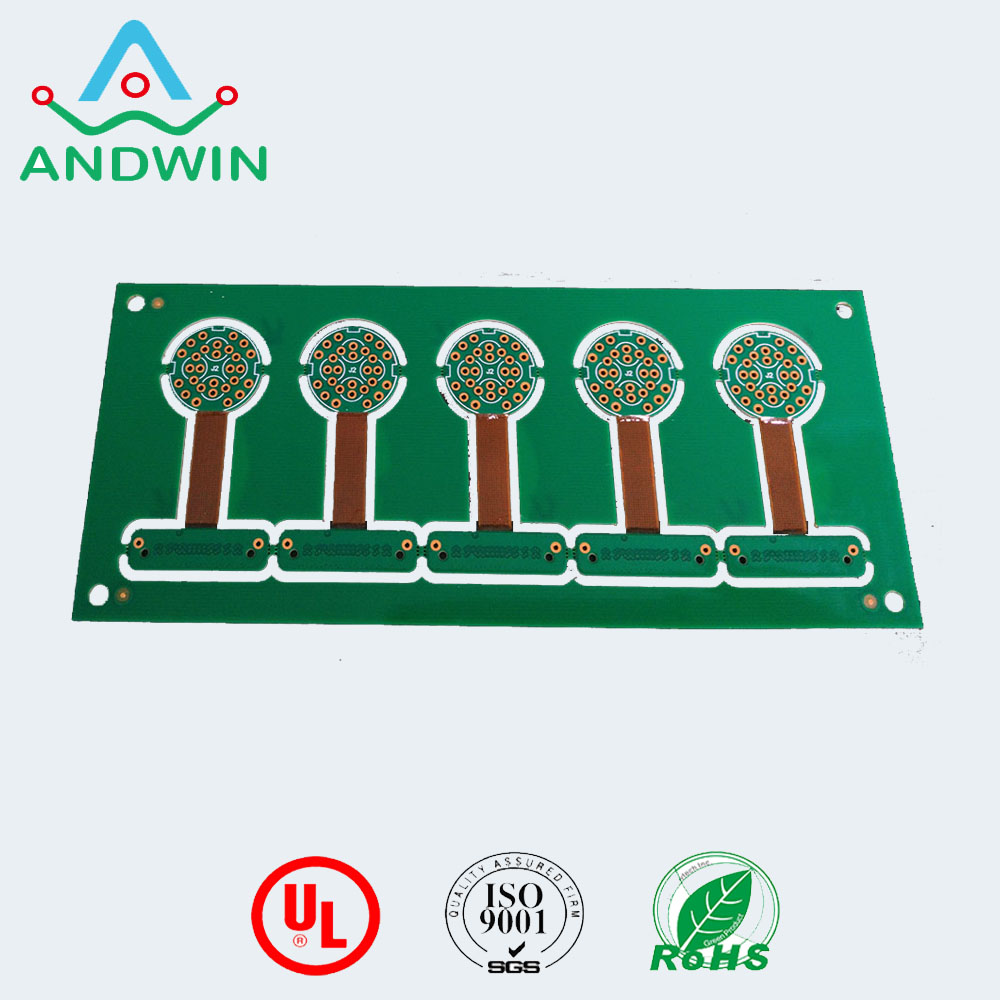
A Rogers board PCB is a printed circuit board (PCB) made using Rogers PCB materials.
Rogers Corporation is a leading manufacturer of high-performance materials used in the fabrication of PCBs.
Rogers PCB materials are known for their excellent electrical properties, low loss,
and high-frequency performance, making them ideal for applications such as microwave and RF circuits.
Rogers board PCBs are commonly used in the telecommunications, aerospace, and defense industries,
as well as in high-speed digital applications.
These PCBs are designed to provide reliable performance in harsh environments and
are often used in applications where high-frequency signals need to be transmitted with minimal loss.
When designing a Rogers board PCB, it’s important to work with an experienced PCB designer
who has a thorough understanding of the material properties and design considerations.
This will help ensure that the PCB meets the required specifications and performs as expected.

Classification of Rogers circuit boards
Rogers circuit boards can be classified based on their material composition, layer count, and application.
Here are some common classifications:
1. Material composition:
Rogers circuit boards are made from a variety of high-performance materials, including Rogers 4000 Series,
Rogers 5000 Series, and Rogers 6000 Series. Each series has unique properties that make them suitable for different applications.
2. Layer count:
Rogers circuit boards can be single-layer, double-layer, or multi-layer.
Multi-layer boards are used in complex applications where multiple circuits need to be integrated into a single board.
3. Application:
Rogers circuit boards are used in a wide range of applications, including telecommunications,
aerospace, defense, and high-speed digital circuits.
They are also used in applications where high-frequency signals need to be transmitted with minimal loss.
4. Surface finish:
Rogers circuit boards can have different surface finishes, such as HASL, ENIG,
and OSP. The surface finish is important for ensuring good solderability and electrical performance.
5. Thickness:
Rogers circuit boards can have different thicknesses, ranging from 0.2mm to 3.2mm.
The thickness is determined by the number of layers and the application requirements.
Overall, the classification of Rogers circuit boards depends on the specific requirements of the application
and the material properties needed to achieve optimal performance.
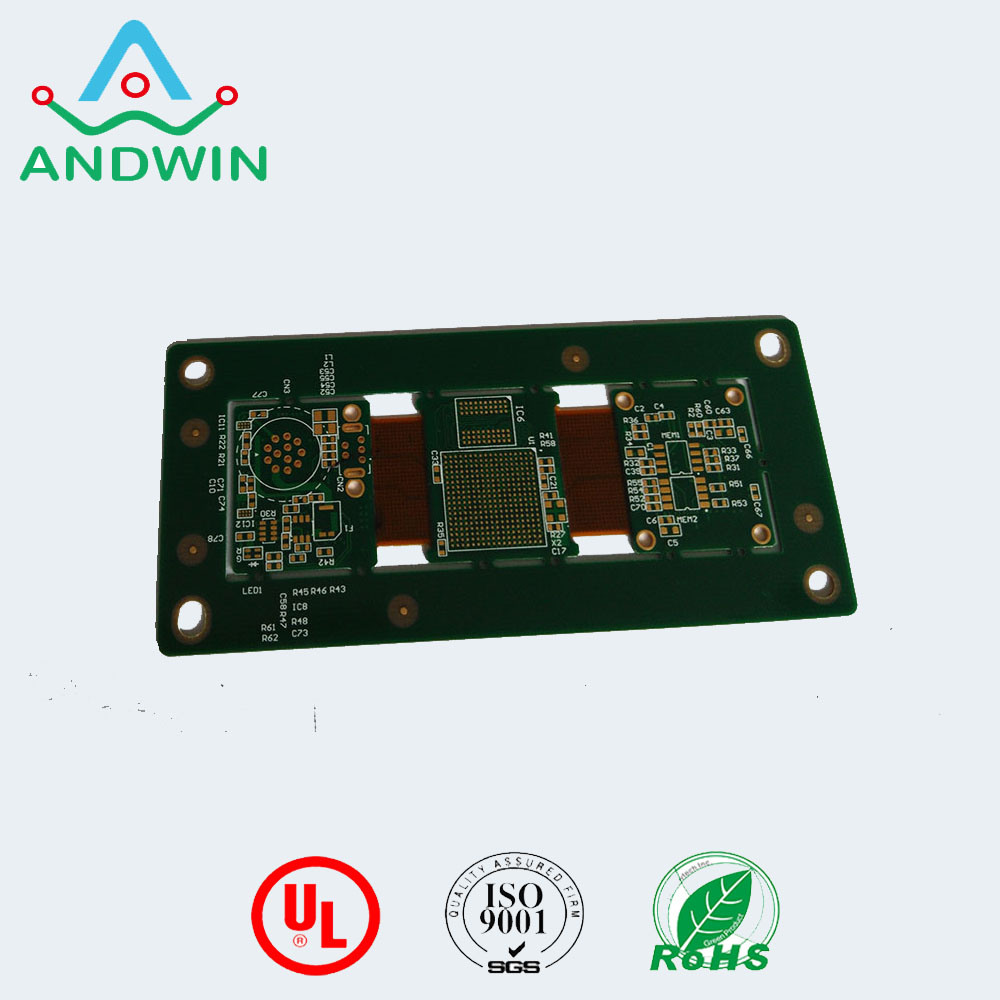
Rogers circuit board manufacturing process
Rogers Corporation is a leading manufacturer of high-performance specialty materials, including circuit board materials.
The process of manufacturing Rogers circuit boards involves several steps:
1. Material selection:
Rogers offers a range of circuit board materials with varying properties, such as high-frequency performance,
thermal management, and low-loss dielectrics. The appropriate material is selected based on the specific application requirements.
2. Prepreg manufacturing:
Prepregs are sheets of resin-impregnated fiberglass that are used to bond the layers of the circuit board together.
Rogers manufactures prepregs using a proprietary process that ensures consistent resin content and thickness.
3. Copper foil lamination:
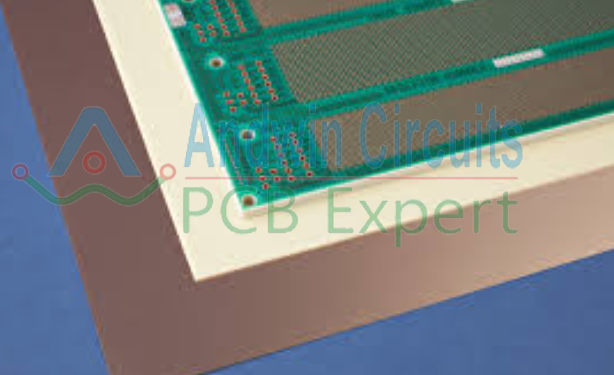
Copper foil is laminated to the prepreg sheets using heat and pressure to create a copper-clad laminate.
4. Drilling:
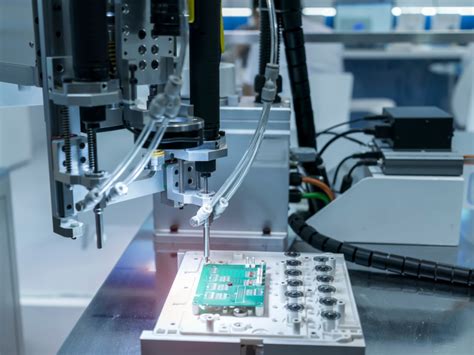
Holes are drilled in the copper-clad laminate using computer-controlled drilling machines.
5. Plating:
The holes are plated with copper to create electrical connections between the layers of the circuit board.
6. Etching:
The excess copper is etched away using a chemical process, leaving behind the desired circuit pattern.
7. Solder mask application:
A layer of solder mask is applied to the surface of the circuit board to protect the copper traces and prevent solder bridges.
8. Surface finish:
The circuit board is finished with a layer of metal, such as gold or silver, to improve solderability and protect against corrosion.
9. Testing:
The circuit board is tested for electrical continuity and other performance parameters to ensure it meets the required specifications.
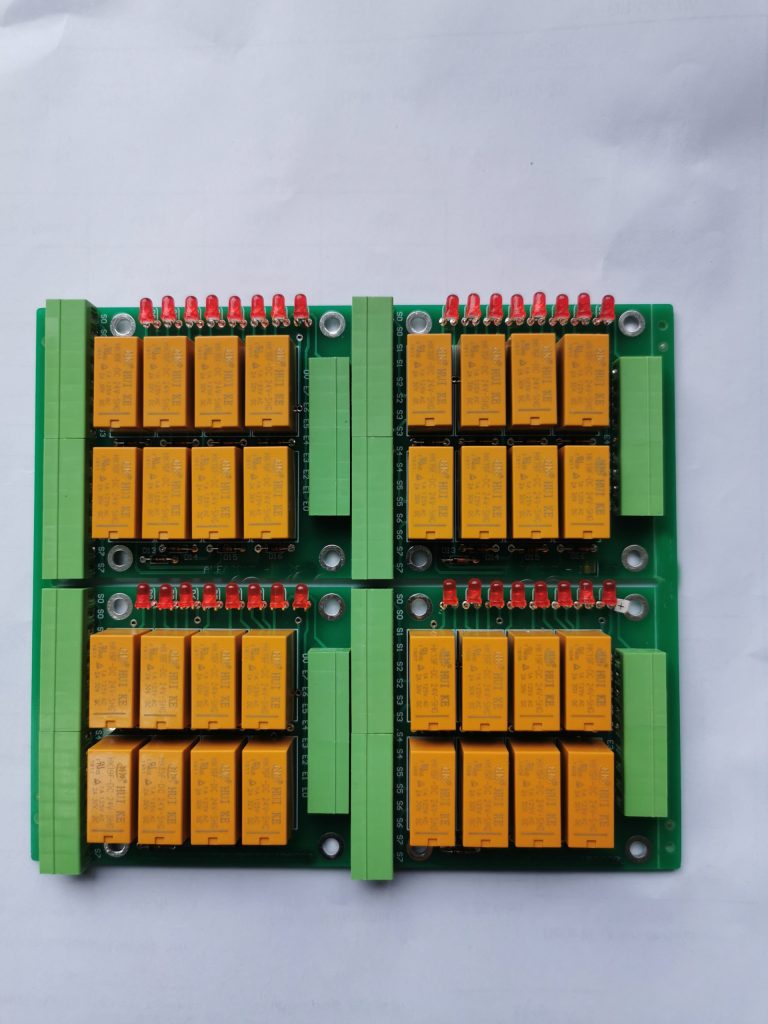
10. Assembly:
Components are mounted onto the circuit board using automated assembly equipment.
11. Final testing:
The assembled circuit board is tested again to ensure it functions correctly.
Overall, the Rogers circuit board manufacturing process is a complex and precise operation that requires specialized equipment and expertise to produce high-quality circuit boards for a variety of applications.