Rogers fr4 pcb
Advantages Of Using Rogers FR4 PCB In High-Frequency Applications
Rogers FR4 PCBs have become a cornerstone in the realm of high-frequency applications, offering a multitude of advantages that make them an ideal choice for engineers and designers.
One of the primary benefits of using Rogers FR4 PCBs is their exceptional dielectric properties.
These materials exhibit low dielectric constant (Dk) and low dissipation factor (Df), which are crucial for maintaining signal integrity and minimizing signal loss at high frequencies. This ensures that the performance of high-frequency circuits remains consistent and reliable, a critical factor in applications such as telecommunications, aerospace, and advanced computing.
In addition to their superior dielectric properties, Rogers FR4 PCBs also offer excellent thermal management capabilities.
High-frequency applications often generate significant amounts of heat, which can adversely affect the performance and longevity of electronic components. Rogers FR4 materials are designed to withstand higher temperatures and provide better heat dissipation compared to standard FR4 materials. This thermal stability not only enhances the reliability of the PCB but also extends the lifespan of the entire electronic system.
Moreover, Rogers FR4 PCBs are known for their mechanical robustness.
They exhibit high tensile strength and resistance to mechanical stress, making them suitable for use in environments where physical durability is paramount. This mechanical strength ensures that the PCBs can withstand the rigors of manufacturing processes, such as drilling and soldering, without compromising their structural integrity. Consequently, this robustness translates to fewer failures and reduced maintenance costs over the lifecycle of the product.
Another significant advantage of Rogers FR4 PCBs is their compatibility with advanced manufacturing techniques.
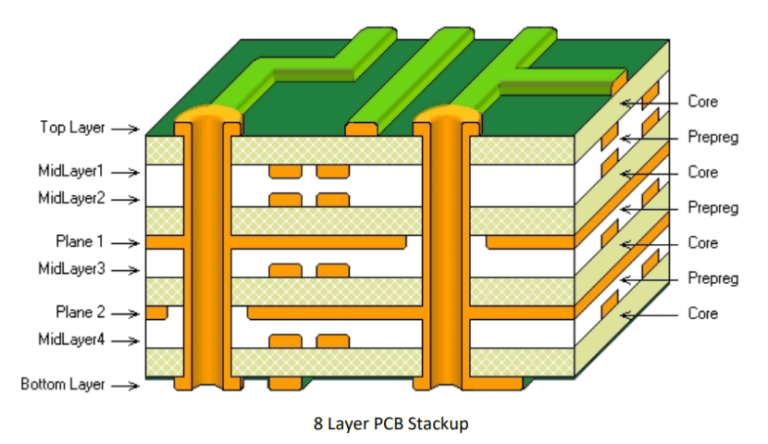
These materials can be easily integrated into various fabrication processes, including multilayer PCB construction, which is often required in high-frequency applications. The ability to create complex, multilayer designs allows for greater functionality and miniaturization of electronic devices. This is particularly beneficial in industries where space constraints and high performance are critical, such as in the development of compact communication devices and sophisticated radar systems.
Furthermore, Rogers FR4 PCBs offer excellent signal transmission characteristics.
The low signal loss and high signal integrity provided by these materials are essential for maintaining the accuracy and efficiency of high-frequency signals. This is especially important in applications where precise signal transmission is required, such as in high-speed data communication networks and advanced sensor systems. The superior signal transmission capabilities of Rogers FR4 PCBs contribute to the overall performance and reliability of these high-frequency systems.
In addition to their technical advantages, Rogers FR4 PCBs also provide economic benefits.
While the initial cost of these materials may be higher than standard FR4, the long-term savings in terms of reduced maintenance, lower failure rates, and extended product lifespan can be substantial. This cost-effectiveness makes Rogers FR4 PCBs an attractive option for companies looking to invest in high-quality, reliable materials for their high-frequency applications.
In conclusion, the advantages of using Rogers FR4 PCBs in high-frequency applications are manifold. Their exceptional dielectric properties, superior thermal management, mechanical robustness, compatibility with advanced manufacturing techniques, excellent signal transmission characteristics, and economic benefits make them an ideal choice for a wide range of industries. As technology continues to advance and the demand for high-frequency applications grows, the importance of using reliable and high-performance materials like Rogers FR4 PCBs will only become more pronounced.
Comparing Rogers FR4 PCB To Other Substrate Materials
When comparing Rogers FR4 PCBs to other substrate materials, it is essential to understand the unique characteristics and advantages that each material brings to the table. Rogers FR4, a widely used substrate in the electronics industry, is known for its excellent balance of performance, cost, and versatility. However, other substrate materials, such as ceramic, polyimide, and PTFE, also offer distinct benefits that may be more suitable for specific applications.
Rogers FR4 is a composite material made from woven fiberglass cloth with an epoxy resin binder that is flame resistant.
This combination provides a robust and reliable substrate that is well-suited for a wide range of electronic applications. One of the primary advantages of Rogers FR4 is its cost-effectiveness. It is relatively inexpensive compared to other high-performance substrates, making it an attractive option for many manufacturers. Additionally, Rogers FR4 offers good mechanical strength, electrical insulation properties, and thermal stability, which are critical factors in ensuring the reliability and longevity of electronic devices.
In contrast, ceramic substrates, such as alumina and aluminum nitride, offer superior thermal conductivity and electrical insulation properties.
These materials are often used in high-power and high-frequency applications where efficient heat dissipation is crucial. Ceramic substrates can withstand higher temperatures and provide better dimensional stability than Rogers FR4, making them ideal for use in harsh environments. However, the cost of ceramic substrates is significantly higher, which can be a limiting factor for their widespread adoption.
Polyimide substrates, another alternative to Rogers FR4, are known for their excellent thermal stability and flexibility.
Polyimide materials can withstand extreme temperatures and are often used in flexible printed circuit boards (PCBs) and applications requiring high thermal resistance. The flexibility of polyimide substrates allows for innovative design solutions, such as foldable or bendable electronic devices. Despite these advantages, polyimide substrates are generally more expensive than Rogers FR4 and may not offer the same level of mechanical strength.
PTFE (polytetrafluoroethylene) substrates, commonly known by the brand name Teflon, are another high-performance alternative to Rogers FR4.
PTFE substrates are renowned for their low dielectric constant and low loss tangent, making them ideal for high-frequency and microwave applications. These properties enable PTFE substrates to provide excellent signal integrity and minimal signal loss, which are critical for high-speed communication systems. However, PTFE substrates are more challenging to process and manufacture, leading to higher production costs compared to Rogers FR4.
When selecting a substrate material for a specific application, it is crucial to consider the trade-offs between performance, cost, and manufacturability.
Rogers FR4 offers a well-rounded solution that balances these factors, making it a popular choice for many electronic devices. However, for applications that demand higher thermal conductivity, better signal integrity, or greater flexibility, alternative substrates such as ceramic, polyimide, or PTFE may be more appropriate.
In conclusion, while Rogers FR4 PCBs provide a versatile and cost-effective solution for a wide range of electronic applications, other substrate materials offer unique advantages that may be better suited for specific requirements. By carefully evaluating the performance characteristics and cost implications of each substrate material, manufacturers can make informed decisions that optimize the performance and reliability of their electronic devices.
Design Tips For Optimizing Performance With Rogers FR4 PCB
When designing printed circuit boards (PCBs) with Rogers FR4 materials, it is essential to consider several factors to optimize performance. Rogers FR4 is a composite material that combines the high-frequency capabilities of Rogers laminates with the versatility and cost-effectiveness of traditional FR4. This unique combination makes it a popular choice for applications requiring both high performance and reliability. To achieve the best results, designers must pay close attention to material selection, signal integrity, thermal management, and manufacturing processes.
Firstly, material selection plays a crucial role in the overall performance of the PCB.
Rogers FR4 materials are known for their low dielectric constant and low loss tangent, which are critical for high-frequency applications. These properties help minimize signal loss and ensure signal integrity. When selecting the appropriate Rogers FR4 material, it is important to consider the specific requirements of the application, such as operating frequency, thermal stability, and mechanical strength. By carefully choosing the right material, designers can ensure that the PCB will perform optimally under the intended operating conditions.
In addition to material selection, signal integrity is another key aspect to consider when designing with Rogers FR4.
High-frequency signals are particularly susceptible to issues such as crosstalk, signal reflection, and electromagnetic interference (EMI). To mitigate these problems, designers should implement proper trace routing techniques, such as maintaining consistent trace widths, using controlled impedance traces, and ensuring adequate spacing between traces. Furthermore, incorporating ground planes and using differential signaling can help reduce EMI and improve signal integrity. By addressing these factors, designers can ensure that the PCB will maintain high signal quality and reliability.
Thermal management is also a critical consideration in the design of Rogers FR4 PCBs.
High-frequency applications often generate significant amounts of heat, which can negatively impact the performance and longevity of the PCB. To effectively manage heat dissipation, designers should use thermal vias, heat sinks, and thermal pads to facilitate the transfer of heat away from critical components. Additionally, selecting materials with high thermal conductivity can help improve heat dissipation. By implementing these thermal management strategies, designers can prevent overheating and ensure the long-term reliability of the PCB.
Moreover, the manufacturing process can significantly impact the performance of Rogers FR4 PCBs.
It is essential to work with a manufacturer experienced in handling high-frequency materials to ensure that the PCB is fabricated to the highest standards. Factors such as layer alignment, via quality, and surface finish can all affect the performance of the final product. By collaborating closely with the manufacturer and providing detailed design specifications, designers can ensure that the PCB is produced accurately and meets the required performance criteria.
In conclusion, optimizing performance with Rogers FR4 PCBs requires careful consideration of material selection, signal integrity, thermal management, and manufacturing processes. By addressing these factors, designers can create high-performance PCBs that meet the demands of modern high-frequency applications. Through meticulous planning and collaboration with experienced manufacturers, it is possible to achieve reliable and efficient PCBs that deliver exceptional performance in a wide range of applications.
Cost-Effectiveness Of Rogers FR4 PCB In Modern Electronics
Rogers FR4 PCBs have become a cornerstone in the realm of modern electronics, offering a blend of cost-effectiveness and high performance that is difficult to match. As the demand for more sophisticated and reliable electronic devices continues to grow, manufacturers are increasingly turning to Rogers FR4 PCBs to meet these needs. This trend is driven by several factors, including the material’s affordability, versatility, and superior electrical properties.
One of the primary reasons for the widespread adoption of Rogers FR4 PCBs is their cost-effectiveness.
Unlike other high-frequency materials, Rogers FR4 offers a balanced combination of performance and price. This makes it an attractive option for a wide range of applications, from consumer electronics to industrial machinery. The affordability of Rogers FR4 PCBs does not come at the expense of quality. On the contrary, these PCBs are known for their excellent thermal stability and mechanical strength, which are crucial for the longevity and reliability of electronic devices.
In addition to their cost benefits, Rogers FR4 PCBs are highly versatile.
They can be used in a variety of applications, including telecommunications, automotive, and aerospace industries. This versatility is largely due to the material’s ability to maintain its properties under different environmental conditions. For instance, Rogers FR4 PCBs can withstand high temperatures and humidity levels, making them suitable for use in harsh environments. This adaptability ensures that manufacturers can rely on Rogers FR4 PCBs for a wide range of projects, thereby reducing the need for multiple types of materials and simplifying the supply chain.
Moreover, the superior electrical properties of Rogers FR4 PCBs contribute to their cost-effectiveness.
These PCBs exhibit low dielectric loss and high signal integrity, which are essential for high-frequency applications. The low dielectric constant of Rogers FR4 material ensures minimal signal distortion, thereby enhancing the performance of electronic devices. This is particularly important in applications such as RF and microwave circuits, where signal integrity is paramount. By using Rogers FR4 PCBs, manufacturers can achieve high performance without incurring the high costs associated with other high-frequency materials.
Furthermore, the manufacturing process of Rogers FR4 PCBs is relatively straightforward, which adds to their cost-effectiveness.
The material is compatible with standard PCB fabrication techniques, allowing manufacturers to produce these PCBs without the need for specialized equipment or processes. This not only reduces production costs but also shortens lead times, enabling faster time-to-market for new products. The ease of manufacturing also means that Rogers FR4 PCBs can be produced in large volumes, further driving down costs through economies of scale.
In conclusion, the cost-effectiveness of Rogers FR4 PCBs in modern electronics is a result of their affordability, versatility, and superior electrical properties. These attributes make Rogers FR4 PCBs an ideal choice for a wide range of applications, from consumer electronics to high-frequency circuits. By offering a balanced combination of performance and price, Rogers FR4 PCBs enable manufacturers to meet the growing demand for reliable and sophisticated electronic devices while keeping costs in check. As the electronics industry continues to evolve, the role of Rogers FR4 PCBs in driving innovation and cost-efficiency is likely to become even more significant.