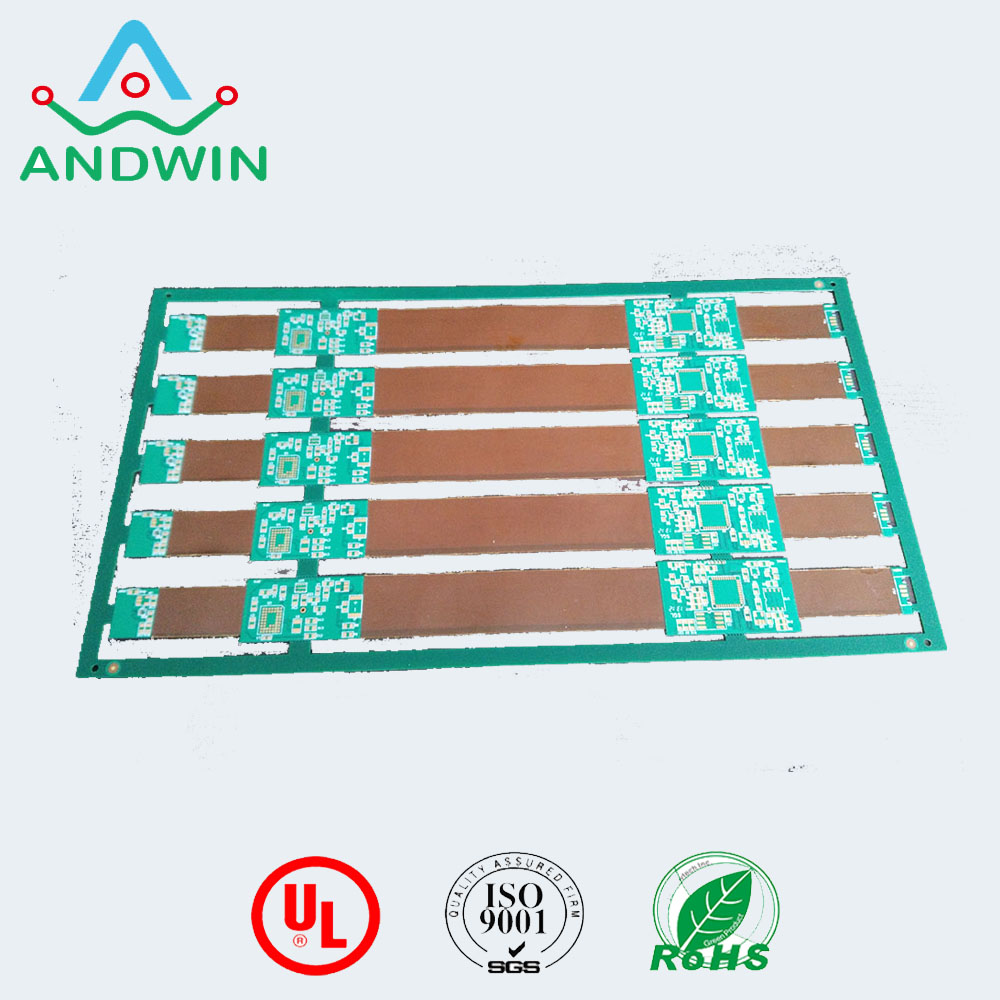
Rogers pcb ceramic
Rogers PCB (Printed Circuit Board) ceramic refers to a type of PCB material that is made from a ceramic-filled composite material.
It is composed of a mixture of ceramic powder and a polymer resin,
which is then processed and cured to form a rigid, high-performance substrate for electronic circuits.
Rogers PCB ceramic is known for its excellent thermal conductivity, low dielectric loss, and high mechanical strength,
making it ideal for high-frequency and high-power applications.
It is commonly used in microwave and radio frequency (RF) circuits, power amplifiers, and aerospace and defense applications.
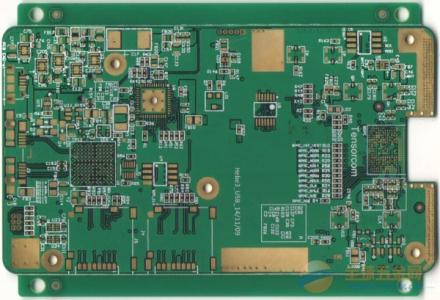
Classification of Rogers PCB Ceramics
Rogers PCB ceramics can be classified based on their dielectric constant (Dk) and thermal coefficient of expansion (TCE). The most common types of Rogers PCB ceramics are:
1. Rogers 4000 series: This series has a low Dk of 2.55 to 6.15 and a TCE of 9.5 to 13 ppm/°C. It is suitable for high-frequency applications and has good dimensional stability.
2. Rogers 5000 series: This series has a low Dk of 2.17 to 2.94 and a TCE of 2.5 to 3.5 ppm/°C. It is suitable for high-frequency and high-speed digital applications and has excellent electrical performance.
3. Rogers 6000 series: This series has a low Dk of 6.15 to 10.2 and a TCE of 24 to 28 ppm/°C. It is suitable for high-power applications and has good thermal management properties.
4. Rogers 7000 series: This series has a low Dk of 2.5 to 3.5 and a TCE of 9 to 12 ppm/°C. It is suitable for high-frequency and high-speed digital applications and has excellent electrical performance.
5. Rogers 8000 series: This series has a low Dk of 3.38 to 3.66 and a TCE of 9.5 to 10.5 ppm/°C. It is suitable for high-frequency and high-speed digital applications and has excellent electrical performance.
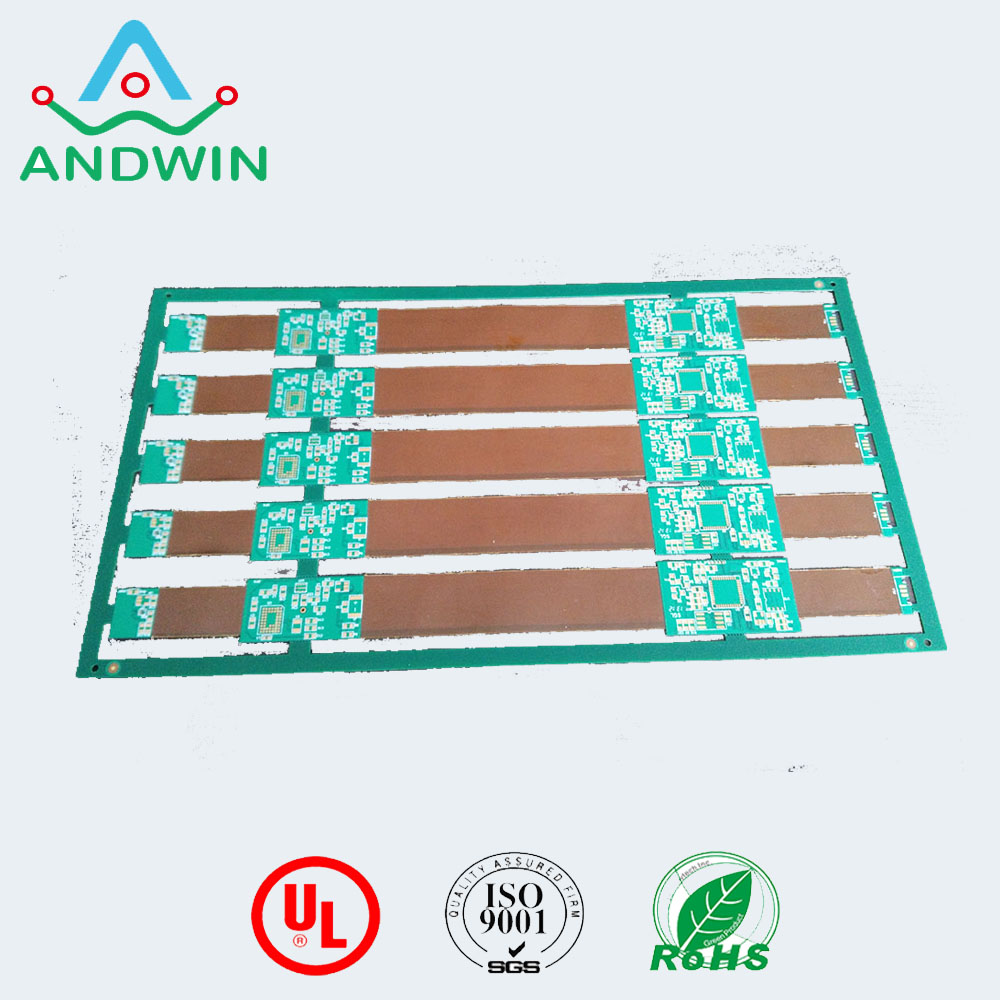
Manufacturing process of Rogers PCB ceramics
Rogers PCB ceramics are manufactured using a specialized process that involves several steps:
1. Mixing: The raw materials, including alumina, silica, and other additives, are mixed together in a ball mill to form a homogenous mixture.
2. Forming: The mixture is then shaped into a green body using one of several methods, including extrusion, injection molding, or tape casting.
3. Drying: The green body is then dried to remove any remaining moisture.
4. Sintering: The dried green body is heated to a high temperature (typically around 1600°C) in a furnace, causing the particles to fuse together and form a dense, solid ceramic.
5. Machining: The ceramic is then machined to the desired shape and size using a variety of techniques, including drilling, milling, and grinding.
6. Metallization: The ceramic is coated with a thin layer of metal (usually copper) using a process called sputtering or electroplating.
7. Lamination: Multiple layers of ceramic and copper are then laminated together to form the final Rogers PCB ceramic.
8. Etching: The copper layers are selectively etched away using a chemical process to create the desired circuitry pattern.
9. Finishing: The PCB is then coated with a protective layer, and any necessary holes or vias are drilled and plated.
Overall, the manufacturing process of Rogers PCB ceramics is complex and requires specialized equipment and expertise to produce high-quality, reliable PCBs.
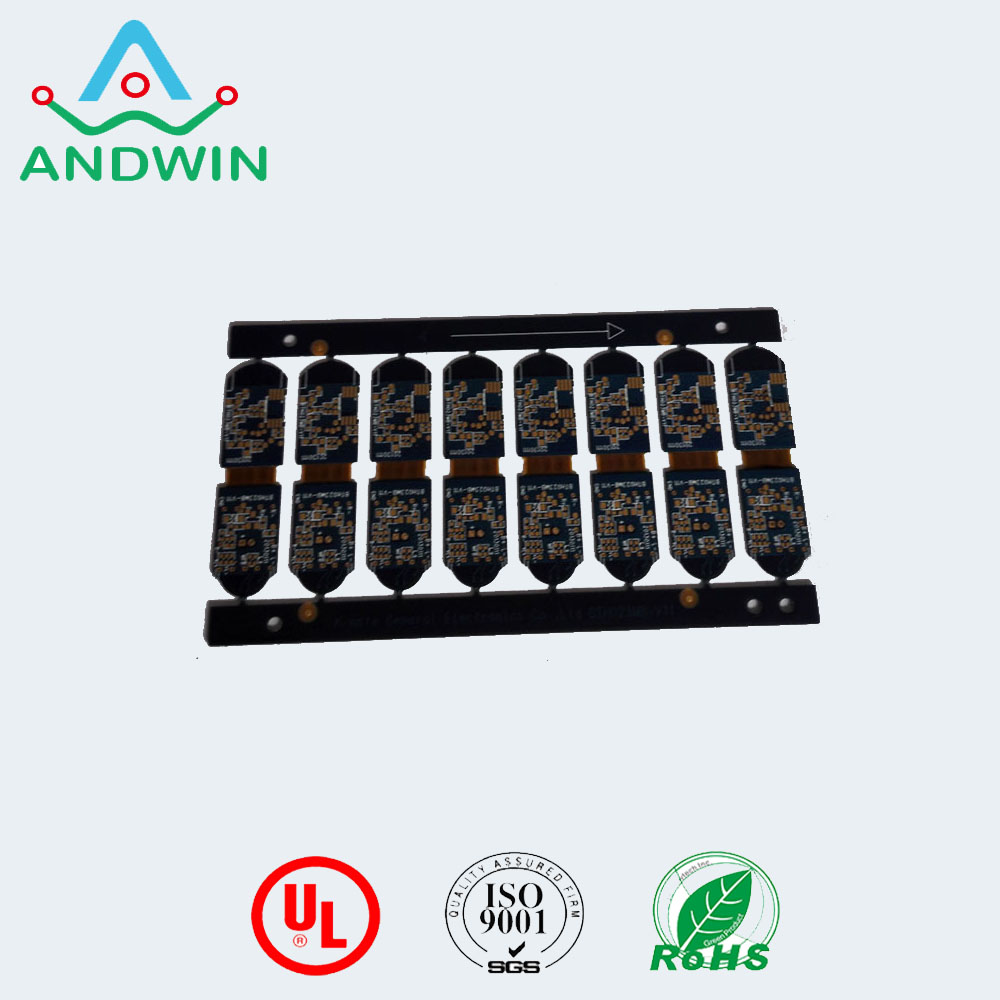
Where are Rogers PCB ceramics used?
Rogers PCB ceramics are commonly used in high-frequency and high-power applications such as telecommunications,
aerospace, defense, and medical equipment.
They are also used in microwave and millimeter-wave applications, power amplifiers,
and radar systems. Additionally, they are used in the manufacturing of antennas, filters, couplers, and other electronic components that require high performance and reliability.