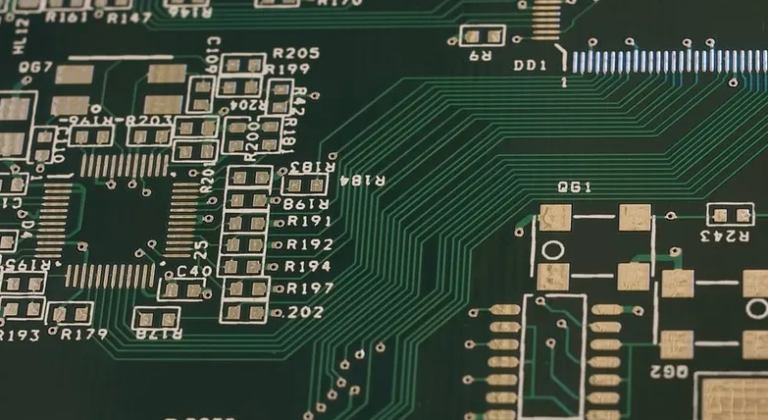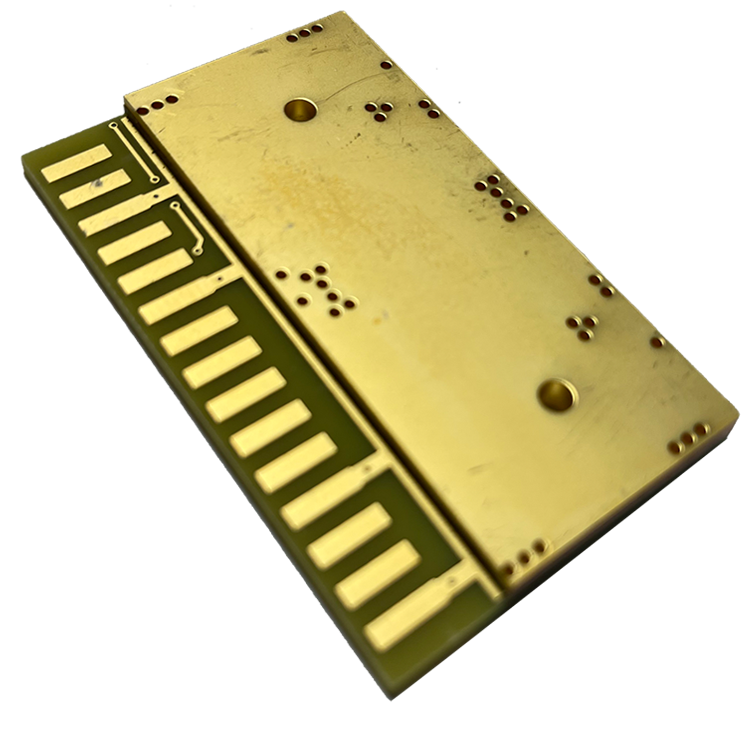
Rogers pcb material properties
Rogers PCB material is a high-performance substrate material that is used in electronic applications that require high frequency and high-speed signal transmission.
Some of the key properties of Rogers PCB material include:
1. Dielectric Constant: Rogers PCB material has a low dielectric constant,
which means that it can transmit signals at high frequencies without significant signal loss.
2. Dissipation Factor: Rogers PCB material has a low dissipation factor,
which means that it can transmit signals with minimal signal distortion.
3. Thermal Conductivity: Rogers PCB material has high thermal conductivity,
which means that it can dissipate heat quickly and efficiently.
4. Tensile Strength: Rogers PCB material has high tensile strength,
which means that it can withstand high mechanical stresses without breaking or deforming.
5. Moisture Absorption: Rogers PCB material has low moisture absorption,
which means that it can maintain its electrical properties even in humid environments.
6. Chemical Resistance: Rogers PCB material is resistant to a wide range of chemicals,
which makes it suitable for use in harsh environments.
7. Dimensional Stability: Rogers PCB material has high dimensional stability,
which means that it can maintain its shape and size even under extreme conditions.
Classification of Rogers PCB Material Properties
1. Dielectric constant: This property determines the ability of the material to store electrical energy. Higher dielectric constant materials are used for high-frequency applications.
2. Loss tangent: This property measures the amount of energy lost as heat when a signal passes through the material. Low loss tangent materials are preferred for high-frequency applications.
3. Thermal conductivity: This property measures the ability of the material to conduct heat. High thermal conductivity materials are preferred for applications where heat dissipation is important.
4. Tensile strength: This property measures the maximum stress that the material can withstand before breaking. High tensile strength materials are preferred for applications where the PCB will be subjected to mechanical stress.
5. Flexural strength: This property measures the maximum stress that the material can withstand before breaking when bent. High flexural strength materials are preferred for applications where the PCB will be subjected to bending or flexing.
6. Moisture absorption: This property measures the amount of moisture that the material can absorb. Low moisture absorption materials are preferred for applications where the PCB will be exposed to high humidity or moisture.
7. Chemical resistance: This property measures the ability of the material to resist chemical attack. High chemical resistance materials are preferred for applications where the PCB will be exposed to harsh chemicals.
8. Dimensional stability: This property measures the ability of the material to maintain its shape and size under different environmental conditions. High dimensional stability materials are preferred for applications where the PCB will be subjected to temperature and humidity changes.