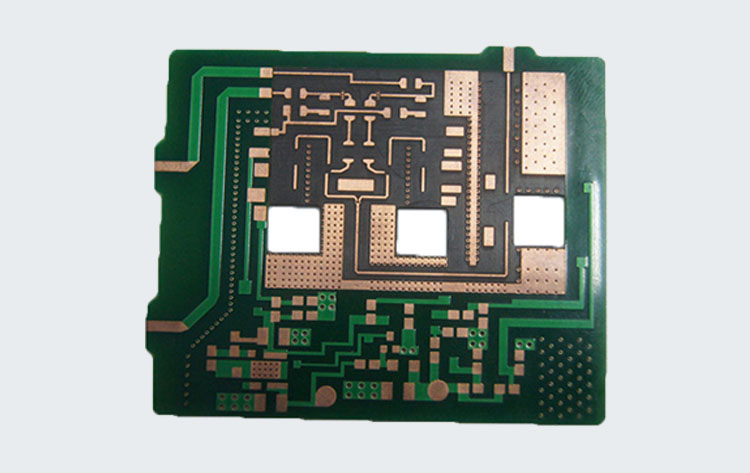
Rogers pcb temperature
Rogers PCBs are known for their excellent thermal properties, which make them suitable for high-temperature applications.
The maximum operating temperature of a Rogers PCB depends on the specific material used and its thickness.
For example, Rogers 4000 series PCBs can typically withstand temperatures up to 130-140°C,
while Rogers 6000 series PCBs can handle temperatures up to 200°C or higher.
However, it is important to note that the actual temperature limits may vary depending on the specific application and the operating conditions.
It is recommended to consult with the manufacturer or a qualified engineer to determine the appropriate temperature range for a specific Rogers PCB design.
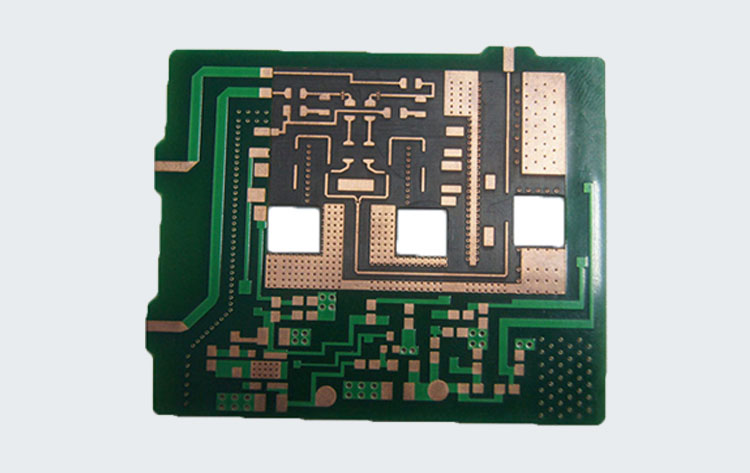
How to calculate Rogers PCB temperature
Calculating the temperature of a Rogers PCB requires knowledge of the power dissipation and thermal resistance of the material.
The following steps can be used to calculate the temperature of a Rogers PCB:
1. Determine the power dissipation of the PCB. This can be calculated using the formula P = V^2/R,
where P is the power dissipation in watts, V is the voltage applied to the circuit, and R is the resistance of the circuit.
2. Determine the thermal resistance of the Rogers PCB material.
This can be obtained from the manufacturer’s datasheet or by measuring the thermal conductivity of the material.
3. Calculate the temperature rise of the PCB using the formula ΔT = P x Rth,
where ΔT is the temperature rise in degrees Celsius, P is the power dissipation in watts,
and Rth is the thermal resistance of the material in degrees Celsius per watt.
4. Add the temperature rise to the ambient temperature to obtain the final temperature of the PCB.
It is important to note that the above calculation is a simplified method and may not account for all the factors that affect the temperature of a PCB. It is recommended to consult with a qualified engineer or use simulation software to accurately calculate the temperature of a Rogers PCB.
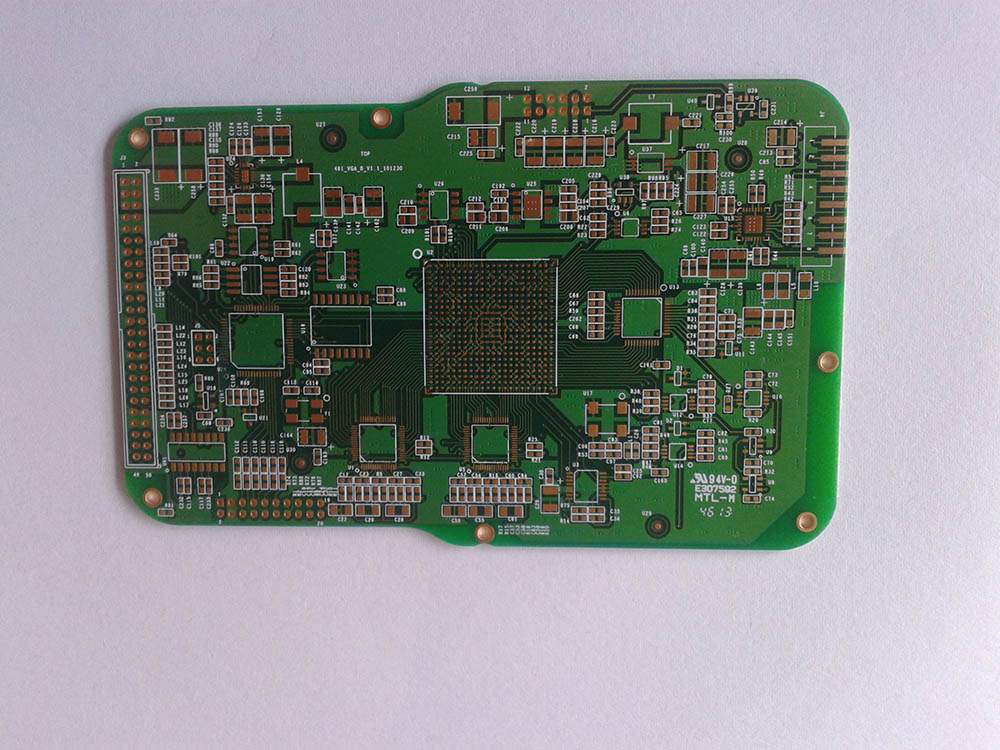
What is the Rogers PCB temperature related to?
The Rogers PCB temperature is related to the amount of heat generated by the electronic components on the board and the ambient temperature of the environment in which the board is operating.
The temperature can affect the performance and reliability of the board,
and it is important to ensure that the temperature remains within safe operating limits.
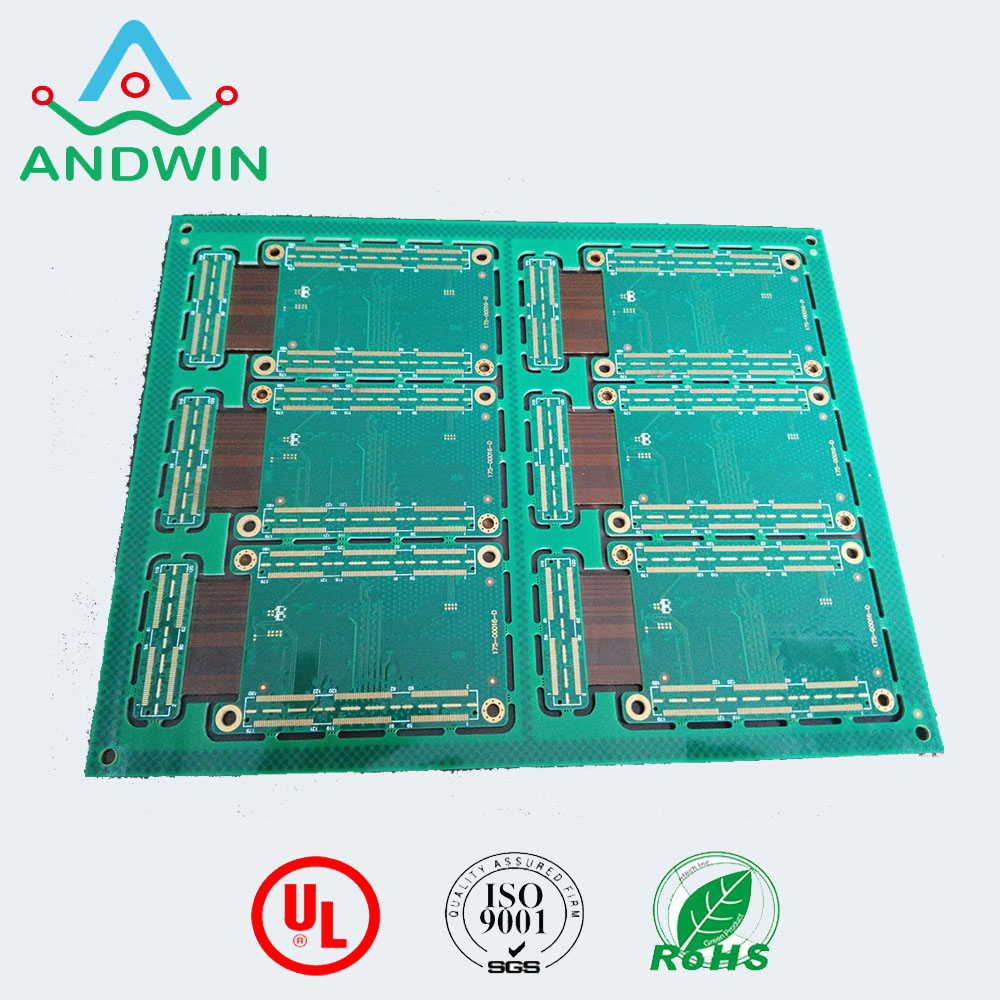
Where is Rogers PCB temperature used?
The Rogers PCB temperature is used in a variety of applications where the performance and reliability of the board are critical. Some of the common applications where Rogers PCB temperature is used include:
1. Aerospace and Defense: In aerospace and defense applications,
Rogers PCBs are used in harsh environments where the temperature can vary widely.
The temperature of the board is closely monitored to ensure that it remains within safe operating limits.
2. Telecommunications: Rogers PCBs are used in telecommunications equipment where the temperature can affect the performance of the board. The boards are designed to operate at high frequencies and high temperatures, and the temperature is closely monitored to ensure that the board remains within safe operating limits.
3. Medical Equipment: Rogers PCBs are used in medical equipment where the temperature can affect the performance and reliability of the board. The temperature of the board is closely monitored to ensure that it remains within safe operating limits.
4. Automotive: Rogers PCBs are used in automotive applications where the temperature can vary widely. The temperature of the board is closely monitored to ensure that it remains within safe operating limits.
5. Industrial Equipment: Rogers PCBs are used in industrial equipment where the temperature can affect the performance and reliability of the board. The temperature of the board is closely monitored to ensure that it remains within safe operating limits.