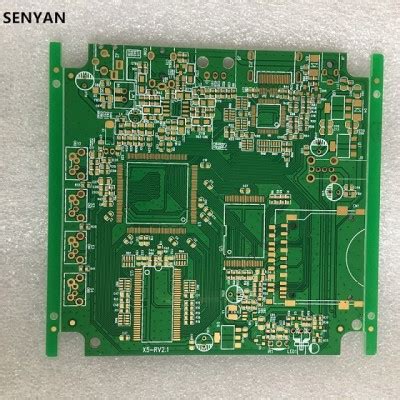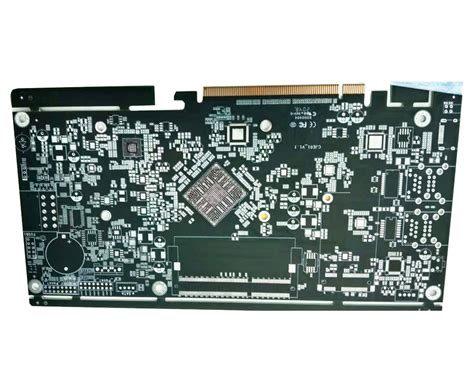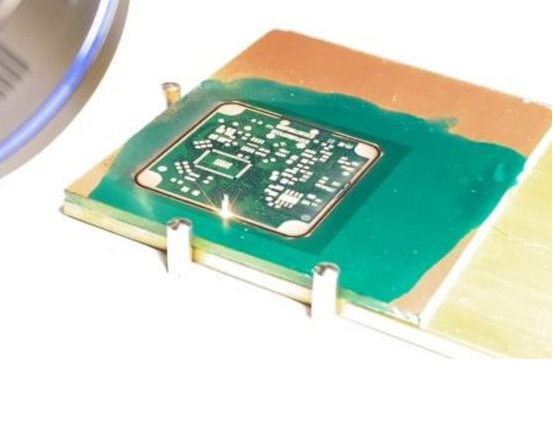
Rogers pcb tool
Rogers PCB tools typically have the following features:

1. Material library: A library of Rogers materials and their properties, allowing designers to select the most suitable material for their design.
2. Design tools: A range of tools for creating and editing PCB layouts, including schematic capture, component placement, and routing.
3. Simulation and analysis: Tools for simulating and analyzing the performance of the PCB design, including signal integrity, power integrity, and thermal analysis.
4. Manufacturing output: Tools for generating manufacturing output files, including Gerber files, drill files, and bill of materials (BOM).
5. Collaboration: Features for collaborating with other team members, including version control, commenting, and sharing.
6. Integration with other software: Integration with other software tools such as mechanical design software, simulation software, and PCB fabrication software.
Overall, Rogers PCB tools provide designers with a comprehensive set of tools for designing and analyzing high-performance PCBs using Rogers materials.
Role of Rogers PCB Tools
Rogers PCB tools are software programs that are specifically designed to facilitate the design and manufacture of printed circuit boards (PCBs) using Rogers materials.
Rogers PCB tools play a crucial role in the PCB design process by providing engineers with the necessary tools to create and optimize their designs.

Some of the key roles of Rogers PCB tools include:
1. Material selection: Rogers PCB tools allow engineers to select the appropriate Rogers material for their PCB design.
These tools provide information on the properties and characteristics of each material,
enabling engineers to make informed decisions about which material to use.
2. Design optimization: Rogers PCB tools provide a range of design optimization features, such as impedance matching,
signal integrity analysis, and thermal management. These features help engineers to optimize their designs for performance and reliability.
3. Design validation: Rogers PCB tools enable engineers to validate their designs before production.
This helps to identify and rectify any potential issues or errors, reducing the risk of costly mistakes during manufacturing.
4. Manufacturing support: Rogers PCB tools provide support for the manufacturing process,
including generating manufacturing files and documentation, as well as providing guidance on manufacturing techniques and processes.
Overall, Rogers PCB tools are essential for engineers working with Rogers materials,
as they provide the necessary tools and support to create high-quality, reliable PCB designs.