Rogers RO4350B PCB: A High-Performance Solution for RF and Microwave Applications
In the realm of high-frequency electronics, the choice of printed circuit board (PCB) material is critical to achieving optimal performance. Rogers Corporation’s RO4350B is a high-performance laminate material specifically designed for RF (radio frequency) and microwave applications. With its excellent electrical properties, thermal stability, and ease of fabrication, RO4350B has become a preferred choice for industries such as telecommunications, aerospace, defense, and automotive. This article provides a comprehensive overview of RO4350B PCBs, including their properties, advantages, applications, and design considerations.
What Is RO4350B?
RO4350B is a ceramic-filled, hydrocarbon-based laminate material developed by Rogers Corporation. It is part of the RO4000® series, which is known for its high-performance characteristics and cost-effectiveness. RO4350B is engineered to provide a balance of electrical, thermal, and mechanical properties, making it suitable for a wide range of high-frequency applications.
Key properties of RO4350B include:
- Dielectric Constant (Dk): 3.48 ± 0.05 at 10 GHz, ensuring consistent signal integrity across a wide frequency range.
- Dissipation Factor (Df): 0.0037 at 10 GHz, minimizing signal loss and improving efficiency.
- Thermal Conductivity: 0.62 W/m/K, providing effective heat dissipation for high-power applications.
- Low Moisture Absorption: 0.06%, ensuring stable performance in humid environments.
- CTE (Coefficient of Thermal Expansion): Matched to copper, reducing the risk of delamination and improving reliability.
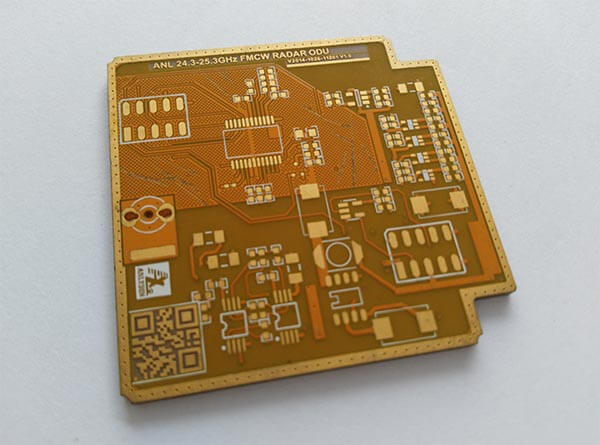
Advantages of RO4350B PCBs
RO4350B PCBs offer several advantages over traditional PCB materials like FR-4, making them ideal for high-frequency and high-power applications. Here are some of the key benefits:
- High-Frequency Performance:
- RO4350B’s low dielectric constant and dissipation factor ensure minimal signal loss and high signal integrity, making it suitable for RF and microwave circuits.
- Thermal Stability:
- The material’s thermal conductivity and low CTE provide excellent thermal management, reducing the risk of overheating and improving reliability.
- Ease of Fabrication:
- RO4350B can be processed using standard PCB fabrication techniques, making it compatible with existing manufacturing workflows.
- Cost-Effectiveness:
- Compared to other high-performance materials like PTFE-based laminates, RO4350B offers a more cost-effective solution without compromising on performance.
- Mechanical Durability:
- The ceramic-filled construction of RO4350B provides excellent mechanical strength and resistance to wear, making it suitable for harsh environments.
- Consistency and Reliability:
- RO4350B’s stable electrical properties over a wide frequency range ensure consistent performance, even in demanding applications.
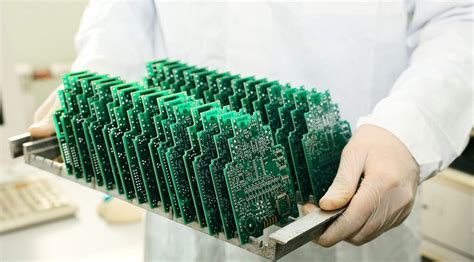
Applications of RO4350B PCBs
RO4350B PCBs are used in a wide range of high-frequency and high-power applications across various industries. Some of the most common applications include:
- Telecommunications:
- RO4350B is widely used in RF and microwave circuits for telecommunications infrastructure, including base stations, antennas, and amplifiers.
- Aerospace and Defense:
- The material’s thermal stability and durability make it ideal for aerospace and defense applications, such as radar systems, satellite communications, and avionics.
- Automotive:
- RO4350B is used in automotive radar systems, particularly for advanced driver-assistance systems (ADAS) and autonomous vehicles.
- Wireless Networks:
- The material’s high-frequency performance makes it suitable for wireless networking equipment, including Wi-Fi routers and 5G infrastructure.
- Medical Devices:
- RO4350B is used in medical devices that require high-frequency signal integrity, such as imaging systems and diagnostic equipment.
- Industrial Electronics:
- The material’s thermal and mechanical properties make it suitable for industrial applications, including power amplifiers and sensors.
Design Considerations for RO4350B PCBs
Designing PCBs with RO4350B requires careful consideration of its unique properties to ensure optimal performance. Here are some key design considerations:
1. Impedance Control:
- RO4350B’s dielectric constant must be accounted for when designing transmission lines to achieve the desired impedance (typically 50 ohms for RF applications).
- Use impedance calculators or simulation tools to determine the appropriate trace width and spacing.
2. Thermal Management:
- While RO4350B has good thermal conductivity, additional thermal management techniques, such as thermal vias or heatsinks, may be required for high-power applications.
3. Layer Stackup:
- Plan the layer stackup carefully to minimize signal loss and crosstalk. Use ground planes to provide shielding and improve signal integrity.
4. Material Thickness:
- Choose the appropriate thickness of RO4350B based on the application requirements. Thicker substrates provide better mechanical strength but may increase signal loss.
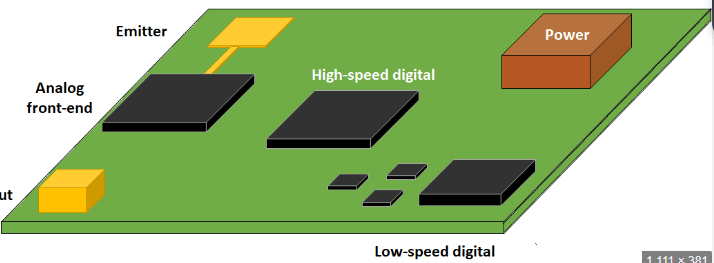
5. Component Placement:
- Place high-frequency components close to each other to minimize trace lengths and reduce signal loss.
6. Manufacturing Tolerances:
- Work closely with your PCB manufacturer to understand their fabrication capabilities and tolerances. This ensures that your design can be manufactured reliably.
7. Testing and Validation:
- Perform thorough testing and validation to ensure that the PCB meets the required performance specifications. This may include impedance testing, thermal cycling, and signal integrity analysis.
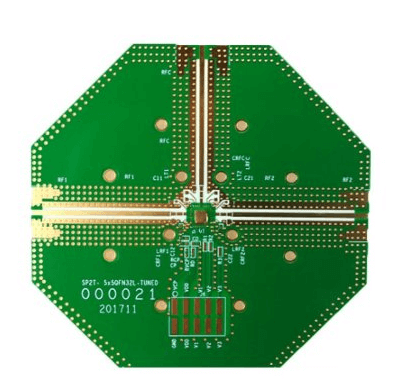
Comparing RO4350B to Other High-Frequency Materials
RO4350B is often compared to other high-frequency materials, such as PTFE-based laminates and other Rogers products. Here’s how it stacks up:
1. PTFE-Based Laminates (e.g., RT/Duroid 5880):
- PTFE materials offer lower dielectric loss and higher thermal stability but are more expensive and harder to fabricate.
- RO4350B provides a more cost-effective alternative with comparable performance for many applications.
2. Rogers RO4003C:
- RO4003C is another popular material in the RO4000® series, with a slightly lower dielectric constant (Dk = 3.38).
- RO4350B offers better thermal conductivity, making it more suitable for high-power applications.
3. FR-4:
- FR-4 is a low-cost material commonly used in low-frequency applications.
- RO4350B outperforms FR-4 in high-frequency and high-power applications but at a higher cost.
Manufacturing RO4350B PCBs
The manufacturing process for RO4350B PCBs is similar to that of standard PCBs but requires attention to specific details due to the material’s properties. Key steps include:
- Material Preparation:
- Cut the RO4350B laminate to the desired size and clean it to remove any contaminants.
- Drilling and Routing:
- Use precision drilling and routing equipment to create vias and cutouts. RO4350B’s ceramic-filled construction requires high-quality tools to avoid excessive wear.
- Copper Cladding:
- Apply copper foil to the laminate using heat and pressure. RO4350B’s low CTE ensures good adhesion to the copper layers.
- Etching and Patterning:
- Use photolithography or laser direct imaging (LDI) to create the circuit pattern. Etch away excess copper to form the traces.
- Solder Mask and Silkscreen:
- Apply solder mask to protect the traces and silkscreen for component labeling.
- Surface Finish:
- Choose an appropriate surface finish, such as ENIG (Electroless Nickel Immersion Gold) or HASL (Hot Air Solder Leveling), based on the application requirements.
- Testing and Inspection:
- Perform electrical testing, thermal cycling, and visual inspection to ensure the PCB meets quality standards.
Conclusion
Rogers RO4350B is a versatile and high-performance PCB material that has become a staple in RF and microwave applications. Its excellent electrical properties, thermal stability, and ease of fabrication make it an ideal choice for industries such as telecommunications, aerospace, automotive, and medical devices.
By understanding the unique properties of RO4350B and following best practices in design and manufacturing, engineers can leverage this material to create high-performance PCBs that meet the demands of modern electronics. As the need for high-frequency and high-power solutions continues to grow, RO4350B will remain a key enabler of innovation and technological advancement. Whether you’re designing cutting-edge 5G infrastructure, advanced radar systems, or next-generation automotive electronics, RO4350B offers the performance and reliability you need to succeed.