Scaling Your PCB Assembly Business for Higher Profit Margins
Key Takeaways
Successfully scaling a PCB assembly business hinges on aligning operational efficiency with strategic innovation. A critical first step is adopting automation in PCBA workflows, which reduces manual errors and accelerates throughput. For instance, integrating robotic soldering systems or automated optical inspection (AOI) can cut production cycles by up to 40%, directly boosting profit margins.
Equally important is optimizing supply chain management—negotiating bulk material purchases or partnering with local component suppliers minimizes lead times and logistics costs. Pairing this with data-driven forecasting ensures inventory aligns with demand, avoiding overstocking or shortages.
To enhance market competitiveness, focus on flexibility in PCB assembly services, such as offering rapid prototyping or low-volume, high-mix production. This caters to diverse client needs, from startups to established electronics manufacturers. Additionally, investing in sustainable practices, like energy-efficient machinery or recyclable packaging, not only reduces overhead but also appeals to environmentally conscious buyers.
Finally, leveraging PCBA-specific analytics tools to monitor yield rates and defect patterns enables continuous process refinement. These strategies, when combined, create a scalable framework that drives repeatable growth while maintaining quality—a cornerstone for long-term profitability in electronics manufacturing.

Cost-Effective PCB Production Strategies
Reducing production costs without compromising quality is critical for scaling a PCB assembly business. Start by evaluating material sourcing practices—partnering with certified suppliers offering volume discounts can lower raw material expenses. Implementing design for manufacturability (DFM) principles early in the design phase minimizes rework, as engineers can identify and resolve potential assembly issues before prototyping.
"Adopting standardized component libraries reduces procurement complexity and avoids delays caused by obsolete or hard-to-source parts."
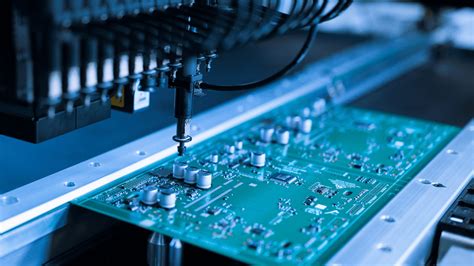
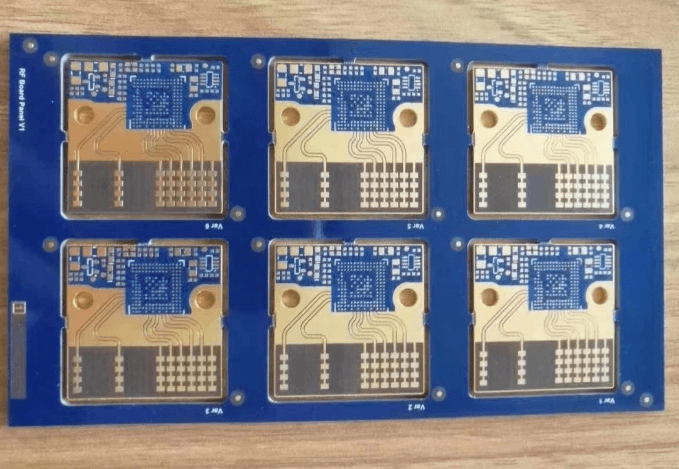
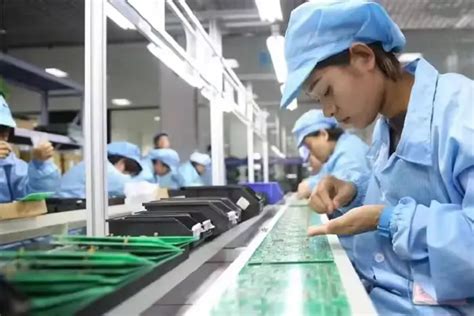
Leverage PCBA automation tools like pick-and-place machines and automated soldering systems to reduce labor-intensive tasks. For low-to-mid volume runs, consider panelizing designs to maximize substrate utilization, effectively lowering per-unit costs. Additionally, integrating predictive maintenance for equipment minimizes downtime and extends machinery lifespan.
Transitioning to energy-efficient manufacturing processes, such as optimizing reflow oven settings, can cut power consumption by up to 20%. Finally, negotiate flexible payment terms with suppliers and explore just-in-time inventory models to reduce warehousing overhead. By balancing cost-saving measures with operational efficiency, businesses can maintain competitive pricing while improving PCB assembly profit margins.
Streamlining Processes in PCB Manufacturing
Efficient PCB assembly workflows rely on eliminating redundancies and standardizing critical stages, from design verification to final testing. By adopting lean manufacturing principles, businesses can reduce cycle times by up to 30% while maintaining PCBA quality. For instance, integrating automated optical inspection (AOI) systems minimizes human error in solder joint analysis, ensuring zero defect rates in high-volume production. Similarly, modular production layouts enable rapid reconfiguration for diverse product batches, aligning with fluctuating client demands.
Transitioning to digital twin technology further refines process optimization. Virtual simulations of PCB assembly lines identify bottlenecks before physical implementation, reducing downtime and material waste. Pairing this with real-time data analytics allows manufacturers to track key metrics like throughput and yield, enabling proactive adjustments.
Another strategic lever lies in supplier collaboration. Standardizing component specifications across PCBA projects simplifies procurement and reduces lead times. Centralized inventory management systems, synchronized with production schedules, prevent overstocking while ensuring just-in-time delivery of critical parts.
By harmonizing these approaches, PCB assembly providers not only accelerate time-to-market but also create scalable frameworks adaptable to evolving industry standards—a cornerstone for sustaining profitability in competitive electronics markets.
Enhancing Market Competitiveness in Electronics
To thrive in the rapidly evolving electronics sector, PCB assembly businesses must adopt strategies that align with shifting market demands. A critical approach involves integrating smart manufacturing technologies into PCBA workflows, enabling real-time monitoring of production lines and predictive maintenance. This reduces downtime by up to 30% while improving yield rates.
Another lever for competitiveness lies in optimizing supply chain agility. By collaborating with certified component suppliers and implementing just-in-time inventory systems, companies can mitigate shortages and reduce lead times. For example:
| Strategy | Impact on Competitiveness |
|---|---|
| Dual sourcing components | Minimizes risk of supply disruptions |
| Automated QA systems | Ensures <2% defect rates |
| Localized warehousing | Cuts shipping costs by 15-25% |
Additionally, differentiating through niche specialization—such as high-frequency PCB assembly for IoT devices or aerospace-grade PCBA—allows firms to command premium pricing. Pairing this with data-driven customer engagement, like offering customized prototyping dashboards, strengthens client retention. By balancing operational efficiency with targeted innovation, businesses can secure a defensible position in crowded markets.
Boosting Profit Margins Through PCB Scaling
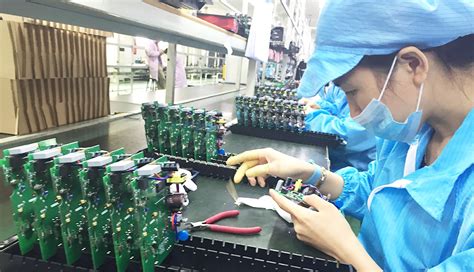
Scaling a PCB assembly operation requires a strategic balance between production efficiency and cost management. One critical approach involves adopting economies of scale by increasing order volumes, which reduces per-unit costs for materials and labor. For instance, consolidating orders for PCBA components allows manufacturers to negotiate bulk pricing with suppliers, directly improving profit margins. Additionally, integrating automated assembly lines can handle higher throughput while minimizing human error, ensuring consistent quality across larger batches.
Transitioning to scalable workflows also demands optimizing floor space and resource allocation. Modular production layouts enable rapid reconfiguration for varying PCB assembly demands, reducing downtime between projects. Leveraging data analytics to forecast demand patterns ensures inventory levels align with production cycles, avoiding overstocking or shortages. Furthermore, partnerships with certified component distributors streamline the supply chain, mitigating delays that could erode margins.
A focus on high-margin niches, such as specialized PCBA services for aerospace or medical devices, can further enhance profitability. By aligning scaling efforts with market needs, businesses not only secure recurring revenue but also differentiate themselves in competitive electronics sectors. This targeted growth, paired with lean operational practices, creates a sustainable pathway to maximizing returns in PCB assembly enterprises.
Leveraging Automation in PCB Assembly
Integrating automation into PCB assembly processes is a strategic move to enhance efficiency while maintaining consistent quality. Modern PCBA lines increasingly rely on robotic systems for tasks like component placement, soldering, and optical inspection, reducing human error and cycle times. For instance, automated pick-and-place machines can achieve placement accuracies of ±0.025mm, ensuring precise alignment even for micro-sized components. This shift not only accelerates throughput but also lowers labor costs—a critical factor in scaling operations profitably.
Advanced automation tools, such as AI-driven defect detection systems, further optimize yield rates by identifying flaws in real time. Pairing these technologies with IoT-enabled equipment creates a data-driven workflow, enabling predictive maintenance and minimizing unplanned downtime. Transitioning to semi- or fully automated PCB assembly also allows businesses to handle higher-order volumes without proportional increases in operational expenses, creating room for higher profit margins.
Beyond production lines, automation extends to inventory management and order tracking, streamlining supply chain coordination. By adopting unified software platforms, PCBA providers can synchronize material procurement with production schedules, reducing excess inventory costs. However, successful implementation requires upfront investment in training and system integration—challenges that pay dividends in long-term scalability. As competition intensifies, manufacturers prioritizing automation will gain a distinct edge in delivering faster turnaround times and superior reliability, positioning themselves as leaders in the evolving electronics market.
Optimizing Supply Chains for Higher Margins
Efficient supply chain management is pivotal for maximizing profitability in PCB assembly operations. By streamlining procurement processes, manufacturers can reduce lead times and mitigate risks associated with component shortages. Strategic partnerships with trusted suppliers ensure consistent access to high-quality materials while enabling bulk purchasing discounts. Implementing vendor-managed inventory (VMI) systems further enhances transparency, allowing real-time tracking of stock levels and reducing excess inventory costs.
For PCBA businesses, optimizing logistics networks is equally critical. Consolidating shipments and leveraging regional distribution hubs can lower transportation expenses by up to 20%. Additionally, adopting digital tools like ERP systems improves demand forecasting accuracy, aligning production schedules with market needs. This minimizes overproduction and waste, directly boosting margins.
Transitioning to a data-driven approach also uncovers hidden inefficiencies. Analyzing supplier performance metrics, such as defect rates and delivery reliability, enables smarter sourcing decisions. Integrating automation into supply chain workflows—from order processing to quality checks—reduces manual errors and accelerates turnaround times. By aligning procurement, logistics, and production planning, PCB assembly firms create resilient supply chains that adapt swiftly to market fluctuations, securing long-term profitability in competitive electronics markets.
Frequently Asked Questions
How does automation impact PCB assembly efficiency?
Automation reduces manual intervention in PCBA processes, accelerating production cycles while minimizing errors. Advanced pick-and-place systems and real-time monitoring tools enable 24/7 operations, directly improving throughput and profit margins.
What cost-saving strategies work best for small-scale PCB assembly businesses?
Adopting modular equipment designs allows flexible scaling, while bulk purchasing of components lowers material costs. Partnering with certified suppliers for PCBA materials ensures quality without overpaying for excess inventory.
Can optimizing supply chains truly boost profitability in PCB manufacturing?
Yes. Streamlining logistics through demand forecasting and vendor consolidation reduces lead times and storage expenses. Implementing just-in-time delivery for PCBA components further minimizes cash flow bottlenecks.
How do PCB assembly businesses stay competitive in evolving markets?
Prioritizing certification compliance (e.g., ISO 9001) builds client trust, while investing in niche capabilities like high-density interconnect (HDI) PCBA attracts premium contracts. Regularly benchmarking against industry standards ensures pricing remains agile.
What role does sustainability play in scaling PCB assembly operations?
Energy-efficient machinery and recycling programs for copper scraps reduce operational costs by 12–18%. Eco-friendly PCBA practices also align with global regulations, opening doors to green-tech partnerships and tax incentives.
Ready to Elevate Your PCB Assembly Business?
Explore tailored solutions for scaling your PCBA operations. Click here to consult our experts and unlock customized strategies for maximizing profitability.