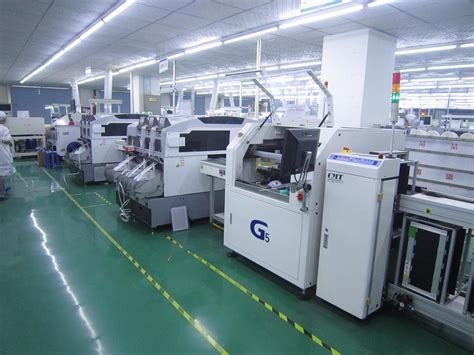
Small pcb manufacturing machine
Benefits Of Using Small PCB Manufacturing Machines For Prototyping
The advent of small PCB manufacturing machines has revolutionized the prototyping process in the electronics industry. These compact yet powerful devices offer a multitude of benefits that streamline the development of printed circuit boards (PCBs), making them an invaluable asset for engineers and designers alike.
One of the most significant advantages of using small PCB manufacturing machines is the reduction in turnaround time.
Traditional methods of PCB prototyping often involve outsourcing to specialized manufacturers, which can take several days or even weeks. In contrast, small PCB manufacturing machines enable on-site production, allowing for rapid iteration and immediate testing. This accelerated process not only speeds up development cycles but also enhances the ability to quickly identify and rectify design flaws.
Moreover, small PCB manufacturing machines offer a high degree of precision and accuracy.
These machines are equipped with advanced features such as laser etching and automated drilling, which ensure that even the most intricate designs are executed with meticulous detail. This level of precision is particularly crucial during the prototyping phase, where any deviation from the intended design can lead to significant setbacks. By maintaining stringent tolerances, small PCB manufacturing machines help in producing reliable prototypes that closely mirror the final product.
Another notable benefit is the cost-effectiveness of using small PCB manufacturing machines.
While the initial investment in these machines may seem substantial, the long-term savings are considerable. By eliminating the need for outsourcing, companies can significantly reduce their prototyping expenses. Additionally, the ability to produce multiple iterations in-house without incurring additional costs further enhances the economic viability of these machines. This cost efficiency is especially beneficial for startups and small businesses that operate on limited budgets.
Furthermore, small PCB manufacturing machines offer unparalleled flexibility.
They are capable of handling a wide range of materials and board sizes, making them suitable for various applications. This versatility allows designers to experiment with different configurations and materials, thereby fostering innovation. The ease of use associated with these machines also contributes to their flexibility. With user-friendly interfaces and intuitive software, even those with limited technical expertise can operate them effectively. This democratization of PCB manufacturing empowers a broader spectrum of individuals to engage in the prototyping process.
In addition to these practical benefits, small PCB manufacturing machines also contribute to sustainability.
Traditional PCB manufacturing processes often involve the use of harmful chemicals and generate significant waste. In contrast, many small PCB manufacturing machines employ eco-friendly techniques that minimize environmental impact. For instance, some machines use water-based etching solutions instead of harsh chemicals, thereby reducing toxic waste. This shift towards greener manufacturing practices aligns with the growing emphasis on sustainability within the industry.
Lastly, the integration of small PCB manufacturing machines into the prototyping process fosters a culture of continuous improvement.
The ability to quickly produce and test multiple iterations encourages a more iterative approach to design. This iterative process not only leads to better end products but also enhances the overall quality of the development process. By facilitating rapid feedback loops, small PCB manufacturing machines enable teams to refine their designs continuously, ultimately resulting in more robust and reliable products.
In conclusion, the benefits of using small PCB manufacturing machines for prototyping are manifold.
From reducing turnaround times and ensuring precision to offering cost-effectiveness and flexibility, these machines are transforming the landscape of PCB development. Their contribution to sustainability and the promotion of continuous improvement further underscore their value. As the electronics industry continues to evolve, the role of small PCB manufacturing machines in prototyping is set to become increasingly pivotal.
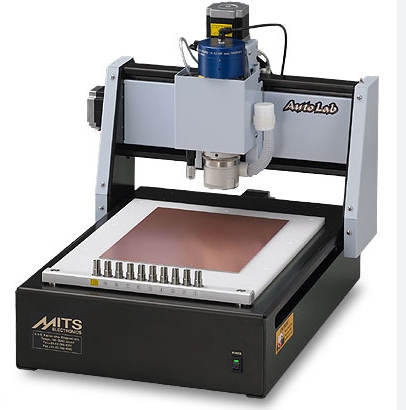
Key Features To Look For In A Small PCB Manufacturing Machine
When considering the acquisition of a small PCB manufacturing machine, it is essential to evaluate several key features to ensure that the investment meets your specific needs and enhances your production capabilities.
One of the primary aspects to consider is the machine’s precision and accuracy.
High precision is crucial for creating intricate circuit designs and ensuring that components are placed correctly. Machines equipped with advanced alignment systems and high-resolution cameras can significantly improve the accuracy of the manufacturing process, thereby reducing errors and increasing the overall quality of the printed circuit boards.
Another critical feature to look for is the machine’s versatility.
A versatile PCB manufacturing machine should be capable of handling various types of materials and board sizes. This flexibility allows for the production of a wide range of PCB designs, from simple single-layer boards to more complex multi-layer configurations. Additionally, the ability to work with different materials, such as FR4, aluminum, and flexible substrates, can expand the scope of projects that can be undertaken, making the machine a more valuable asset.
The speed of the manufacturing process is also an important consideration.
Faster machines can significantly reduce production times, which is particularly beneficial for meeting tight deadlines and increasing overall throughput. However, it is essential to balance speed with precision, as overly rapid processes may compromise the quality of the final product. Therefore, machines that offer adjustable speed settings and maintain high accuracy at various speeds are highly desirable.
Ease of use is another factor that should not be overlooked.
A user-friendly interface and intuitive controls can greatly enhance the efficiency of the manufacturing process. Machines that come with comprehensive software packages, including design and simulation tools, can simplify the workflow and reduce the learning curve for operators. Additionally, features such as automated setup and calibration can save time and minimize the potential for human error.
Maintenance and reliability are also paramount when selecting a small PCB manufacturing machine.
Machines that are designed for easy maintenance, with accessible components and clear instructions, can reduce downtime and extend the lifespan of the equipment. Furthermore, reliable machines that consistently produce high-quality results can build trust and confidence in the manufacturing process, ensuring that deadlines are met and customer satisfaction is achieved.
Cost is inevitably a significant factor in the decision-making process.
While it may be tempting to opt for the least expensive option, it is important to consider the long-term value of the machine. Investing in a higher-quality machine with advanced features may result in greater efficiency, reduced waste, and lower operating costs over time. Therefore, a thorough cost-benefit analysis should be conducted to determine the most cost-effective solution that meets your specific requirements.
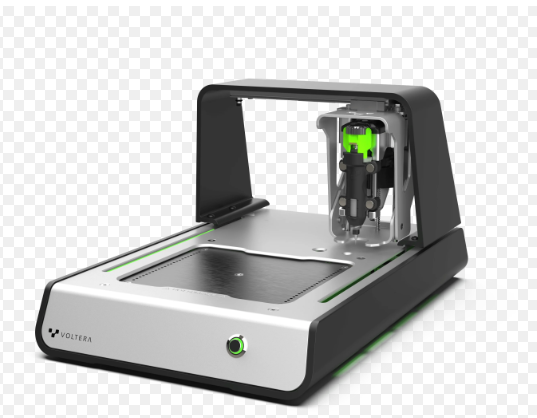
Finally, support and training provided by the manufacturer can greatly influence the overall experience with the machine.
Manufacturers that offer comprehensive training programs, detailed documentation, and responsive customer support can help ensure that operators are well-equipped to use the machine effectively and troubleshoot any issues that may arise. This support can be invaluable in maximizing the machine’s potential and achieving optimal results.
In conclusion, selecting the right small PCB manufacturing machine involves careful consideration of several key features, including precision, versatility, speed, ease of use, maintenance, cost, and manufacturer support. By thoroughly evaluating these factors, you can make an informed decision that enhances your production capabilities and delivers high-quality printed circuit boards.
Cost-Effective Solutions For Small-Scale PCB Production
In the realm of electronics manufacturing, the production of printed circuit boards (PCBs) is a critical process that demands precision and efficiency. For small-scale operations, the challenge often lies in balancing cost-effectiveness with the need for high-quality output. Small PCB manufacturing machines have emerged as a viable solution, offering a blend of affordability and performance that caters to the specific needs of small businesses, startups, and hobbyists.
One of the primary advantages of small PCB manufacturing machines is their ability to significantly reduce production costs.
Traditional PCB manufacturing processes often involve outsourcing to large-scale facilities, which can be prohibitively expensive for smaller operations. By investing in a compact PCB manufacturing machine, businesses can bring production in-house, thereby eliminating the need for costly third-party services. This not only reduces expenses but also provides greater control over the manufacturing process, allowing for more flexibility and quicker turnaround times.
Moreover, small PCB manufacturing machines are designed to be user-friendly, making them accessible to individuals with varying levels of technical expertise.
These machines typically come with intuitive software interfaces that guide users through the design and production stages. As a result, even those with limited experience in PCB manufacturing can produce high-quality boards with relative ease. This democratization of technology empowers small businesses and innovators to experiment and iterate on their designs without the constraints imposed by traditional manufacturing methods.
In addition to cost savings and ease of use, small PCB manufacturing machines offer a high degree of customization.
Unlike large-scale production facilities that often require minimum order quantities, these machines allow for the production of small batches or even single units. This is particularly beneficial for prototyping and small-scale production runs, where the ability to quickly produce and test new designs is crucial. The flexibility to make adjustments on the fly can lead to more innovative and refined final products.
Furthermore, the compact size of these machines makes them ideal for small workshops or home-based operations.
They require minimal space and can be easily integrated into existing workflows. This is a stark contrast to the large, industrial-grade equipment typically associated with PCB manufacturing, which demands significant space and infrastructure. The portability of small PCB manufacturing machines also means they can be transported and set up in different locations as needed, providing additional versatility for businesses that may need to operate in multiple sites.
While the initial investment in a small PCB manufacturing machine may seem substantial, the long-term benefits often outweigh the costs.
The ability to produce PCBs in-house leads to substantial savings over time, particularly as the volume of production increases. Additionally, the rapid advancements in technology mean that these machines are becoming more affordable and capable, further enhancing their value proposition.
In conclusion, small PCB manufacturing machines represent a cost-effective solution for small-scale PCB production. They offer significant advantages in terms of cost savings, ease of use, customization, and space efficiency. By enabling businesses to take control of their manufacturing processes, these machines foster innovation and agility, making them an invaluable asset for small-scale operations in the electronics industry. As technology continues to evolve, the capabilities and affordability of these machines are likely to improve, further solidifying their role as a cornerstone of small-scale PCB production.
How To Maintain And Troubleshoot Your Small PCB Manufacturing Machine
Maintaining and troubleshooting your small PCB manufacturing machine is crucial to ensure its longevity and optimal performance. Regular maintenance not only extends the life of the machine but also minimizes downtime and reduces the risk of costly repairs. To begin with, it is essential to establish a routine maintenance schedule.
This schedule should include daily, weekly, and monthly tasks that are meticulously followed.
Daily tasks might involve cleaning the machine to remove any dust or debris that could interfere with its operation. Weekly tasks could include checking for loose components and ensuring that all moving parts are adequately lubricated. Monthly tasks might involve more in-depth inspections, such as examining the machine’s electrical connections and ensuring that all software is up to date.
Transitioning to the importance of proper cleaning, it is vital to use the correct cleaning agents and tools.
Harsh chemicals can damage sensitive components, so it is advisable to use products specifically designed for PCB manufacturing machines. Additionally, using anti-static brushes and cloths can prevent static discharge, which could potentially harm the machine’s electronic parts. Regular cleaning not only keeps the machine in good working condition but also helps in identifying any wear and tear early on.
Moving on to the lubrication of moving parts, it is important to use the right type of lubricant.
Over-lubrication can attract dust and debris, while under-lubrication can lead to increased friction and wear. Therefore, following the manufacturer’s recommendations for lubrication is essential. Regularly lubricating the machine ensures smooth operation and reduces the risk of mechanical failures.
In terms of electrical maintenance, it is crucial to regularly inspect all electrical connections and components.
Loose or corroded connections can lead to intermittent issues that are difficult to diagnose. Ensuring that all connections are secure and free from corrosion can prevent many common electrical problems. Additionally, it is important to check the machine’s grounding to prevent static discharge, which can damage sensitive electronic components.
When it comes to software maintenance, keeping the machine’s software up to date is essential.
Manufacturers often release updates that fix bugs, improve performance, and add new features. Regularly checking for and installing these updates can ensure that the machine operates at its best. Moreover, backing up the machine’s software and settings can save time and effort in case of a system failure.
Transitioning to troubleshooting, it is important to have a systematic approach.
When a problem arises, start by identifying the symptoms and gathering as much information as possible. This information can help in pinpointing the root cause of the issue. Common problems might include misaligned components, software glitches, or electrical issues. By systematically checking each potential cause, you can narrow down the problem and find a solution more efficiently.
In addition, having a well-documented troubleshooting guide can be invaluable.
This guide should include common issues, their symptoms, and step-by-step instructions for resolving them. Keeping a log of any problems and their solutions can also help in identifying recurring issues and addressing them more effectively.
In conclusion, maintaining and troubleshooting your small PCB manufacturing machine requires a combination of regular maintenance, proper cleaning, lubrication, electrical inspections, and software updates. By following a systematic approach and keeping detailed records, you can ensure that your machine operates smoothly and efficiently, minimizing downtime and extending its lifespan.