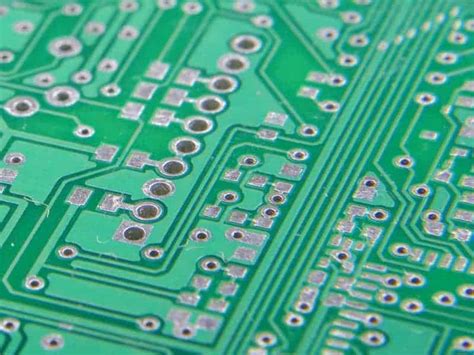
Small scale pcb manufacturing equipment
Essential Tools For Small Scale PCB Manufacturing
In the realm of electronics, the production of printed circuit boards (PCBs) is a critical process that demands precision and efficiency. For small-scale PCB manufacturing, having the right equipment is essential to ensure high-quality output while maintaining cost-effectiveness. This article delves into the essential tools required for small-scale PCB manufacturing, providing a comprehensive overview of each piece of equipment and its significance in the production process.
To begin with, the foundation of any PCB manufacturing setup is the design software.
Computer-Aided Design (CAD) software is indispensable for creating detailed and accurate PCB layouts. This software allows designers to draft schematics, place components, and route traces with precision. Popular CAD tools such as Eagle, KiCad, and Altium Designer offer a range of features that cater to both beginners and experienced professionals. The ability to simulate circuits and verify designs before production is a significant advantage, reducing the likelihood of errors and ensuring a smoother manufacturing process.
Once the design is finalized, the next step involves transferring the design onto a physical substrate.
For this purpose, a high-quality printer capable of producing precise and clear prints is necessary. Laser printers are commonly used for this task, as they can produce the fine details required for PCB patterns. The printed design is then transferred onto a copper-clad board using a heat press or laminator. This process, known as toner transfer, is crucial for creating an accurate representation of the PCB layout on the copper surface.
Following the transfer of the design, the next essential tool is an etching tank.
The etching process involves removing the unwanted copper from the board, leaving only the desired circuit pattern. Ferric chloride is a commonly used etchant for this purpose. An etching tank equipped with an agitation system ensures uniform etching and reduces the time required for the process. Proper ventilation and safety measures are imperative during etching to handle the chemicals safely and prevent exposure to harmful fumes.
After etching, the board must be cleaned and drilled to accommodate component leads.
A precision drill press is essential for this task, as it allows for accurate drilling of holes at specified locations. Carbide drill bits are preferred due to their durability and ability to create clean holes without damaging the board. The drilled holes must align perfectly with the component pads to ensure proper assembly and functionality of the final PCB.
Subsequently, the next step involves soldering the components onto the board.
A high-quality soldering station with adjustable temperature control is crucial for this process. Soldering irons with fine tips enable precise placement of solder, ensuring strong and reliable connections. Additionally, soldering stations equipped with hot air rework tools are beneficial for surface-mount technology (SMT) components, allowing for efficient soldering and desoldering of small parts.
To verify the integrity of the assembled PCB, a multimeter and an oscilloscope are indispensable tools.
A multimeter is used to check for continuity, measure resistance, and verify voltage levels, ensuring that the circuit functions as intended. An oscilloscope, on the other hand, allows for the visualization of signal waveforms, aiding in the diagnosis of any issues related to signal integrity or timing.
In conclusion, small-scale PCB manufacturing requires a suite of essential tools to ensure precision, efficiency, and high-quality output. From design software and printers to etching tanks, drill presses, soldering stations, and testing equipment, each tool plays a vital role in the production process. By investing in the right equipment and adhering to best practices, small-scale manufacturers can achieve professional-grade results and contribute to the advancement of electronic innovations.
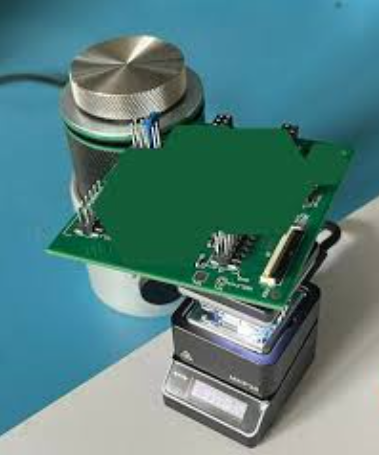
Best Budget-Friendly PCB Milling Machines
When it comes to small-scale PCB manufacturing, budget-friendly PCB milling machines have become an indispensable tool for hobbyists, startups, and small businesses. These machines offer a cost-effective solution for creating custom printed circuit boards (PCBs) without the need for expensive outsourcing. As the demand for rapid prototyping and small-batch production grows, understanding the best budget-friendly PCB milling machines available on the market is crucial.
One of the most popular choices in this category is the Bantam Tools Desktop PCB Milling Machine.
Known for its precision and reliability, this machine is designed to handle a variety of materials, including FR-1, a common PCB substrate. The Bantam Tools machine is user-friendly, featuring an intuitive software interface that simplifies the milling process. Additionally, its compact size makes it ideal for small workspaces, and its affordability does not compromise on quality, making it a favorite among budget-conscious users.
Transitioning to another notable option, the Genmitsu CNC 3018-PRO is a versatile and affordable milling machine that has garnered attention for its robust performance
This machine is particularly appealing due to its open-source nature, allowing users to customize and upgrade it according to their specific needs. The Genmitsu CNC 3018-PRO is equipped with a powerful spindle and a sturdy frame, ensuring accurate and consistent milling results. Furthermore, its compatibility with various software programs enhances its flexibility, making it suitable for a wide range of PCB manufacturing tasks.
In addition to these options, the Prometheus PCB Milling Machine by Zippy Robotics stands out for its high precision and ease of use.
Designed with the needs of small-scale manufacturers in mind, the Prometheus machine offers a seamless milling experience with its advanced software and hardware integration. Its ability to produce fine traces and intricate designs makes it an excellent choice for those requiring detailed PCB work. Moreover, the Prometheus machine’s affordability and compact design make it accessible to a broader audience, including educational institutions and individual enthusiasts.
Another commendable mention is the Othermill Pro, which has been praised for its exceptional build quality and user-friendly interface.
This machine is particularly well-suited for those new to PCB milling, as it offers a straightforward setup process and comprehensive support resources. The Othermill Pro’s precision and reliability are on par with more expensive models, making it a valuable investment for small-scale PCB manufacturing. Its ability to handle various materials and produce high-quality PCBs efficiently further solidifies its position as a top budget-friendly option.
While these machines offer excellent value for money, it is essential to consider factors such as build quality, software compatibility, and customer support when making a purchase decision. Each of these budget-friendly PCB milling machines has its unique strengths, catering to different user needs and preferences. By carefully evaluating these factors, users can select the most suitable machine for their specific requirements, ensuring a successful and cost-effective PCB manufacturing experience.
In conclusion, the availability of budget-friendly PCB milling machines has revolutionized small-scale PCB manufacturing, providing accessible and efficient solutions for creating custom circuit boards. Machines like the Bantam Tools Desktop PCB Milling Machine, Genmitsu CNC 3018-PRO, Prometheus PCB Milling Machine, and Othermill Pro exemplify the best in this category, offering a blend of affordability, precision, and user-friendliness. As the demand for rapid prototyping and small-batch production continues to rise, these machines will undoubtedly play a pivotal role in meeting the needs of hobbyists, startups, and small businesses alike.
Top Soldering Stations For Small PCB Projects
When embarking on small-scale printed circuit board (PCB) projects, the choice of soldering station can significantly impact the quality and efficiency of your work. Soldering stations are essential tools for assembling and repairing electronic circuits, and selecting the right one is crucial for achieving precise and reliable results. In this context, several soldering stations stand out for their performance, versatility, and user-friendly features, making them ideal for small PCB projects.
One of the top contenders in this category is the Hakko FX-888D.
Renowned for its reliability and ease of use, the Hakko FX-888D offers a digital display that allows for precise temperature control, which is essential for working with delicate components. Its compact design and ergonomic handle make it comfortable to use over extended periods, reducing the risk of hand fatigue. Additionally, the station heats up quickly and maintains a stable temperature, ensuring consistent soldering quality. The Hakko FX-888D is particularly favored by hobbyists and professionals alike for its durability and performance.
Another excellent option is the Weller WE1010NA.
This soldering station is designed with both beginners and experienced users in mind. It features an intuitive interface with a digital LCD screen that displays the current temperature, making it easy to adjust settings as needed. The Weller WE1010NA heats up rapidly and provides precise temperature control, which is crucial for preventing damage to sensitive components. Its ergonomic design and lightweight soldering iron contribute to a comfortable soldering experience. Moreover, the station includes a standby mode that conserves energy and extends the lifespan of the heating element.
For those seeking a more advanced solution, the Metcal MX-500 is a top-tier soldering station that offers unparalleled performance.
The Metcal MX-500 utilizes SmartHeat technology, which automatically adjusts the power output based on the thermal demand of the solder joint. This feature ensures optimal heat transfer and minimizes the risk of overheating components. The station also boasts a rapid heat-up time and exceptional thermal recovery, making it ideal for high-precision work. While the Metcal MX-500 is a more significant investment, its advanced capabilities and robust construction make it a worthwhile choice for serious electronics enthusiasts and professionals.
In addition to these options, the TS100 Digital Soldering Iron is a portable and versatile choice for small PCB projects.
The TS100 is a compact, lightweight soldering iron with a digital OLED display that allows for precise temperature adjustments. Its portability makes it an excellent option for fieldwork or situations where a full-sized soldering station is impractical. Despite its small size, the TS100 delivers impressive performance, with rapid heat-up times and stable temperature control. Its modular design also allows for easy replacement of tips and other components, enhancing its longevity and versatility.
When selecting a soldering station for small PCB projects, it is essential to consider factors such as temperature control, heat-up time, ergonomic design, and overall build quality. Each of the soldering stations mentioned above offers a unique set of features that cater to different needs and preferences. Whether you are a hobbyist looking for a reliable and affordable option or a professional seeking advanced capabilities, there is a soldering station that can meet your requirements. By investing in a high-quality soldering station, you can ensure that your small PCB projects are completed with precision and efficiency, ultimately leading to better performance and reliability of your electronic circuits.
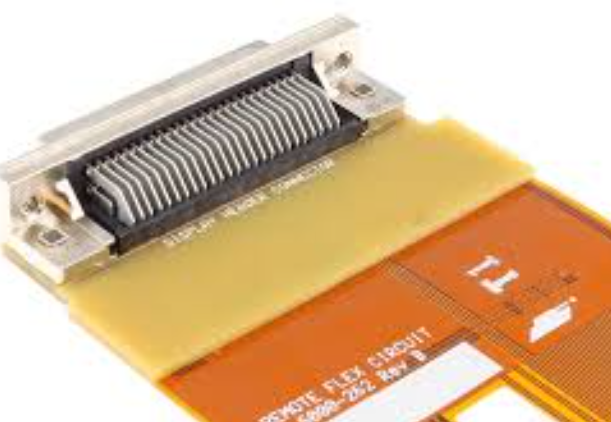
Guide To Choosing The Right PCB Etching Equipment
When venturing into small-scale PCB manufacturing, selecting the appropriate etching equipment is crucial for ensuring high-quality results and efficient production processes. The right PCB etching equipment can significantly impact the precision, reliability, and overall success of your manufacturing endeavors. Therefore, understanding the various factors that influence this choice is essential for making an informed decision.
To begin with, it is important to consider the type of etching process that best suits your needs.
There are primarily two methods: chemical etching and laser etching. Chemical etching involves using a corrosive solution to remove unwanted copper from the PCB, while laser etching employs a high-powered laser to achieve the same result. Each method has its advantages and limitations. Chemical etching is generally more cost-effective and suitable for larger production volumes, whereas laser etching offers higher precision and is ideal for intricate designs and smaller batches.
Another critical factor to consider is the material compatibility of the etching equipment.
Different PCBs are made from various substrates such as FR4, aluminum, and flexible materials. Ensuring that the chosen equipment can handle the specific materials you intend to use is paramount. For instance, some chemical etching solutions may not be suitable for certain substrates, potentially leading to suboptimal results or even damage to the PCB.
Furthermore, the resolution and accuracy of the etching equipment are vital considerations.
High-resolution equipment is necessary for producing fine traces and intricate patterns, which are increasingly common in modern electronic devices. Precision in etching directly affects the performance and reliability of the final product. Therefore, investing in equipment that offers high accuracy and resolution can lead to better quality PCBs and fewer production errors.
In addition to technical specifications, the ease of use and maintenance of the etching equipment should not be overlooked.
User-friendly equipment can significantly reduce the learning curve and increase productivity, especially for small-scale operations where resources may be limited. Additionally, equipment that is easy to maintain can minimize downtime and extend the lifespan of the machinery, ultimately leading to cost savings in the long run.
Cost is another pivotal aspect to consider when choosing PCB etching equipment.
While it may be tempting to opt for the most affordable option, it is essential to balance cost with quality and functionality. Investing in high-quality equipment may have a higher initial cost but can result in better performance, durability, and lower long-term expenses. Conversely, cheaper equipment may lead to frequent breakdowns, higher maintenance costs, and subpar results, which can negatively impact your manufacturing process.
Moreover, it is beneficial to consider the scalability of the etching equipment.
As your business grows, your production needs may increase, and having equipment that can scale with your operations can save you from future investments. Equipment that offers modular upgrades or can handle varying production volumes can provide flexibility and support business growth.
Lastly, seeking recommendations and reviews from industry peers and experts can provide valuable insights into the performance and reliability of different etching equipment. Engaging with online forums, attending industry trade shows, and consulting with suppliers can help you gather information and make a well-informed decision.
In conclusion, choosing the right PCB etching equipment for small-scale manufacturing involves careful consideration of various factors, including the etching method, material compatibility, resolution, ease of use, cost, scalability, and industry recommendations. By thoroughly evaluating these aspects, you can select equipment that meets your specific needs and supports the successful production of high-quality PCBs.