SMT Electronic Manufacturing: Technology, Process and Future TrendsIntroduction
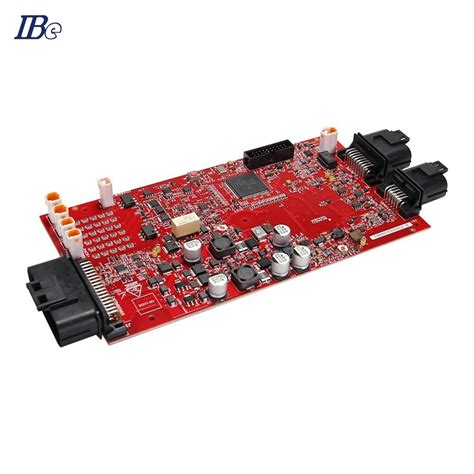
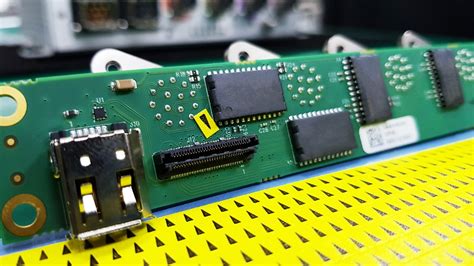
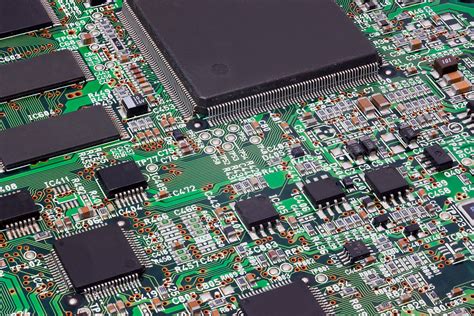
Surface Mount Technology (SMT) is one of the core processes of modern electronic manufacturing and is widely used in consumer electronics, automotive electronics, medical equipment, industrial control and other fields. SMT achieves high density, miniaturization and high performance of electronic products by directly mounting electronic components on the surface of printed circuit boards (PCBs). With the rapid development of electronic technology, SMT manufacturing processes are also constantly improving, promoting the innovation and popularization of electronic products. This article will explore the technical details, production processes and future development trends of SMT electronic manufacturing.
I. Basic concepts of SMT electronic manufacturing
1.What is SMT?
SMT is a technology that mounts electronic components directly on the surface of PCBs. Compared with traditional through-hole mounting technology (THT), SMT has the following advantages:
High density: components can be mounted on both sides of the PCB, significantly improving the integration of the circuit board.
Miniaturization: suitable for micro components to meet the needs of thin and light electronic products.
High performance: shortens the signal transmission path and improves the electrical performance of the circuit.
Automation: SMT production lines can achieve high automation and improve production efficiency.
2.Core components of SMT
The SMT manufacturing process involves multiple core components, including:
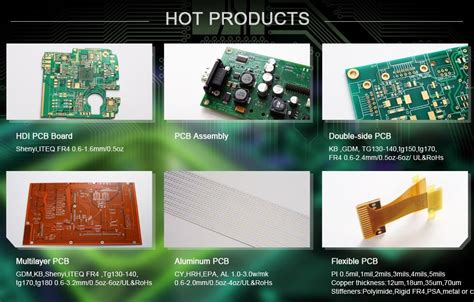
PCB: As the carrier of components, the design and manufacturing quality of PCB directly affect the effect of SMT.
Components: including resistors, capacitors, integrated circuits, etc., usually supplied in the form of tape or tray.
Solder paste: used to fix components on PCB and realize electrical connection.
Mounter: used to accurately mount components on PCB.
Reflow oven: realizes the welding of components by heating solder paste.
3.Process flow of SMT electronic manufacturing
The process flow of SMT electronic manufacturing usually includes the following key steps:
4.PCB design and preparation
PCB design is the basis of SMT manufacturing. Designers use EDA (electronic design automation) software to draw circuit diagrams and generate Gerber files according to the circuit function requirements. PCB manufacturers produce bare boards based on these files, including substrates, copper layers, insulation layers, and pads.
5.Solder paste printing
Solder paste printing is the first step in SMT manufacturing. Solder paste is evenly applied to the pads of the PCB through a steel mesh and a scraper. The printing quality of solder paste directly affects the subsequent mounting and welding effects.
6.Component mounting
Component mounting is the core link of SMT manufacturing. The mounter takes the components from the reel or tray according to the programming file and mounts them precisely at the designated position of the PCB. Modern mounters can achieve high-speed and high-precision mounting to meet the needs of complex circuit boards.
7.Reflow soldering
Reflow soldering is a key step to fix components on the PCB and achieve electrical connections. The PCB passes through the reflow oven and goes through three stages of preheating, soldering and cooling. During the soldering stage, the solder paste melts and forms reliable solder joints.
8.Cleaning and inspection
After soldering is completed, the PCB needs to be cleaned to remove solder slag and residues. Then the soldering quality and component installation are checked by automatic optical inspection (AOI), X-ray inspection and other means.
9.Functional testing
Finally, the PCB is functionally tested to ensure that it meets the design requirements. The test content includes electrical performance, signal integrity, power consumption, etc.
3. Key technologies of SMT electronic manufacturing
(1)High-precision mounting technology
With the miniaturization of electronic components, the precision requirements of SMT mounting are getting higher and higher. Modern placement machines can achieve micron-level mounting accuracy to meet the needs of micro components such as 01005 (0.4mm x 0.2mm).
(2)Lead-free soldering technology
The increase in environmental awareness has promoted SMT manufacturing to develop in the direction of lead-free soldering. The melting point of lead-free solder paste is higher, which puts higher requirements on the welding process, but can reduce the impact on the environment.
(3)3D printing technology
The application of 3D printing technology in SMT manufacturing is gradually increasing. Through 3D printing, complex PCB structures and customized components can be quickly manufactured, shortening the product development cycle.
10.Intelligent manufacturing technology
Intelligent manufacturing technology can realize real-time monitoring, intelligent scheduling and predictive maintenance of SMT production process by introducing technologies such as artificial intelligence, machine vision and Internet of Things, so as to further improve production efficiency and product quality.
5. Application fields of SMT electronic manufacturing
- Consumer electronics
Consumer electronics is the largest application field of SMT manufacturing, including smart phones, tablet computers, smart home devices, etc. The requirements of SMT for these products are high integration, miniaturization and low cost. - Automotive electronics
A large number of SMT circuit boards are used in modern cars for engine control, in-car entertainment, automatic driving and other functions. The requirements of automotive electronics for SMT are high reliability and high temperature and vibration resistance. - Medical equipment
SMT circuit boards in medical equipment are used for vital signs monitoring, imaging diagnosis, treatment equipment, etc. The requirements of SMT for these applications are high precision, high reliability and compliance with medical industry standards. - Industrial control
SMT circuit boards in industrial control systems are used for PLC (programmable logic controller), sensors, robots, etc. The requirements of SMT for these applications are strong anti-interference ability and adaptability to harsh environments. - Aerospace
The aerospace field has extremely strict requirements for SMT circuit boards, including high reliability, resistance to extreme temperatures, and radiation resistance. SMT has important applications in satellites, flight control systems, and other fields.
6. Future development trends of SMT electronic manufacturing
(1)High integration and miniaturization
With the continuous increase in the functions of electronic devices, the integration and miniaturization requirements of SMT circuit boards are also increasing. In the future, SMT will adopt more advanced packaging technologies (such as SiP system-level packaging) and more sophisticated manufacturing processes (such as nanoscale circuits) to meet the needs of high performance and miniaturization.
(2)Flexible electronics and wearable devices
The development of flexible electronic technology has brought new opportunities for SMT. In the future, flexible SMT circuit boards will be widely used in wearable devices, folding screen mobile phones, smart clothing and other fields.
(3)5G and Internet of Things
The popularity of 5G and the Internet of Things has put forward higher requirements for SMT circuit boards. In the future, SMT needs to support higher signal transmission rates, lower power consumption, and stronger anti-interference capabilities to meet the needs of applications such as 5G base stations and Internet of Things terminals.
(4)Green Manufacturing
The increase in environmental awareness has driven SMT manufacturing to develop in a green direction. By adopting lead-free solder, environmentally friendly cleaning agents, recyclable materials, etc., the impact on the environment can be reduced and the environmental protection requirements of customers and society can be met.
(5)Intelligent Manufacturing and Automation
With the advancement of Industry 4.0, SMT manufacturing will become more and more intelligent and automated. By introducing technologies such as artificial intelligence, machine vision, and the Internet of Things, real-time monitoring, intelligent scheduling, and predictive maintenance of the production process can be achieved, further improving production efficiency and product quality.
7. Key factors in selecting SMT electronic manufacturing suppliers
- Technical capabilities
When selecting an SMT electronic manufacturing supplier, the first thing to consider is its technical capabilities, including the mastery of technologies such as high-precision placement, lead-free soldering, and intelligent manufacturing, as well as the advancement of equipment and the automation level of the production line. - Quality control
Quality control is the core of SMT manufacturing. Suppliers should have a strict quality control system and pass industry certifications such as ISO 9001 and IATF 16949. - Delivery time
In today’s fast iteration of electronic products, delivery time has become an important consideration in selecting SMT suppliers. Suppliers should have the ability to quickly make samples and mass produce. - Cost control
Cost control is a factor that cannot be ignored when selecting SMT suppliers. Suppliers should provide competitive prices through means such as optimized design and large-scale production. - Customer service
Good customer service and technical support are important considerations in selecting SMT suppliers. Suppliers should be able to provide a full range of services, including technical support, after-sales service and smooth communication channels.
Conclusion
SMT electronic manufacturing is the core process of the modern electronics industry, and its technical level and manufacturing process directly affect the performance and reliability of electronic products. With the development of technologies such as high integration, flexible electronics, 5G, and intelligent manufacturing, SMT will usher in a broader application prospect. For electronic manufacturing companies, choosing an SMT supplier with strong technical capabilities, strict quality control, and high-quality services will be the key to ensuring product success. In the future, the SMT industry will continue to promote the innovation and development of electronic technology and make greater contributions to the progress of human society.