SMT PCB Assembly: Boosting Production Efficiency
Key Takeaways
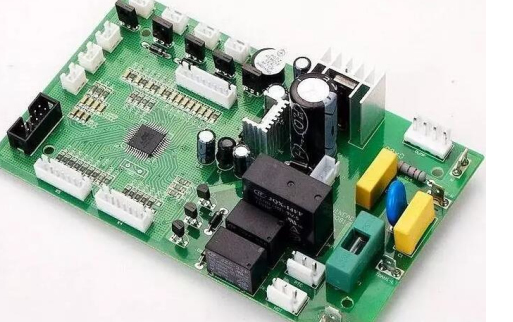
Modern PCB assembly processes leverage surface-mount technology (SMT) to achieve unprecedented efficiency gains. By automating tasks such as solder paste application and component placement, PCBA workflows minimize manual intervention, reducing human error rates by up to 70% compared to traditional methods. The precision of pick-and-place machines ensures components are positioned with micron-level accuracy, directly enhancing product reliability.
"Adopting SMT-driven PCB assembly not only accelerates production cycles but also optimizes material usage, cutting waste by approximately 30%."
This approach also streamlines testing phases, as automated optical inspection (AOI) systems rapidly identify defects like misalignments or solder bridging. Manufacturers report a 40–50% reduction in post-assembly rework costs when integrating SMT into their PCBA pipelines. Furthermore, the compact design enabled by SMT allows for higher component density, critical for modern electronics like IoT devices and wearables.
When evaluating SMT versus through-hole assembly, the speed advantage becomes evident: a single SMT line can place 20,000+ components per hour, dwarfing manual alternatives. To maximize benefits, prioritize suppliers with expertise in thermal management and fine-pitch component handling, as these factors significantly impact long-term board performance.
By aligning PCB assembly strategies with SMT advancements, businesses achieve a dual advantage: faster time-to-market and scalable, cost-effective manufacturing.
Automated SMT PCB Assembly Efficiency Benefits
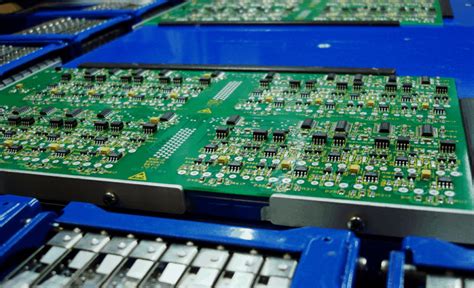
Modern PCB assembly processes have undergone transformative shifts with the integration of automated Surface Mount Technology (SMT) systems. By leveraging advanced robotics and machine vision, PCBA workflows achieve unparalleled precision in component placement, enabling manufacturers to assemble complex boards at speeds exceeding 50,000 components per hour. This automation minimizes human intervention, reducing manual errors by up to 90% compared to traditional methods.
A key advantage lies in the seamless synchronization of solder paste application, pick-and-place operations, and reflow soldering. For instance, automated optical inspection (AOI) systems integrated into SMT PCB assembly lines instantly detect misalignments or soldering defects, ensuring consistent quality without halting production. The table below highlights efficiency gains in automated versus manual processes:
| Metric | Automated SMT | Manual Assembly |
|---|---|---|
| Components/Hour | 45,000–60,000 | 800–1,200 |
| Defect Rate | <0.1% | 2–5% |
| Setup Time Reduction | 70% | — |
Furthermore, automated PCBA systems optimize material utilization by precisely dispensing solder paste and adhesives, cutting waste by 15–20%. This efficiency extends to scalability, allowing manufacturers to rapidly adjust production volumes in response to market demands. By eliminating bottlenecks in high-mix, low-volume scenarios, SMT-driven automation ensures shorter lead times and higher throughput—critical for industries like consumer electronics and automotive systems.
These advancements not only accelerate time-to-market but also create a foundation for innovations in miniaturization and IoT device manufacturing. As the next section explores, precision component placement further amplifies these benefits through advanced SMT methodologies.
Precision Component Placement in SMT Processes
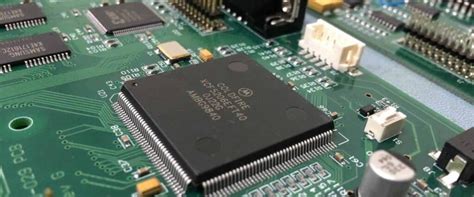
Modern PCB assembly relies on surface-mount technology (SMT) to achieve micrometer-level accuracy in component placement, a critical factor for high-density electronic designs. Automated pick-and-place systems equipped with advanced vision recognition align miniature components—such as 0402 resistors or QFN ICs—onto boards with positional tolerances under 0.1mm. This precision minimizes misalignment risks, which directly impacts yield rates in PCBA production.
The integration of laser-guided positioning and real-time feedback mechanisms ensures consistent placement quality across high-volume batches. For instance, twin-head placement machines can simultaneously mount 25,000 components per hour while maintaining ±0.025mm repeatability. Such capabilities not only accelerate throughput but also reduce rework costs by addressing defects at the source. By optimizing component placement accuracy, manufacturers enhance the reliability of end products, particularly in applications like medical devices or aerospace systems where zero-failure tolerance is non-negotiable.
This level of precision also streamlines downstream processes, such as soldering and testing, creating a ripple effect of efficiency gains throughout the PCB assembly workflow. As SMT innovations continue to shrink component sizes, the demand for ultra-precise placement systems will remain central to advancing electronics manufacturing.
Reducing Production Errors With SMT Technology
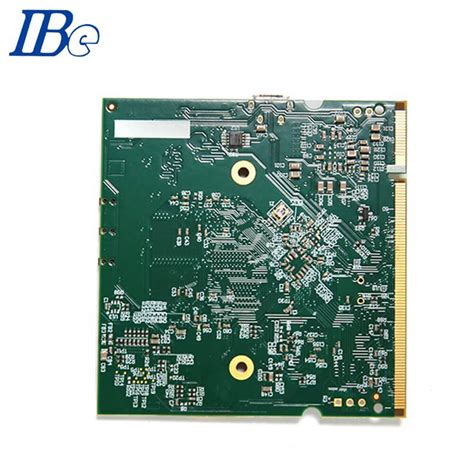
Modern PCB assembly processes leverage surface mount technology (SMT) to significantly reduce production errors that plague traditional manufacturing methods. By automating critical stages like solder paste application and component placement, SMT minimizes human intervention, which is a primary source of inconsistencies. Advanced vision systems and pick-and-place machines ensure micron-level accuracy, aligning components precisely according to design specifications. This precision directly translates to fewer misalignments or solder bridging, common issues in manual PCBA workflows.
Furthermore, SMT integrates real-time quality control mechanisms, such as automated optical inspection (AOI), to detect defects early in the assembly line. These systems identify discrepancies—like missing components or inadequate solder joints—before they escalate into costly rework. The use of standardized reflow profiles also stabilizes soldering conditions, eliminating thermal-related defects. For high-volume production, this error-reduction capability ensures consistent output across batches, reducing scrap rates by up to 60% compared to through-hole techniques. By streamlining PCB assembly through SMT, manufacturers achieve higher first-pass yields, reinforcing reliability while accelerating time-to-market for complex electronics.
Cost-Effective Manufacturing via SMT Assembly
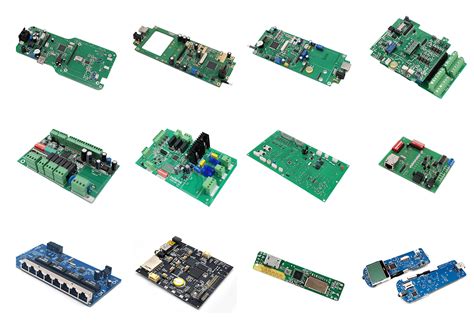
Modern PCB assembly processes leveraging surface-mount technology (SMT) have become a cornerstone for achieving cost efficiency in electronics manufacturing. By replacing bulky through-hole components with compact SMDs, PCBA workflows minimize material usage while optimizing board space—reducing raw material expenses by up to 40% in high-volume production. Automated pick-and-place systems further cut labor costs by executing high-speed component placement with micron-level accuracy, eliminating manual errors and rework.
The integration of vision-guided machinery ensures precise solder paste application and component alignment, slashing defect rates to below 0.1% in optimized setups. This precision directly translates to fewer wasted boards and lower post-production quality control expenditures. Additionally, SMT’s compatibility with reflow soldering streamlines thermal management, shortening cycle times and energy consumption compared to traditional methods.
Scalability remains a critical advantage: SMT lines can rapidly adapt to design changes or batch size fluctuations without costly retooling. For manufacturers, this flexibility reduces inventory overheads and accelerates time-to-market—key drivers for maintaining competitiveness in fast-paced industries. By merging automation, precision, and adaptability, SMT PCB assembly establishes a sustainable framework for balancing quality with budgetary constraints.
SMT vs Traditional PCB Assembly Speed Comparison
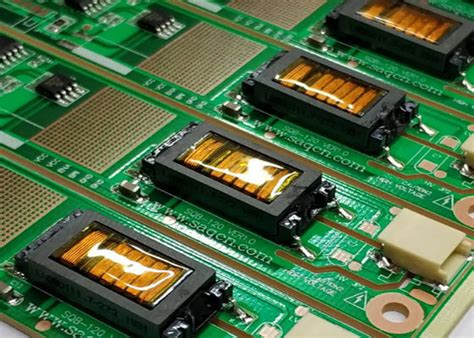
The transition from traditional PCB assembly methods to surface-mount technology (SMT) has fundamentally altered production timelines in electronics manufacturing. Unlike conventional through-hole techniques, which rely on manual insertion or semi-automated processes, SMT PCB assembly leverages automated pick-and-place systems capable of positioning thousands of components per hour. This automation eliminates bottlenecks caused by human intervention, accelerating throughput by up to 80% compared to legacy approaches.
In traditional PCBA, component placement often requires sequential drilling and soldering, adding layers of complexity and time. For instance, dual-sided boards in through-hole assemblies demand multiple passes for component insertion, whereas SMT processes enable simultaneous placement on both sides via precision-guided machinery. Additionally, reflow soldering in SMT consolidates multiple soldering steps into a single, high-speed oven cycle, further compressing production cycles.
Speed advantages extend beyond raw placement rates. SMT-driven PCBA minimizes setup times through pre-programmed designs, reducing machine calibration delays. Traditional methods, by contrast, often necessitate manual adjustments for different board layouts. This agility allows manufacturers to pivot rapidly between projects without sacrificing accuracy—a critical factor in high-mix, low-volume production environments.
While traditional techniques retain niche applications, the sheer velocity of SMT assembly makes it indispensable for modern electronics. By integrating speed with precision, SMT not only meets rising demand for faster turnarounds but also aligns with cost-efficiency goals through reduced labor and material waste.
Enhancing PCB Production Through Automation
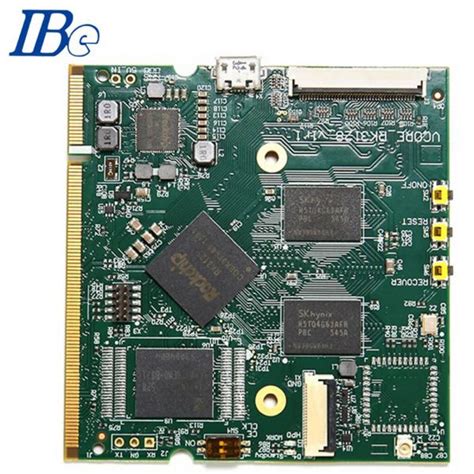
Automation has become the backbone of modern PCB assembly, particularly in SMT (Surface Mount Technology) workflows, where precision and speed are paramount. By integrating advanced robotic systems, manufacturers achieve unprecedented accuracy in component placement, reducing manual intervention and human error. Automated PCBA lines leverage vision-guided pick-and-place machines to position micro-sized resistors, capacitors, and ICs at rates exceeding 50,000 components per hour. This not only accelerates throughput but also ensures consistent quality across high-volume batches.
Transitioning from manual to automated processes minimizes bottlenecks in PCB production, as machines operate continuously without fatigue. Real-time monitoring systems further enhance reliability by detecting alignment issues or solder defects early in the assembly cycle. For instance, automated optical inspection (AOI) tools scan boards post-reflow, flagging discrepancies for immediate correction. Such innovations align with industry demands for faster time-to-market while maintaining rigorous performance standards.
Moreover, automation enables seamless scalability in SMT PCB assembly. Manufacturers can swiftly reconfigure equipment for new designs, supporting agile responses to evolving product requirements. This flexibility, combined with reduced material waste and labor costs, positions automated PCBA as a cornerstone of cost-effective, high-efficiency electronics manufacturing.
Minimizing Operational Costs With SMT Solutions
Building on the efficiency gains of automated PCB assembly, surface-mount technology (SMT) delivers measurable cost reductions across electronics manufacturing. By integrating high-speed pick-and-place machines and reflow ovens, PCBA workflows eliminate manual labor-intensive steps, reducing labor expenses by up to 60% compared to through-hole methods. The precision of laser-aligned component placement minimizes material waste, as solder paste application and part positioning errors drop below 0.01%. Additionally, SMT’s compatibility with smaller, lighter components lowers raw material costs while enabling compact designs that reduce shipping and packaging overhead.
Energy-efficient SMT equipment further slashes operational costs. Modern reflow ovens with optimized thermal profiles consume 30% less power than legacy systems, and automated optical inspection (AOI) tools cut post-assembly testing time by half. These innovations ensure SMT PCB assembly not only accelerates production but also aligns with sustainable manufacturing practices. By reducing defects and rework rates to near-zero levels, manufacturers avoid costly delays and material redundancies, creating a leaner, more predictable cost structure. This financial advantage positions SMT as a cornerstone for scalable, high-volume electronics production.
SMT Innovations for Streamlined Electronics Manufacturing
Modern PCB assembly processes have undergone transformative advancements through Surface Mount Technology (SMT), enabling manufacturers to achieve unprecedented levels of efficiency. Innovations such as vision-guided placement systems and high-speed pick-and-place machines now allow for micron-level accuracy in component positioning, a critical factor in producing compact, high-density PCBA designs. These systems integrate machine learning algorithms to dynamically adjust placement parameters, minimizing alignment errors even with ultra-fine-pitch components. Additionally, advancements in solder paste inspection (SPI) and automated optical inspection (AOI) technologies ensure real-time defect detection, reducing rework rates by up to 70%.
The adoption of modular assembly lines further enhances scalability, enabling rapid reconfiguration for diverse product batches without compromising throughput. For instance, dual-lane conveyors and hybrid SMT PCB assembly setups allow simultaneous processing of multiple board types, slashing idle time between production cycles. Crucially, innovations like conductive adhesives and low-temperature soldering techniques address thermal challenges in heat-sensitive applications, expanding compatibility with advanced substrates. By merging precision, adaptability, and intelligent quality control, these SMT-driven advancements not only accelerate electronics manufacturing but also align with the industry’s shift toward miniaturized, IoT-ready devices.
Conclusion
As demonstrated throughout this analysis, SMT PCB assembly stands as a cornerstone of modern electronics manufacturing, delivering unparalleled improvements in efficiency and reliability. By leveraging automated processes, manufacturers achieve consistent precision in component placement, significantly reducing human error while accelerating production cycles. This shift from traditional methods to SMT-driven workflows not only enhances throughput but also minimizes material waste, aligning with cost-effective PCBA strategies.
The integration of advanced technologies such as automated optical inspection (AOI) and solder paste stenciling further ensures that PCB assembly maintains high-quality standards even at scale. Compared to conventional through-hole techniques, SMT solutions offer a compelling balance of speed, accuracy, and adaptability—critical factors in meeting today’s demands for rapid prototyping and mass production.
Ultimately, the adoption of SMT PCB assembly represents a strategic investment for manufacturers aiming to optimize operational workflows. By prioritizing error reduction and process automation, businesses can achieve sustainable growth while staying competitive in an increasingly dynamic industry landscape.
FAQs
How does SMT PCB assembly differ from traditional methods?
PCB assembly using surface-mount technology (SMT) eliminates manual soldering by automating component placement, enabling faster production cycles and tighter tolerances. Unlike through-hole techniques, SMT supports smaller components, reducing material waste and improving board density.
What makes automated processes critical in PCBA workflows?
Automation minimizes human intervention, ensuring consistent precision component placement and reducing errors caused by fatigue or miscalibration. Advanced vision systems in SMT PCB assembly verify alignment accuracy, preventing costly rework and accelerating throughput.
Can SMT technology reduce operational costs long-term?
Yes. By optimizing material usage and shortening production timelines, PCBA via SMT lowers per-unit expenses. Reduced error rates also decrease scrap volumes, while higher output scales meet demand without proportional cost increases.
How does precision placement enhance product reliability?
SMT machines place components with micron-level accuracy, ensuring optimal electrical connections. This precision minimizes thermal stress and signal interference, critical for high-performance electronics like medical devices or IoT systems.
Are SMT solutions compatible with low-volume production?
Modern PCB assembly services offer flexible SMT workflows, scaling efficiently for both prototyping and mass production. Automated setups reduce setup times, making small batches economically viable without sacrificing speed.
Optimize Your Manufacturing Process Today
Ready to leverage SMT PCB assembly for your next project? Click here to explore tailored PCBA solutions that align with your production goals.