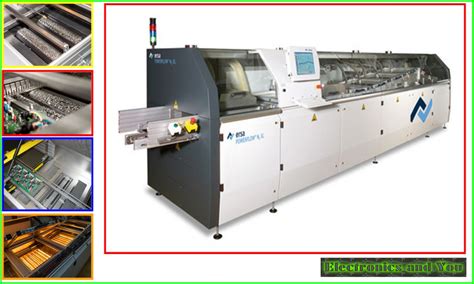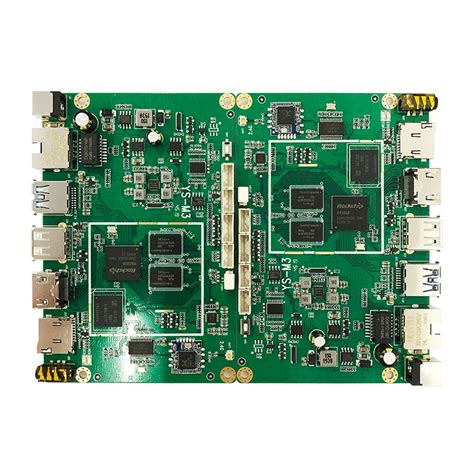
SMT Printed Circuit Board Technology: Optimizing Electronic Manufacturing Efficiency
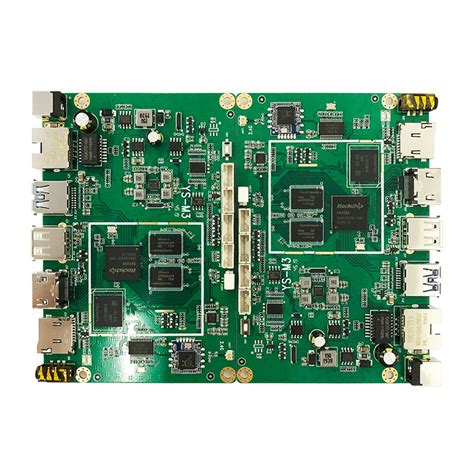
Key Takeaways
Modern PCB assembly processes leverage surface-mount technology (SMT) to achieve unprecedented manufacturing efficiency. By integrating PCBA workflows with automated placement systems, manufacturers reduce manual intervention, minimizing errors while accelerating production cycles. Key advancements include:
| Feature | Impact |
|---|---|
| Micro-component placement | Enables high-density layouts for compact devices |
| Reflow soldering | Ensures consistent joint reliability |
| Automated optical inspection (AOI) | Reduces defect rates by 30–50% |
"SMT’s precision-driven approach eliminates legacy bottlenecks, making it indispensable for high-volume electronics manufacturing." – Industry Expert
Cost-effective strategies such as panelization optimize material usage, while scalable assembly lines adapt seamlessly to fluctuating demand. For instance, combining PCBA with modular conveyor systems cuts idle time by 25%, enhancing throughput.
Pro Tip: Prioritize solder paste stencil design to avoid rework. A 5% improvement in aperture accuracy can yield 15% faster cycle times.
Furthermore, reliability advancements like moisture-resistant substrates and lead-free solders extend product lifespans, critical for aerospace and medical applications. By aligning PCB assembly workflows with real-time analytics, manufacturers achieve predictive maintenance, reducing downtime by up to 40%.
Another critical consideration is thermal management. Implementing simulation-driven layouts during PCBA design prevents overheating, ensuring stable performance in high-power environments.
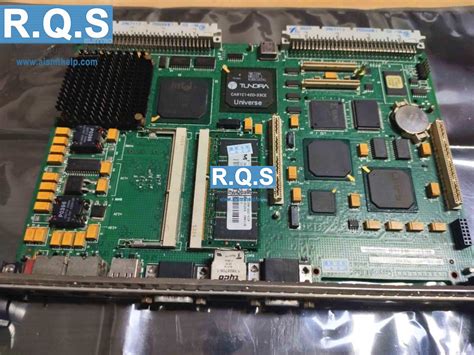
SMT PCB Manufacturing Efficiency Boost
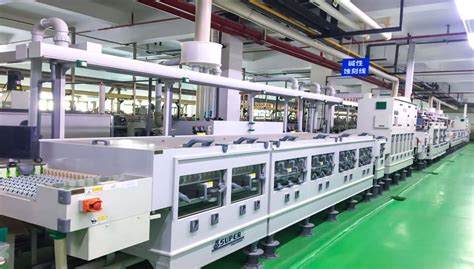
Modern PCB assembly processes have undergone transformative improvements through Surface Mount Technology (SMT), enabling manufacturers to achieve unprecedented production efficiency. By integrating PCBA workflows with automated placement systems, factories minimize manual intervention while maximizing throughput. Advanced pick-and-place machines, equipped with vision-guided robotics, ensure micron-level accuracy in component positioning, reducing rework rates and material waste. Real-time process monitoring further optimizes cycle times by identifying bottlenecks in solder paste application or reflow oven profiles.
To enhance scalability, manufacturers are adopting modular PCB assembly lines that adapt seamlessly to varying batch sizes. For instance, combining high-speed chip shooters with flexible conveyor systems allows rapid transitions between product designs without downtime. Additionally, lean manufacturing principles—such as Just-In-Time inventory management—streamline material flow, cutting lead times by up to 30%. These strategies not only lower per-unit costs but also ensure consistent quality across high-volume orders.
By leveraging data analytics in PCBA workflows, teams gain actionable insights into equipment performance and defect patterns. Predictive maintenance algorithms preemptively address machine wear, sustaining uptime levels above 95%. Such innovations position SMT as the backbone of agile electronics manufacturing, balancing speed, precision, and cost-effectiveness for competitive advantage.
Precision Enhancements in Circuit Assembly
Modern PCB assembly processes have achieved unprecedented precision levels through advancements in surface-mount technology (SMT). The shift from manual soldering to automated pick-and-place systems enables micron-level accuracy in component positioning, critical for high-density designs. Advanced automated optical inspection (AOI) and 3D solder paste inspection (SPI) systems now detect sub-50μm deviations, reducing defect rates by over 60% compared to traditional methods. In PCBA workflows, machine learning algorithms analyze historical production data to optimize solder paste application patterns, achieving 99.98% placement accuracy across 0201 metric components.
The implementation of vision-guided robotics ensures ±25μm repeatability in chip component alignment, even when handling 0.4mm pitch ICs. These precision enhancements directly contribute to improved first-pass yield rates, with leading manufacturers reporting 98.5% functional boards post-reflow. Furthermore, innovations in thermocompression bonding techniques allow reliable interconnections for 01005 package devices, maintaining electrical integrity under 150°C thermal cycling. By integrating real-time process monitoring with closed-loop control systems, PCB assembly lines can dynamically adjust parameters to compensate for material variations, ensuring consistent results across production batches.
Accelerating Electronics Production with SMT
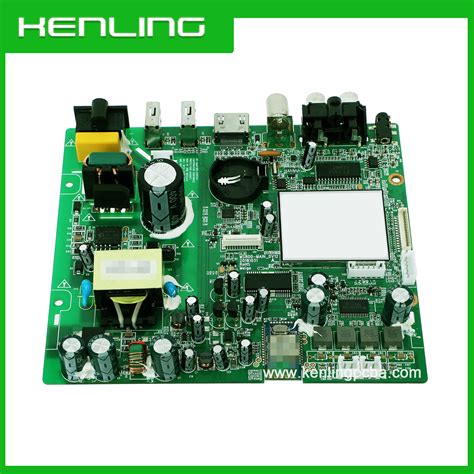
Modern PCB assembly processes have undergone a paradigm shift with the integration of surface-mount technology (SMT), enabling manufacturers to achieve unprecedented production speeds. Unlike traditional through-hole methods, SMT allows components to be mounted directly onto the board’s surface, eliminating time-consuming drilling and manual placement. Automated pick-and-place systems, combined with high-speed solder paste application, reduce cycle times by up to 70%, making PCBA workflows ideal for high-volume orders.
The precision of laser-aligned component placement ensures minimal rework, while advanced reflow soldering techniques create reliable electrical connections in seconds. This acceleration is further amplified by inline inspection systems, which identify defects in real time without halting production. For industries requiring rapid prototyping or mass customization, SMT-driven PCB assembly offers the flexibility to switch between designs seamlessly, supported by modular equipment configurations.
Moreover, the compact nature of SMT components enables higher circuit density, allowing smaller boards to perform complex functions. This not only reduces material costs but also shortens time-to-market for devices ranging from consumer electronics to industrial controllers. By leveraging data-driven process optimization, manufacturers can fine-tune PCBA lines to balance speed with quality, ensuring scalability even as demand fluctuates.
As a result, SMT has become the backbone of modern electronics manufacturing, transforming how industries meet the dual challenges of speed and precision in a competitive landscape.
Cost-Effective SMT Workflow Strategies
Implementing cost-effective SMT workflow strategies requires balancing precision, speed, and resource allocation. One critical approach involves optimizing PCB assembly line configurations to minimize material waste and energy consumption. For instance, adopting panelization techniques—where multiple boards are assembled on a single substrate—reduces handling time and material costs while maintaining throughput. Additionally, integrating PCBA-specific automation tools, such as pick-and-place systems with vision-guided alignment, ensures consistent component placement accuracy, lowering rework rates and scrap generation.
Another key element is leveraging data analytics to identify bottlenecks in real time. By monitoring metrics like solder paste deposition consistency or reflow oven temperature profiles, manufacturers can preemptively adjust parameters, avoiding costly downtime. Furthermore, adopting lean manufacturing principles—such as just-in-time inventory management—reduces storage overheads and ensures components arrive precisely when needed.
Transitioning to modular equipment designs also enhances flexibility, allowing rapid reconfiguration for different PCB assembly projects without significant capital investment. For example, interchangeable nozzles on placement machines enable swift adaptation to varying component sizes. By combining these strategies, manufacturers achieve scalable, cost-effective SMT workflows that align with evolving demands for high-mix, low-volume production in modern electronics manufacturing.
Scalable PCB Assembly Innovations
Modern PCB assembly processes achieve scalability through modular manufacturing architectures and intelligent process controls. By integrating adaptive placement algorithms with high-speed PCBA lines, manufacturers can dynamically adjust production volumes without compromising precision—critical for balancing prototype development with mass production demands. Advanced machine vision systems now enable real-time component verification, reducing defect rates by 40-60% in mixed-batch environments.
The adoption of cloud-connected SMT platforms further enhances scalability by synchronizing material logistics, machine calibration, and thermal profiling across global facilities. For instance, pick-and-place systems equipped with AI-driven feeders automatically optimize nozzle configurations, cutting changeover times by 35% when switching between PCB assembly designs. This agility supports just-in-time manufacturing models, particularly in automotive and IoT sectors where product variants multiply exponentially.
Moreover, hybrid reflow technologies in PCBA workflows allow simultaneous processing of conventional and temperature-sensitive components, eliminating separate soldering stages. Such innovations not only accelerate throughput but also reduce energy consumption per unit by 18-22%, aligning scalability with sustainability objectives. These advancements create a responsive manufacturing ecosystem where capacity expansion no longer requires proportional increases in capital expenditure or floor space.
Reliability Advancements in SMT Tech
Modern PCB assembly processes have achieved unprecedented reliability through innovations in SMT (Surface Mount Technology) workflows. Automated optical inspection (AOI) systems now detect micro-scale defects in PCBA (Printed Circuit Board Assembly) with 99.98% accuracy, reducing post-production failures by up to 40%. Enhanced solder paste formulations, such as low-voiding alloys, minimize thermal stress during reflow, ensuring stable connections even in high-vibration environments.
Advanced moisture-sensitive component handling protocols prevent delamination in humid conditions, while thermal profiling tools optimize reflow oven settings for diverse board geometries. These refinements extend the operational lifespan of SMT-based devices, particularly in automotive and aerospace applications where reliability is non-negotiable.
Integration of predictive maintenance algorithms into PCBA lines further mitigates downtime risks by identifying equipment wear patterns before critical failures occur. Combined with traceability systems that track components from placement to final testing, manufacturers achieve near-zero defect rates in high-volume production. Such advancements solidify SMT as the backbone of dependable electronics manufacturing, balancing speed with unwavering quality assurance.
Cutting-Edge SMT Production Techniques
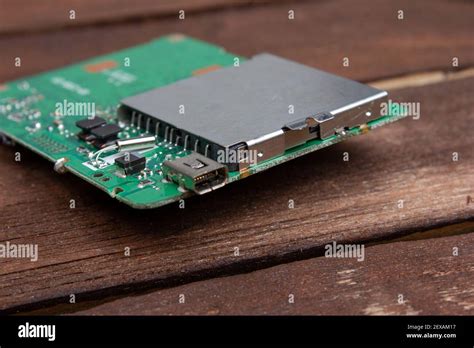
Modern PCB assembly processes leverage advanced SMT (Surface Mount Technology) innovations to address the growing demands for miniaturization and high-speed production. One breakthrough lies in automated optical inspection (AOI) systems, which utilize machine vision to detect micron-level defects in real time, reducing rework rates by up to 40%. Pairing this with 3D solder paste inspection (SPI) ensures precise deposition of solder paste, critical for reliable PCBA (Printed Circuit Board Assembly) outcomes.
Another transformative approach involves intelligent thermal profiling, where AI-driven algorithms optimize reflow oven settings to accommodate diverse component sizes and materials. This eliminates manual trial-and-error adjustments, slashing cycle times by 25% while maintaining solder joint integrity. For high-mix production, modular pick-and-place systems now integrate adaptive feeders and dynamic nozzle changers, enabling seamless transitions between component types without downtime.
Emerging techniques like laser-assisted component placement and conductive inkjet printing are pushing boundaries further. These methods enable direct printing of circuitry on flexible substrates, bypassing traditional etching steps and reducing material waste by 30%. Combined with IoT-enabled predictive maintenance for assembly lines, manufacturers achieve unprecedented uptime and yield rates. By integrating these advancements, SMT workflows not only meet today’s efficiency benchmarks but also scale effortlessly for next-generation electronics demands.
Optimizing Electronics Manufacturing via SMT
Modern PCB assembly processes leverage surface mount technology (SMT) to streamline production while maintaining stringent quality standards. By integrating PCBA workflows with advanced SMT equipment, manufacturers achieve faster placement of miniaturized components, reducing manual intervention and error rates. Automated pick-and-place systems, combined with precision reflow soldering, enable consistent alignment of high-density interconnects—critical for compact, high-performance devices.
A key advantage lies in SMT’s scalability, which supports rapid transitions between prototype batches and full-scale production. This flexibility minimizes downtime, allowing factories to adapt to fluctuating demand without compromising throughput. Additionally, optimized solder paste application techniques reduce material waste, lowering per-unit costs in PCB assembly lines.
To further enhance efficiency, manufacturers employ real-time monitoring systems during PCBA stages. These systems detect anomalies like component misalignment or soldering defects, enabling immediate corrections. Such proactive quality control not only accelerates cycle times but also extends product lifespans by ensuring reliable electrical connections.
By implementing lean manufacturing principles alongside SMT innovations, electronics producers achieve a balance between speed and precision. This synergy is particularly vital for industries requiring rapid iterations, such as IoT devices and automotive electronics, where SMT-driven workflows deliver both cost savings and competitive time-to-market advantages.
Conclusion
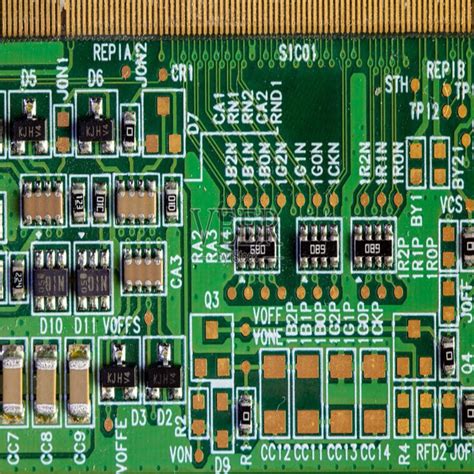
The integration of SMT printed circuit board technology has undeniably transformed modern PCB assembly workflows, enabling manufacturers to achieve unprecedented levels of precision and scalability. By leveraging advanced PCBA methodologies, such as automated pick-and-place systems and reflow soldering, production cycles are accelerated while minimizing material waste. These innovations not only enhance yield rates but also ensure consistent performance across high-volume batches, making SMT a cornerstone of cost-effective electronics manufacturing.
Furthermore, the evolution of PCB assembly techniques has addressed critical challenges in miniaturization, allowing for denser component placement without compromising reliability. Modern design-for-manufacturing (DFM) principles, paired with real-time quality monitoring, mitigate risks of defects, ensuring robust end products. As industries increasingly demand faster time-to-market and adaptable production lines, SMT-driven PCBA processes provide the agility needed to scale operations efficiently.
Ultimately, the strategic adoption of SMT printed circuit board advancements positions manufacturers to thrive in competitive markets, where balancing speed, accuracy, and cost remains paramount. By continuing to refine assembly protocols and embrace emerging technologies, the electronics sector can sustain its trajectory toward smarter, more sustainable manufacturing ecosystems.
Frequently Asked Questions
How does SMT improve precision in PCB assembly?
SMT (Surface Mount Technology) enables microscopic component placement via automated systems, reducing human error. By utilizing PCB assembly machines with vision-guided alignment, components as small as 01005 packages are mounted with sub-millimeter accuracy, ensuring consistent quality in high-density designs.
What makes SMT cost-effective for PCBA workflows?
SMT minimizes material waste and labor costs through high-speed pick-and-place systems and reflow soldering. Bulk processing of PCBA panels reduces per-unit expenses, while standardized processes cut downtime. Additionally, compact SMD components lower raw material usage compared to through-hole parts.
How does SMT enhance reliability in electronics manufacturing?
Solder joints in SMT PCBA are less prone to mechanical fatigue due to reduced lead lengths. Advanced reflow profiles and inspection tools like AOI (Automated Optical Inspection) ensure optimal solder connections, improving resistance to thermal stress and vibration in end-use environments.
Can SMT support scalable production for large orders?
Yes. Modular PCB assembly lines allow rapid reconfiguration for different product batches. Dual-lane conveyors and parallel processing enable manufacturers to scale from prototypes to millions of units without sacrificing speed or quality, making PCBA ideal for industries like IoT and automotive.
What innovations are shaping modern SMT workflows?
Developments like 3D solder paste inspection (SPI) and AI-driven defect detection optimize yield rates. Hybrid SMT-thru-hole systems and low-temperature soldering alloys further expand compatibility with heat-sensitive components, ensuring PCBA adaptability to emerging tech demands.
Ready to Elevate Your SMT Production Efficiency?
For tailored PCB assembly solutions that align with cutting-edge SMT advancements, please click here to explore our expertise in high-performance PCBA manufacturing.