Strategic Acquisition Guide: PCB Manufacturing Facilities for Purchase
Key Takeaways
When evaluating PCB manufacturing facilities for acquisition, start by analyzing core value drivers like production capacity, equipment age, and client diversification. Top-tier PCB manufacturing companies maintain <25% dependency on any single customer while operating at >85% equipment utilization rates.
"The true cost of acquisition extends beyond purchase price—factor in retooling expenses and workforce retention costs that typically add 18-22% to baseline PCB manufacturing cost projections."
Critical valuation metrics include:
| Factor | Optimal Range | Impact on ROI |
|---|---|---|
| Facility Age | <8 years | 15-20% lower upgrade costs |
| Vertical Integration | 3+ production stages | 30% better margin potential |
| Tech Adoption | Industry 4.0-ready | 40% faster scalability |
Prioritize facilities with modular cleanrooms and automated quality control systems—these reduce PCB manufacturing business transition timelines by 6-9 months. Verify environmental compliance certificates; non-conforming sites incur $350k+ in remediation costs on average.
For ROI optimization, cross-reference current order lead times against the target facility’s throughput. Facilities processing >500 panels/hour typically achieve breakeven 14 months faster than smaller operations. Always validate claims through third-party audits—30% of sellers overstate capacity by 15% or more.
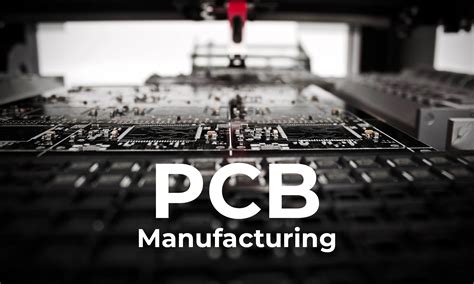
PCB Facility Valuation Key Metrics
When evaluating a PCB manufacturing facility, you’ll need to focus on metrics that reflect both current performance and long-term viability. Start by analyzing equipment value—assess the age, maintenance history, and technological relevance of machinery, as outdated tools can inflate PCB manufacturing cost during upgrades. Next, scrutinize intellectual property (IP) portfolios, including proprietary processes or patents, which often differentiate top-tier PCB manufacturing companies in competitive markets.
Revenue stability is another critical factor. Examine order backlogs, client diversification, and recurring contracts to gauge cash flow predictability. For example, facilities serving aerospace or medical sectors may command higher valuations due to stringent quality certifications. Don’t overlook environmental compliance costs—regulatory fines or retrofitting expenses can erode profitability if not factored into the purchase price.
A common pitfall is undervaluing scalability. Facilities with modular layouts or automated systems enable easier expansion, directly impacting PCB manufacturing business growth potential. Tools like industry benchmarks can help compare asset performance against regional averages. Finally, consider market demand shifts—a facility specializing in high-density interconnect (HDI) PCBs might align better with emerging tech trends than one focused on legacy products. By balancing these metrics, you’ll build a holistic view of value while avoiding overpayment for hidden liabilities.
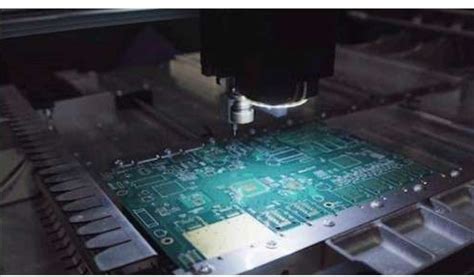
Scalability in PCB Production Analysis
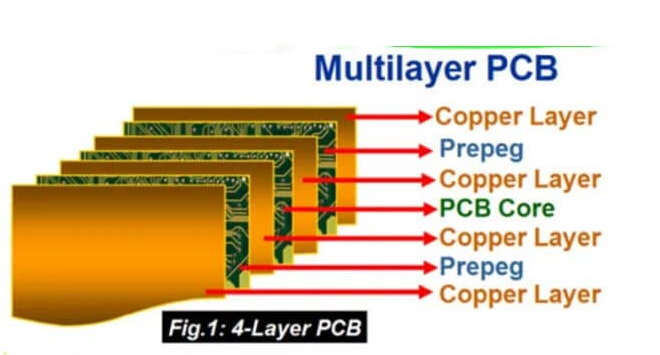
When evaluating PCB manufacturing facilities for acquisition, assessing scalability is critical to ensure long-term viability. Start by examining the facility’s current production capacity against projected demand—can existing machinery handle higher volumes without compromising quality? PCB manufacturing companies often face challenges in balancing throughput with precision, particularly for multi-layer or high-density interconnect (HDI) boards. Look for modular equipment designs that allow incremental upgrades, reducing PCB manufacturing cost spikes during expansion.
Consider whether the plant’s layout supports workflow optimization. For instance, automated material handling systems or flexible assembly lines can adapt to shifting product mixes, a key advantage in dynamic markets. Analyze energy consumption patterns and waste management protocols; inefficiencies here may erode margins as production scales.
Finally, review supplier contracts and raw material inventory strategies. Scalable PCB manufacturing business models often negotiate volume-based pricing with component suppliers while maintaining buffer stocks to avoid bottlenecks. By prioritizing adaptability in both technology and operations, you position the facility to capitalize on emerging opportunities without overextending resources.
PCB Acquisition Market Trend Insights
Navigating the evolving landscape of PCB manufacturing acquisitions requires a sharp understanding of current market dynamics. Over the past three years, demand for specialized electronics production has driven a surge in mergers and acquisitions, particularly among mid-sized PCB manufacturing companies seeking to expand capacity or enter niche markets. A key trend is the shift toward facilities with advanced automation, as buyers prioritize scalability to offset rising PCB manufacturing costs while meeting tighter turnaround expectations.
Geographically, Southeast Asia and Eastern Europe have emerged as hotspots for acquisitions, driven by lower labor costs and proximity to growing consumer electronics markets. However, due diligence must account for regional regulatory shifts, such as environmental compliance standards impacting PCB manufacturing business operations. Notably, buyers are increasingly targeting facilities with established renewable energy infrastructure, aligning with global sustainability mandates that could affect long-term ROI.
Another critical factor is the rise of hybrid production models. Acquiring plants capable of supporting both high-volume and low-mix prototyping allows buyers to diversify revenue streams—a strategic advantage as demand for customized PCB solutions grows. By aligning acquisition targets with these trends, you position your investment to capitalize on emerging technologies like IoT and 5G infrastructure, which rely heavily on agile PCB manufacturing ecosystems.
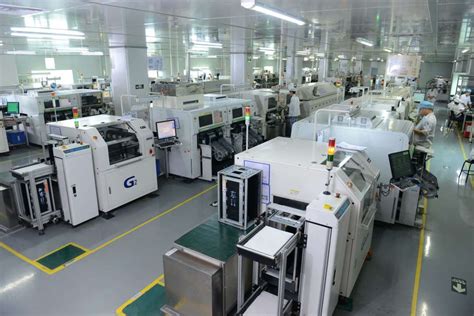
ROI Optimization for Manufacturing Transitions
When acquiring PCB manufacturing facilities, maximizing return on investment requires a systematic approach to evaluating both immediate costs and long-term operational synergies. Start by auditing the target facility’s existing infrastructure—older machinery or inefficient workflows in PCB manufacturing companies often inflate maintenance overhead and delay production cycles. For example, outdated etching systems might increase PCB manufacturing cost due to higher material waste, while underutilized automation could limit throughput scalability.
To optimize ROI, prioritize facilities with modular production lines that allow flexible reconfiguration for evolving product demands. A plant designed for high-mix, low-volume orders may struggle to adapt if your strategy leans toward mass production, creating hidden costs during transitions. Additionally, analyze the target’s energy efficiency metrics and supplier contracts—renegotiating terms post-acquisition can reduce PCB manufacturing business expenses by 12–18% annually.
Consider technology integration timelines when planning the transition. Retrofitting legacy systems with IoT-enabled monitoring tools or advanced quality control software improves yield rates but requires upfront capital. Balance these investments against projected revenue gains from faster time-to-market or higher client retention. Finally, validate the facility’s scalability by stress-testing its capacity under peak demand scenarios—this ensures alignment with your growth roadmap without compromising ROI thresholds.
Due Diligence Checklist for PCB Buyers
When evaluating PCB manufacturing facilities for acquisition, a systematic due diligence process ensures you avoid costly oversights. Start by verifying technical capabilities—inspect machinery age, production capacity, and certifications like ISO 9001 or UL listing. Cross-reference equipment maintenance logs with output consistency to gauge operational reliability.
Next, analyze PCB manufacturing cost structures. Scrutinize raw material procurement contracts, energy consumption patterns, and labor efficiency metrics. Compare these against industry benchmarks to identify inefficiencies or hidden expenses that could impact profitability post-purchase. For PCB manufacturing companies with global supply chains, assess tariff exposures and logistics dependencies that might affect scalability.
Review the facility’s client portfolio and order backlog. A diversified customer base reduces reliance on single revenue streams, while long-term contracts signal stability. Simultaneously, audit intellectual property holdings—patents, proprietary designs, or specialized processes—that add competitive value to the PCB manufacturing business.
Don’t overlook compliance and environmental liabilities. Confirm adherence to RoHS and REACH regulations, and evaluate waste management systems to avoid unforeseen remediation costs. Finally, validate workforce competencies through retention rates and training programs, as skilled technicians are critical for seamless transitions.
By methodically addressing these areas, you’ll build a clear picture of risks and opportunities, ensuring informed decision-making in a complex acquisition landscape.
Post-Purchase Technology Integration Strategies
After acquiring a PCB manufacturing facility, integrating advanced technologies into existing workflows becomes critical to maximizing operational efficiency. Start by auditing the facility’s current infrastructure—assess compatibility between legacy systems and modern tools like automated optical inspection (AOI) or industry 4.0-enabled machinery. Upgrading software for design-to-production alignment (e.g., CAD/CAM systems) can reduce PCB manufacturing cost while improving precision.
When merging technologies, prioritize scalability. For instance, cloud-based production monitoring systems allow PCB manufacturing companies to track real-time data across multiple sites, ensuring seamless transitions during capacity expansions. However, avoid over-investing in niche solutions; instead, focus on modular platforms that adapt to evolving market demands.
Collaborate with equipment vendors and IT specialists to address interoperability gaps. Retraining staff on new systems is equally vital—cross-functional training programs mitigate downtime risks and foster workforce adaptability. Finally, benchmark integration progress against industry standards to ensure your PCB manufacturing business remains competitive. By balancing innovation with practicality, you’ll transform acquired assets into agile, future-ready production hubs.
Future-Proofing Electronics Manufacturing Assets
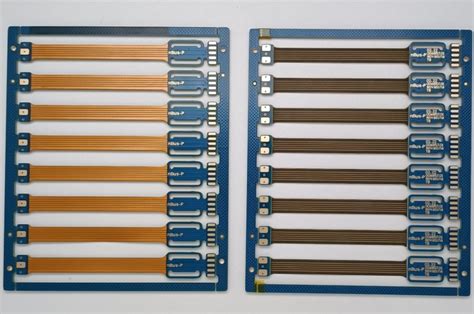
When evaluating PCB manufacturing facilities for acquisition, ensuring long-term viability requires aligning your investment with emerging industry demands. Start by assessing the facility’s compatibility with advanced technologies like high-density interconnect (HDI) or flexible circuit production—capabilities critical for meeting IoT and 5G market needs. Scrutinize the PCB manufacturing cost structure to identify whether existing equipment supports energy-efficient processes or requires upgrades to comply with sustainability regulations, which increasingly influence buyer preferences.
A key strategy involves analyzing the scalability of current workflows. For instance, facilities with modular setups can adapt faster to fluctuating order volumes, reducing downtime during market shifts. Partnering with established PCB manufacturing companies for joint R&D initiatives can also future-proof your assets, providing access to cutting-edge materials and automation trends without overextending capital.
Additionally, prioritize facilities with robust digital integration, such as real-time production monitoring or AI-driven quality control systems. These tools not only enhance operational transparency but also minimize waste—a critical factor in optimizing PCB manufacturing business margins. By focusing on adaptable infrastructure and forward-looking partnerships, you position acquired assets to thrive amid evolving consumer electronics and industrial automation demands.
Operational Efficiency in Facility Transitions
When integrating a newly acquired PCB manufacturing facility, prioritizing operational efficiency ensures minimal disruption to production timelines and cost structures. Start by conducting a granular audit of existing workflows, identifying bottlenecks in material procurement, equipment calibration, or quality control processes. Many PCB manufacturing companies overlook the criticality of cross-training staff during transitions, which can lead to skill gaps when adopting advanced machinery or updated protocols.
To mitigate PCB manufacturing cost escalations, implement lean manufacturing principles—such as just-in-time inventory systems—while retaining buffer stocks for high-demand components. Automation plays a pivotal role: deploying AI-driven defect detection systems or IoT-enabled maintenance alerts can reduce downtime by 15–20%. However, align upgrades with the PCB manufacturing business’s long-term scalability goals; over-investing in niche technologies might strain ROI if market demand shifts.
Finally, establish clear KPIs for energy consumption, waste reduction, and throughput rates. Real-time data dashboards enable swift adjustments, ensuring the transition enhances—rather than hinders—your competitive edge in electronics production.
Conclusion
When evaluating PCB manufacturing facilities for acquisition, the ultimate decision hinges on aligning strategic priorities with market realities. Whether you’re integrating a new facility into an existing portfolio or entering the PCB manufacturing business as a first-time buyer, balancing PCB manufacturing cost efficiencies with scalable production capabilities remains critical. Leading PCB manufacturing companies succeed by prioritizing operational adaptability—ensuring facilities can pivot with evolving technologies or shifts in consumer demand.
A thorough assessment of ROI drivers, from equipment lifecycle costs to workforce retraining, ensures a smoother transition while safeguarding long-term profitability. Remember, the value of a facility isn’t just in its current output but in its potential to leverage emerging trends like high-density interconnect (HDI) boards or sustainable production practices. By combining rigorous due diligence with a forward-looking mindset, you position your investment to thrive in a competitive, innovation-driven industry. The key lies in treating acquisition not as an endpoint but as a strategic step toward building resilient, future-ready manufacturing ecosystems.
FAQs
What factors influence PCB manufacturing cost when acquiring a facility?
The primary drivers include equipment age, production capacity, and supply chain dependencies. Older machinery may lower upfront costs but raise long-term maintenance expenses, while newer PCB manufacturing technologies often justify higher valuations through efficiency gains.
How do you evaluate PCB manufacturing companies for scalability?
Assess their current client portfolio, customization capabilities, and compatibility with automation systems. Facilities with modular layouts and partnerships with tier-1 suppliers typically adapt faster to market shifts, ensuring your PCB manufacturing business can scale without major reinvestment.
What hidden risks affect ROI in PCB manufacturing transitions?
Undervalued liabilities like environmental compliance gaps or outdated software licenses can erode profitability. Always audit waste management systems and IT infrastructure during due diligence to align PCB manufacturing cost projections with real-world operational needs.
Can existing staff streamline a facility takeover?
Retaining skilled technicians familiar with specialized processes reduces downtime. However, cross-train teams early on lean manufacturing principles to unify workflows between legacy and new systems in your PCB manufacturing operations.
Ready to Explore Customized Solutions?
For tailored guidance on optimizing your acquisition strategy, please click here to connect with our PCB manufacturing experts.