Streamlined Flex PCB Prototyping Solutions for Rapid Production
Key Takeaways
When exploring PCB manufacturing options for flexible circuits, you’ll find that modern PCB manufacturing companies prioritize speed without compromising quality. Rapid 24-hour prototyping enables you to validate designs quickly, while scalable low-to-high volume solutions ensure seamless transitions from concept to mass production. Understanding PCB manufacturing cost factors—such as material selection and layer complexity—helps you optimize budgets without sacrificing performance.
"Always request secure quotes early in the design phase to avoid unexpected expenses and align timelines with project goals."
For businesses managing a PCB manufacturing business, partnering with USA-based facilities guarantees adherence to strict quality standards and reduces logistical delays. Advanced rigid-flex PCB manufacturing capabilities ensure precise alignment of flexible and rigid sections, critical for applications like wearables or aerospace systems. By leveraging streamlined production workflows, you can accelerate development cycles while maintaining competitive pricing—a balance that’s essential in fast-paced industries.
To further enhance efficiency, consider integrating automated design checks during prototyping. This reduces revision cycles and ensures compatibility with manufacturing tolerances. Whether you’re iterating a prototype or scaling production, prioritizing precision engineering and transparent communication with your manufacturer remains key to achieving reliable, high-performance flex circuits.
Flex PCB Prototyping Hours
When optimizing PCB manufacturing timelines, understanding prototyping hours becomes critical for balancing speed and quality. Leading PCB manufacturing companies now offer 24-hour build cycles for flex circuits, enabling you to validate designs faster while maintaining precision. These rapid services are ideal for projects where PCB manufacturing cost must align with tight development schedules, especially in industries like medical devices or aerospace.
Key factors influencing turnaround times include:
| Factor | Impact on Prototyping Hours |
|---|---|
| Layer Count | +12–24 hours per layer |
| Material Complexity | +8–16 hours for exotic films |
| Testing Requirements | +6–12 hours for IPC-6013 |
By partnering with a PCB manufacturing business specializing in rigid-flex solutions, you gain access to dynamic scheduling tools that prioritize urgent orders without compromising reliability. For instance, 2-layer flex prototypes often ship within 24 hours, while 8-layer designs may require 48–72 hours. Advanced firms mitigate PCB manufacturing cost spikes through automated panelization and in-house material sourcing, ensuring predictable pricing even for expedited builds.
To avoid delays, confirm design files meet DFM guidelines before submitting quotes. Many providers offer real-time feedback loops, trimming hours otherwise lost to revisions. Whether testing a wearable concept or scaling production, aligning your timeline with optimized PCB manufacturing workflows keeps your project on the critical path.
Low-to-High Volume Flex PCB Solutions
When scaling from prototyping to full-scale production, PCB manufacturing companies must balance flexibility with cost efficiency. Whether you’re iterating on a small batch of flex circuits or preparing for high-volume runs, solutions that adapt to your project’s scope ensure seamless transitions. For low-volume PCB manufacturing, specialized tooling and rapid setup minimize upfront investments, while material optimization keeps PCB manufacturing cost manageable. As demand grows, modular production lines enable faster scaling without compromising precision—critical for applications like wearable tech or aerospace systems.
Leveraging partnerships with experienced PCB manufacturing business providers allows you to maintain quality across all volumes. Advanced facilities employ automated workflows to handle complex rigid-flex designs at scale, ensuring consistency even in runs exceeding 10,000 units. By aligning order quantities with actual needs, you avoid overproduction and reduce waste—a key advantage in industries where component updates occur frequently. This approach eliminates bottlenecks, whether you’re testing a niche medical device or ramping up consumer electronics assembly.
For projects requiring mid-volume batches, hybrid strategies blend the agility of prototyping with the economies of high-volume PCB manufacturing. Real-time inventory tracking and dynamic scheduling let you adjust timelines without sacrificing cost per unit. By prioritizing scalability from the start, you future-proof your supply chain while meeting tight delivery windows.
Secure Quotes for Rapid Prototyping
When evaluating PCB manufacturing companies for flexible circuit prototypes, securing transparent and reliable quotes is critical to managing your project timeline and budget. Modern providers leverage automated platforms to deliver instant, encrypted estimates that reflect real-time material availability and machine capacity. This eliminates guesswork around PCB manufacturing cost while ensuring compliance with IP protection standards—a must for sensitive designs.
Leading firms optimize PCB manufacturing workflows by integrating AI-driven cost calculators, which factor in layer counts, substrate types, and impedance requirements. You’ll receive itemized breakdowns that clarify where investments align with performance needs, whether you’re ordering five units or 5,000. For startups navigating the PCB manufacturing business, such precision prevents budget overruns during iterative testing phases.
Transitioning from quote to production is seamless with digital portals that track order status and adjust timelines dynamically. By locking in costs early, you gain flexibility to scale orders without renegotiating terms—a strategic advantage when accelerating product launches. Trustworthy vendors also offer NDA-backed consultations to refine specifications before committing, ensuring every dollar spent aligns with your technical objectives.
USA-Based Rigid-Flex PCB Manufacturing
When sourcing PCB manufacturing solutions for rigid-flex designs, partnering with domestic providers offers distinct advantages. PCB manufacturing companies based in the U.S. leverage proximity to streamline communication, reduce shipping delays, and ensure compliance with industry-specific regulations like ITAR or MIL-PRF standards. This localized approach enables faster design iterations, particularly critical for prototyping phases where rapid feedback loops accelerate time-to-market.
A key consideration in PCB manufacturing cost is balancing material selection with performance requirements. Domestic facilities often employ advanced techniques like laser drilling and automated optical inspection (AOI) to maintain precision in rigid-flex stackups, minimizing errors that could escalate expenses. For businesses scaling from prototypes to production, U.S.-based partners provide seamless transitions between low- and high-volume orders without compromising on layer alignment or impedance control.
Choosing a PCB manufacturing business with domestic operations also mitigates risks associated with overseas supply chains, such as tariff fluctuations or intellectual property concerns. By integrating design-for-manufacturability (DFM) analysis early in the process, these providers optimize designs for cost-efficiency while meeting stringent quality benchmarks. Whether developing medical devices or aerospace systems, proximity to engineering teams ensures real-time collaboration to resolve complex rigid-flex challenges efficiently.
Streamlined Production for Flex Circuits
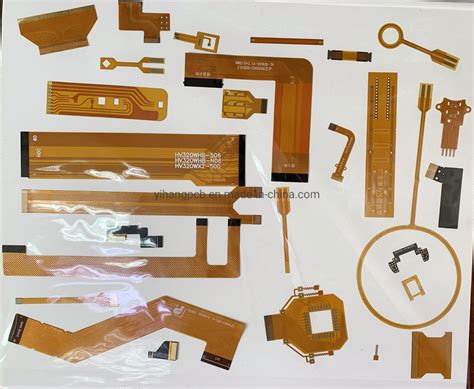
When optimizing PCB manufacturing processes for flexible circuits, efficiency hinges on integrated workflows that eliminate unnecessary steps. Modern PCB manufacturing companies leverage automated routing systems and laser direct imaging (LDI) to reduce lead times while maintaining precision. By adopting agile production methodologies, you can ensure design iterations are swiftly incorporated without compromising quality—critical for balancing PCB manufacturing cost and performance in prototyping phases.
Advanced material handling systems further streamline operations, minimizing manual interventions that often introduce errors. For instance, roll-to-roll processing accelerates large-scale fabrication, making it ideal for transitioning from prototypes to high-volume orders. This scalability is particularly valuable in the PCB manufacturing business, where rigid-flex designs demand seamless coordination between flexible and rigid layer integration.
To maintain competitiveness, prioritize partners offering real-time project tracking and automated quote generation. These tools not only enhance transparency but also align with lean manufacturing principles, reducing waste across the production cycle. By aligning your design requirements with a manufacturer’s technical capabilities, you can achieve faster turnarounds while controlling costs—key factors when navigating the complexities of flex PCB prototyping at any scale.

Competitive Pricing for PCB Prototypes
When developing flex PCB prototypes, balancing cost efficiency with quality is critical. Leading PCB manufacturing companies leverage advanced processes to optimize material usage and minimize waste, directly reducing PCB manufacturing cost for both low- and high-volume orders. By automating design validation and employing bulk purchasing strategies, these providers pass savings to you without compromising precision.
For startups and enterprises alike, transparent pricing models ensure predictability. Many manufacturers offer tiered quotes based on design complexity and order volume, allowing you to scale production as needed. This flexibility is particularly valuable in the PCB manufacturing business, where rapid iterations demand budget-friendly solutions.
To further control expenses, consider partnering with firms that provide real-time cost calculators or instant quote tools. These features eliminate guesswork, letting you adjust parameters like layer count or substrate type to align with project budgets. Additionally, localized PCB manufacturing in the U.S. reduces logistics overhead, ensuring competitive rates even for rigid-flex designs.
By prioritizing value-driven partnerships, you gain access to cutting-edge prototyping at costs that support agile development cycles—key for staying ahead in fast-paced industries.
Precision Engineering for Flex PCBs
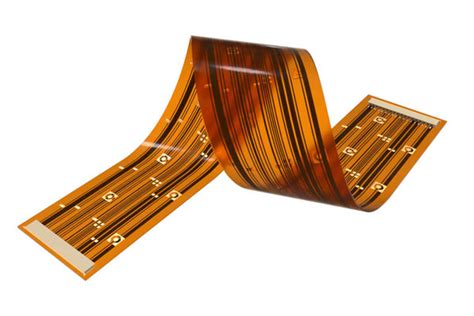
Achieving reliable flex PCB manufacturing requires meticulous attention to material selection, tolerance control, and signal integrity. Modern PCB manufacturing companies leverage advanced laser drilling and automated optical inspection (AOI) to ensure micron-level accuracy in trace widths and spacing—critical for high-frequency or miniaturized designs. When evaluating PCB manufacturing cost, consider how precision engineering minimizes waste and rework, directly impacting your project’s budget and timeline.
For rigid-flex solutions, hybrid stack-ups demand seamless integration of rigid and flexible layers. This involves specialized lamination techniques and dynamic bend testing to validate durability under repeated flexing. Partnering with a PCB manufacturing business that prioritizes precision ensures your prototypes meet exact specifications, whether you’re developing wearable tech or aerospace systems. Advanced CAD tools and impedance-matching algorithms further refine signal paths, reducing electromagnetic interference (EMI) risks.
By balancing technical rigor with scalable processes, precision engineering bridges the gap between prototype validation and full-scale production. This approach not only accelerates iteration cycles but also strengthens the foundation for transitioning from low-volume batches to high-volume orders without compromising quality.
Accelerate Development with Fast Turnarounds
When time-to-market is critical, partnering with PCB manufacturing companies that offer 24-hour prototyping ensures your flex circuit designs move from concept to reality without delays. Fast turnarounds eliminate bottlenecks in product development cycles, allowing you to test iterations, validate performance, and refine designs rapidly. This agility is particularly valuable in industries like medical devices or aerospace, where PCB manufacturing timelines directly impact project milestones.
By streamlining processes such as material sourcing and automated assembly, leading providers minimize PCB manufacturing cost while maintaining precision. Whether you need a single prototype or scaled production, flexible order volumes let you align expenses with project phases. Advanced PCB manufacturing business models also integrate real-time tracking, so you stay informed at every stage—from initial quoting to final delivery.
The combination of speed and reliability ensures your team can focus on innovation rather than logistics. With iterative design cycles compressed to days instead of weeks, you gain a competitive edge in bringing cutting-edge flex PCB solutions to market faster.
Conclusion
When navigating PCB manufacturing for flexible circuits, selecting the right partner directly impacts your project’s success. Streamlined processes and rapid prototyping enable you to iterate designs faster, reducing time-to-market while maintaining quality. By partnering with PCB manufacturing companies that specialize in flex and rigid-flex solutions, you gain access to precision engineering tailored to complex requirements.
Balancing PCB manufacturing cost with performance demands requires a provider offering scalable solutions—from low-volume prototypes to high-volume production runs. This flexibility ensures you avoid overcommitting resources early in development. For businesses managing a PCB manufacturing business, leveraging domestic expertise (like USA-based facilities) minimizes logistical risks and enhances IP security.
Ultimately, the right approach to PCB manufacturing integrates speed, scalability, and technical excellence. Prioritizing these factors ensures your flex PCB projects stay on track, whether refining prototypes or transitioning to full-scale production. By aligning with partners who emphasize transparent quoting and accelerated timelines, you position your innovations for success in competitive markets.
FAQs
How does flex PCB prototyping differ from standard PCB manufacturing?
While traditional PCB manufacturing focuses on rigid boards, flex PCB prototyping requires specialized materials and processes to handle flexible substrates. Low-to-high volume production runs often involve different tooling setups, impacting both timelines and PCB manufacturing cost.
What factors influence pricing when working with PCB manufacturing companies?
Key determinants include material selection, layer count, and turnaround time. Most PCB manufacturing companies adjust quotes based on design complexity—features like tight tolerances or impedance control may increase costs. Always request secure quotes to compare options accurately.
Can I transition from prototyping to full-scale PCB manufacturing business operations smoothly?
Yes—reputable providers offer scalable solutions, ensuring consistent quality from prototypes to mass production. Discuss volume thresholds early to optimize PCB manufacturing cost and avoid tooling changes during scaling.
Why choose USA-based services for rigid-flex PCB projects?
Domestic PCB manufacturing reduces logistical delays and ensures compliance with industry standards like IPC-6013. This is critical for mission-critical applications where material traceability and rapid iterations matter.
Ready to Optimize Your Flex PCB Production?
For tailored solutions balancing speed, quality, and PCB manufacturing cost, please click here to explore services designed for low-to-high volume needs.