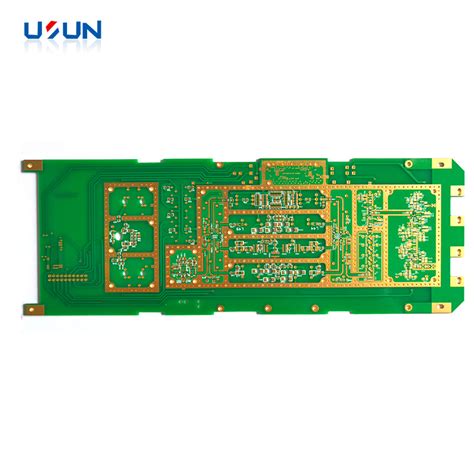
Streamlined PCB Circuit Manufacturing for Rapid Prototyping
Key Takeaways
When exploring PCB manufacturing for rapid prototyping, understanding core advantages helps streamline decisions. Leading PCB manufacturing companies now offer 24-hour turnaround on prototypes, enabling faster iterations without compromising quality. This acceleration is critical for businesses aiming to reduce time-to-market while maintaining precision-engineered standards.
"Optimizing design files for manufacturability upfront can reduce PCB manufacturing cost by up to 20%—partner early with your supplier to avoid revisions."
A key differentiator among providers is their ability to balance speed and affordability. For example:
| Service Tier | Build Time | Cost (5pcs) | Ideal Use Case |
|---|---|---|---|
| Standard | 72 hours | $1.50 | Low-complexity prototypes |
| Expedited | 24 hours | $2.00 | Urgent revisions |
| Enterprise | 48 hours | $3.50 | High-density designs |
The PCB manufacturing business thrives on repeatable workflows—automated quality checks and material traceability ensure consistency across batches. You’ll find that advanced assembly processes, like laser drilling and impedance control, directly impact reliability in end-use environments.
To minimize PCB manufacturing cost, prioritize suppliers offering volume discounts or panel-sharing options. Most importantly, verify certifications (e.g., ISO 9001, UL) to align with industry compliance needs. By aligning with experts who specialize in scalable solutions, you position your projects for seamless scaling from prototype to full production.
Rapid PCB Prototyping Solutions Unveiled
When developing electronics, you need PCB manufacturing partners who prioritize speed without compromising quality. Modern PCB manufacturing companies leverage automated design validation and advanced fabrication techniques to slash turnaround times. For instance, 24-hour build times enable you to test prototypes within a single business cycle, dramatically accelerating iteration. This agility is critical when refining designs for high-frequency or IoT applications, where even minor adjustments impact performance.
Balancing PCB manufacturing cost with precision remains a key challenge. Leading providers optimize material usage and panelization strategies to reduce waste, offering rates as low as $2 per 5-piece batch for standard designs. However, complex layouts—such as those requiring HDI or flexible substrates—may incur higher expenses. Partnering with experts ensures transparent pricing models tailored to your project’s scope.
For startups scaling a PCB manufacturing business, streamlined workflows are non-negotiable. Automated quoting systems and real-time production tracking eliminate bottlenecks, letting you focus on R&D. Whether you’re prototyping a wearable device or industrial sensors, aligning with specialists who offer end-to-end assembly integration bridges the gap between concept and mass production seamlessly.
Accelerating PCB Production Timelines Globally
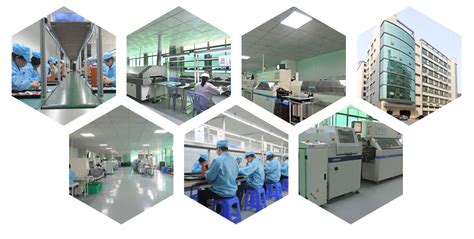
When scaling PCB manufacturing operations, time efficiency becomes a critical differentiator. Leading PCB manufacturing companies now leverage advanced automation and digitized workflows to slash lead times while maintaining rigorous quality standards. By integrating AI-driven design validation and real-time supply chain monitoring, you can reduce prototyping cycles by up to 70%, even for complex multilayer boards.
A key driver in accelerating timelines lies in optimizing PCB manufacturing cost structures. Modular production systems allow manufacturers to pivot between projects seamlessly, minimizing downtime. For instance, just-in-time inventory management ensures materials arrive precisely when needed, eliminating delays from logistical bottlenecks. This approach not only accelerates delivery but also stabilizes pricing, making high-speed prototyping accessible for startups and enterprises alike.
Global collaboration tools further compress schedules. Distributed engineering teams can co-design and troubleshoot in virtual environments, synchronizing updates across time zones. Meanwhile, certified PCB manufacturing business partners employ standardized protocols—such as IPC Class 3 compliance—to guarantee consistency, whether producing 10 prototypes or 10,000 units.
Ultimately, the race to shorten production windows hinges on strategic partnerships. By aligning with manufacturers offering transparent communication and scalable infrastructure, you ensure your innovations reach markets faster, without compromising precision or reliability.

Cost-Effective PCB Circuit Manufacturing Explained
Understanding how to balance quality and affordability in PCB manufacturing starts with analyzing key cost drivers. Material selection, production volume, and design complexity directly influence PCB manufacturing cost, but partnering with experienced PCB manufacturing companies ensures optimized workflows that eliminate unnecessary expenses. For example, automated panelization reduces material waste, while bulk ordering of substrates lowers per-unit pricing.
Many businesses overlook the role of design-for-manufacturing (DFM) checks in controlling PCB manufacturing business overheads. By refining layouts to minimize drill cycles or layer counts, you can cut fabrication time and costs by up to 30%. Leading providers also offer tiered pricing models, where scaling from prototypes to high-volume batches slashes per-board rates—ideal for startups balancing R&D budgets.
Additionally, global supply chain networks enable manufacturers to source components at competitive rates, further reducing total project costs. Whether you need 5 or 5,000 boards, aligning with a PCB manufacturing partner that prioritizes standardized processes ensures repeatable quality without inflating budgets. This strategic approach lets you allocate resources to innovation rather than overhead, keeping your product roadmap agile and cost-efficient.
24-Hour PCB Build Times for Seamless Scaling
When scaling your electronics projects, time-sensitive production cycles can make or break market readiness. Leading PCB manufacturing companies now offer 24-hour build times, enabling you to transition from design validation to full-scale production without bottlenecks. By leveraging automated workflows and advanced fabrication technologies, these providers minimize manual interventions, ensuring consistent quality even under tight deadlines.
For startups and enterprises alike, PCB manufacturing cost optimization remains critical. Rapid-turn services often integrate volume-based pricing models, where per-unit expenses drop significantly as order quantities increase—ideal for balancing prototyping agility with bulk production demands. This approach ensures your PCB manufacturing business stays competitive, whether you’re testing a new concept or ramping up for a product launch.
The ability to receive fully assembled boards within a day also simplifies supply chain coordination. You can iterate designs faster, respond to market feedback in real time, and reduce inventory overhead by adopting just-in-time manufacturing principles. Precision-driven processes further mitigate risks of delays from rework, aligning with the reliability global brands expect from top-tier PCB manufacturing partners.
By prioritizing speed without compromising on performance, you maintain momentum across development phases, turning time-bound challenges into scalable opportunities.
Global Enterprises Trust PCB Manufacturing Experts
When you require PCB manufacturing solutions that align with stringent global standards, partnering with established PCB manufacturing companies ensures reliability at every stage. These experts leverage cutting-edge technologies to optimize PCB manufacturing cost without compromising quality, enabling enterprises to allocate resources strategically. By integrating automated workflows and rigorous testing protocols, they deliver precision-engineered boards that meet exact specifications, whether for aerospace, medical devices, or consumer electronics.
For businesses scaling operations, the PCB manufacturing business model prioritizes agility. Leading providers offer 24-hour build times and flexible order volumes, eliminating bottlenecks during rapid prototyping or mass production. This adaptability is critical when transitioning from concept validation to full-scale deployment, especially in industries where time-to-market dictates competitive advantage.
Global enterprises also value transparent pricing structures and end-to-end traceability, which minimize risks associated with supply chain disruptions. By collaborating with certified PCB manufacturing partners, you gain access to compliance-ready solutions that adhere to international regulations—ensuring your products meet safety and performance benchmarks across markets. This trust stems from decades of refining processes to balance cost-efficiency with technical excellence, making these experts indispensable allies in today’s fast-paced electronics landscape.
Precision-Engineered PCB Assembly Processes
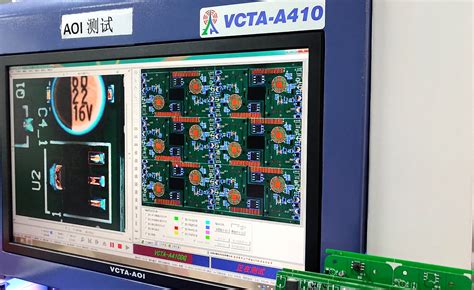
At the core of reliable PCB manufacturing lies a meticulous assembly workflow designed to eliminate variability. Leading PCB manufacturing companies leverage automated optical inspection (AOI) systems and precision surface-mount technology (SMT) to ensure micron-level accuracy in component placement. This reduces rework rates by up to 95%, directly lowering PCB manufacturing cost while maintaining compliance with ISO 9001 and IPC-A-610 standards.
By integrating advanced solder paste dispensers and AI-driven defect detection, these processes minimize human error, enabling consistent quality even at high volumes. For your PCB manufacturing business, this translates to faster time-to-market—critical when scaling prototypes to full production. Real-time data analytics further refine material usage, ensuring cost-efficiency without compromising on signal integrity or thermal performance.
Transitioning seamlessly from design files to finished boards, precision assembly workflows align with global enterprises’ demands for repeatability. Whether you prioritize ultra-low latency for RF applications or ruggedized layouts for industrial use, optimized processes adapt to your specifications, reinforcing why speed and precision define modern PCB manufacturing.
From Prototype to Market: PCB Speed Redefined
When transitioning from concept to commercialization, time is your most critical asset. Leading PCB manufacturing companies now leverage advanced processes to compress timelines without compromising quality. By integrating automated design validation and AI-driven production planning, these firms ensure your prototypes evolve into market-ready products 3x faster than traditional methods.
A key advantage lies in balancing PCB manufacturing cost with scalability. Modern solutions allow you to order as few as five boards at $2/pc, eliminating the financial barriers of small-batch testing. This flexibility ensures your PCB manufacturing business can iterate designs rapidly while maintaining budget efficiency.
Precision remains non-negotiable. Top-tier providers deploy laser-direct imaging and automated optical inspection to guarantee ±0.075mm tolerances, even during 24-hour build cycles. Such accuracy ensures compliance with aerospace, medical, and IoT standards—critical for securing certifications and investor confidence.
To maintain momentum, seamless coordination between prototyping and mass production is essential. Partnering with PCB manufacturing experts who offer unified workflows reduces handoff delays, letting you shift from validation to volume orders in days, not weeks. This approach transforms speed from a luxury into a baseline expectation, empowering you to outpace competitors and claim market share before trends shift.
Seamless PCB Production Workflows for Innovation
When optimizing PCB manufacturing processes, seamless workflows act as the backbone of innovation. By integrating design, prototyping, and testing phases into a unified system, you eliminate bottlenecks that traditionally delay progress. Advanced PCB manufacturing companies leverage automated design validation tools to catch errors early, reducing rework cycles by up to 40%. This precision ensures that time-to-market shrinks without compromising quality—a critical advantage in industries where speed defines competitiveness.
To manage PCB manufacturing cost, forward-thinking providers deploy real-time material tracking and demand forecasting. These systems dynamically adjust procurement strategies, preventing overstocking while securing bulk pricing advantages. For your business, this translates to predictable budgets and fewer surprises, even when scaling from 5-unit prototypes to 10,000-unit batches.
What sets top-tier PCB manufacturing business models apart is their ability to merge technical rigor with operational agility. For instance, 24-hour build services aren’t just about speed—they’re enabled by synchronized cross-department workflows, where engineers, logistics teams, and QA experts collaborate through centralized platforms. This cohesion ensures that iterative design changes flow seamlessly into production, letting you refine innovations without halting progress. By aligning these elements, global enterprises achieve uninterrupted scaling, turning conceptual breakthroughs into market-ready solutions faster than ever.
Conclusion
As you evaluate your options in PCB manufacturing, it becomes clear that partnering with the right PCB manufacturing companies can redefine how you approach product development. By prioritizing speed and precision, these providers enable you to navigate tight deadlines without compromising quality—critical for scaling from prototype to full-scale production. When assessing PCB manufacturing cost, you’ll find that economies of scale, combined with advanced fabrication techniques, ensure affordability even for complex designs.
For businesses aiming to optimize their PCB manufacturing business strategy, the focus should extend beyond technical capabilities to include supply chain agility and compliance with global standards. Leading manufacturers leverage automated workflows and real-time monitoring to minimize errors, ensuring consistent output across batches. This reliability, paired with transparent pricing models, allows you to allocate resources efficiently while meeting market demands.
Ultimately, the ability to balance rapid turnaround with cost-effectiveness positions your projects for success in competitive industries. Whether you’re iterating prototypes or ramping up volume, a trusted partner in PCB manufacturing becomes an extension of your innovation cycle—delivering solutions that keep pace with your vision.
FAQs
When exploring PCB manufacturing options, you might wonder how PCB manufacturing companies balance speed and quality. Precision-engineered solutions often involve automated workflows and multi-stage inspections, ensuring prototypes meet industry standards without compromising turnaround times.
How does PCB manufacturing cost vary between projects?
Cost depends on design complexity, material selection, and order volume. For example, high-density interconnects may increase expenses, while bulk orders often reduce per-unit pricing. Most PCB manufacturing businesses provide transparent quotes upfront to align with your budget.
What sets top-tier PCB manufacturing companies apart?
Leading providers combine advanced technologies like laser drilling with strict quality certifications (e.g., ISO 9001). They also offer design-for-manufacturability (DFM) feedback, helping you avoid costly revisions before production begins.
Can PCB manufacturing timelines align with urgent project needs?
Yes. Many companies prioritize rapid prototyping with 24-hour build times for simple designs. For complex projects, dedicated engineering support ensures timelines stay on track, even when scaling to full production.
When should you reassess your PCB manufacturing partner?
If faced with inconsistent quality, delayed deliveries, or inflexible pricing, it’s time to explore alternatives. A reliable PCB manufacturing business adapts to your evolving needs, whether refining prototypes or transitioning to mass production.
Ready to Optimize Your PCB Manufacturing Strategy?
Explore tailored solutions for your project’s unique demands. Click here to connect with experts who streamline prototyping and production while controlling PCB manufacturing cost.