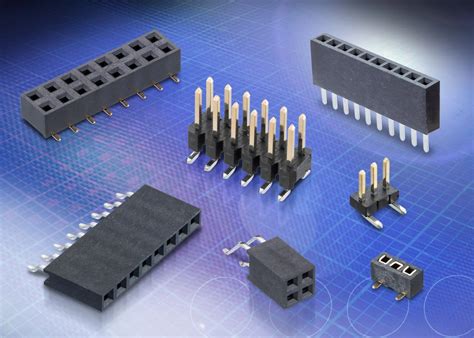
Streamlining Efficiency with Turn Key Assembly Solutions
Key Takeaways
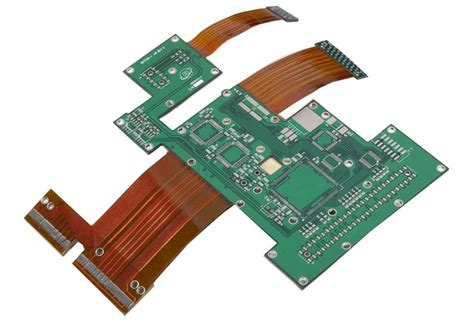
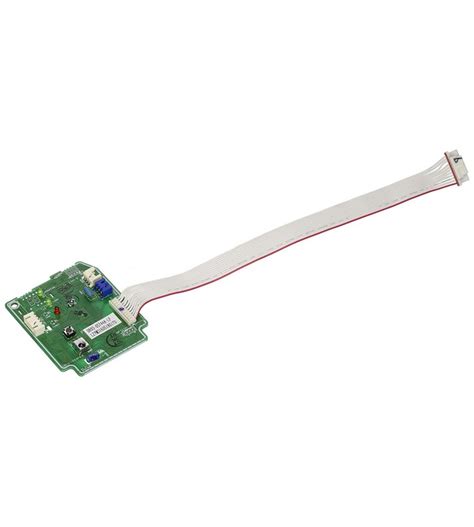
In today’s competitive manufacturing landscape, turn key assembly solutions provide a significant advantage by promoting enhanced operational efficiency. These solutions encompass a comprehensive approach to assembly, integrating various stages of production into a single streamlined process. With pcb assembly and pcba at the forefront, businesses can minimize delays associated with traditional manufacturing methods.
One of the primary benefits of implementing turn key assembly is the reduction in lead times. By consolidating resources and harmonizing workflows, companies can achieve faster turnaround times without sacrificing quality. Moreover, the integration of technology and expert knowledge allows for effective troubleshooting and risk management during production.
“Embracing turn key assembly is not just about quicker production; it’s about creating a smoother flow throughout the entire assembly line.”
Additionally, real-world applications have demonstrated marked improvements in cost efficiency and resource utilization. For instance, a comparative analysis of different manufacturing methods reveals that companies utilizing turn key assembly services often experience up to a 30% reduction in costs associated with labor and materials.
| Key Metrics | Traditional Assembly | Turn Key Assembly Solution |
|---|---|---|
| Lead Time | 10 weeks | 6 weeks |
| Production Cost | $100,000 | $70,000 |
| Error Rate | 5% | 2% |
Ultimately, adopting turn key assembly solutions not only simplifies the assembly process but also provides companies with a technological edge that is essential for thriving in an increasingly complex market environment.
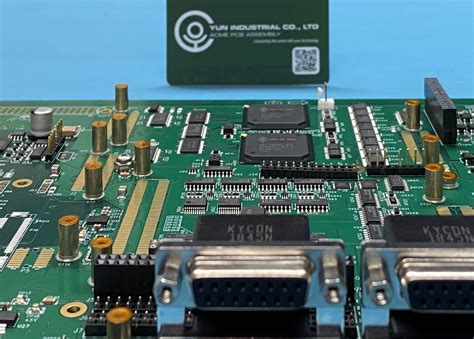
Introduction to Turn Key Assembly Solutions
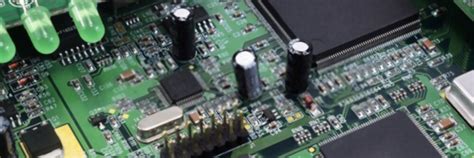
In the ever-evolving landscape of manufacturing, turn key assembly solutions stand out as a pivotal approach for companies aiming to enhance their operational effectiveness. These solutions encompass a comprehensive range of services that not only streamline the production process but also integrate various aspects of assembly, including pcb assembly and other related components, into seamless workflows. By employing pcba (printed circuit board assembly) techniques, organizations can optimize their production lines for efficiency, reducing lead times and minimizing costs. Moreover, the adoption of turn key systems can facilitate faster adaptation to market demands, allowing businesses to remain competitive in today’s fast-paced environment. This integrated approach ensures that all elements—from design to assembly—are handled with precision and expertise, elevating the overall productivity while maintaining high quality standards. As companies increasingly realize the advantages of this methodology, turn key assembly solutions are set to play a crucial role in shaping the future of manufacturing.
Key Benefits of Turn Key Assembly in Modern Manufacturing
Turn key assembly solutions provide numerous advantages that significantly enhance operational efficiency in modern manufacturing settings. By facilitating a comprehensive and integrated approach, these services allow manufacturers to streamline their production processes, ultimately reducing time and costs. One of the major benefits is the ability to produce high-quality products with greater consistency and fewer errors. For instance, when dealing with PCB assembly (printed circuit board assembly), the use of specialized turn key solutions ensures that each stage—from design to assembly—is managed under a unified framework, minimizing the risks associated with fragmented processes.
Additionally, turn key assembly promotes greater scalability. As production demands fluctuate, manufacturers can swiftly adapt their operations without compromising on quality or efficiency. This adaptability is particularly vital in industries that require rapid prototyping and PCBA (printed circuit board assembly) services for new product developments. Furthermore, the expertise of turn key providers in managing logistics and supply chain components helps alleviate potential bottlenecks, ensuring that materials arrive on time and production progresses smoothly.
By incorporating advanced technologies such as automation and real-time data analytics into their workflows, manufacturers using turn key solutions can proactively identify potential issues before they escalate, thus enhancing overall productivity. This proactive approach not only saves valuable resources but also contributes to a more sustainable manufacturing environment. Ultimately, investing in turn key assembly services positions companies to achieve higher operational standards while navigating the complexities of modern manufacturing demands effectively.
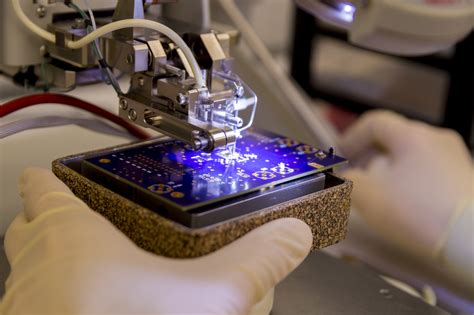
Streamlining Processes: How Turn Key Assembly Enhances Efficiency
The implementation of turn key assembly solutions significantly optimizes efficiency within manufacturing processes. By integrating services such as pcb assembly and pcba, organizations can reduce lead times and streamline workflow from inception to completion. These comprehensive systems provide a one-stop-shop solution, eliminating the need for multiple vendors and minimizing the complexities often associated with traditional assembly methods. This integrated approach allows for faster design iterations and enhances communication across teams, leading to improved product quality. Moreover, the structured processes involved in turn key assembly ensure that all components are sourced and assembled in a cohesive manner, reducing the risk of errors and rework. In an era where time-to-market is critical, adopting such holistic solutions positions companies to remain competitive by enabling rapid response to market demands while maintaining high standards of efficiency. Thus, leveraging turn key assembly not only elevates operational productivity but also fosters innovation in product development, making it an essential strategy in modern manufacturing practices.
Real-World Applications of Turn Key Assembly Services
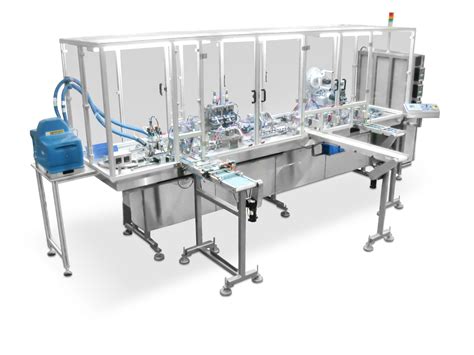
Turn key assembly services have found a multitude of applications across various industries, effectively transforming the way businesses approach production. In the realm of electronics, for instance, pcb assembly has significantly benefited from the incorporation of turn key solutions. These services not only streamline the entire pcba process but also eliminate the complexities typically associated with managing multiple suppliers. By utilizing a single source for all assembly needs, companies can experience reduced lead times and enhanced coordination.
Manufacturers producing consumer electronics are particularly inclined to adopt these comprehensive solutions, as they can quickly adapt to changing market demands while maintaining high-quality standards. Moreover, in sectors like automotive and aerospace, where precision is critical, turn key assembly ensures that every component meets stringent regulatory requirements while optimizing throughput. The integration of automation technologies into these assembly lines further enhances efficiency by minimizing manual errors and allowing for real-time monitoring of production metrics.
Ultimately, the effective implementation of turn key assembly services not only addresses immediate production concerns but also positions businesses for long-term success in an increasingly competitive landscape. By adopting these solutions, organizations can focus on innovation and growth while leaving complex logistics and operational challenges to specialized service providers.
The Impact of Turn Key Assembly on Supply Chain Management
The integration of turn key assembly solutions significantly transforms supply chain management by providing comprehensive services that simplify and enhance every stage of production. These pcb assembly services allow manufacturers to focus on core competencies while relying on specialized partners for assembly processes, ultimately leading to improved operational efficiency. By streamlining workflows and minimizing lead times, turn key assembly supports just-in-time manufacturing practices, reducing the need for excessive inventory storage while ensuring product availability aligns with demand. Additionally, the use of pcba in turn key assembly not only enhances product reliability but also leads to cost savings and optimized resource allocation across various supply chain stages. As companies increasingly adopt these solutions, they benefit from greater agility, enabling them to swiftly adapt to market changes and customer needs while maintaining high standards in quality and performance. Over time, the strategic implementation of turn key assembly can lead to more resilient supply chains that respond efficiently to disruptions and innovations within the industry.
Case Studies: Successful Implementations of Turn Key Assembly
In the realm of manufacturing, turn key assembly solutions have revolutionized the way companies approach production. One compelling case study involves a tech firm that needed to scale up its operations for complex PCB assembly projects. By integrating a turn key assembly provider, the company experienced a dramatic reduction in lead times, allowing them to bring products to market faster. This was achieved by streamlining the entire process—from design and prototyping to full-scale production and quality assurance.
Through effective collaboration with their PCBA partner, they benefited from improved communication and operational coherence, ensuring that every step adhered to high standards of efficiency. As a result, not only were they able to minimize waste and lower costs, but they also enhanced their product quality significantly. Another noteworthy example can be seen in the automotive industry, where a manufacturer leveraged turn key assembly solutions for integrating electronic components into vehicles. This integration required precision and adherence to rigorous safety regulations. Employing these services enabled them to focus on core competencies while relying on experts for assembly—further reducing operational burdens.
Overall, these case studies exemplify how adopting turn key assembly can lead to substantial improvements in productivity, cost savings, and quality assurance across diverse manufacturing sectors, showcasing its invaluable role in modern production environments.
Future Trends in Turn Key Assembly Solutions
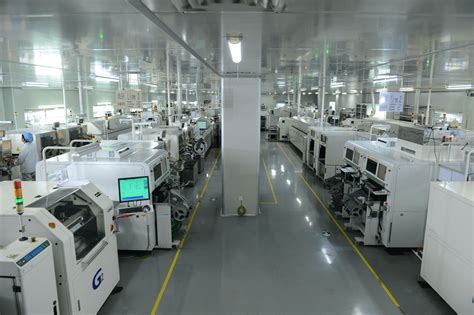
As industries evolve, the landscape of turn key assembly solutions continues to advance, driven by technological innovations and shifting market demands. One notable trend is the integration of advanced automation within pcb assembly processes. This not only enhances precision but also significantly reduces production time and costs, facilitating more efficient workflows. Additionally, as manufacturers increasingly adopt IoT (Internet of Things) devices, real-time monitoring will become more prevalent in pcba environments. This capability allows for prompt troubleshooting and maintenance, ultimately ensuring that production lines operate at peak efficiency. Moreover, sustainability is set to play a pivotal role in future turn key assembly strategies. With a rising emphasis on eco-friendly practices, companies are likely to invest in materials and processes that minimize environmental impact without sacrificing quality or efficiency. As these trends unfold, businesses will find themselves better equipped to meet customer demands while fostering innovation and operational excellence in their assembly solutions.
Conclusion: The Path to Enhanced Operational Efficiency
In the evolving landscape of manufacturing, turn key assembly solutions have emerged as a vital strategy for achieving greater operational efficiency. By integrating each step of the production process—from design and pcb assembly to final inspection—these services provide a seamless experience that minimizes lead times and maximizes productivity. Organizations can harness the power of pcba (Printed Circuit Board Assembly) technologies that enhance quality control while reducing costs. Furthermore, such solutions allow businesses to focus on their core competencies; as they delegate complex assembly tasks to specialists, they can innovate and improve their products concurrently. Thus, the implications of adopting turn key assembly extend beyond mere cost savings; they redefine how companies approach production. As we look toward the future, those who embrace these comprehensive solutions will likely find themselves not just keeping pace with industry demands but leading the charge toward more efficient and smarter manufacturing processes. By recognizing and implementing the benefits of turn key assembly, businesses can navigate challenges more effectively, paving the way toward sustained operational excellence.
Conclusion: The Path to Enhanced Operational Efficiency
In today’s fast-paced manufacturing landscape, embracing turn key assembly solutions is essential for businesses striving to improve their operational efficiency. The comprehensive nature of turn key assembly not only simplifies the production process but also allows companies to focus on their core competencies while leaving the intricate details of pcb assembly and pcba to specialized service providers. These solutions often entail a seamless integration of design, fabrication, and assembly, ensuring that each component works together flawlessly. As a result, companies can achieve significant reductions in lead time and costs, thereby enhancing their competitiveness in the market. Moreover, by leveraging advanced technologies and methodologies within turn key assembly, organizations can enjoy enhanced flexibility in addressing customer demands while minimizing waste and optimizing resource allocation. This holistic approach ultimately leads to a streamlined production process that enhances overall productivity and quality. As industries continue to evolve, investing in effective turn key assembly services will undoubtedly pave the way for businesses looking to thrive through improved operational efficiency.
FAQs
What is turn key assembly?
Turn key assembly refers to a comprehensive service where a vendor manages the entire process of assembling a product. This includes everything from sourcing components to final assembly and testing, ensuring that businesses receive a fully functional product ready for market.
How does turn key assembly enhance operational efficiency?
By providing streamlined processes and reducing the time spent on logistics and production management, turn key assembly allows companies to focus on their core competencies while achieving faster time-to-market.
What are the benefits of using turn key assembly for pcb assembly?
Using turn key assembly for pcb assembly, or pcba, can significantly reduce costs, as it minimizes overhead and optimizes resource allocation. In addition, it provides high-quality assurance due to specialized expertise in handling complex assemblies.
Can you explain the typical process involved in turn key assembly?
The process typically begins with design consultation, followed by sourcing components, manufacturing the assemblies, conducting quality checks, and finally packaging and shipping the completed product to the client.
What industries commonly use turn key assembly services?
Industries such as electronics, automotive, aerospace, and medical devices frequently utilize turn key assembly services due to their need for precision and efficiency in their production processes.