Streamlining Electronics: A Guide to 4PCB Assembly Success
Key Takeaways
In the world of pcb assembly, achieving success hinges on a clear understanding of the fundamentals and the implementation of effective strategies. To navigate the complexities of pcba, it is crucial to pay attention to critical components, as each plays a significant role in the overall quality and efficiency of the assembly process. Emphasizing best practices, such as meticulous design reviews and robust testing procedures, greatly enhances product reliability. Recognizing common challenges—like component misalignment, solder joint quality, and thermal issues—allows manufacturers to proactively develop solutions that can streamline workflows. Utilizing advanced tools and technologies not only aids in addressing these challenges but also fosters improved team collaboration and enhances production speed. Ultimately, staying informed about current trends in 4PCB assembly, including automation and sustainability initiatives, can provide a competitive edge in today’s dynamic market. Taking these factors into account is essential for any organization looking to optimize their pcb assembly processes and drive project success.
Introduction to 4PCB Assembly: Understanding the Basics
In the world of electronics, 4PCB assembly plays a crucial role in creating efficient and effective electronic devices. Printed Circuit Board Assembly (PCBA) refers to the process of soldering and mounting electronic components onto a printed circuit board (PCB). Understanding the basics of 4PCB assembly is essential for anyone looking to optimize their electronics manufacturing process. This involves recognizing key components such as capacitors, resistors, and integrated circuits, which all contribute to the functionality of the final product.
To streamline PCBA, it is vital to familiarize oneself with not only the materials used but also the methods applied for assembly. For example, selecting appropriate soldering techniques such as wave soldering or reflow soldering is essential for ensuring a quality outcome. An organized approach with clear documentation can significantly improve workflow efficiency throughout the assembly process.
“Understanding your materials and methods is essential to achieving success in 4PCB assembly.”
The importance of quality control cannot be overstated; regular testing throughout each stage of assembly helps identify potential issues early, allowing for necessary adjustments. Furthermore, being aware of common challenges that may arise—such as component misplacement or solder defects—can facilitate quicker resolution and a smoother process.
Below is a simple table summarizing common components used in 4PCB assembly along with their basic purposes:
| Component | Purpose |
|---|---|
| Capacitor | Stores electrical energy |
| Resistor | Limits electrical current |
| Inductor | Stores energy in a magnetic field |
| Integrated Circuit | Combines multiple functions into one component |
In conclusion, mastering the basic principles of 4PCB assembly is foundational for any electronics project’s success. This knowledge not only aids in optimizing efficiency but also enhances product quality, ensuring that projects meet required standards and specifications effectively.
Key Components of 4PCB Assembly: What You Need to Know
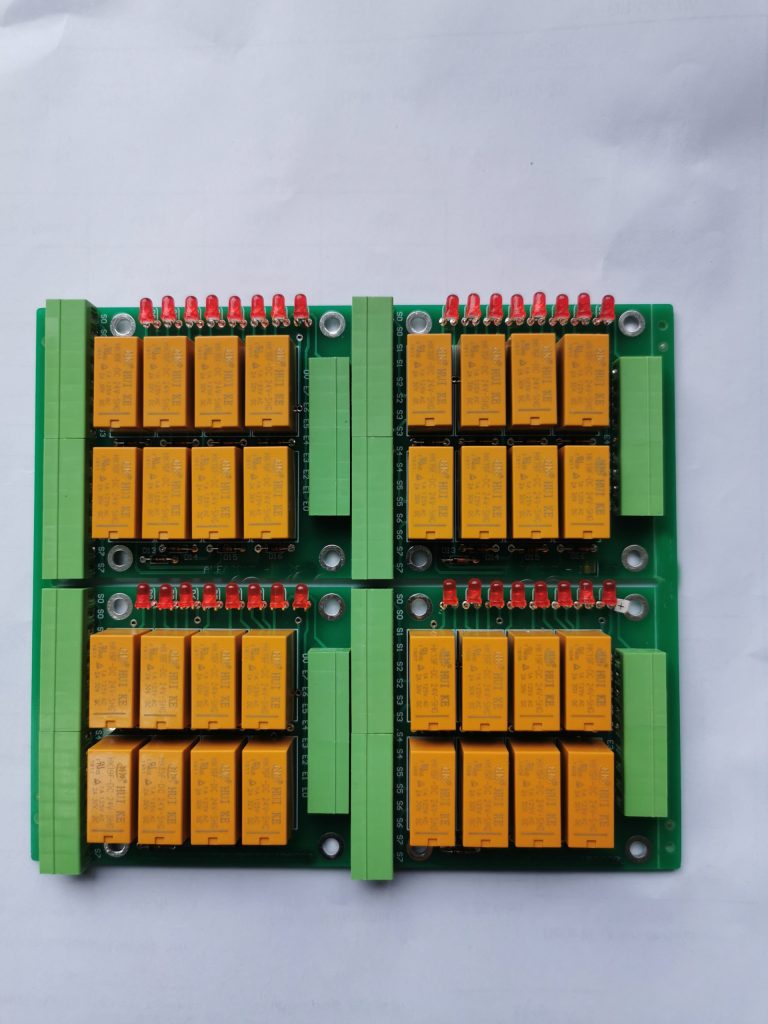
When delving into 4PCB assembly, understanding its core components is crucial for successful outcomes. The heart of this process lies in the Printed Circuit Board Assembly (PCBA), which involves often intricate layers that connect various electronic elements. The first component to consider is the PCB itself, which serves as the foundational structure where all components will be mounted and connected. This board can vary in complexity from simple designs to multi-layered configurations that support advanced electronic functions.
Next, you’ll encounter components, which include resistors, capacitors, integrated circuits, and connectors. Each component plays a vital role in the overall function of the assembled device; their precise placement and orientation can significantly affect performance and reliability. Additionally, proper soldering techniques are essential to ensure good electrical connections without risking damage to sensitive parts.
Moreover, managing tolerances during assembly is critical. This involves taking care to ensure that all components fit securely onto the PCB without causing stress or warping due to thermal expansion or electrical loads. Another essential aspect relates to testing; implementing thorough quality checks at various stages of the 4PCB assembly process helps identify potential defects early, reducing wastage and ensuring that the final product meets quality standards.
Finally, understanding design for manufacturability (DFM) principles can greatly enhance efficiency in the assembly process. This approach aims at simplifying designs for easier assembly, thus minimizing costs and timescales while maximizing quality. By grasping these key components of 4PCB assembly, manufacturers can effectively streamline their processes and elevate their production standards.
Step-by-Step Guide to the 4PCB Assembly Process
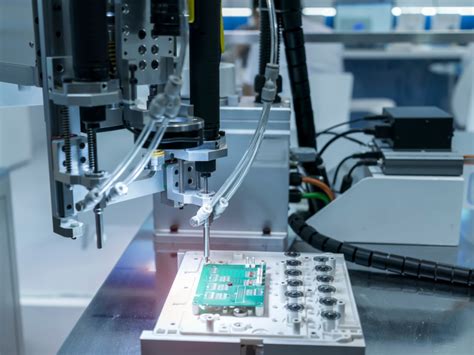
The 4PCB assembly process is a critical phase in electronics manufacturing, consisting of several systematic steps that ensure precision and quality. First, design files, typically in formats like Gerber, are prepared and verified for accuracy before fabrication begins. Next, printed circuit board assembly (PCBA) involves placing components on the board according to the design layout. This step often utilizes pick and place machines for efficiency and accuracy. Once components are positioned, the subsequent step is soldering, which can be performed using techniques such as wave soldering or reflow soldering—each having its own advantages depending on the assembly requirements.
Following soldering, it’s vital to conduct inspections to detect any potential issues such as cold solder joints or misplaced components; this step safeguards the functionality of the final product. Automated Optical Inspection (AOI) is commonly employed to enhance this quality control phase. After passing inspections, functional testing ensures that each assembled board meets its operational specifications. Finally, once all testing is completed successfully, boards can be programmed and prepared for final packaging.
The entire 4PCB assembly process demands meticulous attention to each stage to optimize both efficiency and quality. Engaging in continuous knowledge enhancement regarding new technology and techniques within the pcb assembly industry will lead to successful project outcomes and innovative solutions tailored to specific production needs.
Best Practices for Ensuring Quality in 4PCB Assembly
Ensuring quality in 4PCB assembly (also referred to as PCBA) is crucial to delivering reliable and effective electronic products. One of the foundational best practices is to establish clear specifications at the outset. This includes comprehensive documentation of design requirements, which not only guides the assembly process but also aligns all stakeholders on project goals. It’s vital to select high-quality components that meet industry standards, as inferior components can lead to malfunctions and increased failure rates in the final product.
Moreover, implementing strict quality control measures throughout the assembly process cannot be overstated. Regular inspection and testing at various stages—such as before soldering and after assembly—help identify defects early on. These checks can include visual inspections and more advanced techniques such as automated optical inspection (AOI), which can significantly enhance efficiency by quickly identifying issues that may affect functional performance.
Furthermore, investing in training for assembly staff to stay updated on the latest PCBA technologies and methodologies fosters a culture of quality. Knowledgeable team members are better equipped to handle intricate processes and troubleshoot problems effectively. Collaboration with experienced suppliers who provide reliable materials can also reinforce quality assurance measures.
Lastly, fostering an environment of continuous improvement by gathering feedback after project completion can inform best practices for future assemblies. This not only aids in refining processes but also enhances overall product reliability, ensuring that each successive project benefits from learned experiences, thus making 4PCB assembly efforts more successful over time.
Common Challenges in 4PCB Assembly and How to Overcome Them
In the intricate world of 4PCB assembly, various challenges can emerge that may hinder the overall success of a project. A common issue is misalignment during assembly, which can lead to defective connections on the PCBA. To mitigate this, ensuring precise registration and the use of high-quality stencils is essential. Another significant challenge is solder quality; improper soldering can result in cold joints or bridges that compromise functionality. Adopting best practices such as employing automated soldering techniques or using reliable solder paste can drastically improve outcomes. Additionally, component availability can be problematic due to fluctuating supply chains, which may delay production timelines. Establishing solid relationships with multiple suppliers and maintaining a well-planned inventory can help mitigate these risks. Lastly, testing for quality assurance is often overlooked, leading to unexpected failures post-assembly. Implementing a robust testing protocol early in the production phase can ensure that any issues are identified and fixed promptly, ultimately enhancing the reliability of the finished PCBA. By addressing these common challenges head-on, manufacturers can streamline their 4PCB assembly processes, ensuring greater efficiency and higher-quality results in their electronic projects.
Tools and Technologies for Streamlining Your 4PCB Assembly
In today’s fast-paced electronics industry, leveraging the right tools and technologies is essential for enhancing the efficiency of pcb assembly or PCBA processes. Advanced software solutions such as Computer-Aided Design (CAD) tools play a pivotal role in the assembly process, enabling designers to create detailed schematics that optimize circuit layouts effectively. Incorporating automated equipment, such as pick-and-place machines and soldering systems, can significantly reduce human error while increasing production speed. Furthermore, utilizing design for manufacturability (DFM) guidelines during the early design stages can streamline assembly by ensuring all components are easily accessible and correctly positioned for automated processes. Integrating real-time monitoring systems helps maintain strict quality control throughout the manufacturing flow, addressing potential issues before they escalate into costly defects. By adopting these modern tools and technologies, companies can not only improve their pcb assembly efficiency but also enhance overall product quality and consistency in their projects.
Case Studies: Successful 4PCB Assembly Projects in Action
Examining real-world examples of 4PCB assembly can provide valuable insights into effective practices and strategies. One notable case involved a tech startup that designed a groundbreaking wearable device. By implementing pcba best practices in their assembly process, they managed to reduce production time by 30%. Utilizing automated inspection tools ensured high-quality standards throughout the process, leading to fewer defects and increased customer satisfaction. Another example is a well-established automotive company that incorporated pcb assembly techniques to enhance their electronic control units. They reported a significant reduction in material waste by adopting lean manufacturing principles and efficient 4PCB assembly methods. These projects underscore the importance of selecting the right materials, investing in technology, and applying proven methodologies to achieve stellar results in pcba. By observing these successful implementations, manufacturers can glean essential strategies to optimize their own processes, leading to improved efficiency and product quality.
Future Trends in 4PCB Assembly: What to Expect
As the electronics industry continues to evolve, the future of 4PCB assembly (also known as PCBA) is poised for significant changes that will enhance efficiency and quality. One of the most notable trends is the increasing integration of automation in the pcb assembly process. Automation not only speeds up production times but also minimizes human error, leading to more consistent results. Additionally, advancements in materials science are paving the way for new substrates and components that can withstand harsher conditions while reducing overall weight. This shift is especially crucial for industries such as automotive and aerospace, where reliability and performance are paramount.
Another trend to keep an eye on is the growing emphasis on sustainability within pcba processes. Manufacturers are seeking eco-friendly materials and methods that minimize waste and energy consumption while still producing high-quality assemblies. This aligns with global efforts to reduce carbon footprints across various sectors.
Moreover, as IoT (Internet of Things) devices proliferate, there will be an increased demand for smaller, more complex pcb assembly configurations that can manage multiple functions within compact spaces. This will necessitate significant advancements in design practices and manufacturing technologies to accommodate such challenges.
Furthermore, data analytics and machine learning are beginning to play a critical role in identifying inefficiencies within existing processes. By harnessing these technologies, manufacturers can not only optimize current workflows but also predict future trends based on historical data patterns.
Overall, these emerging trends indicate a dynamic future for 4PCB assembly, focusing on innovation in both processes and materials that promise enhanced performance, sustainability, and adaptability in an ever-changing marketplace.
Conclusion
In the realm of 4PCB assembly, understanding the intricacies of the process is crucial for achieving optimal results. As discussed throughout this guide, effective pcba requires not just a clear comprehension of the key components but also a strategic approach to tackling common challenges that may arise during production. Implementing best practices for quality assurance significantly enhances not only the performance but also the longevity of your electronic products. Furthermore, leveraging advanced tools and technologies can streamline your workflows and elevate overall productivity, ensuring that your projects meet industry standards effectively. As we move forward, keeping an eye on emerging trends in 4PCB assembly will enable manufacturers to stay competitive in an ever-evolving market landscape. The collective insights and case studies presented herein serve as a solid foundation for professionals aiming to refine their pcb assembly techniques.
FAQs
Q: What is pcb assembly?
A: PCB assembly, or PCBA, refers to the process of soldering electronic components onto a printed circuit board (PCB) to create a fully functional electronic assembly.
Q: What are the steps involved in pcb assembly?
A: The key steps in PCB assembly include design and layout, procurement of components, printing solder paste, placement of components, soldering, and testing the assembled board.
Q: How do I choose between manual and automated pcb assembly methods?
A: The choice between manual and automated PCBA methods depends on factors such as production volume, complexity of the design, cost considerations, and available resources.
Q: What are the most common challenges faced during pcb assembly?
A: Common challenges include component misalignment, insufficient solder joints, contamination issues, and thermal stress during reflow soldering.
Q: How can I ensure quality in my pcb assembly process?
A: To ensure quality in your PCBA, implement thorough quality checks at each stage of manufacturing, including visual inspections and automated optical inspections (AOI).