Streamlining Electronics Production with Turnkey PCB Assembly Solutions
Key Takeaways
In the realm of electronic manufacturing, understanding turnkey PCB assembly is essential for companies seeking to enhance their production processes. Turnkey PCB assembly refers to a comprehensive approach where every stage of the PCB assembly process is managed by a single provider. This not only simplifies the logistics but also ensures consistent quality throughout the manufacturing journey. One of the key benefits of utilizing turnkey solutions is the significant reduction in production costs, as businesses can eliminate redundancies in sourcing and streamline supply chain management.
Moreover, innovations in PCBA technologies have led to faster turnaround times while maintaining high-quality standards. For manufacturers aiming for efficiency, it’s crucial to embrace these advancements and employ strategies that capitalize on automation and smart technology. As one industry expert put it, > “Embracing an integrated approach in PCB assembly can drive both innovation and cost-effectiveness.” This perspective highlights the transformative potential of incorporating turnkey solutions into production lines. The future of electronics manufacturing undeniably lies in adopting these modern methodologies that prioritize both efficiency and quality.
Understanding Turnkey PCB Assembly: An Overview
Turnkey PCB assembly represents a comprehensive solution in the realm of electronics manufacturing, where the entire production process of Printed Circuit Board Assembly (PCBA) is managed and executed by a single service provider. This approach offers manufacturers the advantage of focusing on their core competencies while leveraging the expertise and capabilities of specialized providers. With turnkey solutions, clients benefit from integrated services that encompass everything from design to production, assembly, and often even testing.
A significant aspect of turnkey PCB assembly is its ability to streamline operations, allowing for faster project turnaround times. By consolidating multiple processes under one umbrella, companies can minimize delays often associated with coordinating between different suppliers. Furthermore, this model enhances communication and reduces the potential for errors that might occur when various parties are involved.
In addition to improving efficiency, adopting turnkey solutions can lead to remarkable cost savings. By eliminating redundant processes and optimizing resource allocation, manufacturers can see a reduction in overall production costs. The convenience of having a single point of contact also simplifies project management and logistics.
To summarize how these benefits manifest in real-world applications, let’s consider a case study comparison table highlighting traditional vs. turnkey approaches:
| Feature | Traditional Approach | Turnkey Approach |
|---|---|---|
| Project Management Complexity | High | Low |
| Potential for Delays | Often Significant | Minimal |
| Cost Overhead | Generally Higher | More Efficient |
| Time to Market | Longer | Shorter |
As evidenced by numerous industry examples, turnkey PCB assembly not only enhances operational efficiency but also establishes a framework for innovation in electronics production. This makes it an essential consideration for companies looking to remain competitive in a rapidly evolving market landscape.
The Advantages of Turnkey PCB Assembly in Electronics Production
Turnkey PCB assembly (PCBA) solutions offer numerous advantages that significantly enhance the efficiency of electronics production. By providing a comprehensive suite of services, including design, fabrication, assembly, and testing, turnkey solutions streamline the entire manufacturing process. This integration minimizes the need for multiple suppliers and reduces communication gaps, allowing for faster response times and smoother operations. One of the primary benefits is the substantial reduction in production costs. With turnkey PCB assembly, manufacturers can optimize resource allocation and minimize overhead by leveraging a single source for multiple production stages. In addition to cost savings, these solutions ensure high-quality output by adhering to rigorous quality control protocols throughout the process. As a result, manufacturers are able to achieve consistently high standards, which is crucial in today’s competitive market. Furthermore, turnkey PCBA facilitates innovation by enabling rapid prototyping and shorter lead times, allowing companies to bring products to market more quickly. Consequently, embracing turnkey solutions not only enhances operational efficiency but also positions manufacturers for success in a rapidly evolving technological landscape.
Innovations in Turnkey PCB Assembly Technologies
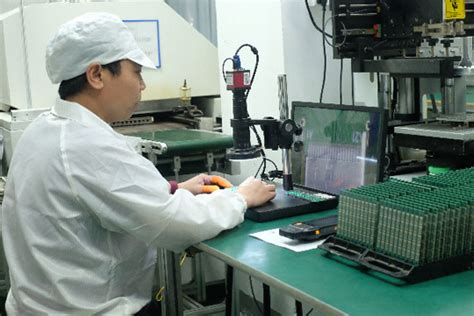
The landscape of PCB assembly is continually evolving, driven by unprecedented innovations that enhance the efficiency and efficacy of production processes. One significant advancement is the integration of advanced automation technologies, which streamline various stages of the PCBA process. Automated pick-and-place machines, for instance, have transformed how components are placed on printed circuit boards, achieving higher precision and speed than manual processes. Additionally, innovative software solutions enable real-time monitoring and data analytics during turnkey PCB assembly, allowing manufacturers to optimize operations and quickly respond to any issues as they arise.
Furthermore, the adoption of advanced materials is reshaping the capabilities of turnkey PCB assembly solutions. With materials that reduce weight and enhance thermal performance, manufacturers can create more compact and efficient products. The trend toward miniaturization is also supported by sophisticated soldering technologies that ensure reliable connections in tight spaces. These innovations not only serve to improve product quality but also facilitate faster time-to-market for electronic devices.
Another exciting development in this field is the embrace of Internet of Things (IoT) technologies within manufacturing environments. By interlinking machinery and systems, manufacturers can achieve greater synchronization across their operations. This results in reduced waste, minimized downtime, and improved consistency throughout the PCB assembly process. As a result, companies can harness these advancements not only for efficiency but also for scalability—the ability to adapt production levels in response to fluctuating demand with ease.
In summary, these innovations collectively play a crucial role in streamlining turnkey PCB assembly, enabling electronics manufacturers to deliver high-quality products at competitive costs while maintaining flexibility within their production processes.
Streamlining the Manufacturing Process: A Step-by-Step Guide
In today’s competitive landscape, streamlining the manufacturing process is essential for any electronics manufacturer aiming to stay ahead. By implementing turnkey PCB assembly solutions, companies can significantly enhance their production efficiency. The process begins with a comprehensive assessment of design specifications and requirements, allowing for a customized approach to PCB assembly. Next, the integration of advanced automated machinery plays a critical role in optimizing workflow and minimizing human error during the PCBA production stages. By employing real-time monitoring systems, manufacturers can track progress and deviations, ensuring that any issues are addressed promptly. Additionally, embracing modular approaches in manufacturing not only facilitates quicker transitions between projects but also accelerates overall lead times. This combination of strategies leads to intelligent production practices that not only bolster speed but also maintain the integrity and quality of the end products. Overall, by focusing on these streamlined processes within turnkey PCB assembly, electronics manufacturers can achieve greater operational effectiveness while managing costs more effectively and delivering high-quality results to their clients.
Cost Reduction Strategies Through Turnkey Solutions
One of the most compelling advantages of leveraging turnkey PCB assembly solutions is the significant cost reduction that can be achieved throughout the electronics manufacturing process. By integrating various stages of production, from design to soldering and testing, turnkey PCB assembly eliminates the need for multiple vendors and streamlines procurement. This results in fewer logistical challenges and lowers overhead costs associated with managing different suppliers. Moreover, using a consolidated provider for PCBA can enhance negotiation power regarding bulk materials, thus driving down the cost of components needed for production. The automation and advanced technologies inherent in turnkey solutions also minimize labor costs by reducing manual interventions in assembly lines. In essence, these strategies not only lead to lower production costs but also enhance operational efficiency, enabling manufacturers to allocate resources more effectively and reinvest savings into innovation and quality improvements within their products. The overall result is a more competitive offering in a rapidly evolving market, allowing businesses to respond swiftly to customer needs while maintaining profitability.
Quality Assurance in Turnkey PCB Assembly
In the realm of pcb assembly, quality assurance plays a pivotal role in ensuring that the final product meets both industry standards and customer expectations. Turnkey PCB assembly solutions have revolutionized quality control processes, integrating advanced technologies to meticulously assess each stage of production. These solutions provide a comprehensive approach, where every aspect—from the selection of components to the final assembly—is monitored with precision. Through the implementation of automated testing systems and robust inspection protocols, manufacturers can achieve a higher level of reliability in their PCBA outputs. Additionally, real-time data analysis allows for immediate feedback, facilitating rapid adjustments that enhance quality while minimizing waste. With a commitment to excellence, turnkey solutions ensure that every board not only functions correctly but also adheres to the tight tolerances required in today’s competitive electronics landscape. Therefore, investing in reliable quality assurance practices within pcb assembly is essential for companies aiming to elevate their production standards and deliver superior products to the market.
Case Studies: Success Stories in Streamlined Productions
In exploring the impact of turnkey PCB assembly solutions within the electronics manufacturing sector, several compelling case studies illustrate their effectiveness. One prominent example comes from a consumer electronics company that faced challenges with production delays and rising costs. By transitioning to a turnkey PCB assembly service, the company was able to consolidate its supply chain and leverage expertise from specialists in the field. This led to a significant reduction in lead times, enabling quicker product launches while maintaining high-quality standards. Additionally, another case highlights an automotive manufacturer that sought to enhance its efficiency. With the implementation of PCB assembly solutions, this manufacturer benefited from improved process integration and automation, resulting in a marked decrease in production downtime and waste. These success stories showcase how adopting pcba strategies can ultimately transform manufacturing operations, illustrating that effective turnkey solutions not only enhance productivity but also contribute to a healthier bottom line for businesses aiming for sustainable growth in a competitive market.
Future Trends in Turnkey PCB Assembly Solutions
As the electronics industry continues to evolve, the shift towards turnkey PCB assembly solutions is becoming increasingly significant. The pcba process is no longer just about assembling components onto a board; it’s about embracing innovations that drive greater efficiency and productivity. Future trends indicate a growing incorporation of automated materials handling systems and sophisticated smart manufacturing technologies, which enhance real-time monitoring of the entire production line. Additionally, the focus on sustainable practices will lead to more eco-friendly pcb assembly methods that not only reduce waste but also align with global environmental standards. Another anticipated development is the integration of advanced data analytics, which can provide insights into operational shortcomings and help streamline processes proactively. As manufacturers seek to enhance quality control and speed up time-to-market, we can also expect an emphasis on innovation in manufacturing techniques, including modular system design that allows for easy scalability. Ultimately, these trends signify a commitment to making turnkey PCB assembly solutions more efficient, cost-effective, and responsive to market demands—all crucial elements for staying competitive in an ever-changing landscape.
Conclusion
In summary, turnkey PCB assembly is transforming the landscape of electronics production by integrating multiple stages of manufacturing into a single, cohesive process. By leveraging pcba solutions, manufacturers benefit from reduced lead times and minimized errors, which significantly enhances overall efficiency. As we have discussed throughout the article, these assembly solutions not only diminish production costs but also elevate the quality of the final products. The implementation of advanced technologies in pcb assembly has fostered innovations that streamline manufacturing operations, ensuring that businesses remain competitive in an increasingly demanding market. Looking ahead, as the industry continues to evolve, it is evident that embracing turnkey PCB assembly will be paramount for companies aiming to achieve optimal performance and sustainability in their manufacturing processes.
FAQs
What is turnkey PCB assembly?
Turnkey PCB assembly, often referred to as PCBA, is a comprehensive service that manages every aspect of the printed circuit board assembly process, from design to the final product. This solution enables manufacturers to streamline operations and focus on their core competencies.
How does turnkey PCB assembly benefit electronics manufacturers?
The primary benefits of turnkey PCB assembly include enhanced efficiency, reduced lead times, and significant cost savings. By utilizing a single service provider for all facets of pcb assembly, businesses can minimize communication errors and simplify logistics.
What innovations are present in turnkey PCB assembly?
Recent innovations in technology have allowed for more automated processes in pcba, improving precision and speed. Techniques such as surface-mount technology (SMT) and advanced soldering methods contribute to higher quality end products.
Are there cost reduction strategies associated with turnkey solutions?
Yes, employing a turnkey PCB assembly approach can lead to reduced manufacturing costs by optimizing supply chain management, decreasing inventory levels, and cutting down on labor costs associated with managing multiple suppliers.
How is quality assurance maintained in turnkey PCB assembly?
Quality assurance is central to the pcb assembly process. Many turnkey solutions implement rigorous testing phases throughout production, ensuring that each component meets necessary industry standards before final delivery.
For more detailed information on how these solutions can transform your electronics production process, please visit this link.