Streamlining PCB Assembly Online for Efficient Production
Key Takeaways
In the realm of PCB assembly, embracing online solutions can significantly transform the production landscape. By leveraging robust online platforms, businesses can streamline their pcba processes, enhancing efficiency and reducing turnaround times. One of the greatest advantages of online PCB assembly is the accessibility to real-time tracking and management tools that allow manufacturers to monitor every stage of production meticulously. This visibility not only boosts communication between teams but also fosters an environment where proactive problem-solving is possible.
Moreover, adopting effective strategies tailored for online workflows can lead to improved resource allocation and reduced material waste, ultimately translating into cost savings. Implementing standardized processes through online PCB assembly platforms ensures that quality assurance protocols are adhered to consistently, thus maintaining high standards throughout the production cycle.
"The key to successful online PCB assembly lies in integrating technology with a clear understanding of operational needs," suggests industry experts. Consequently, companies that prioritize adopting state-of-the-art tools and methodologies for their pcba endeavors are more likely to witness an increase in productivity while ensuring a product that meets or exceeds customer expectations. This harmonious blend of technology and strategy defines the future trajectory of efficient PCB production solutions.
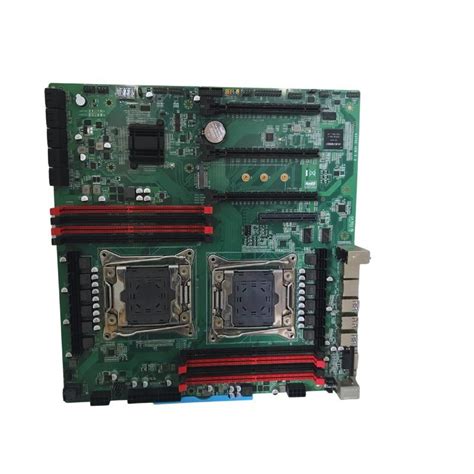
Introduction to PCB Assembly Online: Revolutionizing Production
The landscape of PCB assembly has undergone significant transformation with the advent of online platforms. Traditionally, PCBA was often a lengthy and cumbersome process, riddled with complexities that could lead to inefficiencies. However, with online services, the entire workflow from design to production has become more streamlined. Not only does this modernization offer manufacturers a chance to enhance turnaround times, but it also empowers engineers and designers with immediate access to tools and resources that facilitate rapid prototyping and production.
One of the notable advantages is the visibility provided throughout the production process. With real-time tracking systems integrated into online PCB assembly platforms, stakeholders can monitor progress, make necessary adjustments on-the-fly, and ensure adherence to production schedules. This transparency also fosters better collaboration among teams scattered across different regions.
To further illustrate this point, consider Table 1 below, which highlights key factors impacting efficiency in online PCBA:
| Factor | Impact on Efficiency |
|---|---|
| Real-Time Tracking | Enables proactive decision-making |
| Automated Design Review | Reduces errors before production start |
| User-Friendly Interfaces | Streamlines user experience |
| Integrated Supply Chain | Shortens lead times for components |
Moreover, the inclusion of essential tools tailored for PCB assembly revamps the overall productivity landscape. Engineers can leverage software that automates design checks or circuit simulations to ensure that potential issues are identified early in the process.
In conclusion, as online solutions continue to evolve, they promise not only to revolutionize how we approach PCBA, but also set new standards for quality and efficiency in manufacturing practices. The future looks bright for industries eager to adapt and innovate in this increasingly digital environment.
Key Benefits of Online PCB Assembly for Efficiency
Engaging in online PCB assembly allows businesses to greatly enhance their production efficiency through a series of strategic advantages. One of the most significant benefits is the ability to streamline communication between suppliers and manufacturers, reducing the time spent on back-and-forth discussions and revisions. By utilizing specialized PCBA platforms, teams can access real-time updates and dashboards that monitor project status, ensuring that everyone remains aligned and focused on deadlines. Additionally, integrating automated processes minimizes human error, facilitating a more consistent quality in production outputs. The swift access to essential tools for design verification also accelerates the prototyping phase, enabling faster iterations that ease the transition from concept to final product. Furthermore, leveraging data analytics within these online systems can uncover insights about production bottlenecks or inefficiencies, paving the way for informed adjustments that enhance overall throughput. In essence, shifting to online PCB assembly not only improves operational workflows but also empowers businesses to adapt quickly in a dynamic market landscape, ultimately safeguarding their competitive edge.
Best Practices for Streamlining Your PCB Assembly Process
When it comes to pcb assembly, adopting effective strategies is crucial for achieving high-quality results. To streamline your pcba process, consider implementing automated workflows that minimize manual input and reduce the potential for errors. Utilizing real-time tracking tools allows for better visibility and control over production stages, ensuring that teams can promptly address any issues that arise. Furthermore, standardizing components and adhering to design-for-manufacturing principles can significantly accelerate the assembly process while enhancing product reliability. Encouraging collaboration between design and assembly teams fosters a culture of continuous improvement, where feedback loops contribute to refining processes over time. Investing in training programs for staff ensures that everyone involved is proficient in the latest techniques and technologies related to pcb assembly, further elevating overall production effectiveness. Finally, maintaining a strong relationship with suppliers can lead to faster procurement of materials needed for assembly, thus supporting an efficient workflow. Embracing these best practices not only boosts productivity but also optimizes the quality of your pcba output.
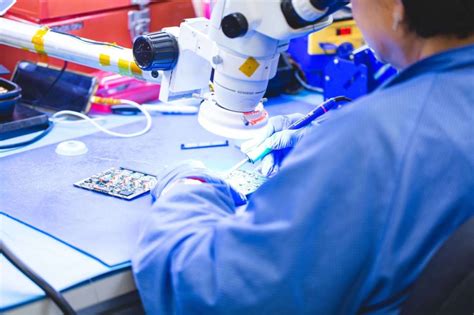
Essential Tools and Software for Online PCB Assembly
To successfully navigate the complex landscape of pcb assembly online, various tools and software have emerged as essential components for ensuring a streamlined process. Modern pcba tools are designed to automate and enhance different stages of assembly, from design to production. For instance, software solutions that specialize in design for manufacturability (DFM) help engineers identify potential issues early on, thereby reducing costly revisions later in the assembly process. Furthermore, employing advanced simulation tools allows teams to visualize the finished product under various conditions, ensuring that the design is robust before physical prototypes are made.
Collaborative platforms facilitate real-time communication among stakeholders across different locations, itemizing tasks and sharing feedback instantly. This is particularly advantageous in online pcb assembly, where geographical distances can impede traditional manufacturing workflows. Tools that incorporate project management features streamline task assignments and monitor progress effectively, enhancing accountability and reducing lead times.
Inventory management software also plays a critical role in the pcb assembly process, enabling companies to maintain optimal stock levels of components essential for production. This not only aids in preventing delays but also minimizes excess inventory costs. Additionally, integration with supply chain management systems ensures a smooth flow of materials—vital for maintaining an efficient production schedule.
Ultimately, investing in the right pcba tools not only boosts productivity but also reinforces quality assurance throughout the entire assembly journey, thereby contributing significantly to successful online PCB production.
Strategies to Maximize Productivity in PCB Production
Maximizing productivity in the pcb assembly process requires a comprehensive approach that incorporates various strategies tailored to the unique demands of pcba projects. First and foremost, it’s essential to maintain a well-organized workflow. Implementing lean manufacturing principles can significantly reduce waste and streamline operations. This can involve identifying bottlenecks in the pcb assembly line, which may hinder production speed, and optimizing those areas for efficiency.
Another crucial strategy is to leverage modern technology tools that enhance coordination among team members. Utilizing project management software aids in tracking progress, scheduling tasks, and ensuring that all stakeholders are aligned on project goals. Moreover, adopting automation in the pcba process not only reduces human error but also accelerates repetitive tasks, leading to faster turnaround times.
Training and ongoing education for personnel involved in the pcb assembly process is also vital. Well-informed employees who are adept at using the latest techniques and tools will contribute to smoother operations. Therefore, regular workshops and training sessions focusing on both hard skills related to assembly techniques and soft skills such as teamwork will further bolster productivity.
Finally, constant evaluation of production rates against targets will help identify areas that need improvement or adjustment. By establishing KPIs (Key Performance Indicators) for pcba efficiency, teams can adapt strategies proactively rather than reactively.
These combined strategies create a framework that not only enhances productivity within pcb assembly but also ensures high-quality outcomes that meet today’s competitive industry standards.
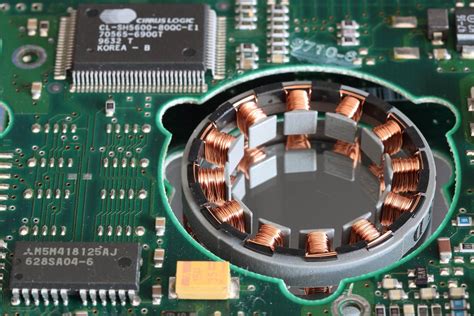
Quality Assurance in Online PCB Assembly: Ensuring Standards
In the realm of pcb assembly, maintaining high standards through rigorous quality assurance processes is paramount for successful production. When utilizing online PCB assembly services, it is crucial to implement thorough checks at various stages of the production timeline, ensuring that every component meets the required specifications. Adopting automated testing protocols can significantly enhance the QA process, allowing for timely detection of defects and inconsistencies in the pcba. Furthermore, integrating real-time monitoring with sophisticated software tools can provide immediate feedback and facilitate continuous improvement in manufacturing practices. Companies should also consider conducting regular audits and utilizing standardized metrics to evaluate their processes and outcomes, thereby fostering a culture of excellence. By prioritizing quality assurance, organizations not only bolster their product reliability but also build confidence among clients and end-users, ultimately contributing to long-term success in the field of online PCB assembly.
Case Studies: Successful Online PCB Assembly Implementations
Successful implementations of online PCB assembly (PCBA) have demonstrated the myriad benefits and efficiencies that can be gained by adopting a digital approach. For instance, a leading electronics company dramatically reduced its production lead time by 40% after switching to an online PCBA platform. The key to their success lay in utilizing advanced software tools that enabled real-time collaboration among cross-functional teams, thereby facilitating prompt decision-making and reducing errors. Another company specializing in consumer electronics witnessed a 30% decrease in overall production costs. By leveraging online pcb assembly services, they optimized their supply chain management, allowing for better inventory tracking and procurement processes. These case studies exemplify not just the efficiency gained from online systems, but also highlight how strategic use of technology can enhance the overall quality of the product. By streamlining communication and ensuring robust quality assurance measures are in place, these companies succeeded in maintaining high standards while adapting to market demands swiftly. The stories of these successful implementations serve as inspiration for others seeking to improve their own pcb assembly processes through innovative online solutions.
Future Trends in Online PCB Assembly: What to Expect
As the pcb assembly landscape continues to evolve, several exciting trends are emerging that will shape the future of online pcb assembly (PCBA) processes. One notable trend is the integration of artificial intelligence (AI) and machine learning into the pcba pipeline, enabling manufacturers to predict potential failures and optimize the assembly process in real-time. This predictive capability can lead to significant improvements in overall efficiency, as smart systems learn from past errors and adapt accordingly. Additionally, as companies increasingly prioritize sustainability, we can anticipate a shift towards eco-friendly materials and practices within online pcb assembly services. This transition will not only reduce environmental impact but also align with consumer preferences for more sustainable products. Furthermore, advancements in tools and technology will facilitate greater integration of remote monitoring systems that provide instant feedback during production runs, ensuring high-quality standards are maintained throughout the process. With more companies embracing collaboration tools within their online platforms, teams will benefit from enhanced communication and cooperation, fostering a culture of innovation that leads to more efficient pcb assembly workflows. Overall, these trends are setting the stage for a future where online PCBA becomes increasingly efficient, sustainable, and technologically advanced.

Conclusion
In summary, utilizing online PCB assembly techniques presents a significant opportunity for manufacturers seeking to enhance their production processes. The transition to pcb assembly platforms introduces improved connectivity between teams and suppliers, fostering collaboration that can lead to faster turnarounds and optimized workflows. By adopting industry best practices for pcba, such as implementing comprehensive project management tools and maintaining clear communication channels, organizations can elevate their efficiency while minimizing delays. Furthermore, a focus on quality assurance in the online environment ensures that every component meets the highest standards, thereby mitigating risks during the production phase. As industries continue to evolve with technological advancements, it is imperative for businesses to stay informed about emerging trends and innovations within pcb assembly methods. This proactive approach not only promises enhanced productivity but also positions companies favorably in a competitive marketplace.
FAQs
What is PCB assembly, and why is it important?
PCB assembly, or PCBA, is the process of connecting electronic components to a printed circuit board (PCB). This process is crucial for the functioning of electronic devices, as it integrates various components to create a complete circuit. Efficient PCB assembly ensures device reliability and optimal performance.
How can online PCB assembly improve efficiency?
Utilizing online platforms for PCB assembly streamlines communication, reduces lead times, and often lowers costs. Online services provide instant access to resources, enabling faster decision-making and more efficient handling of orders. This enhances overall productivity in the PCBA process.
What are some best practices for PCB assembly online?
To maximize efficiency in your PCBA, it’s essential to maintain clear documentation, utilize reliable suppliers, and engage robust project management tools. Regularly updating inventory and employing automation where possible can significantly enhance the assembly process.
What tools are essential for online PCB assembly?
The best tools for online PCB assembly include design software like Altium Designer or Eagle, manufacturing execution systems (MES), and quality inspection software. These tools help ensure that your design translates correctly into a physical product while maintaining high standards.
How do I ensure quality in online PCB assembly?
Quality assurance in PCBA requires adherence to industry standards such as IPC-A-610 for soldering acceptability. Regular inspections, both during the assembly process and at final stages, are vital for identifying issues early on before they impact production.