Streamlining Production: Top KiCad-Compatible PCB Manufacturers
Key Takeaways
When choosing a PCB manufacturing partner for KiCad projects, seamless compatibility ensures your design files translate accurately from software to physical boards. Prioritizing KiCad-friendly PCB manufacturing companies like Aisler, CircuitHub, or PCBWay minimizes formatting errors, reduces turnaround time, and streamlines workflows. These providers often support direct upload of KiCad-generated Gerber files, eliminating manual adjustments that could inflate PCB manufacturing cost or delay production. For instance, OSH Park’s automated design checks and NextPCB’s integrated assembly services cater specifically to open-source tool users, bridging the gap between prototyping and scalable PCB manufacturing business operations. Key metrics to evaluate include file compatibility, layer count support, and cost transparency—factors that directly impact project feasibility. By aligning with manufacturers optimized for KiCad, you avoid hidden fees and ensure your designs meet industry standards without compromising on quality. Open-source ecosystems thrive when fabrication partners understand their unique requirements, making vendor selection a critical step in balancing efficiency and budget.
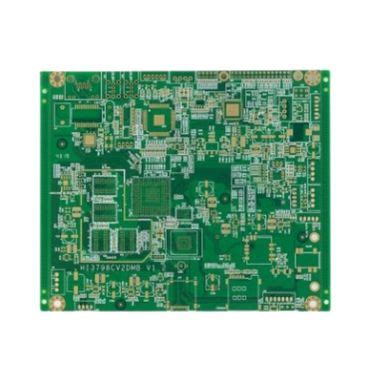
Introduction to KiCad-Compatible PCB Manufacturing
When designing printed circuit boards (PCBs), choosing the right PCB manufacturing companies can significantly impact your project’s success. For engineers and designers using KiCad, an open-source electronic design automation (EDA) tool, compatibility with fabrication workflows is critical. Seamless integration between your design software and the manufacturer’s systems reduces errors, accelerates turnaround times, and optimizes PCB manufacturing cost.
KiCad’s growing popularity stems from its flexibility and cost-effectiveness, but not all PCB manufacturing business models support its native file formats (e.g., Gerber, drill files, or KiCad-specific project files). Manufacturers that specialize in KiCad compatibility streamline the design-to-production process by accepting these files directly, eliminating manual conversions. This ensures your board’s specifications—such as layer stack-ups, trace widths, and via placements—are preserved accurately.
To evaluate PCB manufacturing partners, consider factors like automated design rule checks (DRC), material options, and assembly services. For instance, some providers offer instant quoting tools that analyze KiCad files to estimate PCB manufacturing cost in real time, helping you balance quality and budget. Below is a comparison of key features offered by leading KiCad-friendly manufacturers:
| Manufacturer | KiCad Integration | Turnaround Time | Assembly Services |
|---|---|---|---|
| Aisler | Direct project upload | 5–7 days | Yes |
| PCBWay | Gerber + Drill files | 2–5 days | Yes |
| OSH Park | Native .kicad_pcb | 7–10 days | No |
| NextPCB | Full design validation | 3–6 days | Yes |
For example, platforms like Andwin PCB combine KiCad compatibility with scalable production options, ideal for prototyping and high-volume runs. By prioritizing manufacturers that align with KiCad’s workflow, you minimize risks of mismatched specifications and ensure your designs transition smoothly from concept to physical boards. This approach not only saves time but also optimizes PCB manufacturing business operations, letting you focus on innovation rather than logistical hurdles.
Why KiCad Compatibility Matters in PCB Production
When choosing a partner for PCB manufacturing, compatibility with your design tools isn’t just a convenience—it’s a strategic decision that impacts efficiency, accuracy, and cost. KiCad, as an open-source electronic design automation (EDA) suite, has gained traction for its flexibility and zero licensing fees. However, not all PCB manufacturing companies natively support KiCad files, which can lead to workflow bottlenecks. Manufacturers that directly accept KiCad’s native formats (like .kicad_pcb or .kicad_pro) eliminate the need for manual file conversions, reducing the risk of errors during translation. This seamless integration ensures your design intent is preserved, minimizing costly revisions and delays.
For engineers and businesses focused on optimizing PCB manufacturing cost, KiCad-compatible services streamline the entire process. Time spent troubleshooting file compatibility issues translates to higher operational expenses, especially in high-volume production runs. By partnering with manufacturers that specialize in KiCad workflows, you avoid hidden costs associated with redesigns or miscommunication. Additionally, many KiCad-focused PCB manufacturing business providers offer automated design rule checks (DRCs) tailored to their fabrication capabilities, ensuring your board meets tolerances before submission.
Beyond cost savings, KiCad compatibility future-proofs your projects. As open-source tools gain momentum, manufacturers investing in native support are better positioned to adapt to evolving design standards. This alignment is critical for prototyping and scaling production efficiently, whether you’re iterating a complex multilayer board or managing a global supply chain. In short, prioritizing KiCad-friendly partners isn’t just about today’s project—it’s about building a foundation for agile, cost-effective PCB manufacturing in an increasingly collaborative hardware ecosystem.
Top KiCad-Friendly PCB Manufacturers for Seamless Integration
When selecting PCB manufacturing companies for your KiCad projects, seamless integration between design files and production workflows is critical. Manufacturers like Aisler, CircuitHub, OSH Park, PCBWay, and NextPCB stand out for their compatibility with KiCad, ensuring minimal friction during file conversion and fabrication. These providers support KiCad’s native file formats (such as Gerber, POS, and drill files), reducing errors caused by manual adjustments. For example, Aisler automates design rule checks (DRCs) directly within its platform, aligning with KiCad’s design environment to catch issues early. Similarly, CircuitHub offers real-time quoting based on KiCad exports, streamlining cost estimation and order placement.
PCB manufacturing cost transparency is another key advantage. OSH Park, known for its community-focused approach, provides clear pricing per square inch for prototypes, ideal for low-volume KiCad users. Meanwhile, PCBWay and NextPCB cater to both hobbyists and enterprises with scalable pricing models, offering bulk discounts without compromising on turnaround times. Their online platforms integrate KiCad-generated BOMs (bill of materials) and assembly specifications, simplifying the transition from design to full-scale production.
For businesses aiming to scale, partnering with PCB manufacturing specialists like NextPCB ensures access to advanced capabilities such as high-density interconnect (HDI) boards or flexible PCB options. These companies often provide dedicated engineering support to troubleshoot KiCad-specific design challenges, minimizing delays. Additionally, their global logistics networks reduce shipping costs—a critical factor in managing overall PCB manufacturing business expenses.
Whether you’re prototyping or moving to mass production, these KiCad-compatible manufacturers prioritize speed, accuracy, and cost-efficiency. By leveraging their optimized workflows, you avoid the pitfalls of file incompatibility and focus on iterating designs faster—turning your KiCad projects into market-ready products with fewer hurdles.
Evaluating Manufacturer Capabilities: Key Metrics for KiCad Users
When selecting a PCB manufacturing partner for your KiCad projects, you’ll want to prioritize companies that align with your technical and budgetary needs. Start by verifying their compatibility with KiCad’s native file formats (e.g., Gerber, POS, or .kicad_pcb), as seamless integration reduces translation errors and accelerates production timelines. Reputable PCB manufacturing companies like Aisler or PCBWay often highlight KiCad support explicitly, ensuring your design files are processed without manual adjustments.
Cost efficiency is another critical factor. Compare PCB manufacturing cost structures, including setup fees, material options, and bulk discounts. Some providers offer tiered pricing for prototypes versus high-volume orders, which can significantly impact your project’s budget. For example, OSH Park’s shared panel approach lowers costs for small batches, while NextPCB provides competitive rates for larger-scale production.
Lead times and quality guarantees also matter. Look for manufacturers that balance speed with reliability—rapid turnaround is useless if boards arrive with defects. Check if they perform automated optical inspections (AOI) or electrical testing, as these steps minimize post-production troubleshooting. Additionally, assess their assembly services if you require a full turnkey solution. Companies like CircuitHub streamline both fabrication and component sourcing, ideal for complex designs.
Tip: Always request a design rule check (DRC) report from your manufacturer before finalizing orders. This preemptive step helps catch potential issues like trace spacing errors or drill misalignments early.
Finally, evaluate their customer support and communication channels. A responsive PCB manufacturing business can address technical queries swiftly, reducing delays. Read user reviews or seek community recommendations—platforms like GitHub or KiCad forums often highlight vendors with proven expertise in open-source workflows. By weighing these metrics, you’ll ensure your KiCad designs transition smoothly from concept to functional hardware.
Streamlining Design-to-Production with KiCad-Optimized Workflows
When transitioning from design to physical boards, PCB manufacturing efficiency hinges on how well your tools align with fabrication workflows. KiCad’s open-source nature allows for seamless integration with PCB manufacturing companies that support its file formats, reducing manual adjustments and minimizing errors. For instance, platforms like Aisler and CircuitHub offer native KiCad compatibility, automatically validating design rules and generating production-ready Gerber files. This eliminates time-consuming back-and-forth revisions, ensuring your design intent translates accurately to the final product.
Cost optimization is another critical factor. By choosing manufacturers like PCBWay or NextPCB, which specialize in KiCad-friendly processes, you avoid hidden PCB manufacturing cost pitfalls. These providers often feature real-time quoting tools that analyze your KiCad project files, offering instant feedback on material choices, layer counts, and turnaround times. Such transparency lets you make informed decisions early, balancing budget constraints with performance requirements.
For businesses scaling up, partnering with a PCB manufacturing business that integrates assembly services can further streamline operations. OSH Park, for example, combines fabrication with component sourcing, leveraging KiCad’s BOM (Bill of Materials) management to synchronize procurement and assembly. This end-to-end approach reduces lead times and simplifies logistics, letting you focus on iteration rather than administrative overhead.
Ultimately, KiCad-optimized workflows bridge the gap between design innovation and production reality. By prioritizing manufacturers that embrace open-source toolchains, you ensure faster prototyping, lower per-unit costs, and a scalable foundation for future projects.
Case Studies: Successful Projects Using KiCad-Centric Manufacturers
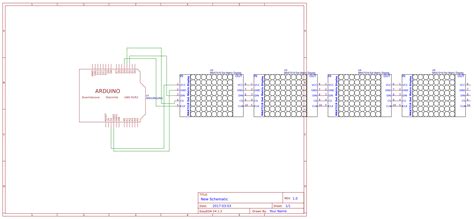
When evaluating PCB manufacturing companies, it’s critical to see how real-world projects leverage KiCad compatibility to optimize workflows and reduce PCB manufacturing cost. For example, a startup developing an open-source sensor node used KiCad to design a compact, multilayer board and partnered with PCBWay for fabrication. The seamless file transfer—thanks to native KiCad support—eliminated formatting errors, accelerating their PCB manufacturing timeline by 20%. Their project highlights how choosing manufacturers fluent in KiCad’s ecosystem minimizes iterations and ensures design integrity.
Another case involves a university research team collaborating with OSH Park to prototype a low-power IoT device. By utilizing KiCad’s integrated design rules and OSH Park’s instant quoting tools, they reduced PCB manufacturing business expenses by 30% compared to traditional vendors. The team praised the manufacturer’s ability to handle KiCad’s unique layer stack-up requirements, which streamlined prototyping and testing phases.
For high-volume production, a consumer electronics firm turned to NextPCB after validating their design with KiCad’s simulation tools. The manufacturer’s automated DFM checks tailored for KiCad files cut assembly errors by 15%, proving that alignment between design software and PCB manufacturing capabilities directly impacts scalability. This project underscores how cost predictability and quality assurance are achievable when manufacturers prioritize open-source tool compatibility.
These examples demonstrate that partnering with KiCad-centric PCB manufacturing companies isn’t just about file compatibility—it’s about building a cohesive workflow from design to delivery. Whether you’re managing a small-batch prototype or scaling production, aligning with manufacturers that understand KiCad’s nuances ensures your PCB manufacturing cost stays competitive while maintaining technical rigor.
Future Trends in PCB Manufacturing for Open-Source Design Tools
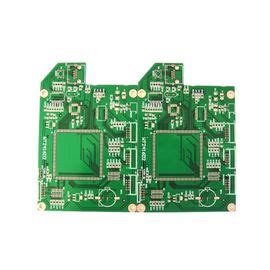
As PCB manufacturing evolves to align with open-source design tools like KiCad, you’ll notice a growing emphasis on automation and cloud-based collaboration. Leading PCB manufacturing companies are integrating AI-driven design validation tools to reduce errors and speed up prototyping, directly addressing PCB manufacturing cost concerns. For instance, real-time feedback systems now analyze KiCad files to flag potential fabrication issues—such as trace spacing violations or impedance mismatches—before production begins. This minimizes costly revisions and streamlines workflows for designers.
Another trend reshaping the PCB manufacturing business is the rise of modular manufacturing platforms. These systems allow you to mix and match services—like high-density interconnect (HDI) boards or flexible PCB options—with KiCad-compatible toolchains, offering greater flexibility for niche projects. Sustainability is also gaining traction, with manufacturers adopting eco-friendly materials and energy-efficient processes to meet global regulations and client demands.
Additionally, decentralized production networks are emerging, enabling smaller-scale PCB manufacturing hubs to serve regional markets faster. By leveraging KiCad’s open-source ecosystem, these hubs reduce lead times and shipping costs while maintaining quality. Expect tighter integration between KiCad’s design environment and manufacturer portals, where you can instantly upload files, receive quotes, and track orders—all within a unified interface.
Finally, advancements in machine learning are optimizing material usage and panelization strategies, further lowering PCB manufacturing cost for complex designs. As open-source tools like KiCad become industry standards, collaboration between developers and manufacturers will drive innovations that make prototyping and mass production more accessible than ever.
Conclusion
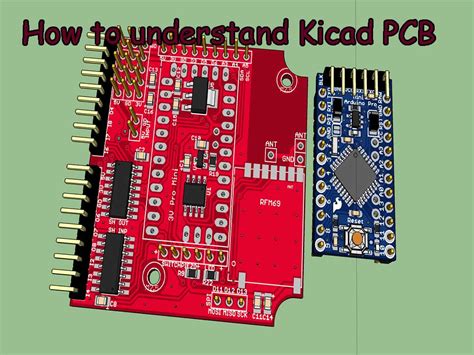
Choosing the right PCB manufacturing partner is critical to bridging the gap between KiCad’s open-source design capabilities and physical board production. The PCB manufacturing companies highlighted here—Aisler, CircuitHub, OSH Park, PCBWay, and NextPCB—excel in streamlining design-to-production workflows, minimizing errors, and accelerating time-to-market. By prioritizing KiCad compatibility, these manufacturers eliminate file conversion hassles, ensuring your Gerber files or KiCad projects translate seamlessly into functional boards. When evaluating options, consider how PCB manufacturing cost aligns with your project’s scale—whether you’re prototyping a single board or preparing for mass production. Look for transparency in pricing, quality guarantees, and services like assembly integration, which can simplify your PCB manufacturing business operations.
As open-source tools like KiCad gain traction, forward-thinking manufacturers are investing in tailored support for these platforms, reducing friction for engineers and hobbyists alike. By partnering with a KiCad-centric PCB manufacturing provider, you not only save time but also gain access to expertise that understands the nuances of open-source design files. This synergy between software and fabrication ensures your vision becomes reality without compromising on precision or reliability. Ultimately, the right manufacturer becomes an extension of your workflow, empowering you to focus on innovation rather than logistical hurdles.
FAQs
How do KiCad-compatible PCB manufacturers simplify the design-to-production process?
KiCad-compatible PCB manufacturing companies integrate directly with KiCad’s native file formats (like .kicad_pcb), eliminating manual file conversions. This reduces errors, speeds up prototyping, and ensures your design intent is preserved throughout PCB manufacturing.
What factors affect PCB manufacturing cost when using KiCad?
Cost depends on board size, layer count, material choice, and turnaround time. Many manufacturers offer instant quoting tools that analyze KiCad files to provide accurate estimates, helping you optimize your PCB manufacturing business budget without compromising quality.
Why choose specialized KiCad-friendly PCB manufacturers over general services?
Specialized providers understand KiCad’s unique workflows, offering features like design rule checks (DRC) tailored to KiCad and assembly compatibility verification. This minimizes revisions and ensures smoother transitions from design to PCB manufacturing.
Can KiCad handle complex designs required by high-end PCB manufacturing companies?
Yes. KiCad supports advanced features like high-density interconnects (HDIs) and impedance control, which are critical for modern PCB manufacturing. Partnering with manufacturers experienced in KiCad ensures these complexities are accurately translated into production.
How do I evaluate a PCB manufacturer’s compatibility with KiCad?
Look for support for KiCad’s Gerber/X2 or IPC-2581 export formats, automated DRC alignment, and assembly file validation. Transparent communication about design-for-manufacturability (DFM) feedback is also key to avoiding costly delays.
Ready to Streamline Your KiCad Workflow?
Explore how Andwin PCB’s KiCad-optimized services can reduce your PCB manufacturing cost and accelerate production. For tailored solutions, please click here.