Streamlining Success: The Power of Contract PCB Assembly
Key Takeaways
In today’s fast-paced electronics industry, contract PCB assembly (PCBA) serves as a pivotal solution for manufacturers aiming to optimize their production processes. By leveraging the expertise of specialized firms, companies can significantly enhance their operational efficiency and focus on core competencies. The key benefits of engaging in contract PCB assembly include reduced production costs, access to advanced technology, and improved product quality. Best practices for implementing effective PCBA involve fostering clear communication and setting precise expectations with partners. Furthermore, establishing strategic partnerships can elevate the success of PCB projects by pooling resources and knowledge. As the technology landscape continues to evolve, innovations in automation and materials further redefine the scope and potential of contract PCB assembly. However, navigating potential challenges such as supply chain disruptions requires skilled management to ensure continuity in manufacturing processes. Looking ahead, staying abreast of emerging trends will be crucial for organizations aiming to remain competitive in the ever-evolving landscape of electronics manufacturing through effective use of PCBA services.
Understanding Contract PCB Assembly: A Comprehensive Overview
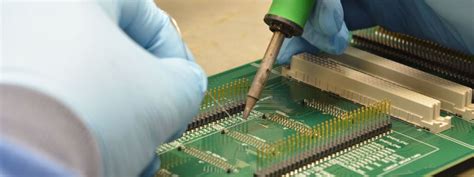
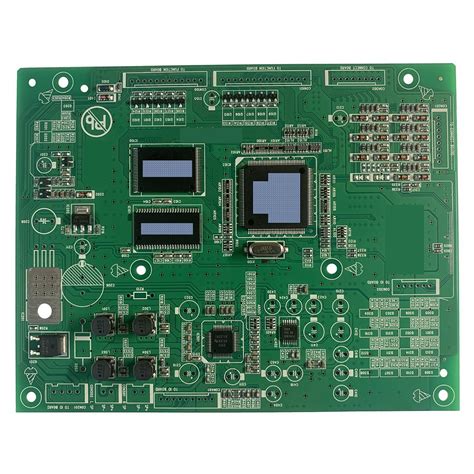
Contract PCB assembly (PCBA) refers to the outsourcing partnership between electronics manufacturers and specialized service providers that handle the intricate process of assembling electronic components onto printed circuit boards. This collaboration is pivotal in modern electronics production, allowing companies to focus on their core competencies while enhancing overall operational efficiency. By leveraging expertise in PCB assembly, organizations can significantly reduce production costs and time-to-market. The pcba process encompasses several stages, including design validation, component procurement, assembly, testing, and quality assurance. This comprehensive approach not only streamlines production but also fosters innovation as manufacturers explore advanced technologies such as automation and precision engineering. Furthermore, establishing strong relationships with contract manufacturers can facilitate resource sharing and knowledge exchange, ultimately contributing to a more dynamic and responsive tech ecosystem. Embracing contract PCB assembly opens doors for scalability and flexibility in response to market demands while driving efficiencies that are crucial for success in the highly competitive electronics landscape.
Key Benefits of Contract PCB Assembly in Electronics Manufacturing
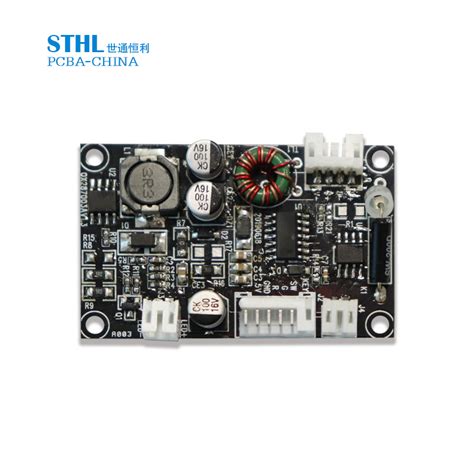
Contract PCB assembly (PCBA) has gained significant traction in the electronics manufacturing landscape, offering a range of advantages that cater to the diverse needs of businesses. One of the primary benefits is enhanced efficiency; by outsourcing PCB assembly, companies can focus on their core competencies while leveraging the expertise of specialized providers. This results in faster turnaround times and improved productivity, enabling manufacturers to bring their products to market more rapidly.
Additionally, engaging in contract PCBA allows for significant cost reduction. Organizations can eliminate the overhead associated with maintaining in-house manufacturing capabilities, such as equipment costs and labor expenses. Instead, they can allocate resources more strategically across other areas of their operations.
| Benefit | Description |
|---|---|
| Enhanced Efficiency | Streamlined processes and faster production cycles |
| Cost Reduction | Lower operational overhead and better resource allocation |
| Access to Advanced Technology | Utilization of cutting-edge equipment and methods |
| Expertise | Leverage specialized skills and industry knowledge |
Another critical advantage is the access to advanced technology that contract PCB assembly providers offer. Many third-party manufacturers invest in state-of-the-art machinery and are at the forefront of technological innovations, ensuring high-quality standards and compliance with industry regulations.
Moreover, forming partnerships with contract assembly firms often leads to improved flexibility. As demand fluctuates, businesses can scale production up or down without facing the financial burden of unused capacity.
“Collaboration with a reliable contract PCB assembly partner is essential for staying competitive in today’s fast-paced market.”
In summary, the strategic use of contract PCB assembly not only promotes operational effectiveness but also fosters innovation within electronics manufacturing. It equips companies with a multitude of competitive advantages that are crucial for success in a rapidly evolving tech landscape.
Best Practices for Efficient Contract PCB Assembly
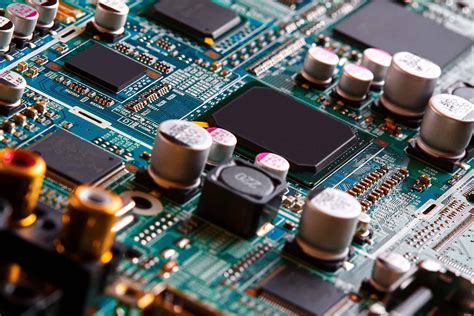
To achieve optimal results with contract PCB assembly, businesses should prioritize a blend of strategic planning and meticulous execution. Start by selecting a PCB assembly partner that understands your specific requirements and capabilities. Conducting thorough research and due diligence ensures that you align with a provider capable of delivering high-quality PCBA solutions. Furthermore, implementing advanced tools such as electronic design automation (EDA) software can facilitate design accuracy and enhance collaboration between teams, ultimately minimizing the risk of errors during the assembly process.
Establishing clear communication channels between your internal team and the contract manufacturer is also vital. Regular updates, constructive feedback, and transparent sharing of technical documentation create pathways for continuous improvement. It’s equally important to engage in rigorous testing protocols to ascertain the reliability and functionality of the assembled PCBs before they are deployed in final products. Leveraging automation in certain phases of production can also help streamline workflows, reduce labor costs, and increase efficiency without compromising quality.
By following these best practices, companies can navigate the complexities of contract PCB assembly with greater confidence, driving innovations that meet evolving market demands while ensuring customer satisfaction through reliable delivery timelines and product performance.
Strategic Partnerships: Elevating Your Contract PCB Assembly Success
Strategic partnerships play a crucial role in enhancing the success of contract PCB assembly (PCBA) operations by fostering collaboration and innovation among stakeholders. Businesses can leverage these alliances to gain access to specialized expertise, advanced technology, and a wider range of resources that streamline the pcb assembly process, ultimately driving greater efficiency. For instance, partnering with suppliers and manufacturers who excel in specific aspects of the pcb assembly ecosystem can lead to improved production timelines and higher quality products. These collaborations allow companies to share insights on best practices while adapting to market changes swiftly and effectively. Moreover, establishing strong relationships with logistics and distribution partners ensures that components are delivered on time, significantly reducing delays in the manufacturing cycle. By focusing on building effective strategic partnerships, organizations can not only enhance their pcba capabilities but also foster a culture of innovation that propels them ahead in an increasingly competitive tech landscape. In this dynamic setting, a robust network enables companies to respond proactively to emerging trends and challenges, ultimately securing their position as leaders in the electronics manufacturing sector.
Innovations in Technology: The Role of Contract PCB Assembly
In the realm of electronics manufacturing, contract PCB assembly (PCBA) has emerged as a transformative force driving innovation and efficiency. By outsourcing the PCB assembly process, companies can leverage expertise and advanced technologies that may be beyond their in-house capabilities. This collaborative approach not only enhances production speed but also minimizes costs while maintaining high standards of quality. As technologies evolve, features such as automation and AI integration in pcba processes enable manufacturers to achieve greater precision and scalability. Moreover, innovation in materials, such as flexible circuits and high-density interconnects (HDI), further amplifies the functional potential of assembled circuits. The adaptability inherent in contract PCB assembly allows businesses to respond swiftly to changing market demands while experimenting with cutting-edge technologies without overstretching their resources. By forging strong partnerships with specialized assembly services, companies can capitalize on emerging trends and position themselves favorably in the competitive landscape of electronics manufacturing. This fusion of innovation and partnership exemplifies how pcba can redefine operational paradigms, leading to more dynamic product offerings and enhanced customer satisfaction in today’s tech-driven world.

Navigating Challenges in Contract PCB Assembly
Navigating the complexities of contract PCB assembly (PCBA) requires a strategic approach to overcome various obstacles that may arise during the manufacturing process. One significant challenge is ensuring consistent quality throughout production. Poor quality control can lead to defects, which not only delay the production timeline but can also incur substantial costs. To address this, establishing stringent quality assurance protocols is essential. Another challenge involves maintaining effective communication with suppliers and partners. Clear and concise communication can significantly reduce misunderstandings and misalignments in project specifications, ensuring that the final product meets both design and functional expectations.
Additionally, fluctuations in component prices and availability can impact the overall budgeting of a project. Implementing robust inventory management practices can help mitigate these risks by anticipating market changes and securing necessary components ahead of time. Another critical factor is the integration of new technologies into the pcb assembly process, which can enhance efficiency but also demand significant training for personnel involved. Thus, investing in workforce development is vital for fostering adaptability to these technological advancements.
Finally, staying abreast of regulatory compliance requirements poses a continuous challenge within today’s dynamic tech landscape. Actively engaging with industry regulations and standards not only safeguards against potential legal issues but also reinforces customer trust and satisfaction in the pcba services offered. By addressing these challenges with proactive strategies, organizations can enhance their operational efficiency and strengthen their positioning in the competitive electronics manufacturing sector.
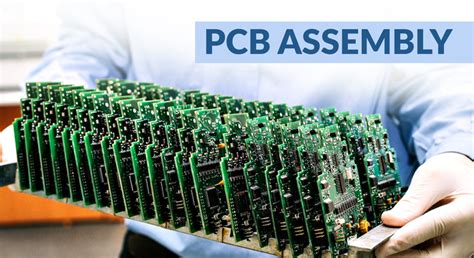
Future Trends in Contract PCB Assembly within the Tech Landscape
As technology continues to advance at an unprecedented pace, the landscape of contract PCB assembly (PCBA) is set to evolve significantly. One of the most notable trends is the increasing demand for flexible manufacturing capabilities, allowing companies to switch between different products quickly and efficiently. This adaptability is crucial as consumer preferences shift rapidly and product lifecycles shorten. Additionally, there is a burgeoning interest in sustainable practices, with manufacturers seeking environmentally friendly materials and processes in their pcb assembly operations. The integration of advanced automation and artificial intelligence in pcba processes also promises to enhance precision and reduce time-to-market, thereby increasing overall productivity. Furthermore, as industries embrace the Internet of Things (IoT), the complexity of electronic devices demands more sophisticated assembly techniques. This presents opportunities for contract manufacturers to innovate their methodologies, leveraging state-of-the-art technology to meet client specifications. Ultimately, by staying abreast of these trends, organizations engaged in contract PCB assembly can position themselves as leaders in the ever-evolving tech landscape.
Conclusion
In summary, contract PCB assembly (PCBA) stands as a crucial component in optimizing the efficiency and effectiveness of electronics manufacturing. Companies that leverage contract PCB assembly can realize significant benefits, such as reduced production costs, improved product quality, and enhanced speed to market. Through a collaborative approach, strategic partnerships enable firms to access a wider range of resources and expertise, ultimately leading to innovative solutions and customized products that meet the demands of an increasingly competitive landscape. As technology continues to evolve, embracing the latest advancements in PCBA processes not only enhances operational capabilities but also fosters a culture of continuous improvement and adaptability. Understanding these dynamics is essential for businesses looking to thrive in the ever-changing tech environment while navigating potential challenges effectively. By prioritizing thoughtful strategies and practices, organizations can position themselves at the forefront of their industries, ensuring sustainable growth and success in their PCB assembly endeavors.
FAQs
What is contract PCB assembly?
Contract PCB assembly, often referred to as PCBA, is the outsourcing of the manufacturing process needed to create printed circuit boards. This service encompasses all stages of production, from component sourcing to soldering and testing.
What are the key benefits of using contract PCB assembly services?
Utilizing contract PCB assembly can significantly enhance efficiency in the manufacturing process. Companies can leverage specialized expertise, access advanced technology, and reduce operational costs. Furthermore, it allows firms to focus on core competencies while leaving assembly responsibilities to dedicated professionals.
How to choose a reliable contract PCB assembly partner?
Choosing a reliable partner involves assessing their industry experience, quality assurance processes, and customer feedback. Look for providers who demonstrate a thorough understanding of PCB assembly processes and have a robust track record in delivering quality products.
What challenges might arise during contract PCB assembly?
While engaging in contract PCB assembly, companies might face challenges related to communication, logistical issues, and quality control. Establishing clear communication channels and setting strong quality metrics can help mitigate these challenges effectively.