Streamlining Success with Turnkey PCB Manufacturing Solutions
Key Takeaways
Turnkey PCB manufacturing is pivotal in optimizing the production workflows of electronic components. By integrating various stages of PCB assembly into a single service, companies can streamline their operations significantly. This holistic approach simplifies the often complex processes involved in PCBA, reducing the need for multiple suppliers and minimizing communication breakdowns. One of the primary advantages of utilizing turnkey solutions is the efficiency it brings to project execution. Manufacturers can achieve faster turnaround times, which is crucial in today’s fast-paced market. Moreover, as production scales, cost reduction becomes more pronounced, enabling businesses to compete effectively while maintaining quality. It’s essential to choose a reliable turnkey PCB partner who not only offers innovative solutions but also showcases proven success in similar projects. As such, businesses seeking enhanced operational efficiency and cost savings through turnkey PCB manufacturing should carefully consider these factors to ensure they make informed decisions for future endeavors.
Understanding Turnkey PCB Manufacturing: An Overview
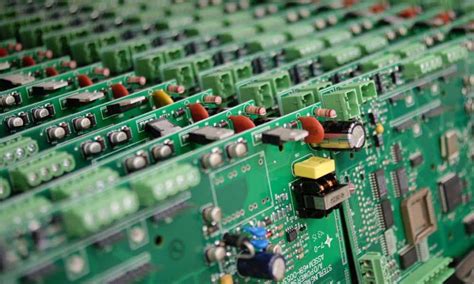
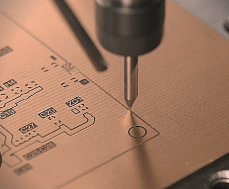
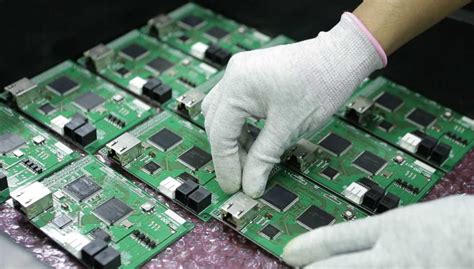
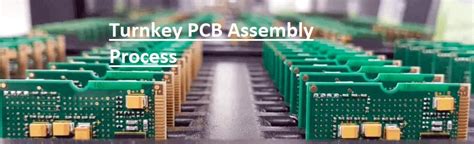
Turnkey PCB manufacturing represents a comprehensive solution for companies seeking to simplify their production processes. This approach combines various stages of PCB assembly into a single, streamlined package, thereby reducing the complexity typically associated with multiple suppliers. By opting for turnkey services, businesses can benefit from integrated solutions that cover everything from design and prototyping to testing and assembly.
One of the major advantages of this model is its potential for enhanced efficiency. Instead of juggling different vendors, managing timelines, and aligning multiple schedules, companies can work with a single partner who oversees the entire PCBA process. This not only boosts productivity but also minimizes the risk of miscommunication and delays that often arise in fragmented supply chains.
Moreover, turnkey PCB solutions are designed to adapt to specific project needs. Providers often leverage advanced technologies and innovations that contribute to superior quality assurance throughout the manufacturing cycle. For instance, automating assembly lines or employing cutting-edge inspection methods ensures that only well-tested products reach the market.
While selecting a provider for turnkey manufacturing, it is crucial to consider their expertise in both design and production. A reliable partner should demonstrate a strong track record in previous PCBA projects along with a commitment to ongoing innovation.
In the table below, we outline key attributes to evaluate when choosing a turnkey PCB manufacturer:
| Attribute | Importance |
|---|---|
| Experience | A strong portfolio in related projects ensures reliability |
| Technology Adoption | Use of advanced techniques guarantees high-quality products |
| Communication | Clear channels enhance collaboration and support |
| Cost Competitiveness | Competitive pricing can lead to better margins |
“Success in PCB assembly isn’t just about building circuits; it’s about creating lasting partnerships that drive innovation.”
In summary, understanding the nuances of turnkey PCB manufacturing is essential for achieving streamlined production and cost-efficient outcomes in today’s competitive marketplace.
The Benefits of Turnkey Solutions in PCB Production
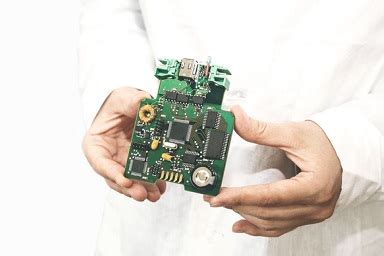
Turnkey solutions in PCB production have emerged as a transformative approach, delivering substantial advantages that enhance overall efficiency and effectiveness. One of the primary benefits is the streamlined process that these solutions offer. By centralizing all aspects of PCB assembly—from design to manufacturing and testing—turnkey services facilitate a seamless workflow. This integration not only reduces lead times but also minimizes communication breakdowns that can often arise with traditional manufacturing models, resulting in a more cohesive project execution.
Additionally, these solutions provide access to innovative technologies and expertise within the PCBA domain, which can lead to improved product quality. With a focus on cutting-edge techniques and accurate methodologies, businesses can achieve higher defect rates while maintaining lower production costs. Furthermore, turnkey partners often employ robust quality assurance protocols that ensure each assembly is rigorously tested before reaching the market.
Cost efficiency is another significant advantage; by outsourcing entire processes to specialists, companies can mitigate expenses associated with overhead and employee training. The elimination of redundant stages allows organizations to allocate resources more effectively and achieve quicker returns on investment.
By harnessing turnkey PCB manufacturing, organizations not only streamline operations but also foster an environment conducive to innovation and growth—vital for staying competitive in today’s fast-paced electronics landscape. Overall, adopting turnkey solutions translates into not just operational gains but paves the way for long-term success within the industry.
Innovations Driving Efficiency in PCB Manufacturing
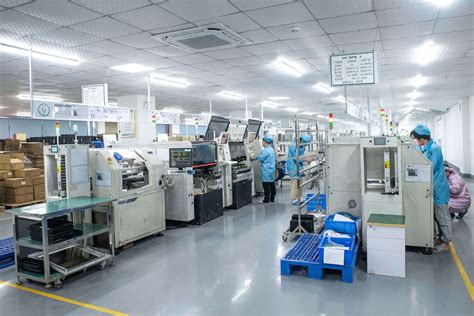
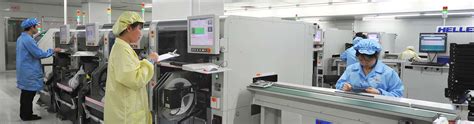
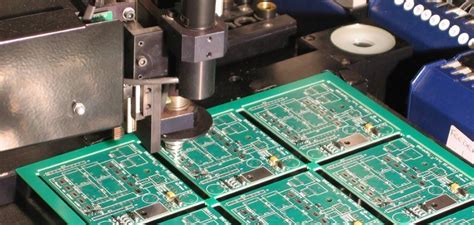
The landscape of PCB manufacturing has significantly evolved with the advent of innovative technologies that prioritize efficiency and cost-effectiveness. Today’s manufacturers are increasingly adopting automated processes such as pick-and-place machines and advanced robotic assembly, which streamline PCB assembly and enhance the precision of each operation. Additionally, the integration of software solutions for real-time monitoring allows for intelligent tracking, ensuring that any issues can be addressed promptly without halting production. This level of automation contributes not only to faster turnaround times but also to maintaining high-quality standards in the finished product. Moreover, innovations such as machine learning algorithms are being employed to predict equipment failures and optimize maintenance schedules, reducing unexpected downtimes. As we look deeper into pcba processes, we see the emergence of smart manufacturing practices that utilize data analytics to improve decision-making processes, further driving efficiency and innovation in turnkey PCB solutions. The convergence of these technologies not only accelerates production timelines but also allows companies to remain competitive in an ever-evolving market landscape, highlighting the importance of investing in turnkey services that leverage these advancements for optimal project execution.
Cost Reduction Strategies through Turnkey Services
One of the most compelling advantages of turnkey PCB manufacturing is its ability to significantly reduce costs associated with electronics production. By integrating various phases of the manufacturing process, from design to PCB assembly (PCBA), turnkey solutions eliminate redundancy and enhance overall operational efficiency. This holistic approach allows companies to minimize individual component sourcing, thereby reducing both the time and costs involved in managing multiple suppliers. Additionally, turnkey partners often leverage economies of scale, providing access to advanced technology and superior materials at lowered prices. As a result, businesses can achieve substantial savings while maintaining high quality standards for their products. By focusing on streamlined production, companies can allocate resources more effectively, investing in innovation rather than grappling with cumbersome logistics or excess inventory handling linked to traditional PCB manufacturing approaches. In doing so, they effectively turn their focus towards strategic growth opportunities rather than burdening themselves with operational inefficiencies that can erode profit margins. The implementation of turnkey services not only leads to reduced costs but also fosters a more agile production timeline, enabling organizations to respond quickly to market demands or changes in design specifications without incurring significant overheads.
Key Factors to Consider When Choosing a Turnkey PCB Partner
Selecting the right turnkey PCB partner is crucial for ensuring the success of your project’s PCB assembly needs. One significant factor to consider is the partner’s level of experience and expertise in the industry. A company with a solid track record in pcba will not only have the technical knowledge required but also a deep understanding of the complexities involved in various projects, which can help mitigate risks. Additionally, evaluate their capacity for scalability; as your production demands increase, it’s imperative that your turnkey PCB partner can adapt to accommodate growth without compromising on quality.
Another important aspect to scrutinize is their technological capabilities. The use of state-of-the-art equipment and innovative processes can significantly impact efficiency and reliability in production timelines. Furthermore, assess their commitment to quality assurance and testing procedures. A comprehensive quality control system ensures that every component meets industry standards, which is particularly important in pcba processes where precision is critical.
Lastly, consider the level of customer service and support offered by potential partners. A responsive team that provides clear communication throughout the manufacturing process can be invaluable, helping to expedite issue resolution and foster a collaborative working relationship. By focusing on these key factors—experience, technological competency, commitment to quality, and customer service—you can make a more informed decision when selecting a turnkey PCB partner, ultimately leading to smoother project execution and successful outcomes.
Case Studies: Successful Projects with Turnkey PCB Solutions
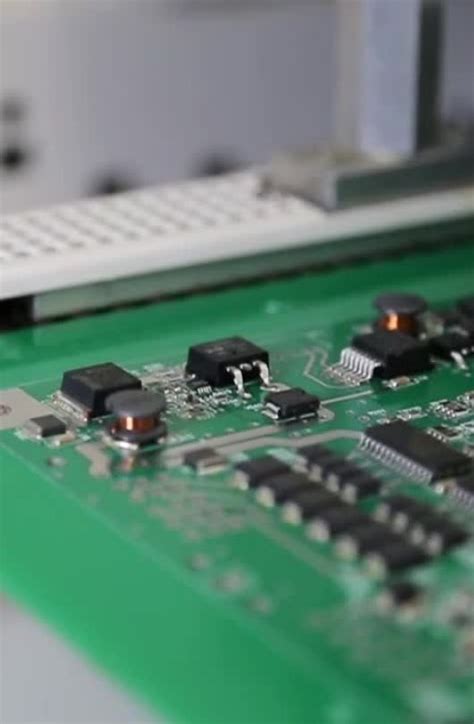
Examining real-world applications of turnkey PCB manufacturing reveals significant advantages for companies that have adopted this approach. One notable example is a tech startup that needed to rapidly develop a new consumer electronics product. By leveraging turnkey PCB solutions, the company streamlined its pcb assembly process, allowing for a faster time to market. The ability to have everything managed under one roof—from design to final assembly—ensured high-quality outputs and minimized communication breakdowns. Another case involved an automotive manufacturer facing challenges with their supply chain. By collaborating with a turnkey PCB partner, they managed to maintain efficiency while cutting lead times, as the integration of processes led to smoother transitions between different manufacturing stages. This not only reduced costs associated with delays but also enhanced the overall quality of the final product. Furthermore, these case studies underscore how adopting pcba innovations can lead to improved operational efficiencies, demonstrating that companies willing to invest in turnkey services can reap substantial rewards and achieve successful project execution.
Future Trends in the PCB Manufacturing Industry
As the PCB manufacturing sector evolves, several key trends are shaping its future. One significant trend is the shift towards more integrated solutions, where turnkey PCB manufacturing services increasingly encompass everything from design to pcba and delivery. This shift not only streamlines workflows but also enhances collaboration among stakeholders, leading to more innovative designs and quicker turnaround times. Furthermore, as technology advances, there is a growing emphasis on automation within PCB assembly processes. Automation reduces human error and improves efficiency, allowing manufacturers to produce high-quality products at a lower cost. Another emerging trend is the adoption of sustainable practices in pcb production to meet global environmental standards. Many companies are now prioritizing eco-friendly materials and processes in their operations. This not only appeals to environmentally-conscious consumers but also helps manufacturers stay competitive in a rapidly changing market. Additionally, the continued expansion of Internet of Things (IoT) applications is driving demand for more complex and therefore customized pcba solutions that cater to specific market needs. Overall, these trends indicate that the future of the PCB manufacturing industry will be defined by innovation, sustainability, and enhanced efficiency through integrated turnkey solutions.
Streamlining Your Production Process: Best Practices for Success
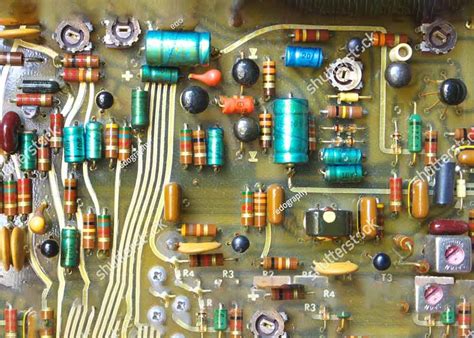
To effectively streamline your production process, embracing turnkey PCB manufacturing is crucial. By integrating pcb assembly within a singular framework, companies can significantly enhance workflow efficiency and reduce the complexity often associated with traditional manufacturing methods. Collaborating with a reliable turnkey PCB partner allows for seamless coordination from design to delivery, thereby minimizing the risk of delays and errors. Key practices involve leveraging advanced technologies that facilitate swift communication and transparency, allowing teams to stay aligned throughout the project lifecycle. Furthermore, adopting modular pcba solutions enables flexibility in design adjustments mid-production, ensuring timely responses to market demands. Regular evaluations of production metrics can also reveal innovative opportunities for further optimization, ensuring that resources are utilized effectively without compromising quality. Embracing these best practices not only fosters improved operational efficiency but also positions companies favorably in a competitive marketplace by delivering higher-quality products at reduced costs.
Conclusion
In conclusion, utilizing turnkey PCB manufacturing solutions significantly enhances the production process by providing a comprehensive approach that integrates all stages of PCB assembly. By working with a reliable partner, businesses can leverage state-of-the-art technologies and streamlined workflows, leading to impressive efficiency gains and reduced lead times in PCBA. The ability to manage the entire lifecycle of the product from design to delivery not only simplifies logistics but also minimizes potential errors associated with multi-vendor coordination. As industries continue to evolve and demand for high-quality, cost-effective solutions increases, adopting turnkey services will position companies favorably in an increasingly competitive landscape. Embracing these innovative practices ensures that organizations not only meet their current needs but are also well-prepared for future challenges in the PCB manufacturing sector. Thus, making informed decisions when selecting a turnkey PCB partner will directly impact project success and drive long-term growth.
FAQs
What is turnkey PCB manufacturing?
Turnkey PCB manufacturing is an all-in-one service that provides everything needed for PCB assembly, from design to fabrication and assembly. This service ensures that the entire production process is seamless and efficient.
What are the main advantages of using turnkey PCB solutions?
The main advantages include enhanced efficiency, cost reduction, and simplified project management. By using a single provider for all stages of production, companies can significantly reduce time-to-market and minimize errors.
How does turnkey manufacturing enhance efficiency in PCB production?
Turnkey solutions streamline communication between different stages of the process, helping to reduce delays and improve coordination. This leads to faster production cycles and a more cohesive workflow in PCB assembly.
Can turnkey services reduce costs in PCB manufacturing?
Yes, they can reduce costs through bulk purchasing of materials, lowered overhead expenses, and minimized waste during the manufacturing process. These savings can keep projects within budget while maintaining quality.
What should I consider when choosing a turnkey PCB partner?
When selecting a partner, consider their experience, quality standards, production capabilities, customer service, and turnaround times. Assessing past projects helps ensure that they can meet your specific needs in PCBA.
Are there any recent innovations in the PCB industry related to turnkey solutions?
Recent innovations include advanced software for design automation and improvements in manufacturing technologies that allow for faster and more precise PCBA processes. These developments help keep costs down while increasing production quality.