Streamlining Tech: Your Guide to Circuit Board Assembly Services
Key Takeaways
In today’s fast-paced technological landscape, understanding pcb assembly services is crucial for ensuring effective project execution. These services streamline multiple processes, leading to the efficient production of pcba without compromising on quality. By leveraging expert assembly solutions, developers can focus on innovation while outsourcing the intricate details of the assembly process. This not only enhances productivity but also aids in meeting tight deadlines. Recognizing the various benefits, such as reduced lead times and increased reliability, allows companies to make informed decisions. Moreover, implementing a few strategic tips can help in further optimizing circuit board projects, guaranteeing that every aspect is meticulously managed—from design to assembly. Ultimately, a robust understanding of pcb assembly services is vital for companies aiming to excel in tech development and maintain a competitive edge in the market.
Understanding Circuit Board Assembly Services
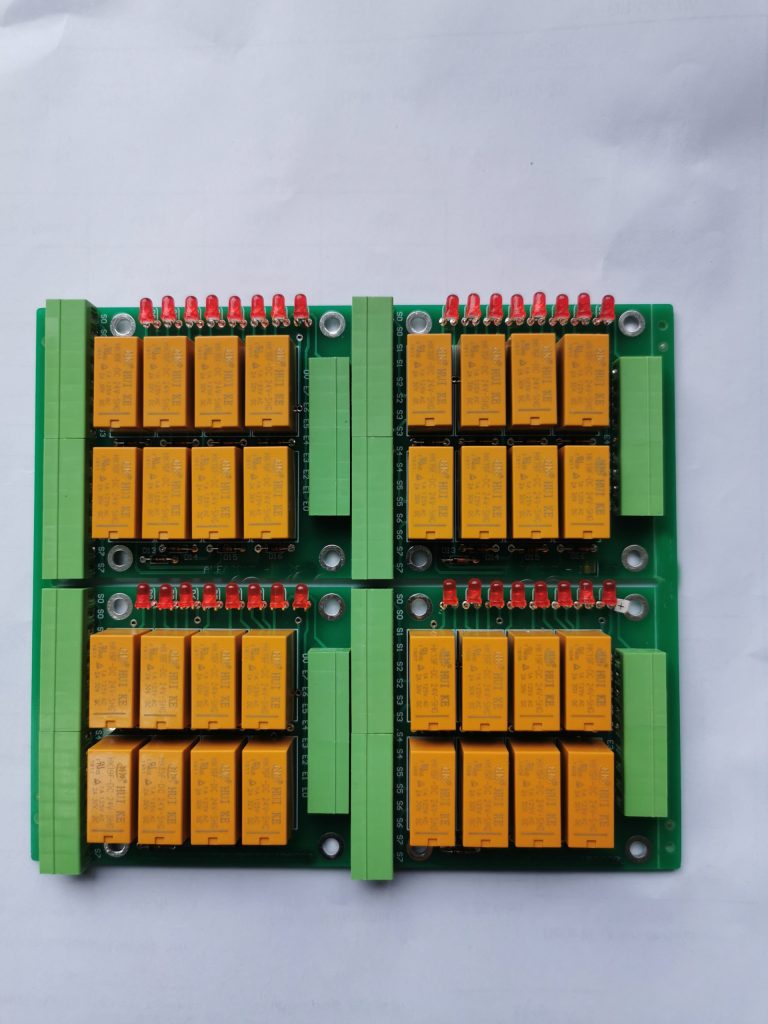
Circuit board assembly services, often referred to as pcb assembly or pcba, play a vital role in the tech development landscape. These services encompass the comprehensive processes involved in transforming electronic designs into fully-functional circuit boards. This typically includes tasks such as sourcing components, soldering, and testing, all aimed at ensuring that each circuit board meets the required specifications and standards. By leveraging professional circuit board assembly experts, developers can significantly enhance efficiency, ensuring that their projects progress smoothly and without unnecessary delays.
“A well-assembled circuit board is not just a component; it’s the backbone of your tech project.”
Understanding these services allows companies to focus on innovation while relying on specialized providers for high-quality production. Moreover, engaging professionals in pcba processes can help mitigate risks associated with errors, as these experts are equipped with the latest technology and methodologies. In essence, utilizing circuit board assembly services not only streamlines development timelines but also bolsters the reliability of end-products, ultimately leading to better customer satisfaction.
Key Processes in Circuit Board Assembly
The pcb assembly process involves several critical steps that are vital to achieving a reliable end product. Initially, it begins with design for manufacturability (DFM), wherein engineers ensure that the pcba design is optimized for assembly. This stage includes considerations like the types of components used, their placement, and overall board layout.
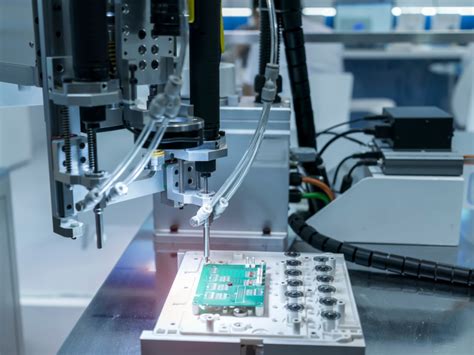
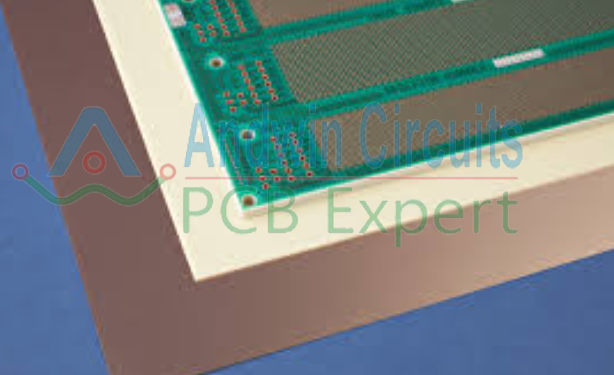
Following this, the printed circuit board (PCB) is fabricated, where raw materials are transformed into functional boards through techniques such as etching and laminating. Once fabrication is complete, the next crucial phase involves component placement. Automated machines are commonly used to place surface-mount devices accurately on the PCB, thereby enhancing precision and efficiency.
After placement, soldering takes place, either via reflow or wave soldering, securing the components permanently to the board. This step also plays a major role in ensuring that there are no cold solder joints or other potential issues impacting device reliability.
Finally, thorough testing is conducted through techniques such as functional testing and in-circuit testing to verify all connections and functionality before final assembly. Overall, mastery of these key processes will not only enhance productivity but also lead to significant improvements in overall project outcomes. Below is a summary of these key processes:
| Step | Description |
|---|---|
| Design for Manufacturability | Optimize design for assembly to ensure efficiency |
| PCB Fabrication | Transform materials into functional boards |
| Component Placement | Use automated systems for precise component placement |
| Soldering | Secure components through reflow or wave soldering |
| Testing | Conduct various testing methods to ensure board functionality |
Understanding these processes can guide you towards making informed decisions regarding your circuit board assembly services, ultimately leading to enhanced reliability and quality in your tech development projects.
Benefits of Utilizing Assembly Services for Tech Development
The integration of pcb assembly services into tech development offers numerous advantages that can significantly affect the efficiency and reliability of projects. First and foremost, pcba services provide access to specialized expertise and advanced technology, allowing for high-quality assembly that meets rigorous standards. By leveraging these services, companies can reduce the time spent on assembly processes, allowing their teams to focus on core competencies such as design and innovation. Moreover, utilizing assembly services can lead to economies of scale; these providers often manage large volumes of components and materials more effectively than smaller in-house operations. As a result, the cost per unit can diminish while maintaining or even enhancing quality. Furthermore, the collaboration with experienced manufacturers helps to identify potential production issues early in the process, minimizing costly revisions later. Ultimately, embracing pcb assembly services enables organizations to streamline their projects and ensure a more reliable outcome throughout the development lifecycle.
Tips for Streamlining Your Circuit Board Projects
When embarking on a pcb assembly project, it’s essential to implement systematic strategies that elevate efficiency and accuracy. One effective approach is to engage in thorough pre-production planning. This involves creating detailed specifications and documentation before the pcba process begins, ensuring that all components are known and accounted for. Additionally, adopting advanced software tools can facilitate better design verification and provide visual insights into the assembly layout, which can help prevent costly errors.
Another key strategy lies in selecting a qualified service provider with a proven track record in circuit board assembly services. Look for partners who utilize state-of-the-art technology and adhere to industry standards. This selection not only influences the quality of your pcb assembly but also streamlines communication throughout the assembly process.
Implementing lean manufacturing principles can further enhance productivity. Identify areas where waste can be reduced—be it time, materials, or labor—and focus on optimizing those processes without compromising on quality. Regular feedback loops with your assembly team will also ensure continuous improvement throughout the lifecycle of your project.
Finally, cultivate a collaborative environment between designers and assemblers. By encouraging open communication, you can mitigate misunderstandings early on and achieve superior results in your pcba projects. These combined strategies will help ensure that your circuit board assemblies meet both functional requirements and market demands efficiently.
Ensuring Quality Control in Circuit Board Assembly
Ensuring quality control in circuit board assembly is paramount to achieving a reliable final product. The pcba process involves several complex steps where meticulous attention to detail is essential. Initially, it’s critical to establish a rigorous set of quality standards that align with industry regulations. This includes consistent testing of materials and components prior to assembly to prevent defects. Throughout the pcb assembly process, real-time monitoring of workmanship and technique is necessary; employing automated optical inspection systems can be invaluable for identifying potential faults early on. Additionally, implementing a thorough validation process ensures that all assembled boards meet the desired specifications before they are dispatched. Regular audits and reviews of the assembly lines further bolster quality assurance efforts, fostering a culture of continuous improvement and ultimately enhancing the overall efficiency in tech development. Adhering to these practices not only heightens the quality of individual assemblies but also reinforces the credibility of your organization in delivering high-quality products in a competitive market.
Cost-Effective Strategies for Assembly Service Selection
When it comes to selecting assembly services for your pcb assembly needs, implementing cost-effective strategies is essential for maximizing your investment. One of the first steps is to conduct thorough research on various providers, comparing their pcba offerings and overall service quality. Look for companies that provide transparent pricing models and reveal all associated costs upfront to avoid unexpected expenses. Additionally, consider the ultimate volume of production you’ll need, as many firms offer tiered pricing that benefits larger orders. When evaluating prospective partners, also examine their supply chain capabilities; a well-integrated supply chain can lead to reduced delays and lower costs. It’s vital to assess not only the initial pricing but also the potential for long-term partnership advantages, such as scalability, reduced lead times, and enhanced product reliability with fewer errors during assembly. Moreover, exploring local manufacturers can sometimes yield savings on shipping and tariffs, ensuring that your pcb assembly project remains within budget. Ultimately, by evaluating these key factors and making informed decisions, you can effectively streamline your selection process while ensuring quality in every step of your pcba project.
Future Trends in Circuit Board Manufacturing and Assembly
The landscape of pcb assembly is continually evolving, driven by advancements in technology and the increasing demand for higher efficiency and shorter lead times. One prominent trend is the integration of automation in pcba processes, leading to faster production cycles and reduced labor costs. Automated systems, combined with artificial intelligence, analyze data to predict potential defects, enhancing both quality and reliability. Sustainable practices are also becoming crucial, with manufacturers seeking eco-friendly materials and processes that minimize waste. Furthermore, the shift towards miniaturization necessitates sophisticated pcb assembly techniques capable of handling intricate designs without compromising functionality. The incorporation of IoT (Internet of Things) technology is another significant trend; it allows for real-time monitoring during the assembly phase, facilitating immediate adjustments that optimize performance outcomes. Companies are increasingly adopting modular assembly techniques to enhance flexibility and scalability in their production lines, enabling quick adaptation to market demands. As these trends unfold, they not only improve operational efficiency but also position businesses favorably in a competitive global market focused on innovation and reliability in pcba services.
Common Challenges and Solutions in Circuit Board Projects
When embarking on pcb assembly initiatives, several challenges can arise, impacting overall project efficiency and outcomes. One common issue is the complexity of circuit design. As designs become more intricate, the risk of errors during the pcba process increases. To mitigate this, utilizing advanced design software that can automatically check for errors is essential. Additionally, communication gaps among stakeholders can lead to misunderstandings that affect timelines and quality. Establishing clear channels of communication and regular updates can greatly enhance collaboration. Another challenge is sourcing high-quality components; inferior parts can compromise the reliability of the final product. Partnering with reputable suppliers and insisting on strict quality checks can alleviate this concern. Furthermore, managing timelines effectively poses a significant hurdle in circuit board assembly projects. Implementing agile project management practices can help teams stay on schedule while remaining flexible enough to adapt to unforeseen obstacles. By anticipating these challenges and proactively addressing them with effective strategies, organizations can streamline their pcb assembly projects for improved efficiency and reliability overall.
Conclusion
In summary, understanding pcb assembly and its associated processes is essential for optimizing tech development. By leveraging pcba, companies can significantly enhance their operational efficiency through streamlined project completion. The key takeaway is that utilizing professional circuit board assembly services not only mitigates potential errors but also ensures that the end product meets high standards of quality and reliability. As the industry evolves, remaining informed about best practices in quality control and monitoring emerging trends will empower businesses to address common challenges head-on. When teams prioritize effective assembly strategies, they lay the groundwork for successful product launches, fostering innovation and growth in the ever-competitive tech landscape. Thus, investing in competent circuit board assembly services emerges as a worthwhile strategy to elevate project outcomes and future-proof development initiatives.
FAQs
What is PCB Assembly (PCBA)?
PCB assembly (PCBA) refers to the process of soldering electronic components onto a circuit board to create fully functional electronic devices.
What are the main steps in the PCB assembly process?
The main steps in the pcb assembly process include design, prototyping, component placement, soldering, and final testing.
How can I improve efficiency in my PCB assembly projects?
To enhance efficiency, focus on clear design specifications, choose reliable suppliers for components, and utilize automated processes where feasible.
What advantages come with outsourcing PCB assembly services?
Outsourcing pcba services can lead to cost savings, access to expert knowledge, improved turnaround times, and scalability in production.
How do I ensure quality in PCB assembly?
Implement strict quality control measures such as checking components before assembly, conducting regular inspections during production, and performing thorough testing on completed assemblies.
What common challenges do people face with PCB assemblies?
Common challenges include component shortages, alignment issues during placement, and difficulties in achieving required tolerances during soldering.
For more insights and to explore comprehensive circuit board assembly services, please click here: Andwin PCB Assembly Services.