The Comprehensive Guide to LED Light Circuit Boards
Introduction
Light Emitting Diodes (LEDs) have revolutionized the lighting industry with their energy efficiency, longevity, and versatility. At the heart of every LED lighting system lies the LED light circuit board, a crucial component that ensures the proper functioning of the LEDs. This article delves into the intricacies of LED light circuit boards, exploring their design, types, materials, manufacturing processes, and applications.
Understanding LED Light Circuit Boards
What is an LED Light Circuit Board?
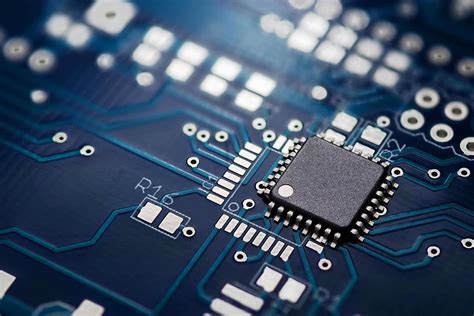
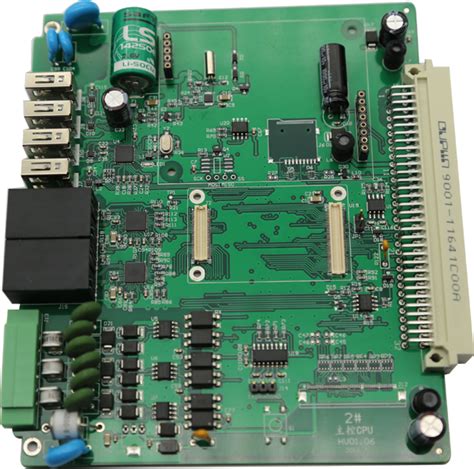
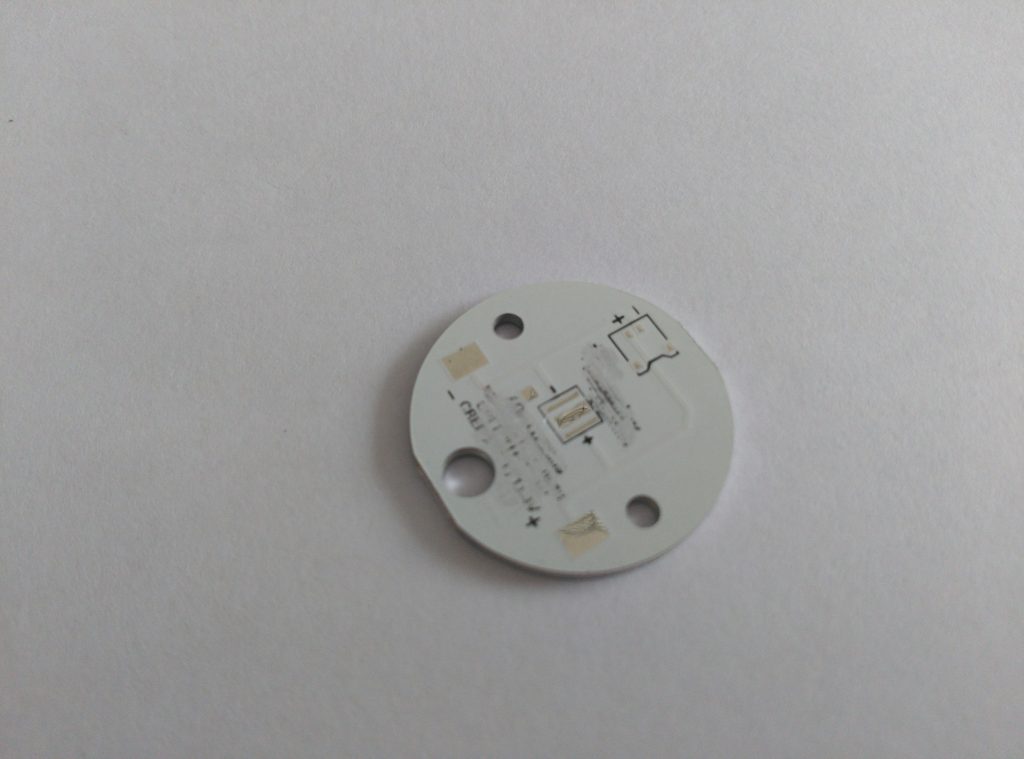
An LED light circuit board, also known as an LED PCB (Printed Circuit Board), is a specialized board designed to support and connect LEDs. It provides the necessary electrical connections and thermal management to ensure optimal performance and longevity of the LEDs.
Key Components of an LED Light Circuit Board
- Substrate Material: The base material of the PCB, which can be made of various materials such as FR-4, metal core (e.g., aluminum), or ceramic.
- Conductive Traces: Copper pathways that connect the LEDs and other components electrically.
- Solder Mask: A protective layer that prevents short circuits and corrosion.
- Silkscreen: Labels and markings for component placement and identification.
- Thermal Vias: Small holes that help dissipate heat from the LEDs to the other side of the board.
Types of LED Light Circuit Boards
Single-Layer PCBs
Single-layer PCBs are the simplest type, with conductive traces on one side of the substrate. They are cost-effective and suitable for basic LED applications.
Double-Layer PCBs
Double-layer PCBs have conductive traces on both sides of the substrate, allowing for more complex circuits and better thermal management.
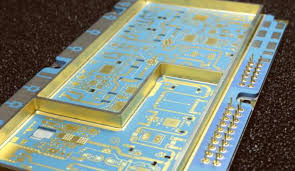
Multilayer PCBs
Multilayer PCBs consist of multiple layers of conductive traces separated by insulating layers. They are used in high-density and high-performance LED applications.
Metal Core PCBs (MCPCBs)
MCPCBs have a metal core, typically aluminum, which provides excellent thermal conductivity. They are ideal for high-power LED applications where heat dissipation is critical.
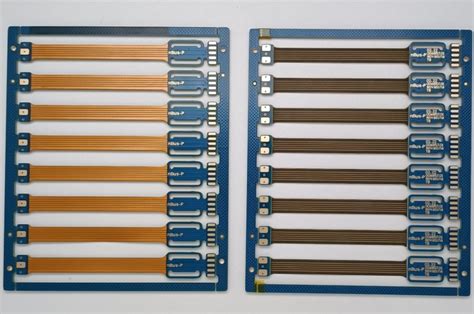
Flexible PCBs
Flexible PCBs are made from flexible materials, allowing them to bend and conform to various shapes. They are used in applications where space is limited or where the LED light needs to be mounted on a curved surface.
Materials Used in LED Light Circuit Boards
Substrate Materials
- FR-4: A common and cost-effective material made from woven fiberglass and epoxy resin. It is suitable for low to medium power LED applications.
- Aluminum: Used in MCPCBs, aluminum provides excellent thermal conductivity and is ideal for high-power LEDs.
- Ceramic: Offers superior thermal performance and electrical insulation, making it suitable for high-performance LED applications.
Conductive Materials
- Copper: The most commonly used material for conductive traces due to its excellent electrical conductivity and thermal properties.
- Silver: Used in some high-performance applications for its superior conductivity, though it is more expensive than copper.
Solder Mask Materials
- Epoxy: A common material for solder masks, providing good protection and durability.
- Liquid Photoimageable Solder Mask (LPSM): Offers precise application and is used in high-density PCBs.
Silkscreen Materials
- Epoxy Ink: Durable and resistant to heat and chemicals, making it suitable for labeling and marking on PCBs.
Manufacturing Process of LED Light Circuit Boards
Design and Layout
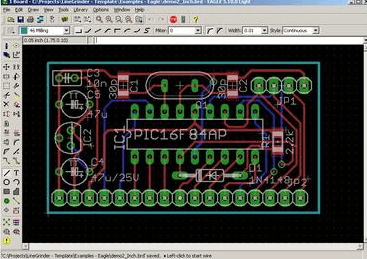
The first step in manufacturing an LED light circuit board is designing the circuit layout using CAD (Computer-Aided Design) software. The design includes the placement of LEDs, conductive traces, and other components.
Printing the Circuit
The circuit design is printed onto the substrate using a photolithography process. A photosensitive layer is applied to the substrate, exposed to UV light through a mask, and then developed to create the circuit pattern.
Etching
The unwanted copper is removed from the substrate using a chemical etching process, leaving behind the desired conductive traces.
Drilling
Holes are drilled into the substrate for through-hole components and thermal vias. The holes are then plated with copper to ensure electrical connectivity.
Applying Solder Mask
A solder mask is applied to the board to protect the conductive traces and prevent short circuits. The solder mask is cured using UV light.
Silkscreen Printing
Labels and markings are printed onto the board using silkscreen printing to aid in component placement and identification.
Surface Finish
A surface finish is applied to the board to protect the copper traces and improve solderability. Common surface finishes include HASL (Hot Air Solder Leveling), ENIG (Electroless Nickel Immersion Gold), and OSP (Organic Solderability Preservative).
Assembly
The LEDs and other components are mounted onto the board using surface mount technology (SMT) or through-hole technology (THT). The components are soldered onto the board using reflow soldering or wave soldering.
Testing and Quality Control
The assembled LED light circuit board undergoes rigorous testing to ensure proper functionality and reliability. Tests include electrical testing, thermal testing, and visual inspection.
Applications of LED Light Circuit Boards
Residential Lighting
LED light circuit boards are widely used in residential lighting applications, including LED bulbs, downlights, and strip lights. They offer energy efficiency, long lifespan, and design flexibility.
Commercial Lighting
In commercial settings, LED light circuit boards are used in office lighting, retail lighting, and industrial lighting. They provide bright, consistent illumination and reduce energy costs.
Automotive Lighting
LED light circuit boards are used in automotive lighting applications, such as headlights, taillights, and interior lighting. They offer high brightness, durability, and energy efficiency.
Street Lighting
LED street lights use high-power LED light circuit boards to provide bright, energy-efficient illumination for roads and public spaces.
Horticultural Lighting
LED light circuit boards are used in horticultural lighting to provide the specific light spectra needed for plant growth. They are used in greenhouses, vertical farms, and indoor gardening.
Medical Lighting
In medical applications, LED light circuit boards are used in surgical lights, examination lights, and phototherapy devices. They offer precise control over light intensity and color.
Display and Signage
LED light circuit boards are used in electronic displays, billboards, and signage. They provide bright, vibrant colors and are energy-efficient.
Advantages of LED Light Circuit Boards
Energy Efficiency
LED light circuit boards are highly energy-efficient, converting a higher percentage of electrical energy into light compared to traditional lighting technologies.
Long Lifespan
LEDs have a long lifespan, often exceeding 50,000 hours of operation. This reduces the need for frequent replacements and maintenance.
Compact Design
LED light circuit boards are compact and lightweight, allowing for flexible and innovative lighting designs.
Thermal Management
Advanced thermal management techniques, such as metal core PCBs and thermal vias, ensure that LEDs operate at optimal temperatures, enhancing their performance and longevity.
Environmental Benefits
LEDs are free from hazardous materials such as mercury, making them environmentally friendly. They also contribute to reducing carbon emissions due to their energy efficiency.
Challenges and Considerations
Heat Dissipation
One of the primary challenges in LED light circuit board design is managing heat dissipation. High-power LEDs generate significant heat, which can affect performance and lifespan if not properly managed.
Cost
While LED light circuit boards offer long-term cost savings, the initial investment can be higher compared to traditional lighting technologies. However, the cost has been decreasing as the technology matures.
Design Complexity
Designing LED light circuit boards requires careful consideration of electrical, thermal, and mechanical factors. Advanced design tools and expertise are needed to create efficient and reliable boards.
Manufacturing Precision
The manufacturing process for LED light circuit boards requires high precision to ensure proper alignment of components and reliable electrical connections. Any defects can lead to performance issues or failure.
Future Trends in LED Light Circuit Boards
Miniaturization
As technology advances, LED light circuit boards are becoming smaller and more compact, enabling new applications in wearable technology, IoT devices, and portable lighting.
Smart Lighting
The integration of smart lighting technologies, such as IoT connectivity and wireless control, is driving the development of advanced LED light circuit boards with embedded sensors and communication modules.
Enhanced Thermal Management
Ongoing research and development are focused on improving thermal management techniques, such as advanced materials and innovative cooling solutions, to support higher power densities and improve LED performance.
Sustainable Materials
There is a growing trend towards using sustainable and eco-friendly materials in LED light circuit board manufacturing, reducing the environmental impact of electronic waste.
Customization and Flexibility
The demand for customized and flexible LED lighting solutions is increasing, leading to the development of flexible PCBs and modular designs that can be tailored to specific applications.
Conclusion
LED light circuit boards are a critical component in modern lighting systems, offering numerous advantages such as energy efficiency, long lifespan, and design flexibility. Understanding the different types, materials, and manufacturing processes is essential for designing and producing high-quality LED lighting solutions. As technology continues to evolve, LED light circuit boards will play an increasingly important role in shaping the future of lighting across various industries.