The Cost Breakdown: Unveiling the Secrets of PCB Manufacturing Equipment Expenses
Overview of PCB Manufacturing Equipment
When considering PCB manufacturing, understanding the intricacies of equipment costs is pivotal. The expenses associated with PCB manufacturing equipment can vary significantly depending on several key factors. First and foremost, the type and complexity of the machinery required play a crucial role in determining costs. More advanced equipment capable of handling intricate designs and high volumes naturally commands a higher price tag. Secondly, the scale of production also influences expenses; larger-scale operations often necessitate more robust and sophisticated machinery, thereby increasing overall costs. Additionally, technological advancements in the field continually drive changes in equipment specifications, impacting both initial purchase prices and long-term maintenance expenditures. Therefore, navigating the landscape of PCB manufacturing companies involves careful consideration of these factors to optimize PCB manufacturing cost efficiency while ensuring quality and reliability in production processes.
Introduction
Welcome to “The Cost Breakdown: Unveiling the Secrets of PCB Manufacturing Equipment Expenses.” In this article, we will delve into the intricate world of PCB manufacturing equipment costs and provide you with insights into the factors that influence expenses in this crucial industry sector.
When it comes to the pcb manufacturing business, understanding the costs associated with pcb manufacturing companies is vital for success. The price of PCB manufacturing equipment plays a significant role in determining its feasibility for businesses. By examining and comprehending the various cost components, you can make informed decisions and optimize your operations.
Overview of PCB Manufacturing Equipment
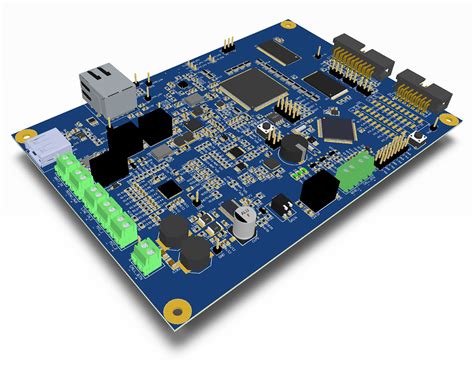
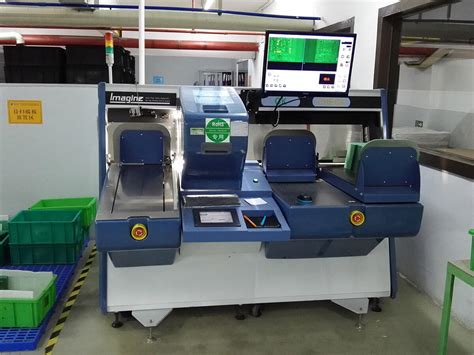
When considering the intricacies of PCB manufacturing, one of the foremost factors that influences expenses is the cost of equipment involved in the process. PCB manufacturing equipment encompasses a range of machinery and tools essential for producing printed circuit boards. These include PCB drilling machines, etching equipment, soldering stations, and inspection tools. The cost of these equipment pieces varies significantly based on several key factors. Firstly, the complexity and precision of the machinery heavily dictate their prices. High-precision machines equipped with advanced features for intricate board designs and fine-pitch components naturally command higher prices. Secondly, technological advancements play a crucial role in cost fluctuations. Newer models boasting improved efficiency, automation, and integration with digital systems often come at a premium. Moreover, maintenance and operational expenses constitute another critical aspect. Regular maintenance, calibration, and operational costs can accrue significantly over time, impacting the total cost of ownership for PCB manufacturing companies. Understanding these cost dynamics is vital for decision-makers in the PCB manufacturing business to optimize their investment strategies and ensure competitive positioning in the industry. For further insights into managing PCB manufacturing costs, explore resources provided by Andwin PCB Assembly.
Factors Affecting PCB Manufacturing Equipment Costs
When considering PCB manufacturing equipment costs, several crucial factors come into play that significantly influence expenses in this industry sector. Technological advancements have a profound impact, as newer equipment often boasts efficiency gains and enhanced capabilities, driving up initial investments but potentially reducing operational costs over time. Maintenance and operational expenses constitute another substantial component, as regular upkeep and energy consumption can accumulate significantly. The choice between various PCB manufacturing companies also affects costs, with some offering more competitive pricing or specialized solutions tailored to specific pcb manufacturing business needs. Moreover, the pcb manufacturing cost is heavily influenced by the complexity and scale of production requirements, where larger-scale operations may benefit from economies of scale while smaller enterprises might find niche providers more cost-effective. Understanding these dynamics is critical for businesses aiming to navigate the intricacies of pcb manufacturing and optimize their equipment investments effectively.
Cost Analysis of PCB Manufacturing Equipment Components
When considering the costs involved in PCB manufacturing, it’s crucial to delve into the specifics of manufacturing equipment expenses. The PCB manufacturing process relies heavily on specialized machinery, each component of which contributes significantly to the overall expenditure. PCB manufacturing companies face challenges in balancing quality, efficiency, and cost-effectiveness when acquiring these essential tools. Factors such as the precision of drilling and etching machines, the reliability of automated assembly equipment, and the efficiency of soldering stations all influence the cost breakdown. Innovations in PCB manufacturing technology, like advanced robotics and AI-driven quality control systems, present opportunities for reducing long-term operational expenses despite initial investment costs. When comparing different models of PCB manufacturing equipment, considerations extend beyond upfront prices to include maintenance requirements, energy efficiency, and adaptability to evolving industry standards. As PCB manufacturing businesses navigate these complexities, understanding the nuances of equipment costs becomes pivotal in maintaining competitive advantage and sustaining profitability in a dynamic market landscape.
Maintenance and Operational Expenses
When considering PCB manufacturing equipment, it’s crucial to account for ## Maintenance and Operational Expenses as significant components of overall costs. Regular maintenance ensures that your equipment operates at peak efficiency, reducing downtime and extending its lifespan. This includes routine inspections, lubrication of moving parts, and calibration of sensors. Operational expenses, on the other hand, encompass electricity costs, consumables such as solder and flux, and labor costs. Managing these expenses effectively is essential for maintaining competitiveness in the PCB manufacturing industry. Innovations in technology have also influenced these costs, with newer models often featuring energy-efficient designs and automated maintenance alerts, which can lower long-term operational expenditures. When comparing PCB manufacturing equipment models, consider these aspects closely to make informed decisions that align with your budget and production requirements.
Technological Advancements and Cost Implications
When considering PCB manufacturing equipment, technological advancements play a pivotal role in shaping cost implications. As pcb manufacturing companies strive to enhance productivity and precision, investing in state-of-the-art machinery becomes essential. The integration of advanced features such as automated calibration systems and real-time monitoring capabilities not only improves production efficiency but also increases initial pcb manufacturing cost. However, these innovations reduce long-term operational expenses by minimizing downtime and optimizing resource utilization. Moreover, the competitive landscape among pcb manufacturing businesses drives continuous innovation, prompting companies to adopt cutting-edge technologies to stay ahead. Therefore, while upfront pcb manufacturing equipment cost may appear high due to these advancements, the overall return on investment and enhanced product quality justify such expenditures in the dynamic pcb manufacturing business sector.
Comparison of Different PCB Manufacturing Equipment Models
When evaluating PCB manufacturing equipment, one of the pivotal considerations is the diversity of models available on the market today. Each model comes with distinct features and capabilities designed to cater to various pcb manufacturing needs and scales. For instance, some models specialize in high-volume production, boasting rapid throughput and efficient material usage, ideal for large-scale pcb manufacturing companies. Conversely, other models emphasize precision and flexibility, suitable for bespoke projects that require intricate designs and pcb manufacturing cost efficiency. The key lies in matching the right equipment to your specific pcb manufacturing business requirements, balancing initial investment with long-term operational savings. By thoroughly assessing the technical specifications and performance metrics of different PCB manufacturing equipment models, you can make an informed decision that aligns with your production goals and budget constraints.
Future Trends in PCB Manufacturing Equipment Costs
As pcb manufacturing technology advances, the landscape of pcb manufacturing companies is continually evolving. Keeping pace with these changes is crucial for understanding the future trajectory of pcb manufacturing equipment costs. One of the notable trends shaping the industry is the integration of advanced automation systems into manufacturing processes. These systems promise to streamline production, reduce human error, and enhance overall efficiency. Moreover, the demand for environmentally sustainable practices is pushing manufacturers to invest in equipment that minimizes energy consumption and waste generation, thereby influencing pcb manufacturing cost considerations. Another significant trend is the development of modular equipment designs, which allow for greater flexibility and scalability in production setups. This adaptability is essential for pcb manufacturing businesses seeking to adjust quickly to changing market demands without incurring substantial additional costs. Additionally, the ongoing research and development in material science are expected to lead to innovations in manufacturing equipment that offer improved performance and durability, albeit potentially at higher initial costs. Understanding these emerging trends is pivotal for stakeholders in the pcb manufacturing business, as they navigate the complexities of pcb manufacturing equipment investments in the years ahead.
Conclusion
In conclusion, understanding the cost breakdown of PCB manufacturing equipment expenses is crucial for businesses in the PCB manufacturing industry. By delving into the intricacies of these costs, companies can make informed decisions and optimize their operations.
Throughout this article, we have explored various factors that influence the expenses associated with PCB manufacturing equipment. From the cost analysis of components to maintenance and operational expenses, each aspect plays a significant role in determining the overall cost.
Furthermore, it is important to consider the impact of technological advancements on equipment costs. As new technologies emerge, manufacturers might need to invest in upgraded equipment or modify their existing machinery, which can add to their expenses.
Additionally, when evaluating different PCB manufacturing equipment models, businesses must carefully weigh their options. Factors such as performance, reliability, scalability, and compatibility should be taken into account before making a decision.
Looking ahead, it is expected that PCB manufacturing equipment costs will continue to evolve with market demands and technological advancements. As industry standards progress and new technologies emerge, there may be a shift in pricing structures or cost implications.
To thrive in the highly competitive PCB manufacturing business, companies must stay abreast of these market trends and plan their strategies accordingly. By keeping an eye on future trends, businesses can identify opportunities for cost optimization and prepare for potential challenges.
In conclusion, by understanding the intricacies of PCB manufacturing equipment costs and staying proactive in monitoring market changes and future trends, businesses can position themselves for success in this vital industry sector.
Keywords: pcb manufacturing , pcb manufacturing companies , pcb manufacturing cost , pcb manufacturing business