The Critical Role of PCB Sampling Manufacturers in Electronics Development
Introduction
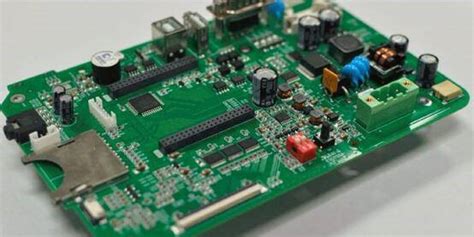
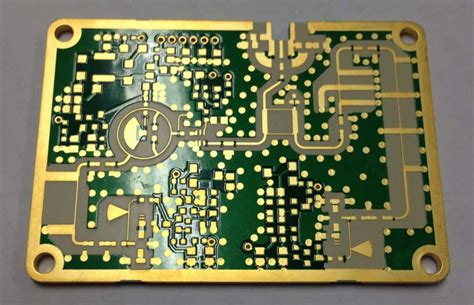
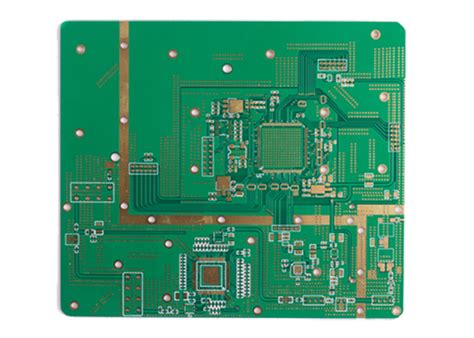
Printed Circuit Board (PCB) sampling is a crucial phase in the electronics manufacturing process, serving as a bridge between design and mass production. PCB sampling manufacturers specialize in producing small batches of prototype PCBs to validate designs before full-scale manufacturing. This step ensures that the PCB meets performance, reliability, and functionality requirements while minimizing costly errors in later stages.
This article explores the significance of PCB sampling manufacturers, their processes, key considerations when selecting a sampling partner, and the latest trends in PCB prototyping.
1. The Importance of PCB Sampling
1.1 Design Validation
Before committing to large-scale production, engineers and designers must verify that the PCB layout works as intended. Sampling allows for:
- Functional Testing – Confirming that the circuit operates correctly under real-world conditions.
- Signal Integrity Analysis – Ensuring minimal noise and proper signal transmission.
- Thermal Performance Checks – Identifying potential overheating issues.
1.2 Cost and Risk Reduction
Detecting flaws early in the sampling phase prevents expensive rework during mass production. A well-executed PCB prototype helps avoid:
- Design Errors – Incorrect component placement, routing mistakes, or impedance mismatches.
- Manufacturing Defects – Poor solderability, delamination, or misaligned layers.
- Compliance Issues – Failure to meet industry standards (e.g., IPC, RoHS).
1.3 Faster Time-to-Market
Rapid PCB sampling accelerates product development cycles, allowing companies to:
- Iterate Quickly – Make design adjustments based on test results.
- Meet Deadlines – Shorten the gap between prototyping and full production.
- Stay Competitive – Bring innovations to market faster than competitors.
2. The PCB Sampling Manufacturing Process
2.1 Design File Submission
The process begins when the customer submits design files (usually in Gerber, ODB++, or IPC-2581 format). Key files include:
- Schematic Diagrams – Defines electrical connections.
- Bill of Materials (BOM) – Lists required components.
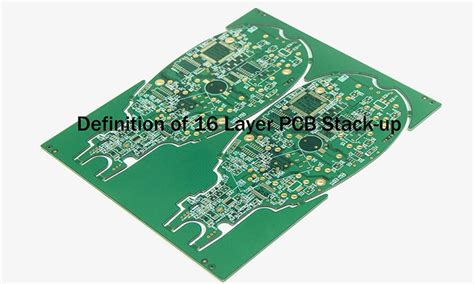
- Layer Stackup Details – Specifies material and thickness.
2.2 DFM (Design for Manufacturing) Analysis
A reputable PCB sampling manufacturer conducts a DFM check to identify potential manufacturing issues, such as:
- Insufficient Clearances – Traces too close to pads or vias.
- Incorrect Hole Sizes – Drilled holes that don’t match component leads.
- Unsupported Materials – Incompatible substrate or copper weights.
2.3 Prototype Fabrication
Once the design is approved, the manufacturer proceeds with fabrication, which involves:
- Material Selection – FR-4, Rogers, or flexible substrates.
- Layer Alignment – Ensuring precise registration for multilayer PCBs.
- Etching & Drilling – Creating conductive pathways and mounting holes.
- Solder Mask & Silkscreen Application – Protecting traces and adding labels.
2.4 Assembly (If Required)
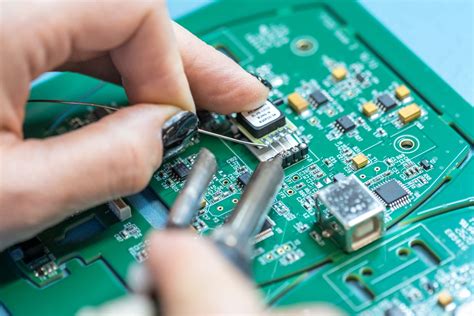
Some manufacturers offer PCBA (PCB Assembly) services, where components are soldered onto the board. This can be:
- Through-Hole Assembly (THA) – For larger, more durable components.
- Surface-Mount Technology (SMT) – For high-density, compact designs.
2.5 Testing & Quality Control
Before delivery, the PCB prototype undergoes rigorous testing:
- Automated Optical Inspection (AOI) – Detects soldering defects.
- Electrical Testing – Verifies continuity and isolation.
- Functional Testing – Ensures the board performs as expected.
3. Key Considerations When Choosing a PCB Sampling Manufacturer
3.1 Turnaround Time
Speed is critical in prototyping. Leading manufacturers offer:
- Standard Lead Times (5-7 days)
- Expedited Services (24-72 hours)
3.2 Manufacturing Capabilities
- Layer Count – Can they handle 2-layer, 4-layer, or high-density interconnect (HDI) PCBs?
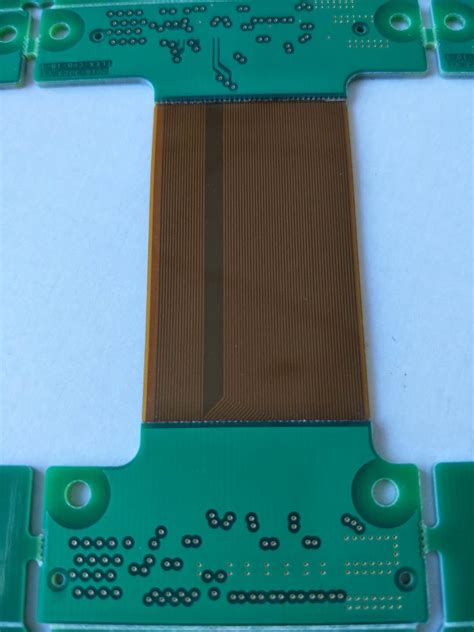
- Material Options – FR-4, high-frequency laminates, flexible PCBs.
- Surface Finishes – HASL, ENIG, immersion silver, OSP.
3.3 Quality Certifications
Look for manufacturers with:
- ISO 9001 – Quality management compliance.
- UL Certification – Safety standards for electronics.
- IPC-A-600 – Acceptability of printed boards.
3.4 Cost-Effectiveness
While price shouldn’t be the sole deciding factor, competitive pricing for small-batch orders is essential.
3.5 Customer Support & Communication
A responsive manufacturer who provides real-time updates and engineering support can significantly improve the sampling experience.

4. Emerging Trends in PCB Sampling
4.1 Rapid Prototyping with Advanced Technologies
- 3D Printing of PCBs – Faster, low-cost prototyping for simple circuits.
- Laser Direct Structuring (LDS) – Enables flexible and 3D-molded PCBs.
4.2 High-Speed & High-Frequency PCBs
With the rise of 5G, IoT, and automotive radar systems, manufacturers are adopting:
- Low-Dk/Df Materials – Reducing signal loss.
- Controlled Impedance Routing – Ensuring signal integrity.
4.3 Sustainability in PCB Manufacturing
- Lead-Free Soldering – Compliance with RoHS directives.
- Recyclable Substrates – Eco-friendly PCB materials.
5. Conclusion
PCB sampling manufacturers play a pivotal role in electronics development by enabling rapid, cost-effective prototyping. Choosing the right partner ensures high-quality, reliable PCBs that meet design specifications while minimizing risks before mass production.
As technology evolves, PCB sampling continues to advance with faster turnaround times, innovative materials, and sustainable practices. Companies that leverage these advancements gain a competitive edge in bringing cutting-edge electronic products to market efficiently.
By understanding the PCB sampling process and selecting a manufacturer with the right capabilities, businesses can optimize their development cycles and achieve success in the fast-paced electronics industry.