The Digital and Green Transformation of the PCB Industry: A Path Towards Sustainable Innovation
Introduction
The Printed Circuit Board (PCB) industry is a cornerstone of modern electronics, serving as the foundation for devices ranging from smartphones to industrial machinery. However, as global demand for electronics grows, the industry faces mounting pressure to enhance efficiency, reduce environmental impact, and embrace sustainable practices. The convergence of digitalization (Industry 4.0 technologies) and green manufacturing is reshaping the PCB sector, driving innovation while minimizing ecological footprints.
This article explores the key trends, challenges, and opportunities in the digital and green transformation of the PCB industry, highlighting how smart manufacturing, artificial intelligence (AI), the Internet of Things (IoT), and eco-friendly materials are revolutionizing production processes.
1. The Digital Transformation of PCB Manufacturing
1.1 Industry 4.0 and Smart Factories
The adoption of Industry 4.0 technologies is transforming PCB manufacturing into a highly automated, data-driven process. Key advancements include:
- AI and Machine Learning (ML): AI-powered defect detection systems analyze PCB images in real-time, reducing errors and improving yield rates. Predictive maintenance algorithms minimize downtime by forecasting equipment failures.
- IoT and Real-Time Monitoring: Sensors embedded in production lines collect data on temperature, humidity, and machine performance, enabling dynamic adjustments for optimal efficiency.
- Digital Twins: Virtual replicas of PCB production lines allow manufacturers to simulate and optimize processes before physical implementation, reducing waste and costs.
1.2 Automation and Robotics
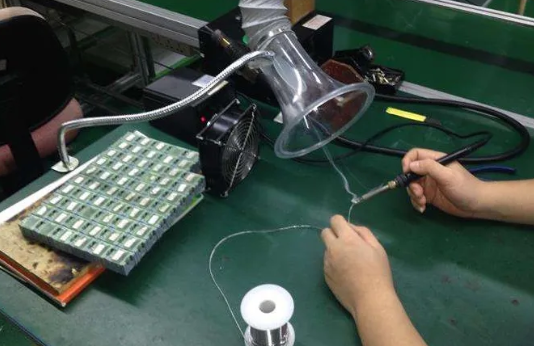
Automated Optical Inspection (AOI) systems and robotic arms are replacing manual labor in PCB assembly, enhancing precision and throughput. Collaborative robots (cobots) work alongside humans in tasks like soldering and component placement, improving workplace safety.
1.3 Big Data and Cloud Computing
Cloud-based platforms enable PCB manufacturers to centralize production data, facilitating better decision-making. Advanced analytics help identify inefficiencies, optimize supply chains, and reduce material waste.
2. The Green Transformation of PCB Manufacturing
2.1 Eco-Friendly Materials and Processes
Traditional PCB manufacturing relies on hazardous chemicals (e.g., lead, brominated flame retardants). The shift toward sustainability includes:
- Halogen-Free and Lead-Free PCBs: Compliance with RoHS (Restriction of Hazardous Substances) and REACH regulations.
- Biodegradable Substrates: Research into organic and bio-based PCB materials to reduce electronic waste.
- Water-Based and Solvent-Free Inks: Reducing volatile organic compound (VOC) emissions.
2.2 Energy Efficiency and Renewable Energy Adoption
PCB factories consume significant electricity. Green initiatives include:
- Energy-Efficient Equipment: Switching to LED UV curing systems and high-efficiency motors.
- Solar and Wind Power Integration: Factories are increasingly powered by renewable energy sources.
- Waste Heat Recovery: Repurposing excess heat from production processes for facility heating.
2.3 Waste Reduction and Circular Economy
- Recycling Copper and Precious Metals: Recovering metals from discarded PCBs reduces mining demand.
- Chemical Recycling of Laminates: Innovative methods break down epoxy resins for reuse.
- Design for Disassembly (DfD): Modular PCB designs simplify recycling at end-of-life.
3. Synergies Between Digital and Green Transformation
3.1 Smart Energy Management
AI-driven energy monitoring systems dynamically adjust power usage based on real-time demand, reducing carbon footprints.
3.2 Predictive Maintenance for Sustainability
By preventing unexpected breakdowns, predictive maintenance reduces material waste and energy consumption.
3.3 Blockchain for Sustainable Supply Chains
Blockchain technology ensures transparency in sourcing conflict-free minerals and tracking recycled materials.
4. Challenges and Future Outlook
4.1 Barriers to Adoption
- High initial costs of digital and green upgrades.
- Lack of standardized regulations across regions.
- Technical challenges in scaling eco-friendly materials.
4.2 The Road Ahead
The PCB industry must continue integrating AI, IoT, and green chemistry to stay competitive. Governments and corporations should collaborate on incentives for sustainable manufacturing.
Conclusion
The digital and green transformation of the PCB industry is not just a trend but a necessity for long-term viability. By leveraging smart manufacturing, renewable energy, and circular economy principles, PCB manufacturers can achieve higher efficiency, lower costs, and a reduced environmental impact. The future of electronics depends on an industry that is both technologically advanced and ecologically responsible—balancing innovation with sustainability.