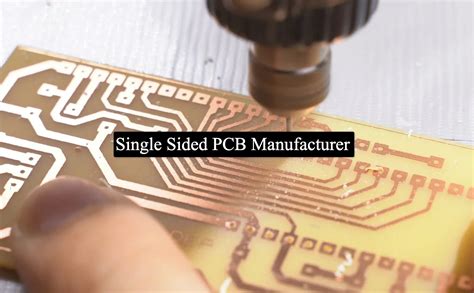
The Epitome of PCB Manufacturing Excellence
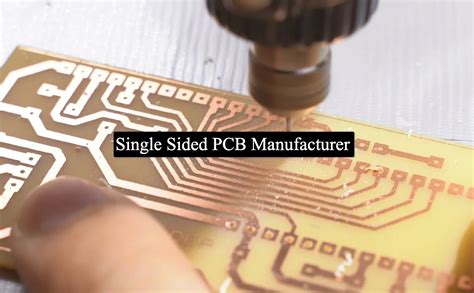
Key Takeaways
In the realm of PCB manufacturing, understanding the essentials of quality and reliability is paramount for both manufacturers and clients alike. At the very forefront are the pcb manufacturing companies that prioritize innovative practices. These companies not only focus on minimizing the pcb manufacturing cost but also on enhancing production effectiveness.
One significant factor contributing to their success is adherence to industry standards and certifications, which assure customers of high-quality products. With a strong emphasis on environmental sustainability, these manufacturers incorporate eco-friendly practices, which further differentiates them in a competitive market.
As you evaluate your options in the pcb manufacturing business, consider those that adopt customer-centric approaches. For instance, establishing a robust feedback loop can lead to continuous improvement in service delivery and product quality. Perhaps you might find it insightful to refer to successful strategies employed by top-tier PCB manufacturers.
“Strategies rooted in both innovation and customer satisfaction define the success of leading PCB manufacturers.”
To illustrate these points, here’s a table comparing key aspects of excellence in PCB manufacturing:
| Feature | Leading Manufacturers | Average Manufacturers |
|---|---|---|
| Quality Assurance | Robust testing protocols | Basic quality checks |
| Innovation | Advanced technologies | Standard processes |
| Sustainability | Green certifications | Limited eco efforts |
| Customer Engagement | Proactive feedback systems | Reactive service |
By taking note of these highlights, you’re better equipped to make informed choices in your PCB ventures, aligning with companies that are truly representative of excellence in PCB manufacturing. For more insights into leading-edge practices, you can explore additional resources available here.
The Epitome of Quality in PCB Manufacturing
In the realm of PCB manufacturing, achieving the highest standards of quality is not merely an aspiration but a fundamental requirement. As you navigate through various PCB manufacturing companies, it becomes evident that top-tier manufacturers distinguish themselves through meticulous attention to detail, stringent quality controls, and the incorporation of advanced technologies. The pcb manufacturing cost often reflects this commitment to quality; investing in superior materials and state-of-the-art processes may slightly raise costs, yet it ensures exceptional reliability and performance in the final product. Moreover, understanding the intricacies involved in establishing a successful pcb manufacturing business allows you to appreciate the extensive testing procedures and industry standards adhered to by leading manufacturers. These practices not only enhance the overall durability of printed circuit boards but also foster confidence among clients who prioritize excellence in their projects. By choosing an epitome PCB manufacturer, you are ensuring that your products will meet or exceed expectations while remaining competitive in a rapidly evolving market. This dedication to quality is what sets apart those who strive for outstanding results and those who simply comply with basic requirements.
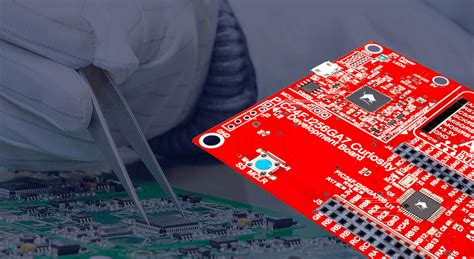
Innovative Technologies Shaping PCB Production
In the dynamic world of PCB manufacturing, innovative technologies are continuously redefining standards and enhancing efficiency. From advanced automation to improved fabrication techniques, these technologies contribute to reducing PCB manufacturing costs while maintaining superior quality. One significant innovation is the adoption of high-density interconnect (HDI) technology, which enables manufacturers to create smaller, more efficient circuits without compromising reliability. Additionally, the integration of IoT (Internet of Things) solutions in the production process allows for real-time monitoring and data analytics, ensuring that each stage of production meets stringent quality controls. As you explore various PCB manufacturing companies, you’ll find that those at the forefront are investing heavily in these cutting-edge technologies. This commitment not only elevates production quality but also assures businesses that their PCB manufacturing business aligns with current market demands and expectations. The result is a more agile and responsive approach that can adapt to customer needs—capturing the essence of what makes a manufacturer exemplary in this competitive landscape.
Standards and Certifications in PCB Manufacturing Excellence
In the realm of PCB manufacturing, adherence to rigorous standards and obtaining relevant certifications are crucial indicators of an organization’s commitment to excellence. When evaluating PCB manufacturing companies, consider those that comply with international standards such as ISO 9001, which guarantees quality management systems, and IPC-A-600, which sets the criteria for PCB acceptability. These certifications not only enhance reliability but also ensure that the processes involved in the PCB manufacturing business are efficient and up to industry benchmarks. Additionally, robust standards play a significant role in minimizing production errors, thereby reducing the overall PCB manufacturing cost. Knowledge of these criteria empowers you to make informed decisions when selecting a manufacturer that prioritizes both quality and safety in their operations. By focusing on companies that uphold these standards and certifications, you can trust that your PCB designs will be executed with precision, fostering innovation and excellence across all applications.
Reliability Factors of a Top-Tier PCB Manufacturer
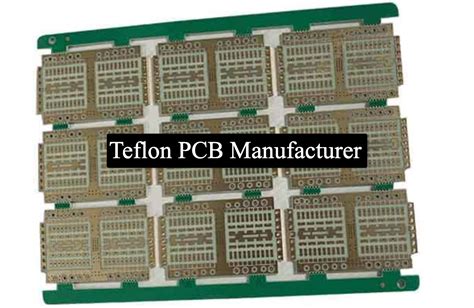
When you consider partnering with pcb manufacturing companies, one of the essential aspects to evaluate is their reliability. A top-tier PCB manufacturer consistently meets and exceeds industry standards, ensuring that each product is crafted with precision and care. The reliability of these manufacturers can be attributed to several key factors. First, they employ rigorous testing protocols throughout the pcb manufacturing process, which guarantees that every unit functions correctly and meets your specifications. Their experience in the pcb manufacturing business allows them to leverage advanced technologies, minimizing defects and enhancing product durability. Furthermore, a commitment to maintaining comprehensive certifications can signal their adherence to quality management systems, thereby reducing potential operational risks and ultimately lowering the pcb manufacturing cost for you in the long run. As you assess potential partners, prioritize those who can demonstrate not only consistency in delivery but also a proven track record of cultivating strong client relationships built on trust and accountability. By focusing on these reliability factors, you can significantly enhance your project’s prospects for success in the competitive landscape of PCB technology.
Environmental Sustainability in PCB Production Processes
In today’s industrial landscape, environmental sustainability is becoming increasingly crucial for PCB manufacturing. As a manufacturer or stakeholder in the PCB manufacturing business, you might be aware that adopting eco-friendly practices not only helps in complying with regulatory standards but also enhances the reputation of your brand. By focusing on sustainable materials and processes, you can significantly reduce the environmental impact associated with traditional PCB manufacturing methods. For instance, many leading PCB manufacturing companies are now prioritizing the use of recyclable materials and efficient waste management systems. This shift not only minimizes carbon footprints, but it also leads to a reduction in pcb manufacturing costs, as more efficient processes often result in lower production expenses over time. Moreover, as consumers become more environmentally conscious, aligning your production practices with sustainability values can elevate your competitive edge in a crowded market. Exploring innovative technologies such as lead-free soldering and green chemistry further exemplifies how dedication to sustainability can drive both quality and reliability in your products while ensuring the longevity of our planet’s resources. By integrating these aspects into your pcb manufacturing strategies, you pave the way for a more responsible and sustainable future.

Customer-Centric Approaches in PCB Manufacturing
In today’s dynamic landscape, customer-centric approaches in PCB manufacturing are not just advantageous; they are essential. You, as a client, may value the ability to customize products according to your specific needs. Top PCB manufacturing companies recognize this demand and actively engage with you to tailor solutions that meet your project requirements. This collaborative process can significantly influence the PCB manufacturing cost, as a deeper understanding of your expectations allows manufacturers to optimize their production processes and material usage.
Additionally, you may appreciate manufacturers who prioritize transparency in their processes. By sharing their methodologies, supply chain information, and production timelines with you, these companies build trust and confidence. This open dialogue ensures that your unique challenges are addressed effectively and swiftly.
Furthermore, with the rise of advanced technologies like AI and IoT in the industry, you can expect enhanced communication tools that facilitate real-time updates on your orders. This level of engagement not only streamlines your experience but also reinforces a commitment to meeting your expectations in quality and reliability—hallmarks of a successful PCB manufacturing business.
Ultimately, when you choose a manufacturer who adopts these customer-centric strategies, you’re not just selecting a service provider; you’re forging a partnership that values quality, responsiveness, and innovation at every stage of the production process.
Future Trends in the PCB Industry and Their Impact on Excellence
As you navigate the evolving landscape of PCB manufacturing, it’s essential to stay informed about the emerging trends that are reshaping the industry. One significant trend is the increasing reliance on innovative technologies. The integration of advanced automation and artificial intelligence in production processes is redefining efficiency and precision, ultimately influencing the PCB manufacturing cost by lowering operational expenses while maintaining high-quality output. Additionally, as you consider your needs, recognize that PCB manufacturing companies are progressively adopting new materials and techniques to cater to the demands of more sophisticated electronic devices. This evolution not only enhances product performance but also pushes manufacturers to uphold their commitments to reliability and quality. Another key aspect is sustainability; with rising environmental consciousness, manufacturers are focusing more on eco-friendly practices that minimize waste and energy consumption in their PCB manufacturing business operations. By staying ahead of these trends, you will position yourself to leverage unparalleled excellence in your products, ensuring that the output reflects not just industry standards but also innovative progress that resonates with consumer expectations.
Conclusion
In summary, the epitome of PCB manufacturing excellence is defined not only by the products delivered but also by the processes behind them. When you consider the landscape of PCB manufacturing companies, it becomes clear that the most successful ones separate themselves through rigorous adherence to quality standards and innovative production technologies. Delving into pcb manufacturing cost, it’s crucial to recognize that investing in advanced technology can lead to more efficient processes and, ultimately, reduced expenses over time. As you explore the pcb manufacturing business, keep in mind that reliability is a cornerstone; a commitment to customer-centric approaches and environmental sustainability can significantly elevate a manufacturer’s standing. Understanding these dynamics presents an opportunity for you to make informed decisions in this industry, ensuring you partner with manufacturers who not only deliver quality but also embody the principles of excellence through sustainable practices and innovative solutions.
FAQs
What should I consider when selecting a PCB manufacturing company?
When choosing a PCB manufacturing company, ensure it has a proven track record of quality and reliability. Look for certifications and standards that confirm their excellence in pcb manufacturing.
How does the design impact the PCB manufacturing cost?
The complexity of your design significantly affects the pcb manufacturing cost. More intricate designs may require advanced technologies and longer production times, thus increasing overall expenses.
What are the key factors that determine the reliability of PCB production?
Key factors include material quality, production processes, and testing methods used by pcb manufacturing companies. A commitment to rigorous quality control enhances reliability in electronic performance.
How do environmental standards affect PCB manufacturing businesses?
Sustainable practices are increasingly prioritized in the pcb manufacturing business, helping to reduce environmental impact. Compliance with international norms can also enhance a company’s reputation.
What innovative technologies are transforming PCB production?
Technologies such as automated assembly, advanced material science, and AI-driven quality assurance are shaping the future of pcb manufacturing, leading to improved efficiency and product quality.