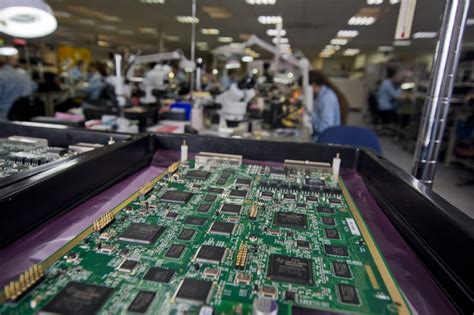
The Future of PCB Manufacturing Factories and Their Innovations
Key Takeaways
As you delve into the realm of PCB manufacturing, it’s crucial to recognize the transformative changes shaping this industry. The evolution of pcb manufacturing companies is largely influenced by innovative technologies that enhance production capabilities. For instance, advancements in automated assembly lines and smart software solutions are expediting processes while reducing labor costs, which directly impacts the overall pcb manufacturing cost. In addition to efficiency, sustainability is becoming a focal point; many factories are adopting green practices to minimize waste and energy consumption, appealing to the increasing demand for environmentally friendly production methods.
Moreover, it’s important to understand that the pcb manufacturing business landscape is increasingly competitive. As you explore this field, be aware of the challenges such as supply chain disruptions and rising material costs. However, these obstacles often pave the way for greater innovation and strategic initiatives among leading factories. By adopting a proactive approach in embracing new tools and methodologies, stakeholders can not only enhance their production efficiency but also ensure long-term viability in a fast-evolving market.
In summary, staying informed about these developments will equip you with an understanding of how to navigate the complexities of modern PCB manufacturing. For more insights and support in this dynamic industry, you may explore resources from companies at Andwin PCB.
The Evolution of PCB Manufacturing Factories
The landscape of PCB manufacturing has undergone remarkable transformations in recent years. As technology continues to advance, you’ll find that PCB manufacturing companies are increasingly adopting cutting-edge methods to enhance their production processes. The shift from traditional techniques to innovative solutions has not only improved the quality and reliability of printed circuit boards but also significantly impacted the PCB manufacturing cost. These factories are now incorporating smart automation, which allows for higher productivity and reduced waste, showcasing a trend that is likely to dictate the future of the industry. Furthermore, as you explore different PCB manufacturing businesses, you’ll see a growing emphasis on sustainable practices that aim to minimize environmental impact while maximizing efficiency. This evolution reflects a broader commitment within the industry towards adapting more flexible, responsive, and technologically integrated systems that can meet the demands of an evolving market. By staying informed about these changes, you can better understand how they influence the direction of PCB manufacturing and what it means for future innovation.
Innovative Technologies Driving PCB Production
In the rapidly evolving landscape of PCB manufacturing, technological advancements are revolutionizing how PCB manufacturing companies operate. One significant innovation is the use of automated printing systems, which drastically reduce human error and increase production speed. These systems allow for precise application of conductive inks, ensuring that your designs are produced with exceptional accuracy. Moreover, integrating smart factories with Internet of Things (IoT) capabilities has emerged as a game changer in the PCB manufacturing business. By enabling real-time monitoring and data analysis, these technologies help optimize processes, resulting in lower PCB manufacturing costs through reduced waste and improved efficiency.
Additionally, advancements in materials science have led to the development of high-performance substrates that enhance thermal management and electrical conductivity. This is crucial for meeting the demands of modern electronic devices, which require smaller, faster, and more efficient PCBs. As these innovations continue to unfold, they not only improve product quality but also fuel a shift towards more sustainable practices within the industry. By adopting advanced technologies, you can ensure that your products meet market demands while contributing to a greener future in electronics. Embracing these innovations is essential for staying competitive and meeting the evolving needs of customers in an ever-changing environment.
Sustainable Practices in PCB Manufacturing
In the rapidly evolving world of pcb manufacturing, sustainable practices have become a key focus for pcb manufacturing companies striving to reduce their environmental footprint while maintaining productivity. By integrating environmentally friendly materials and processes, these companies are not only addressing regulatory pressures but also enhancing their brand reputation. For instance, the adoption of lead-free solder and biodegradable substrates reflects a commitment to sustainable development. Moreover, employing energy-efficient machinery significantly lowers pcb manufacturing costs, allowing firms to reinvest in greener technologies. It’s essential for you, especially if you’re considering entering the pcb manufacturing business, to understand that sustainability doesn’t just benefit the environment; it can also lead to operational savings and improved product quality.
"Investing in sustainable practices today can yield significant returns for your business tomorrow."
Incorporating waste reduction strategies—such as recycling materials and reducing water consumption—will not only elevate your company’s standing among eco-conscious consumers but also contribute to a circular economy. As the industry continues to innovate, staying ahead of sustainability trends will ultimately be crucial for your success in this competitive landscape.
The Role of Automation in PCB Factories
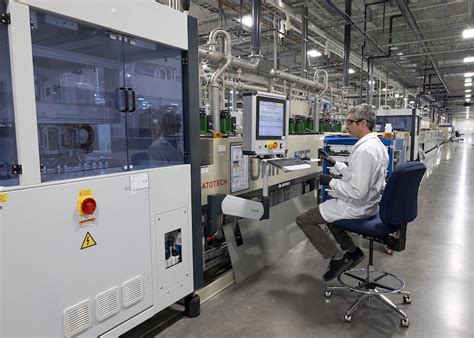
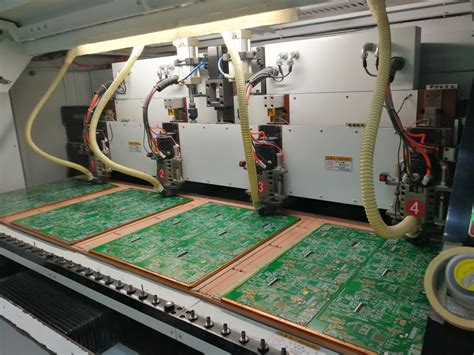
In today’s fast-paced world, the impact of automation in PCB manufacturing is undeniable. As you consider the benefits, it becomes clear that automation not only streamlines operations but also significantly lowers the pcb manufacturing cost. Many pcb manufacturing companies are investing in automated processes that enable them to increase precision, reduce human error, and improve overall production speed. With robotics and advanced machinery taking over repetitive tasks, workers can focus on more strategic elements of the pcb manufacturing business, leading to enhanced creativity and innovation. Furthermore, automation allows for greater scalability; as demand fluctuates, automated systems can be adjusted seamlessly without compromising quality or efficiency. The introduction of smart factory technology is also revolutionizing how manufacturers manage their workflows, allowing real-time monitoring and data analytics that further optimize operations. By leveraging these revolutionary advancements, you’re not just keeping pace with industry standards but positioning your business for future growth in a highly competitive market.
Enhancing Production Efficiency Through Smart Solutions
In the world of pcb manufacturing, staying ahead of the competition requires a deep commitment to adopting smart solutions. As you explore the landscape of pcb manufacturing companies, you’ll discover that leveraging automation technologies can revolutionize production processes. By implementing advanced software systems and robotics, these factories can streamline operations, reduce lead times, and ultimately lower the pcb manufacturing cost. For instance, sophisticated inventory management systems allow for real-time tracking of materials, ensuring that production schedules are met without excess waste. Moreover, data analytics plays a crucial role in predicting potential bottlenecks and inefficiencies within the pcb manufacturing business model. This proactive approach not only helps in optimizing resource allocation but also enhances overall production efficiency. You can observe how these innovations foster a smarter working environment and encourage continuous improvement, setting a benchmark for future developments in the industry. As you navigate through various strategies employed by leading pcb manufacturing companies, the importance of integrating smart solutions becomes increasingly evident for achieving sustainability and operational excellence.
Future Trends in PCB Design and Fabrication
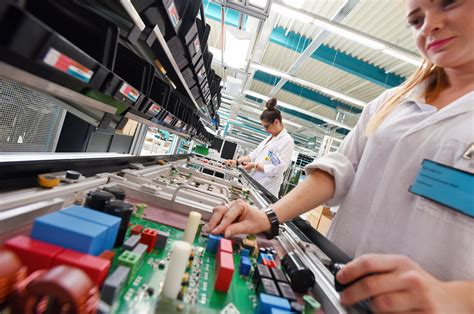
As you navigate the landscape of pcb manufacturing, you will discover that the future trends in PCB design and fabrication are significantly reshaped by technological innovations and market demands. The continuous evolution of electronic devices necessitates lightweight, flexible, and high-performance PCBs, prompting pcb manufacturing companies to adopt more advanced fabrication techniques. One key trend is the move towards multi-layer and embedded capacitor technologies which enhance circuit density while minimizing overall size. In this fast-changing environment, the focus on reducing pcb manufacturing cost without compromising quality remains paramount. Additionally, the integration of smart technologies enables better data analysis throughout the fabrication process, leading to improved decision-making and resource allocation. This transformation elevates not only production efficiency but also sustainability efforts within the pcb manufacturing business. As a result, you can expect manufacturers to prioritize eco-friendly materials and processes that ultimately contribute positively to both their bottom line and environmental stewardship.
Challenges Facing the PCB Manufacturing Industry
The pcb manufacturing industry is currently navigating a labyrinth of challenges that could impact its growth and sustainability. One of the primary issues involves pcb manufacturing costs, which have been fluctuating due to rising material prices and increased demand for high-quality components. This economic pressure forces pcb manufacturing companies to innovate while keeping costs in check, often leading to a delicate balance between quality and affordability. Furthermore, the rapid evolution of technology means that these companies must continuously upgrade their processes and equipment, which can strain financial resources.
Another significant challenge is the shortage of skilled labor in the pcb manufacturing business. As industry demands evolve, there is an increasing need for employees who are well-versed in advanced technologies such as automation and smart manufacturing solutions. Without a workforce that can handle these innovations, companies may find themselves at a competitive disadvantage.
Finally, environmental regulations are becoming more stringent, pushing manufacturers to adopt more sustainable practices. Balancing regulatory compliance with operational efficiency presents yet another obstacle for stakeholders in the production cycle. Thus, as you explore the landscape of pcb manufacturing, it becomes clear that addressing these challenges is crucial for future success and viability in the industry.
Case Studies: Successful Innovations in PCB Manufacturing
In the ever-evolving realm of PCB manufacturing, several companies have made remarkable strides by implementing innovative practices that not only enhance efficiency but also reduce PCB manufacturing costs. For instance, consider a leading PCB manufacturing company that has incorporated machine learning algorithms in its production processes. By analyzing vast amounts of data in real-time, they have successfully minimized defects and optimized workflows, resulting in a significant boost in production rates. This approach exemplifies how data-driven decision-making can lead to a more responsive and efficient PCB manufacturing business. Another noteworthy case is that of a firm that adopted sustainable practices by utilizing eco-friendly materials and energy-efficient machinery. This commitment to sustainability not only appeals to environmentally conscious consumers but also helps the company differentiate itself in a competitive market, positively impacting its bottom line. These examples highlight the importance of innovation and adaptability within the PCB manufacturing landscape, as companies strive to meet the demands of an ever-changing global market while maintaining quality and sustainability at the forefront of their operations. As you explore these successful innovations, consider how they might apply to your own understanding and approach to the industry’s future possibilities.
Conclusion
As you ponder the landscape of PCB manufacturing, it becomes clear that the industry is on a transformative journey fueled by innovative technologies and a commitment to sustainability. The emergence of advanced processes enables PCB manufacturing companies to significantly reduce pcb manufacturing costs while enhancing production efficiency through automation and smart solutions. This evolution not only benefits manufacturers but also creates a ripple effect, influencing the broader electronics supply chain. By embracing new methodologies and environmental practices, your pcb manufacturing business can position itself at the forefront of this dynamic field. The journey ahead is promising, marked by an increasing focus on creativity, ethical production, and adaptability to meet market demands. The challenges are many, but the rewards for those who innovate and adapt are boundless, ensuring a robust future for the entire PCB manufacturing ecosystem.
FAQs
What is the typical pcb manufacturing cost?
The pcb manufacturing cost varies widely depending on the complexity and volume of the order. Factors such as materials, layer count, and design intricacies play a significant role in determining the final price.
How do I choose a reliable pcb manufacturing company?
You should consider factors such as industry reputation, quality certifications, customer reviews, and technical capabilities when selecting a reliable pcb manufacturing company. It’s essential to evaluate their past projects and customer testimonials to ensure they align with your needs.
What should I know about starting a pcb manufacturing business?
Starting a pcb manufacturing business requires an understanding of market dynamics, supply chain management, and technological investment. Familiarize yourself with regulations in your region and assess your target market to create a solid business plan.
What innovative technologies are currently used in pcb manufacturing?
Modern pcb manufacturing incorporates advanced technologies such as IoT integration, automated placement machines, and laser-cutting tools. These innovations enhance precision and efficiency in production processes.
For more information on PCB manufacturing services, please click here: Andwin PCB Manufacturing