The Impact of PCB Defects: Common Issues and Their Consequences
Printed Circuit Boards (PCBs) are the backbone of modern electronics, serving as the foundation for nearly all electronic devices, from smartphones to industrial machinery. However, PCB defects—whether from design flaws, manufacturing errors, or environmental factors—can lead to significant performance issues, reliability problems, and even complete system failures. This article explores the most common PCB defects, their root causes, and the problems they can cause in electronic systems.
1. Short Circuits and Their Consequences
Causes of Short Circuits
Short circuits occur when two or more conductive paths that should be isolated come into unintended contact. This can happen due to:
- Solder bridging (excess solder connecting adjacent traces)
- Insufficient clearance between traces
- Contamination (conductive debris or moisture)
- Damaged insulation (scratches or cracks in the PCB substrate)
Problems Caused by Short Circuits
- Component Failure: Excessive current flow can overheat and destroy sensitive components like ICs, resistors, or transistors.
- Fire Hazards: In extreme cases, short circuits can generate enough heat to ignite the PCB or surrounding materials.
- System Malfunctions: Shorts can cause erratic behavior, such as false signals, unintended power cycling, or complete shutdowns.
2. Open Circuits and Signal Interruptions
Causes of Open Circuits
An open circuit occurs when a conductive path is broken, preventing electrical continuity. Common causes include:
- Poor solder joints (cold solder joints or cracks)
- Trace fractures (due to mechanical stress or thermal cycling)
- Vias or plated through-holes failing (incomplete plating or cracking)
Problems Caused by Open Circuits
- Intermittent Operation: Devices may work sporadically or fail under vibration or temperature changes.
- Complete Circuit Failure: Critical signals (e.g., power delivery or data lines) may be lost, rendering the device non-functional.
- Debugging Difficulties: Intermittent opens can be hard to diagnose, increasing repair time and costs.
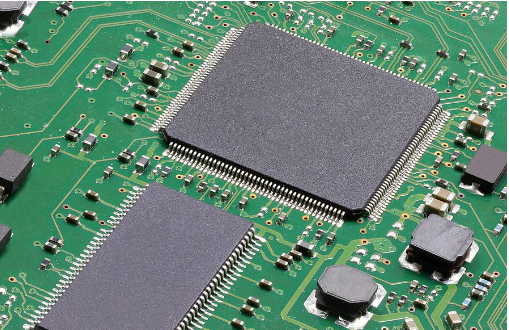
3. Poor Soldering and Its Effects
Common Soldering Defects
- Cold Solder Joints (weak connections due to insufficient heat)
- Solder Balls or Splashes (potential short-circuit risks)
- Insufficient or Excessive Solder (leads to poor connectivity or bridging)
Problems Caused by Poor Soldering
- Intermittent Connectivity: Devices may fail under mechanical stress or temperature variations.
- Increased Resistance: Poor solder joints can lead to voltage drops and overheating.
- Reduced Lifespan: Weak connections degrade over time, leading to premature failure.
4. Component Misalignment and Incorrect Placement
Causes of Misalignment
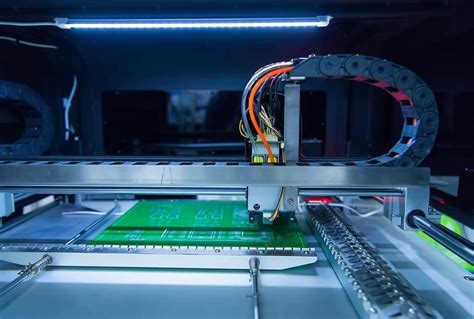
- Pick-and-Place Machine Errors (incorrect component positioning)
- Human Error in Manual Assembly
- Incorrect Footprint Design (CAD errors in pad sizing or spacing)
Problems Caused by Misalignment
- Non-Functional Circuits: Components may not make proper electrical contact.
- Soldering Defects: Misaligned parts can lead to tombstoning (one end lifts during reflow).
- Signal Integrity Issues: Poorly placed high-frequency components can cause EMI or signal loss.
5. Delamination and Moisture Absorption
Causes of Delamination
- Excessive Thermal Stress (repeated heating/cooling cycles)
- Poor Laminate Quality (low-grade PCB materials)
- Moisture Ingress (exposure to humid environments)
Problems Caused by Delamination
- Cracked Traces or Vias: Separation of PCB layers can break internal connections.
- Reduced Insulation Resistance: Moisture can create leakage paths, leading to corrosion.
- Mechanical Weakness: Delaminated PCBs are more prone to physical damage.
6. Electromagnetic Interference (EMI) Due to Poor PCB Design
Causes of EMI Issues
- Inadequate Grounding (poor ground plane design)
- Improper Trace Routing (high-speed signals running parallel without shielding)
- Lack of Decoupling Capacitors (unfiltered power supply noise)
Problems Caused by EMI
- Signal Corruption: Noise can disrupt data transmission in high-speed circuits.
- Regulatory Compliance Failures: Devices may fail FCC or CE EMI testing.
- Cross-Talk: Adjacent signals can interfere with each other, reducing performance.
7. Thermal Management Issues
Causes of Overheating
- Insufficient Copper Pour (poor heat dissipation)
- High-Power Components Without Adequate Cooling
- Traces Too Thin for Current Load (excessive resistive heating)
Problems Caused by Overheating
- Thermal Runaway: Components like MOSFETs or voltage regulators can fail catastrophically.
- Reduced Component Lifespan: Prolonged heat exposure degrades semiconductors and capacitors.
- Warping or Cracking: Thermal expansion can physically damage the PCB.
Conclusion
PCB defects—whether from manufacturing errors, design flaws, or environmental factors—can lead to a wide range of problems, from minor performance issues to catastrophic failures. Short circuits, open traces, poor soldering, and thermal mismanagement are among the most critical issues that engineers and manufacturers must address to ensure reliability. By implementing rigorous quality control, adhering to best design practices, and using high-quality materials, many of these defects can be mitigated, leading to more robust and long-lasting electronic products.
Understanding these potential failures is crucial for PCB designers, manufacturers, and repair technicians to prevent costly recalls, improve product durability, and enhance overall performance in modern electronics.