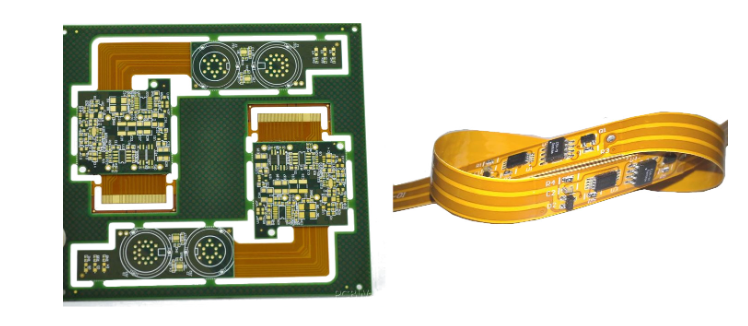
Tht pcb assembly
The Importance Of Quality Control In PCB Assembly
In the realm of electronics manufacturing, the significance of quality control in Through-Hole Technology (THT) Printed Circuit Board (PCB) assembly cannot be overstated. As the backbone of electronic devices, PCBs require meticulous attention to detail to ensure their functionality and reliability. Quality control processes are integral to achieving this, as they help identify and rectify potential issues before they escalate into costly failures.
To begin with, quality control in THT PCB assembly involves a series of systematic procedures designed to monitor and evaluate the assembly process.
These procedures encompass various stages, from the inspection of raw materials to the final testing of the assembled boards. By implementing rigorous quality control measures, manufacturers can ensure that each component is correctly placed and soldered, thereby minimizing the risk of defects.
One of the primary reasons for emphasizing quality control is the complexity of THT PCB assembly.
Unlike Surface Mount Technology (SMT), THT involves inserting components through pre-drilled holes on the PCB and soldering them on the opposite side. This process, while offering robust mechanical bonds, is more labor-intensive and prone to human error. Therefore, quality control measures such as automated optical inspection (AOI) and X-ray inspection are crucial in detecting misalignments, soldering defects, and other anomalies that may compromise the board’s performance.
Moreover, quality control in THT PCB assembly is essential for ensuring compliance with industry standards and regulations.
Standards such as IPC-A-610, which outlines the acceptability criteria for electronic assemblies, provide a benchmark for quality. Adhering to these standards not only guarantees the reliability of the PCBs but also enhances the manufacturer’s reputation in the market. Regular audits and inspections help maintain compliance, thereby fostering trust and confidence among clients and stakeholders.
In addition to compliance, quality control contributes to the overall cost-effectiveness of the manufacturing process.
Identifying defects early in the assembly process allows for timely corrective actions, reducing the likelihood of rework or scrapping of defective boards. This proactive approach not only saves time and resources but also ensures that the final product meets the desired quality standards. Consequently, manufacturers can avoid the financial repercussions associated with product recalls and warranty claims.
Furthermore, quality control in THT PCB assembly plays a pivotal role in enhancing the longevity and reliability of electronic devices.
High-quality PCBs are less likely to experience failures, thereby extending the lifespan of the devices they power. This is particularly critical in applications where reliability is paramount, such as in medical devices, aerospace, and automotive industries. By prioritizing quality control, manufacturers can deliver products that meet the stringent demands of these sectors, thereby gaining a competitive edge.
In conclusion, the importance of quality control in THT PCB assembly cannot be emphasized enough. It is a multifaceted process that ensures the accuracy, reliability, and compliance of the assembled boards. Through rigorous inspection and testing, manufacturers can identify and address potential issues, thereby enhancing the overall quality of their products. As the demand for high-performance electronic devices continues to grow, the role of quality control in THT PCB assembly will remain indispensable, driving innovation and excellence in the electronics manufacturing industry.
Innovative Techniques In Surface Mount Technology (SMT) For PCB Assembly
Surface Mount Technology (SMT) has revolutionized the field of Printed Circuit Board (PCB) assembly, offering numerous advantages over traditional through-hole technology (THT). As the demand for smaller, more efficient electronic devices continues to grow, innovative techniques in SMT have become increasingly critical. These advancements not only enhance the performance and reliability of electronic components but also streamline the manufacturing process, making it more cost-effective and efficient.
One of the most significant innovations in SMT is the development of advanced soldering techniques.
Traditional wave soldering methods, while effective for THT, are not suitable for the fine-pitch components used in SMT. Instead, reflow soldering has become the standard. This process involves applying solder paste to the PCB, placing the components, and then heating the assembly in a reflow oven. The solder paste melts and forms a strong, reliable bond between the components and the PCB. Recent advancements in reflow soldering include the use of nitrogen atmospheres to reduce oxidation and improve solder joint quality, as well as the development of low-temperature solder pastes that reduce thermal stress on sensitive components.
Another key innovation in SMT is the use of automated optical inspection (AOI) systems.
These systems use high-resolution cameras and sophisticated algorithms to inspect PCBs for defects such as misaligned components, solder bridges, and insufficient solder joints. By identifying and correcting these issues early in the manufacturing process, AOI systems help to ensure the quality and reliability of the final product. Additionally, the integration of machine learning and artificial intelligence into AOI systems has further enhanced their accuracy and efficiency, enabling manufacturers to detect even the most subtle defects.
The miniaturization of electronic components has also driven significant advancements in SMT.
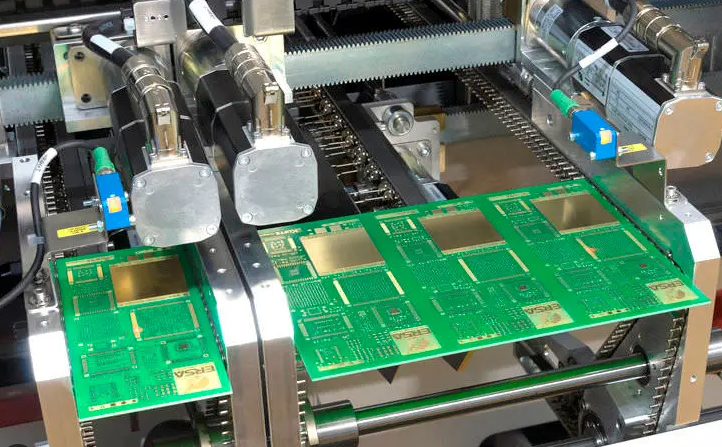
As devices become smaller and more complex, the need for smaller, more densely packed components has increased. This has led to the development of ultra-fine pitch components and micro-ball grid arrays (BGAs), which allow for higher component density and improved performance. To accommodate these smaller components, manufacturers have developed advanced placement machines capable of placing components with incredible precision and speed. These machines use vision systems and advanced algorithms to ensure accurate placement, even for the smallest components.
In addition to these technological advancements, the materials used in SMT have also seen significant improvements.
The development of high-performance solder pastes, adhesives, and fluxes has enhanced the reliability and performance of SMT assemblies. For example, lead-free solder pastes, which are now widely used due to environmental regulations, have been formulated to provide excellent wetting properties and strong, reliable solder joints. Similarly, advanced adhesives and fluxes have been developed to improve the adhesion and electrical performance of SMT components.
Furthermore, the integration of SMT with other advanced manufacturing techniques, such as 3D printing and flexible electronics, has opened up new possibilities for PCB assembly.
3D printing allows for the creation of complex, multi-layered PCBs with intricate geometries that would be difficult or impossible to achieve with traditional manufacturing methods. Flexible electronics, on the other hand, enable the development of lightweight, bendable devices that can be integrated into a wide range of applications, from wearable technology to medical devices.
In conclusion, the innovative techniques in Surface Mount Technology have significantly advanced the field of PCB assembly. Through the development of advanced soldering methods, automated inspection systems, miniaturized components, improved materials, and the integration with other manufacturing technologies, SMT has enabled the production of smaller, more efficient, and more reliable electronic devices. As technology continues to evolve, it is likely that SMT will continue to play a crucial role in the advancement of electronic manufacturing.
How To Choose The Right PCB Assembly Service Provider
When selecting a through-hole technology (THT) printed circuit board (PCB) assembly service provider, it is crucial to consider several factors to ensure the highest quality and reliability of your electronic products. The first step in this process is to evaluate the provider’s experience and expertise in THT PCB assembly. A company with a long-standing history in the industry is likely to have refined its processes and developed a deep understanding of the complexities involved in THT assembly. This experience can translate into higher quality products and fewer production issues.
In addition to experience, the technical capabilities of the service provider are paramount.
It is essential to assess whether the provider has the necessary equipment and technology to handle your specific requirements. For instance, some projects may require specialized machinery for precise component placement or advanced soldering techniques. Ensuring that the provider is equipped with state-of-the-art technology can significantly impact the efficiency and accuracy of the assembly process.
Another critical factor to consider is the quality control measures implemented by the service provider.
Quality assurance is vital in PCB assembly to prevent defects and ensure the longevity of the final product. Inquire about the provider’s quality control protocols, such as inspection procedures, testing methods, and certifications. A reputable provider should adhere to industry standards and possess certifications like ISO 9001, which indicate a commitment to maintaining high-quality standards.
Furthermore, the provider’s ability to offer comprehensive services can be a significant advantage.
Some providers offer end-to-end solutions, including design, prototyping, assembly, and testing. Partnering with a provider that can manage the entire process can streamline your project, reduce lead times, and minimize the risk of communication errors between different stages of production. This holistic approach can be particularly beneficial for complex projects that require close coordination and integration of various components.
Cost is another important consideration when choosing a THT PCB assembly service provider.
While it may be tempting to opt for the lowest-priced option, it is essential to balance cost with quality. A provider that offers significantly lower prices may cut corners in areas such as materials, labor, or quality control, which can ultimately compromise the reliability of your product. Instead, seek a provider that offers competitive pricing while maintaining high standards of quality and service.
Additionally, the provider’s customer service and communication practices should not be overlooked.
Effective communication is crucial for the successful execution of any project. A provider that is responsive, transparent, and willing to collaborate can make a significant difference in the overall experience. Look for a provider that assigns a dedicated project manager or point of contact to ensure clear and consistent communication throughout the project.
Lastly, consider the provider’s reputation and references. Researching customer reviews, testimonials, and case studies can provide valuable insights into the provider’s performance and reliability. Reaching out to past clients for feedback can also help you gauge the provider’s strengths and weaknesses.
In conclusion, choosing the right THT PCB assembly service provider involves a thorough evaluation of their experience, technical capabilities, quality control measures, service offerings, cost, customer service, and reputation. By carefully considering these factors, you can select a provider that not only meets your specific requirements but also contributes to the success and reliability of your electronic products.
Common Challenges And Solutions In PCB Assembly
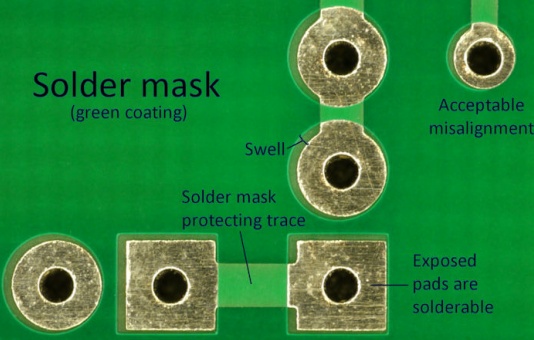
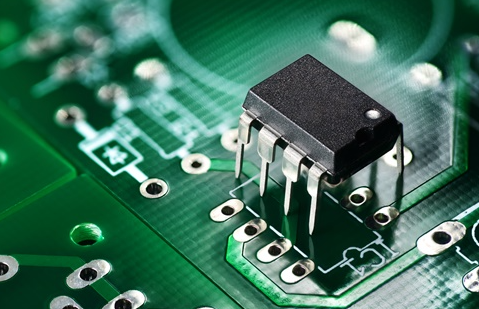
Through-hole technology (THT) PCB assembly remains a critical process in the manufacturing of electronic devices, despite the rise of surface-mount technology (SMT). This method involves inserting component leads through pre-drilled holes on a printed circuit board (PCB) and soldering them to pads on the opposite side. While THT assembly offers robust mechanical bonds and is ideal for components that require high reliability, it is not without its challenges. Understanding these common issues and their solutions is essential for ensuring the quality and efficiency of the assembly process.
One of the primary challenges in THT PCB assembly is the alignment of components.
Misalignment can lead to poor electrical connections and mechanical instability. To address this, manufacturers often use automated insertion machines that precisely place components into the PCB. These machines are equipped with vision systems that ensure accurate alignment, significantly reducing the risk of errors. Additionally, manual inspection and adjustment can be employed as a secondary measure to ensure that all components are correctly positioned before soldering.
Another significant challenge is the soldering process itself.
THT assembly typically uses wave soldering, where the PCB is passed over a wave of molten solder. This method can sometimes result in solder bridges, where excess solder creates unintended connections between adjacent pads. To mitigate this issue, manufacturers can optimize the wave soldering parameters, such as conveyor speed, solder temperature, and flux application. Using high-quality solder and flux materials also helps in achieving better solder joints and reducing defects.
Thermal management is another critical aspect that can pose challenges during THT PCB assembly.
Components and PCBs can be damaged if exposed to excessive heat during the soldering process. To prevent this, manufacturers must carefully control the thermal profile of the wave soldering machine. Preheating stages can be incorporated to gradually raise the temperature of the PCB, reducing thermal shock. Additionally, using heat sinks or thermal relief pads can help dissipate heat more effectively, protecting sensitive components from damage.
Component lead preparation is also a crucial step that can impact the quality of THT assembly.
Leads must be properly cleaned and tinned to ensure good solderability. Contaminants such as oxidation or residues can hinder the formation of reliable solder joints. To address this, manufacturers can implement rigorous cleaning protocols and use fluxes that effectively remove contaminants. Automated lead tinning machines can also be employed to ensure consistent and high-quality lead preparation.
Furthermore, the inspection and testing phase is vital for identifying and rectifying any defects that may have occurred during the assembly process.
Automated optical inspection (AOI) systems can be used to detect misalignments, solder bridges, and other visual defects. In-circuit testing (ICT) and functional testing can further ensure that the assembled PCB meets all electrical and performance specifications. Implementing a robust quality control system helps in catching defects early, reducing the likelihood of costly rework or product failures in the field.
In conclusion, while THT PCB assembly presents several challenges, these can be effectively managed through a combination of advanced technologies, optimized processes, and rigorous quality control measures. By addressing issues such as component alignment, soldering defects, thermal management, lead preparation, and thorough inspection, manufacturers can ensure the production of high-quality, reliable PCBs. As technology continues to evolve, ongoing improvements in THT assembly techniques will further enhance the efficiency and reliability of this essential manufacturing process.